Pest Control in Covington and Newport Starts in the Walls, Not the Yard
Posted by Mosquito Squad Plus
July 6, 2026
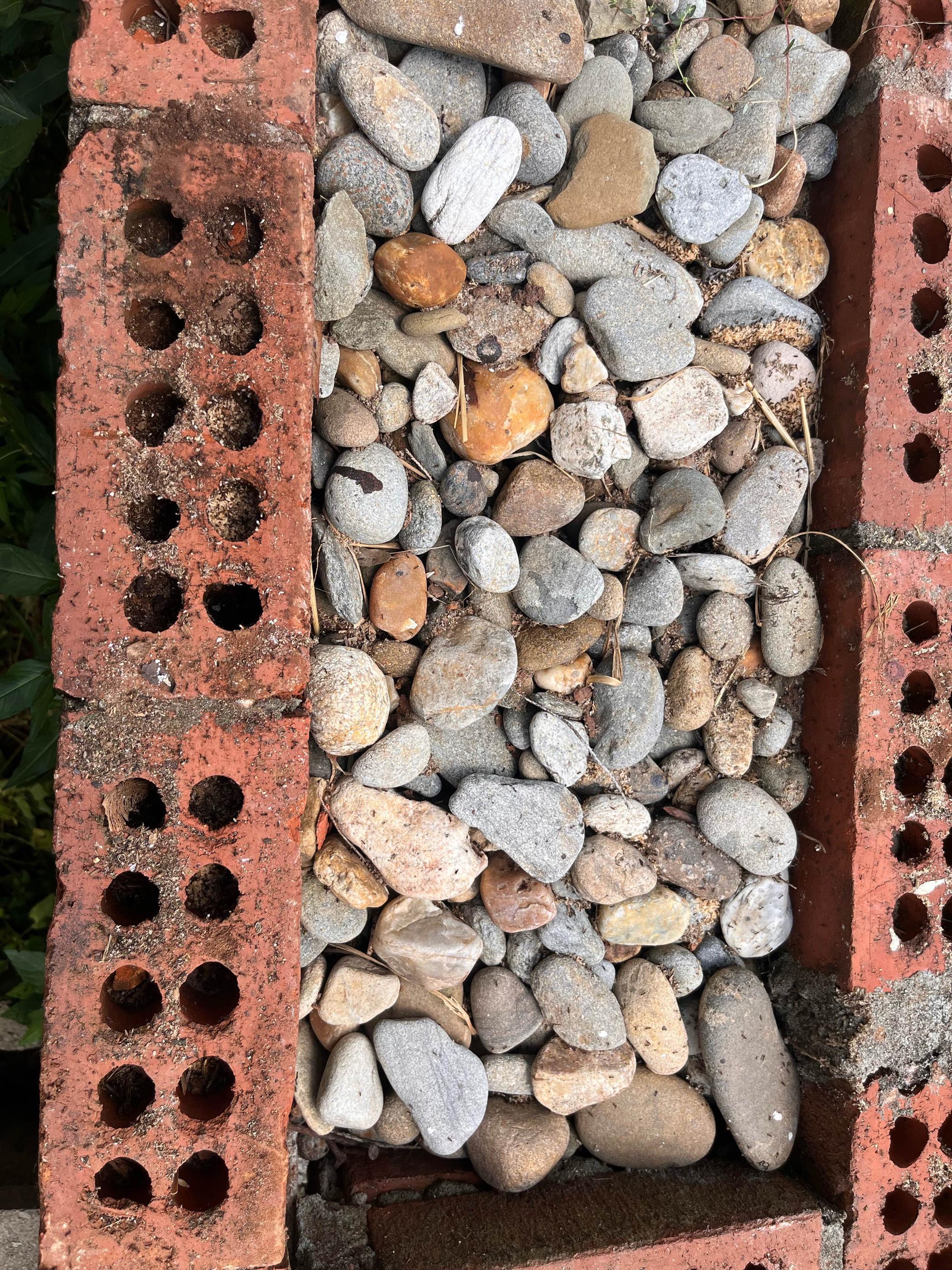
A hundred and fifty years of river-city living leaves a mark on a house, and some of it you cannot see. The Italianate row homes of Covington's Licking Riverside and the Victorians of Newport's East Row are some of the most beautiful housing stock in Kentucky, brick and stone, fourteen-foot ceilings, original woodwork, the kind of homes people fall in love with on a walk down a tree-lined street near the river. They are also, from a pest control standpoint, a completely different animal than a twenty-year-old house out in the suburbs. The pests in these old river-city homes are not coming across the lawn. A lot of the time, they are already in the walls.
Most people picture the problem backward. They figure the bugs come from outside, in the yard, and you keep them out by spraying the grass. In a 2005 build on a flat suburban lot, maybe. In an 1875 brick house three blocks from the confluence of the Ohio and Licking rivers, the pressure is structural. The mortar joints have opened over a century and a half of freeze and thaw. The old foundation has settled and cracked. The walls are shared with the house next door, the basement is stone, the pipes run through voids that have been there since before indoor plumbing was standard. Every one of those is a pest highway, and you cannot spray a lawn to fix a problem that lives in the building.
So here is the honest version of what pest control actually looks like in these old river cities, why the yard is the wrong place to start, and what an old Covington or Newport house actually needs.
Why the Old River-City House Is a Different Problem
Covington and Newport were built at the confluence of two rivers, on the floodplain, in the 1800s, and the housing reflects it. Covington was founded in 1815 and is the fifth-largest city in Kentucky. Newport's East Row is the second-largest historic district in the whole state, more than a thousand homes, most of them Victorian, most of them well over a century old. This is dense, walkable, old-money-built housing: tight lots, shared walls, brick and stone construction, stone basements, and almost none of it sitting on a modern sealed slab.
The age is what does it. A modern house is poured and sealed to keep things out. A 150-year-old river house has spent a century and a half doing the opposite, settling, shifting, and opening up. The mortar between the bricks has cracked and crumbled in places. The foundation has hairline gaps a homeowner never notices. The old single-wythe walls, the gaps where century-old plumbing and gas lines were run and re-run by a dozen different tradesmen, the stone cellar that was never meant to be sealed, all of it gives pests room to live inside the structure rather than just visit from the yard.
Then there is the river. Sitting on the Ohio-Licking floodplain means humidity, and damp is the other half of what these pests want. The low ground holds moisture, the old stone basements stay cool and damp, and an old porous structure in a wet river valley is about as welcoming as it gets for the bugs that plague these blocks. The house you love and the pests you fight grew out of the same century and a half by the water.
The Pest That Owns These Neighborhoods
If you live in an old Covington or Newport home and you have fought the same tiny ants in the kitchen every summer no matter what you do, you have met the odorous house ant, and you are not imagining how hard it is to get rid of. The University of Kentucky's entomology extension is blunt about it: the odorous house ant has become the most common and difficult ant to control in Kentucky and the Midwest. An old river house is its dream home.
An old river house gives this ant everything it likes. It trails along lines and edges, the mortar joints, the foundation-siding seam, the baseboards, the exact features an old brick house has in abundance. It nests indoors near moisture and warmth, in wall voids next to warm pipes, under leaky fixtures, in damp old wood, which describes the inside of a 150-year-old wall about as well as anything could.
And the reason your spray never works is biology, not effort. This ant runs colonies with many queens, it relocates its nest every few months in response to rain, and when you hit it with an over-the-counter spray, the colony does something called budding: it splits into several new colonies and scatters. You think you killed it. What you actually did was multiply it.
That budding is what makes these old homes so frustrating, because the hardware-store approach does not just fail here, it backfires. You spray the trail on the counter, you feel better for a week, and then there are three trails where there used to be one, because you broke one colony into three. The UK extension is blunt that hosing down the whole yard will seldom if ever solve an indoor ant problem. The ants are in the walls. The grass is not where they live.
And the Pests That Come With the Territory
The odorous house ant is the signature pest of these old homes, but it is not the only one exploiting all that century-old structure, and the others follow the same logic.
Cockroaches in an old river-city house are a shared-wall problem as much as a sanitation one. The University of Kentucky's entomology extension notes that cockroaches migrate between adjoining units along plumbing and electrical lines and through cracks and openings within walls, and that American and Oriental cockroaches come up through sewer and drain lines. In a row of attached historic homes sitting on old shared sewer infrastructure near the river, that is exactly the route. You can keep your own kitchen spotless and still have roaches coming through the shared wall from a neighbor or up from the old drain line, which is why UK emphasizes sealing the cracks and pipe penetrations over just spraying surfaces. Even the cleanest old house can have them, because the building itself is the pathway.
Rodents are the cold-weather version of the same structural story. The CDC points out that a mouse can squeeze through a gap the width of a pencil, a quarter inch, and an old river house has a thousand of those: the gap where a gas line enters the foundation, the worn threshold under a century-old door, the crack where the stone basement meets the sill.
When the weather turns in the fall, the mice that spent summer outside move into exactly those gaps, and once inside an old house with open wall voids and a stone cellar, they have the run of the place. The University of Kentucky's research notes the real cost is less what rodents eat than what gets contaminated and thrown out, plus the gnawing damage to wiring, which in a 150-year-old house with old wiring is not a small concern.
Three different pests, one door. The ants, the roaches, the mice, they want different things and show up in different seasons, but they all get in the same way: the gaps, voids, and seams of an old structure. That is why the work has to start with the building and not the lawn. And it is not only about comfort. University research ties cockroach and rodent allergens to asthma in urban housing, the dense, older kind these river cities are built of.
Why "Just Spray the Yard" Is the Wrong Answer Here
Plenty of pest control in Northern Kentucky is a yard story, the suburban lot where you treat the perimeter and the lawn to keep mosquitoes and ticks at bay. That work is real and it matters. But applying that same yard-first logic to an old Covington or Newport home misses where the problem actually lives, and it is worth being honest about why.
A yard treatment knocks down what is in the grass and along the foundation line. It does nothing for the ant colony budding inside your kitchen wall void, the roaches traveling the shared wall from next door, or the mice nesting in the stone basement. Worse, as the entomology research shows, the broad-spray reflex can actively make the ant problem multiply. The honest approach for an old house inverts the order: you start with the structure, find where pests are actually getting in and harboring, and treat and seal those, then handle the exterior as the supporting layer rather than the main event.
That structure-first work is genuinely harder than spraying a lawn, which is part of why it is worth having done right. It means inspecting the foundation and the mortar joints, the pipe and utility penetrations, the basement, the shared-wall seams, the thresholds and sill plates. It means treating the harborage where the pests actually live, the voids and cracks, rather than the open surfaces they cross. And it means exclusion, sealing the gaps so the next colony or the next fall's mice do not simply move back in. The University of Kentucky's guidance on roaches makes the point directly: sealing the openings eliminates the need to keep treating the same spots over and over. Done once and done right, the building stops being an open door.
What an Old Covington or Newport Home Actually Needs
The honest checklist for one of these homes is short, but every item is doing real work that a lawn spray cannot.
It starts with an inspection of the structure, not a quote over the phone. Every old river house is different, the way it has settled, where the old plumbing runs, which walls it shares, how the basement was built. The treatment has to follow what your specific house is actually doing, which means someone has to look at it. Pricing on these homes is quoted after that walkthrough for exactly that reason.
It treats the harborage and the entry points, not just the surfaces. The ants in the wall void, the roaches in the pipe chase, the mice in the basement gap, those are where the work happens, and they are the spots a do-it-yourself spray never reaches. This is also where ant control, cockroach control, and rodent control stop being three separate jobs and become one structural one, because they are all using the same gaps.
It includes exclusion, because in an old house sealing the building is the part that lasts. Treating without sealing means you are back next season. Sealing the mortar gaps, the pipe penetrations, the foundation cracks, and the worn thresholds is what turns a recurring problem into a solved one, and it is the work that pays off across every pest at once.
And it runs year-round, because the old-house pest calendar never really stops, ants in the warm months, the shared-wall roaches whenever, the rodents pushing in as the weather turns. For homeowners who want the whole structure covered through the seasons, the Home Shield and Complete Home and Yard programs are built for exactly that layered, year-round, structure-first coverage these homes need.
We are a veteran-owned family business, and we treat homes across Northern Kentucky including the historic neighborhoods of Covington, Newport, and the river-city blocks we serve where the housing is old, the lots are tight, and the pests have had a century and a half to learn the building. The old river house is one of the best things about living here. Keeping it yours, and not the ants', is a different job than treating a suburban lawn, and the program ought to reflect that. Pricing is quoted after we walk the property, with no long-term contract and a satisfaction guarantee behind the work.
The yard is worth treating. It is just not where the problem starts in a house like yours.