Roof Rats Will Travel 300 Feet for a Ripe Orange
Posted by Mosquito Squad Plus
November 16, 2026
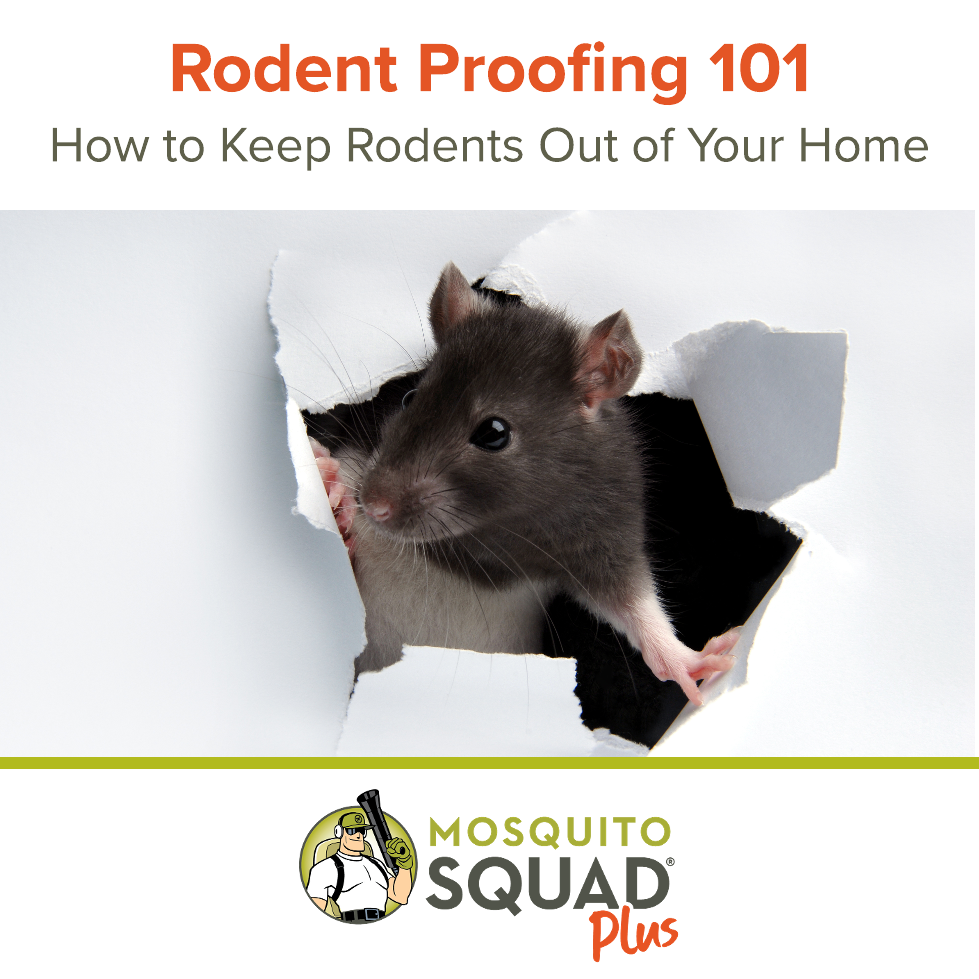
A roof rat is a slim, agile rat with a tail longer than its head and body, and it lives up high. In North Orange County it nests in palms, ivy and dense shrubs outside and in attics, wall voids and ceilings inside, then comes out at night to feed on fruit, pet food and birdseed.
Our family has run Mosquito Squad of North Orange County from Placentia since 2021, and the mature citrus, palms and ivy that make our yards lovely are exactly what roof rats like. UC IPM's Pest Notes on rats calls mature landscaping good roof rat habitat.
Roof rat or Norway rat
California has two introduced rats that live alongside people, and they behave differently enough that it's worth knowing which one you have. UC IPM's identification table is the most useful guide we've found.
- Build. Roof rats are sleek and weigh 5 to 10 ounces. Norway rats are larger and stockier, at 7 to 18 ounces.
- Tail. Pulled back over the body, a roof rat's tail reaches at least to the snout. A Norway rat's tail only reaches the middle of the skull.
- Face and ears. Roof rats have a pointed muzzle and ears long enough to reach the eyes when folded over. Norway rats have a blunt muzzle and shorter ears.
- Address. Norway rats burrow along foundations, under woodpiles and in garden beds, and indoors they stay low. Roof rats climb, and indoors they head for the upper floors.
If the animal you saw was small with big ears, it may have been a mouse, not a rat.
Where do roof rats live during the day?
Roof rats spend the day in their nest and do most of their moving after dark. Outside, that nest is usually up in a palm, a thick hedge or a mat of ivy. Inside, UC IPM lists attics, wall voids, ceiling voids and cabinets as typical nesting spots.
They're also great travelers. Roof rats routinely cover 300 feet or more for food, so a rat can sleep in one yard and eat oranges two houses down. The Orange County Mosquito and Vector Control District notes that they move through neighborhoods along utility lines and fence tops, using them as runways. That's why a rat problem on a North OC street is rarely just one home's problem.
The clues roof rats leave behind
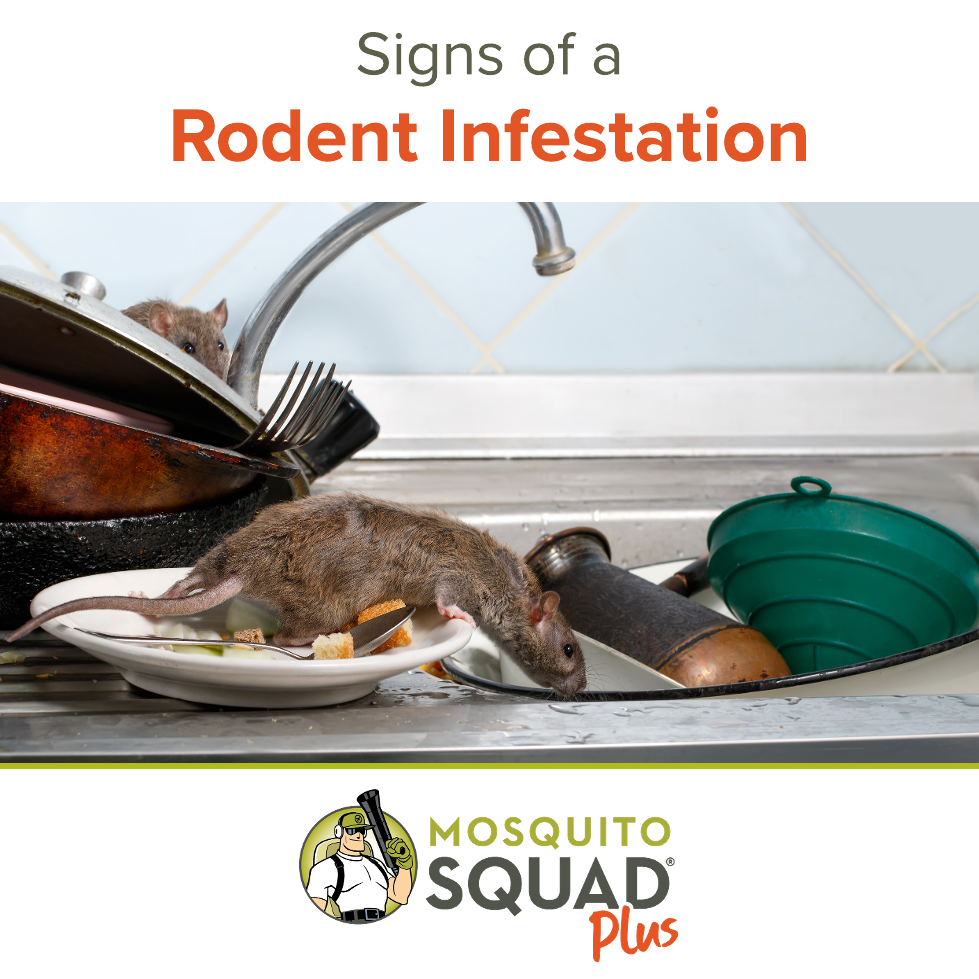
Roof rats are shy, and you may never see one. What you'll notice is the evidence. These are the signs we'd look for first on a North Orange County property.
- Hollowed-out citrus. Roof rats eat oranges while the fruit is still on the tree, leaving empty rinds hanging from the branches. If you grow citrus or avocados, check the inner canopy.
- Droppings. Roof rat droppings are about 1/2 inch long with pointed ends, often near food or along the routes rats travel.
- Night noises overhead. Scratching or running in the attic after dark is one of the signs UC IPM lists.
- Rats on the wire. A rat moving along a power line or the top of your fence at dusk is a classic roof rat sighting.
- Rub marks. Greasy smudges along beams, rafters and pipes, where rats brush past on a regular path.
This matters more once the weather cools. In January the vector control district warned of a significant rise in rat activity as rats look for warmth and shelter indoors, with roof rats its main concern.
Getting rid of roof rats takes more than a trap
You can reduce roof rats a great deal, but it's slow, patient work, and anyone who promises you'll never see another one is overselling. Two habits make roof rats stubborn. They avoid new objects for days or even weeks, so a trap set today may be ignored at first. They also return to the same nest sites, so a rat removed from a nest that's left intact tends to be replaced.
What works is a combination. Exclusion, which means sealing the way in, is the longest-lasting part, and UC IPM says every hole larger than 1/4 inch should be closed. The district recommends wooden snap traps, which avoid the risks of poison bait, and in California most anticoagulant rodenticides can no longer be used in most areas anyway. Removing food and shelter has to be ongoing, or the rats come back.
Making your yard less inviting
Most of what helps is ordinary yard care done with rats in mind.
- Pick ripe fruit promptly and clear fallen fruit from under citrus and avocado trees.
- Thin climbing ivy, star jasmine and honeysuckle on fences and walls, which UC IPM names as roof rat favorites.
- Trim tree limbs that hang within 6 feet of the roof, so rats can't step from a branch to your roofline.
- Bring pet food in at night and keep birdseed in a sealed metal container.
- Stack firewood at least 18 inches off the ground and a foot from walls, as the district's winter notice advises.
For more ideas that keep every kind of pest out, our guide to pest-proofing your home is a good companion to this list.
Rodent help from neighbors in Placentia
If you've seen the signs and want a hand, Mosquito Squad of North Orange County offers rodent control as an add-on to our Complete Home & Yard Package, which starts at $106 per treatment and covers your home inside and out for 12 months. We quote every property individually, because yard size and layout change the work. We've written before about rodent protection in Brea, and the same approach applies across North Orange County.
Call us at (657) 217-2679 for a free quote. There's no contract, and we'll be straight with you about what we can and can't promise.