Rats in Walls Get In Through Gaps Wider Than a Quarter Inch
Posted by Mosquito Squad Plus
November 18, 2026
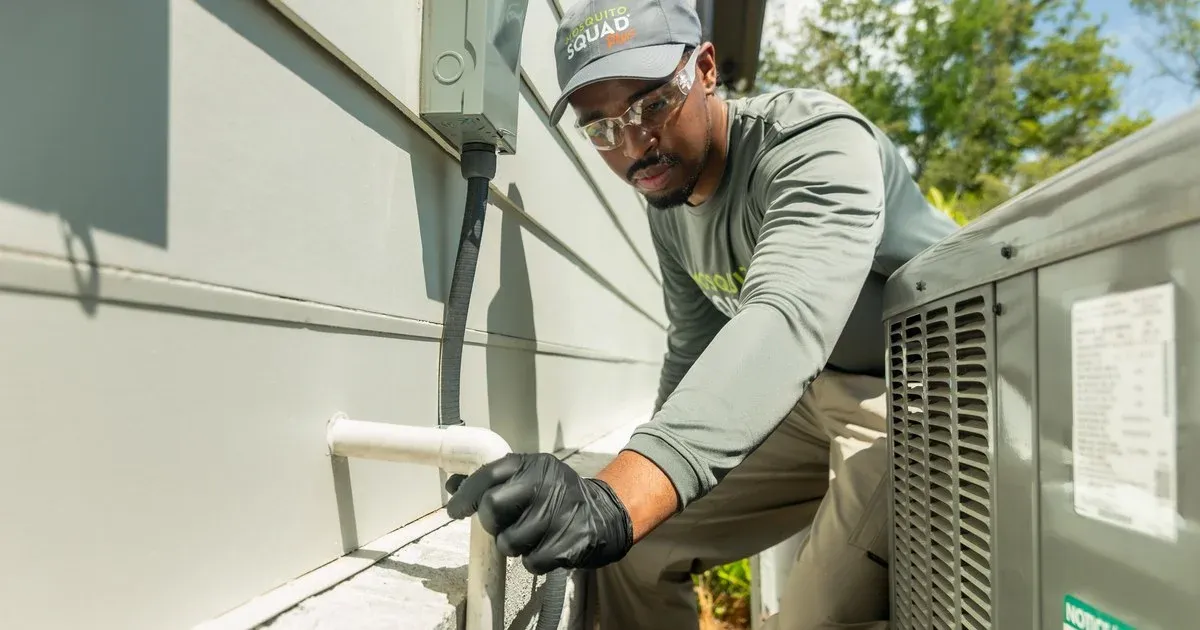
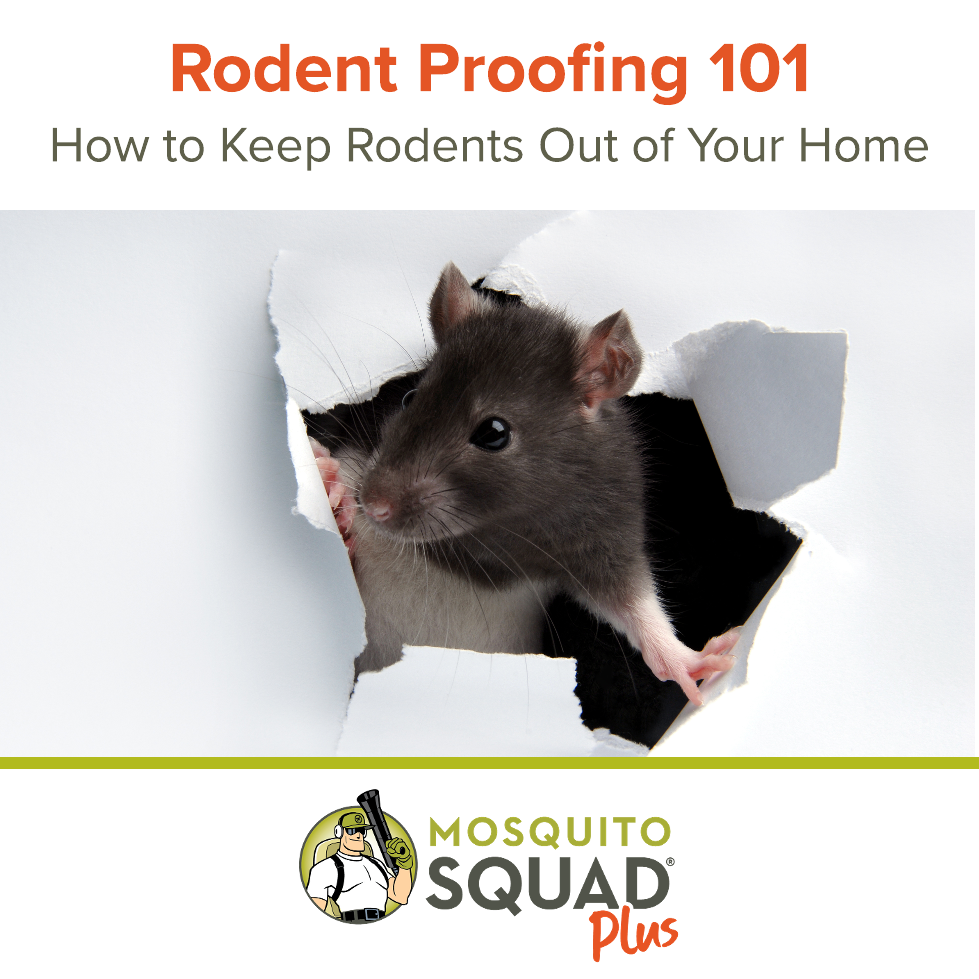
Rats end up in walls because wall voids are part of a roof rat's home. They nest and travel inside them, and they get there through gaps your house already has, where water pipes, electric wires, drain spouts and vents pass through the outside walls. Any opening wider than 1/4 inch is big enough.
The scratching usually follows a route, so finding the way in matters more than finding the rat.
The openings rats use to reach a wall
UC IPM's Pest Notes on rats gives a clear list of where to look. Seal "any openings for water pipes, electric wires, sewer pipes, drain spouts, and vents," it says, and close "all holes larger than 1/4 inch." Rats can also gnaw, climb, jump, and even swim through sewers and come up through toilets or broken drains.
Walk the outside of the house with that list in hand and you'll usually find a few candidates.
- Where the hose bib and water lines enter the wall
- Around cable, phone and electrical lines coming into the house
- Dryer vents and bathroom exhaust vents, especially with a missing or broken cover
- Foundation vents and screens that have rusted or been pushed in
- Gaps at the roofline, since roof rats climb, and UC IPM says openings above ground level must be plugged too
Rats chew through plastic, foam, wood and caulk, so UC IPM recommends steel wool, wire screen or sheet metal for the patch.
What the scratching tells you
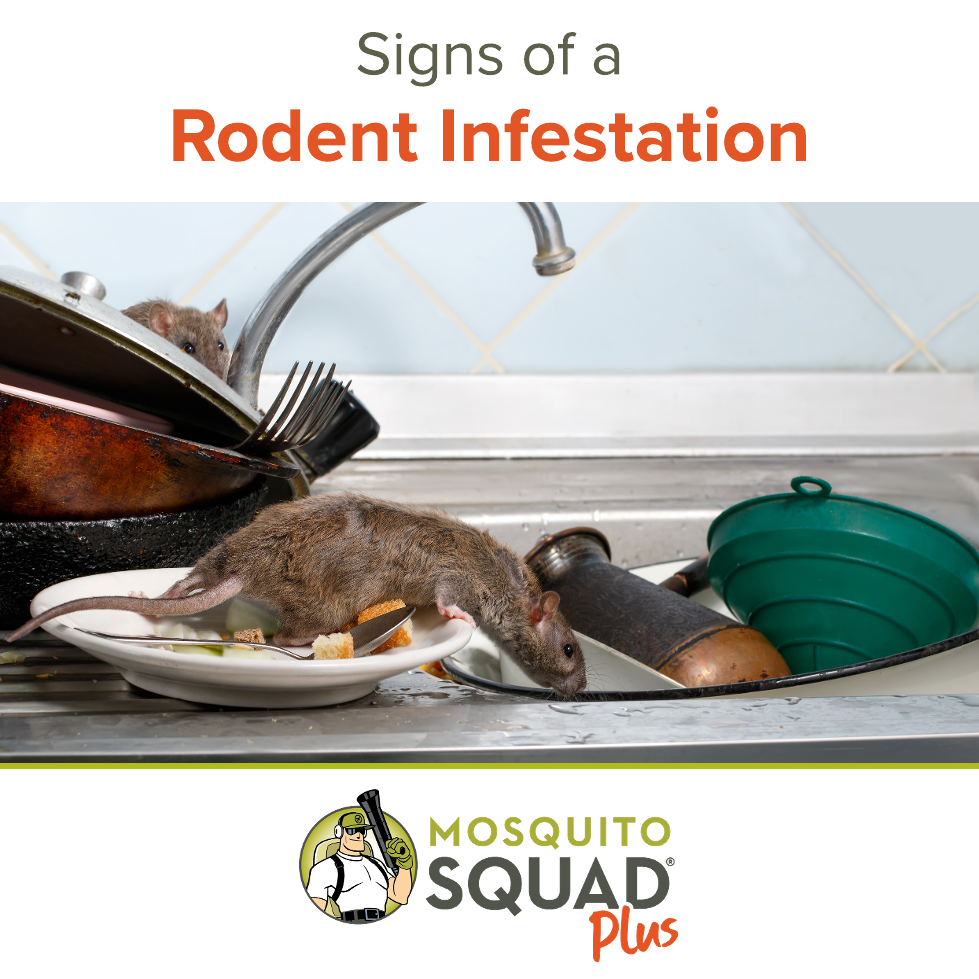
Most wall noise happens at night, because rats are mostly nocturnal, and it tends to follow the same path each evening. A steady scurry that moves along a wall or up toward the ceiling is typical of rats using the void as a highway between the nest and food outside.
Look for smudge marks too. UC IPM describes greasy rub marks along beams, rafters, pipes and walls where rats brush past again and again.
Why poison is a poor choice behind drywall
A poisoned rat doesn't die on schedule or in a convenient spot. UC IPM advises minimizing entry points before any baiting outside "to prevent poisoned rats from coming inside to die." When that happens inside a wall, you're left with the smell of a dead rodent you can't reach, the same problem UC IPM's house mouse guide warns about when poison is used indoors.
The Orange County Mosquito and Vector Control District favors wooden snap traps, which it calls acceptable, efficient and humane, and notes they "eliminate the liability of using poison bait." In California, most anticoagulant rodenticides can't be used in most areas anymore, so traps and exclusion do most of the work. If you're weighing how much the wall damage could cost, our post on the damage pests do to your home puts it in perspective.
How long do rats stay in walls?
As long as the wall keeps giving them what they need. There's no set number of days. If food, water and a way in stay available, rats keep using the space, and roof rats are known for returning to the same nest sites. UC IPM is blunt that sanitation has to be ongoing, because when it lapses, "rats will quickly return."
That's why we at Mosquito Squad of North Orange County think of the fix as a sequence rather than one step. Trap the rats that are using the wall, remove what's feeding them outside, like fallen fruit and pet food, and then seal the openings once they're out. We've written about mice control in Placentia too, and the same order applies to smaller rodents.
If you'd like help from a local, family-owned team, we offer rodent control as an add-on to our home and yard plan, quoted for your property. Give Mosquito Squad of North Orange County a call at (657) 217-2679 for a free quote.