Rats in the Attic Are a Wiring Problem Before They're a Noise Problem
Posted by Mosquito Squad Plus
November 16, 2026
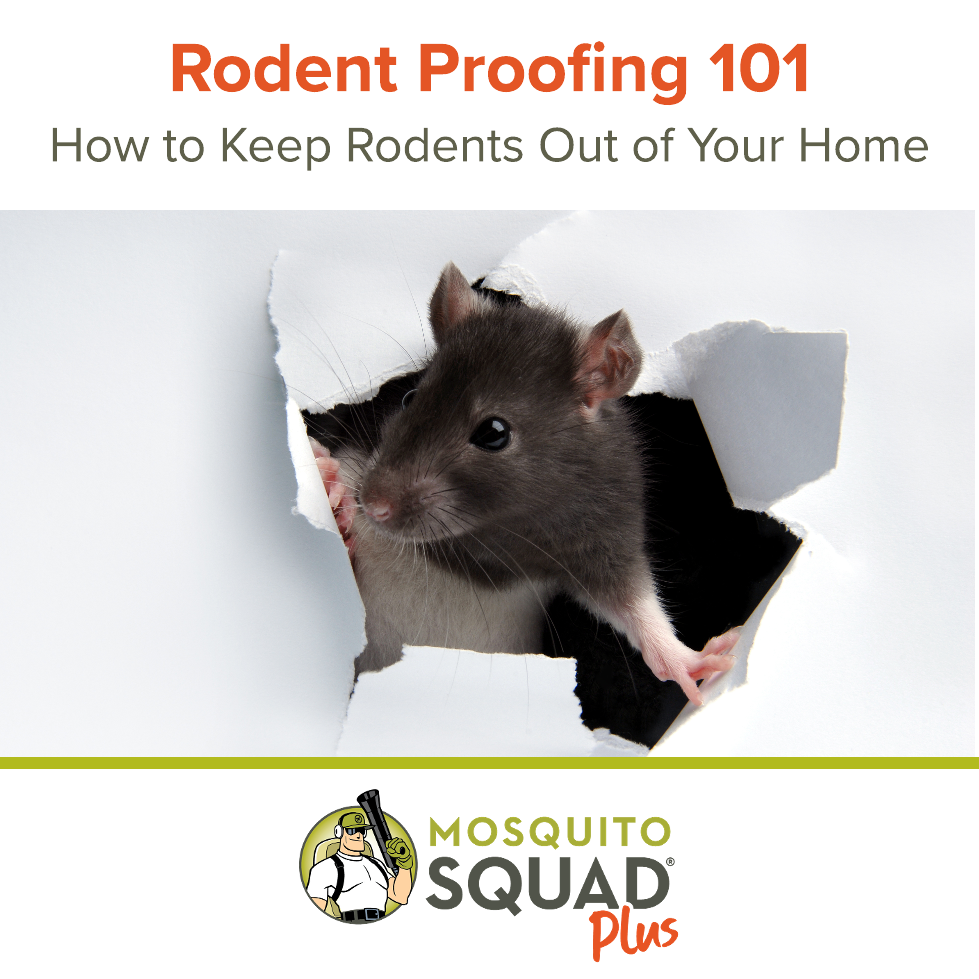
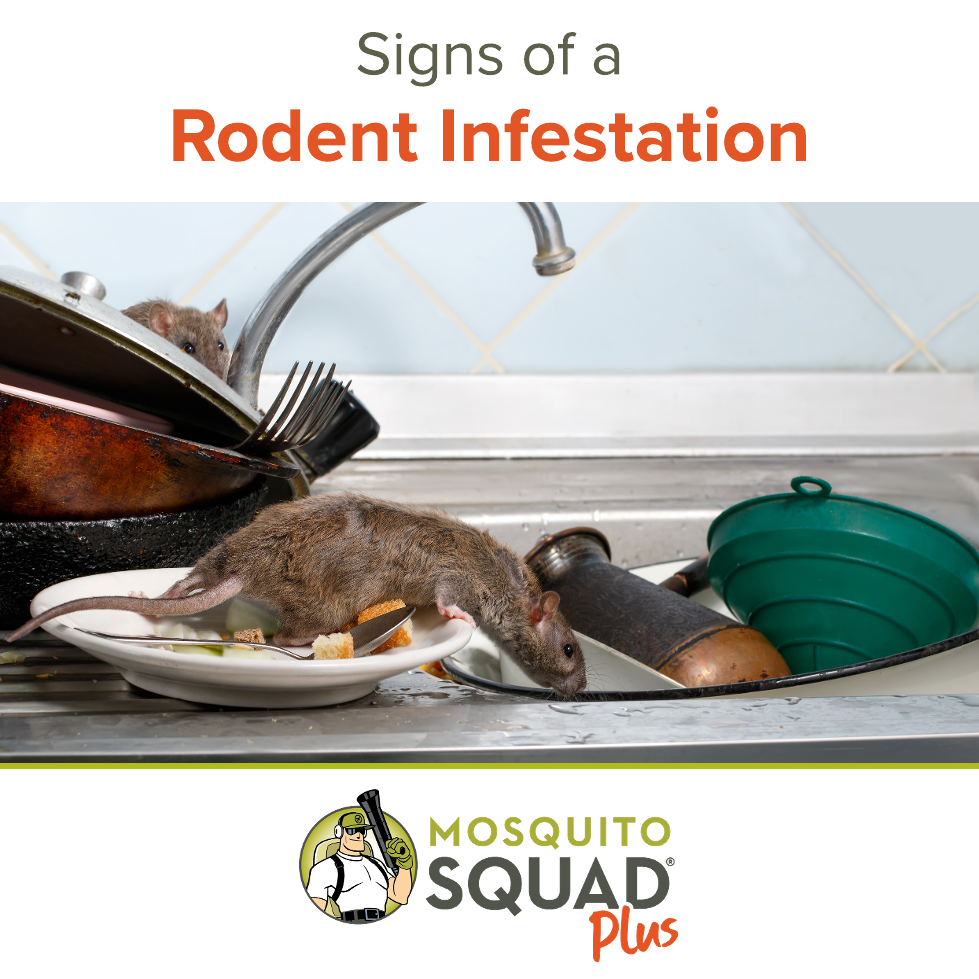
Scratching and running in the attic at night usually means roof rats. They nest in attics, wall voids and ceiling spaces and do most of their moving after dark, so the noise you hear around bedtime is often rats leaving to feed and coming back to the nest before morning.
If the sound is lighter and the droppings tiny, you may have mice instead.
What's happening up there after dark
An attic is warm, dry and quiet, which is everything a roof rat wants in a nest site. UC IPM's Pest Notes on rats describes roof rats as nesting in "enclosed and elevated spaces, such as attics, wall voids, ceiling voids, and cabinets." They're excellent climbers, so a second-story attic is no harder for them to reach than a garage.
The timing of the noise tells you a lot. Rats are mostly active at night, and they memorize their routes, so you'll often hear the same path across the ceiling at roughly the same time each evening.
Do rats leave the attic during the day?
Usually, no. They stay in the nest during daylight and leave at night to forage, which is why daytime quiet doesn't mean the attic is empty. Roof rats will travel 300 feet or more to eat, then return to the same nest.
That nest loyalty matters. UC IPM notes that roof rats have very strong nest-site affinity, and if a nest isn't removed, rats tend to come back to it. Getting rid of the rats and leaving the nest in place is half a job.
What a nest does to your insulation
Rats build nests from whatever is soft and close by, and in an attic that's your insulation. UC IPM lists "shredding insulative materials in walls and ceilings for use in their nests" among the damage rats cause. Over time you'll find tunnels and flattened patches where they've been moving and nesting, plus droppings and urine mixed into the material.
That contamination is why attic clean-up deserves care. The CDC's guidance is to ventilate, wear gloves, and soak droppings and nesting material with disinfectant rather than sweeping or vacuuming. A large or long-term nest is a bigger job than a garage corner.
Wires, gas lines and why this matters for safety
This is the part that moves attic rats from annoying to worth dealing with promptly. Rats gnaw constantly, and wiring is a common target. UC IPM says roof rats living in an attic "may cause considerable damage and present safety concerns (electrical sparks and fires)," and notes that rats may even chew on natural gas lines, creating explosion and fire hazards.
That's not a reason to panic, and scaring people isn't how we work at Mosquito Squad of North Orange County. It's a reason to act once you hear the noise, rather than waiting to see whether the rats leave on their own.
How a roof rat reaches your roofline
Roof rats rarely come in through the front door. The Orange County Mosquito and Vector Control District notes that they move about neighborhoods using utility lines and fences as runways, and UC IPM adds overhanging branches and climbing plants to the list.
- Utility lines and fence tops. Rats use them as runways from one yard to the next.
- Tree limbs. UC IPM recommends removing overhanging limbs within 6 feet of the roof, so rats can't step across.
- Ivy and climbing hedges. Algerian and English ivy, star jasmine and honeysuckle on walls and fences give roof rats a ladder and cover.
- Fruit on the tree. Roof rats eat citrus and avocados while they're still hanging, which keeps them coming back to a yard.
Closing the roofline once they're out
Exclusion is the long-term fix, and UC IPM calls it the most successful and longest-lasting strategy around homes. Because roof rats climb so well, openings above ground level have to be sealed, not just the ones you can reach. UC IPM recommends closing every hole larger than 1/4 inch and covering vents with 1/2-inch galvanized mesh. Damaged screens on roof and attic vents and under the eaves should be repaired or replaced.
Timing matters here. Seal only after the rats are out, or you'll trap them in the attic. Our fall pest prevention tips cover the rest of the house, and our guide to pest-proofing your home is a good checklist for gaps at ground level.
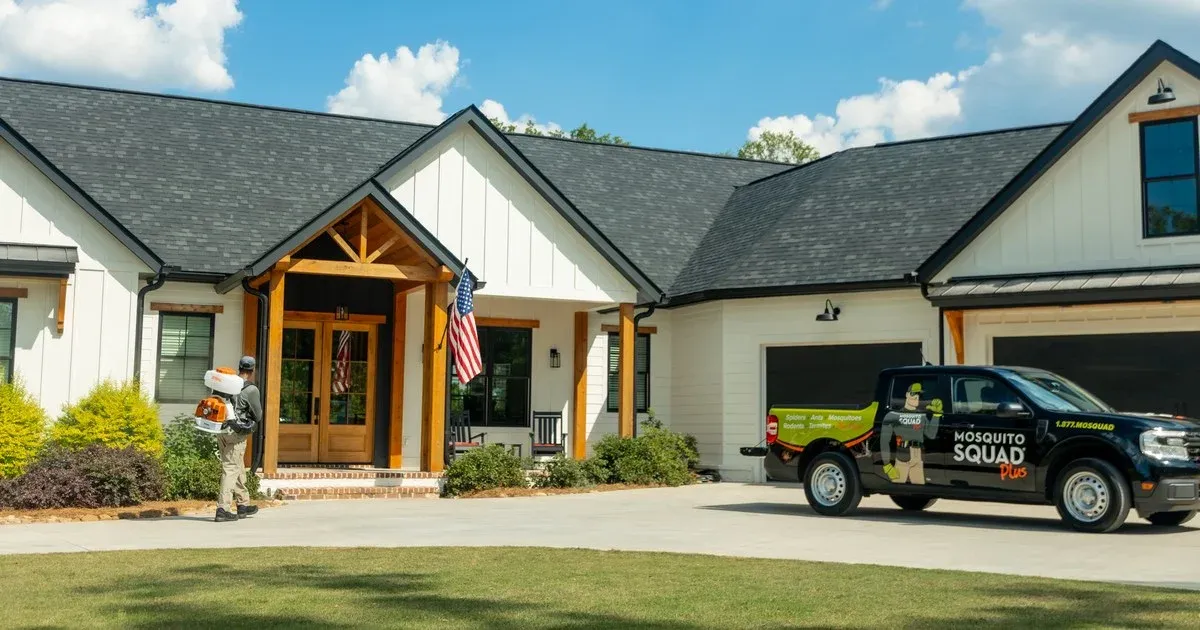
Mosquito Squad of North Orange County offers rodent control as an add-on to our Complete Home & Yard Package, quoted to your home. Call us at (657) 217-2679 for a free quote. Roof rats return to old nest sites, so the sooner you deal with them, the less there is to fix later.