Wasp Control in Meredith, NH: Why Outdoor Dining on the Lake Attracts More Wasps
Posted by Mosquito Squad Plus
August 11, 2026
Wasps (not helpful and fluffy like the honeybee) act like they have a serious attitude problem. It seems like they never stop at one sting. Aggressive, territorial, and overall terrible company, they can turn a perfect evening on the water into a stinging warzone.
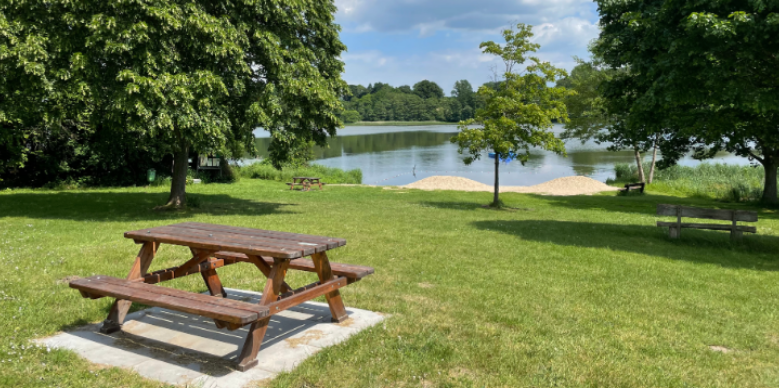
And in Meredith, you've built your whole summer around eating outside. Dinner on the deck, drinks at the dock, burgers on the grill while the sun goes down over Winnipesaukee. It’s why you live here.
Unfortunately, it's also exactly why wasps do too.
So, if it feels like they've staked their claim on your table (and just about everywhere else) this summer, here's why, and what to do about it.
Your Dinner Table Attracts Them
Wasps spend most of the season hunting insects to feed developing larvae. Then late summer arrives, the colony hits peak population, and the workers switch to hunting sugar.
That's when your deck becomes the local wasp speakeasy.
Here’s what they look for:
- Open cans, cocktails, and anything sweet left sitting out
- Sticky spills on tables, rails, and the grill
- Fruit, desserts, and uncovered serving dishes
- Sticky popsicle residue left from kids
- Trash and recycling bins near the door
- Meat on the grill (which draws them earlier in the season)
- Floral perfumes, lotions, and sunscreens
Prime Real Estate for Wasp Nests in Meredith
Wasps prefer to live where they eat. So, they aren’t traveling that far to reach the goods (i.e. where you’re enjoying dinner). Their colony is likely somewhere on your property.
In early spring, an overwintered queen emerges and starts a nest alone. It's small and unassuming, until it isn't. And her location choices follow a pattern: sheltered, enclosed, and undisturbed.
Here's where to look:
- Eaves, soffits, and the underside of porch ceilings
- Window frames, shutters, and door casings
- Sheds, garages, boathouses, and detached structures
- Playsets, swing sets, and trampolines
- Grills, patio furniture, and anything covered between weekends
- Dense shrubs and low tree branches
- Hollow fence posts, dock framing, and gaps in stone walls
And seasonal properties might get the worst of the wasps. A cottage sitting closed from October to May is like an open invitation for wasps. So, by the time you arrive, ready to enjoy a summer vacation, they’ve already been building their nest for months.
Then there's yellowjackets, which nest underground, sometimes taking over:
- An abandoned rodent burrow
- A mulch bed
- Gaps under a walkway
- Hollow tree stumps
Quiet and unassuming, they build below the surface. Then one day you're mowing the lawn or carrying a cooler down to the dock. And suddenly a swarm takes over.
Wasp, Hornet, or Yellowjacket?
While wasps, hornets, and yellowjackets are similar, there are a few distinct behavioral differences:
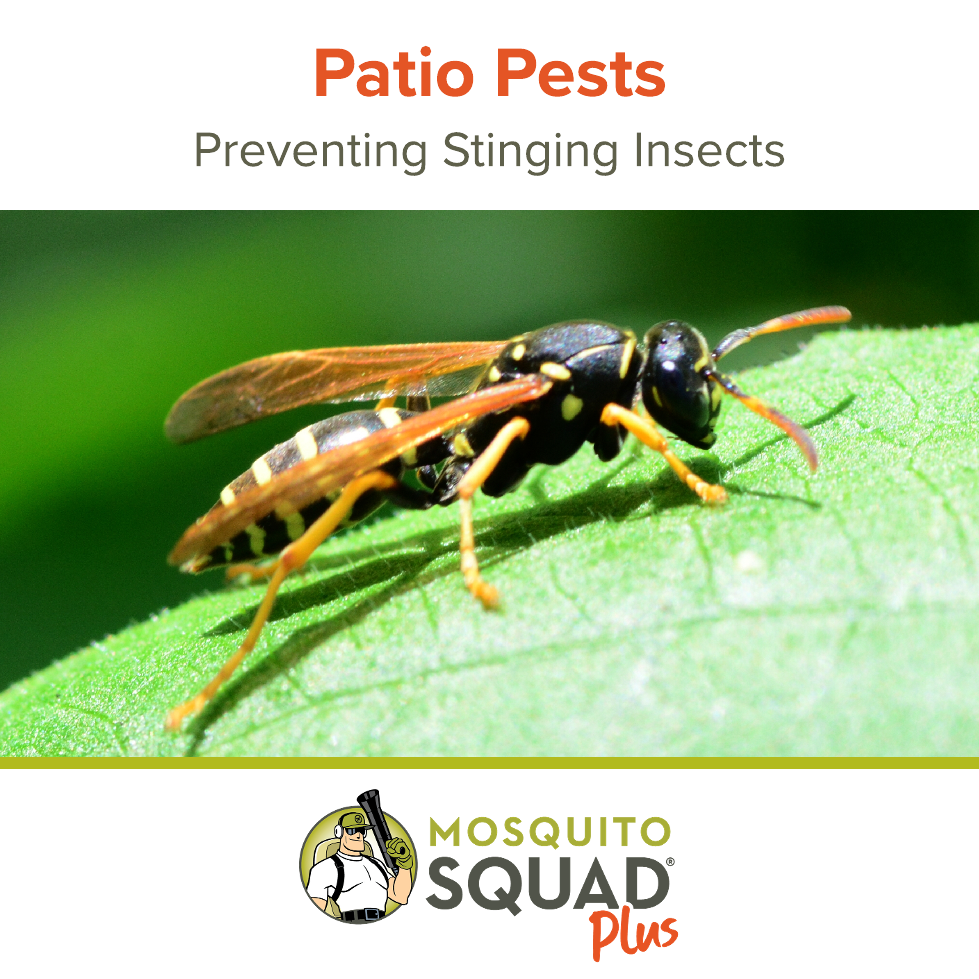
- Paper wasps - building open, umbrella-shaped nests, they typically hang under eaves and railings. The cells are visible from below. These are the least aggressive and usually only sting when you get close to their nest.
- Yellowjackets - building enclosed nests, usually underground or inside a wall void, they are the most defensive. These are the ones circling your picnic table and crawling into your soda can.
- Baldfaced hornets - building the large gray football-shaped nests you'll spot hanging in a tree or shrub. Despite the name, they're a type of yellowjacket. They defend a wide perimeter around the nest.
- European hornets - nesting in hollow trees and wall voids, these are the largest. They fiercely guard their territory, release alarm pheromones to attack in groups, and unlike the others, they fly after dark.
DIY Wasp Removal Isn’t Worth It
A can of wasp spray looks like it'll work. You see the nest, open the bottle, and spray. Done. Right?
But, it's really not that simple.
Here are a few factors that make wasp control more complicated than you'd think:
- Nests are usually bigger than the visible part - what looks like a small paper wasp nest under an eave can extend into the soffit. And as far as ground nests go, there's no way to see the size from above ground.
- Wasps sting repeatedly - unlike honeybees, they don't die after they sting you. So one disturbed colony could mean a whole swarm and many stings.
- They nest in high places - many nests are too high to reach without a ladder. Getting swarmed while holding a ladder = possible emergency room visit.
- Water access complicates it - nests in dock framing, boathouse rafters, and shoreline structures are awkward to reach and awkward to treat.
Even a nest that looks unassuming can surprise you. There's no reliable way to judge from the ground.
Professional Wasp Control For Meredith Homeowners
Mosquito Squad Plus wasp and hornet control starts with a property inspection to locate active nesting sites, including the ones tucked into soffits, wall voids, and ground burrows. From there, treatment is tailored to species and location, using EPA-registered products applied according to label guidelines.
Our trained technicians also identify the conditions drawing wasps to your property in the first place. This way, it’s less likely wasps will come back next year.
Handled as part of a broader seasonal plan, professional wasp control in Meredith helps reduce activity around the spaces you love to be during summer: the deck, dock, and the dinner table.
You shouldn't have to eat standing up in your own backyard, on guard against wasps the entire time. No one deserves that.
For more on managing seasonal pest pressure, explore our local services or browse our local blog.
Dealing with wasps or hornets in Meredith? Call Mosquito Squad Plus of New Hampshire Lakes at (603) 202-4819 or contact us online for a free quote.