Commercial Pest Control in Knoxville Runs on a Cadence, Not a Callback
Posted by Mosquito Squad Plus
July 6, 2026
A property manager asked us last spring what she was actually paying for. Her old company sent an invoice every month that said "pest service, commercial" and nothing else. She had no idea what got treated, which pests were covered, or what would happen if her tenants reported roaches in a shared trash room. That is a bad position to be in, and it is more common than it should be. Commercial pest control gets sold as a vague monthly line item when it should be a clear, specific scope you can hold a provider to.
So here is the plain version of what a commercial pest control program in Knoxville actually involves: what gets treated, which pests are covered, how it changes by the kind of building you run, and what the add-ons cost. If you are still deciding which provider to hire, the companion guide covers how to evaluate one. This piece assumes you are close to a decision and want to know exactly what you are buying.
The Core Program: Inside and Outside, on a Real Schedule
The backbone of commercial service is a recurring treatment covering both the interior and the exterior of your property. That dual coverage matters, because the pests threatening a commercial building come from both directions: the ones breeding outside and pushing in, and the ones already established indoors around food, moisture, and waste.
Our licensed applicators treat the inside and outside of the property on a recurring commercial schedule, the same rhythm behind our Knoxville service programs, and the commitment behind it is specific. The service carries a 100 percent satisfaction guarantee, and if you notice an increase in activity between treatments among the pests the program targets, you call and we send the team back out for a complimentary re-treatment at no charge. That is the part that protects you between visits, and it is why the covered-pest list below matters so much: it defines exactly what is included and what triggers a free callback.
One thing worth understanding about commercial work specifically: roughly 90 percent of the focus is indoor. Residential pest control leans heavily on the yard and the perimeter. Commercial flips that. The interior is where the health-code risk, the customer-facing complaints, and the inventory damage live, so the program is weighted toward keeping the inside clean and using the exterior treatment to stop pressure before it gets in. That indoor weighting is the single biggest difference between a commercial program and the residential service most people picture.
What Pests Are Covered
A commercial program is only as good as its defined scope, so here is what the core service targets, split the way the pests actually behave.
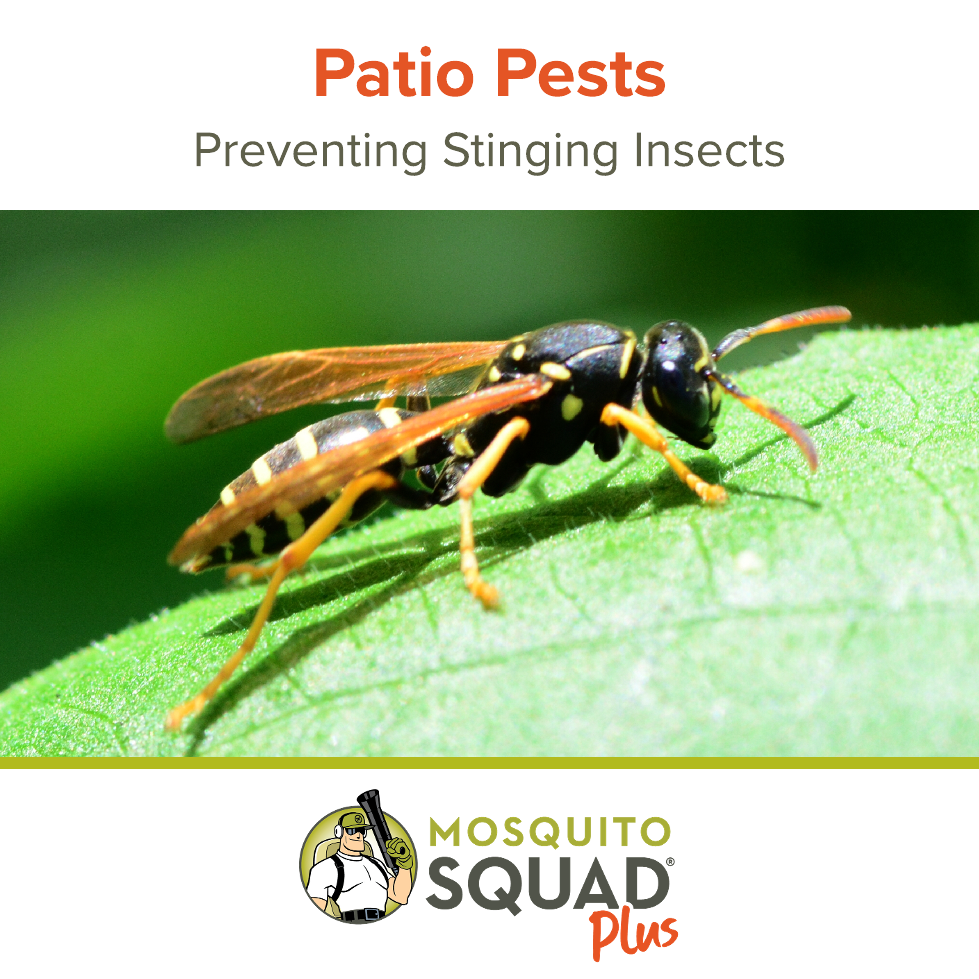
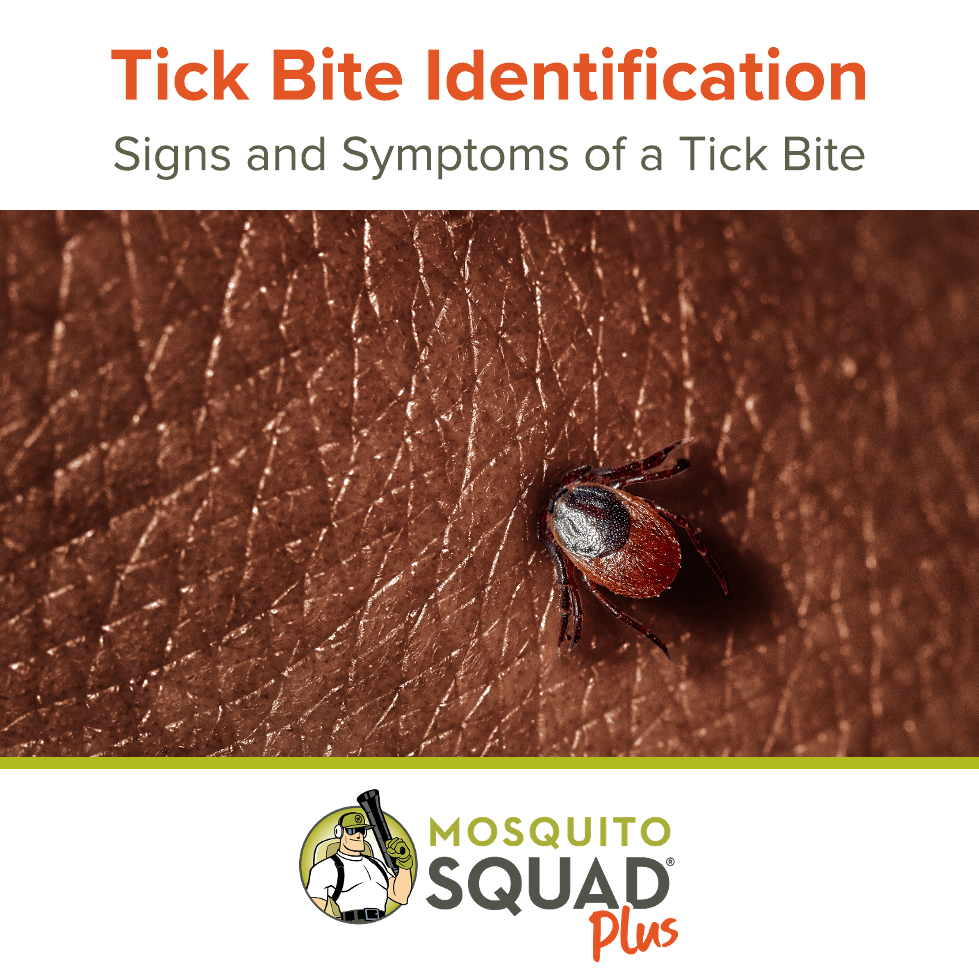
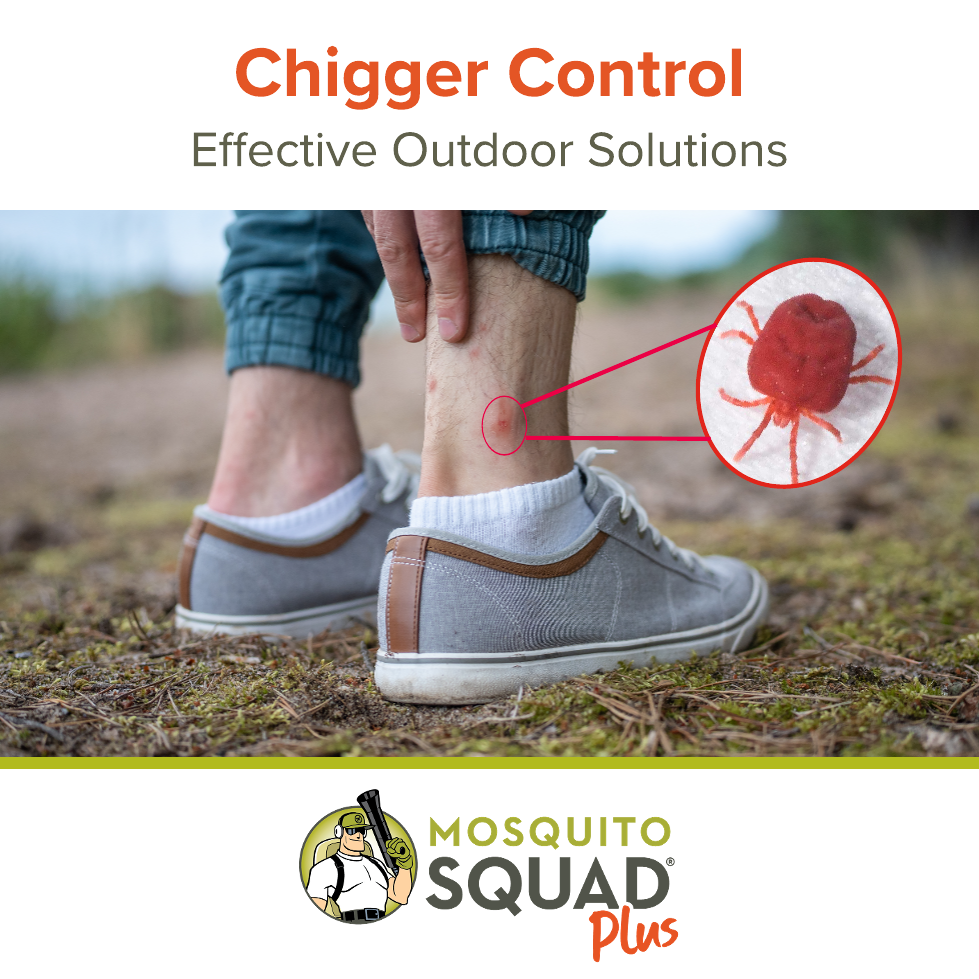
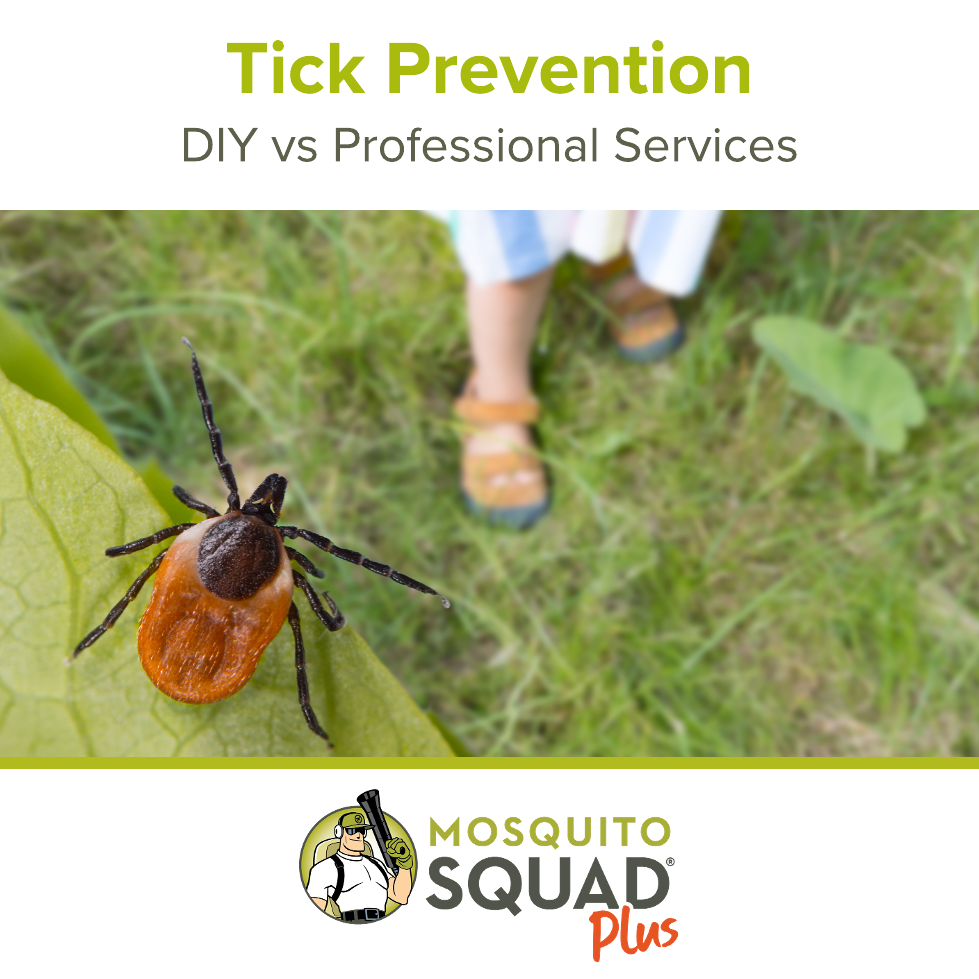
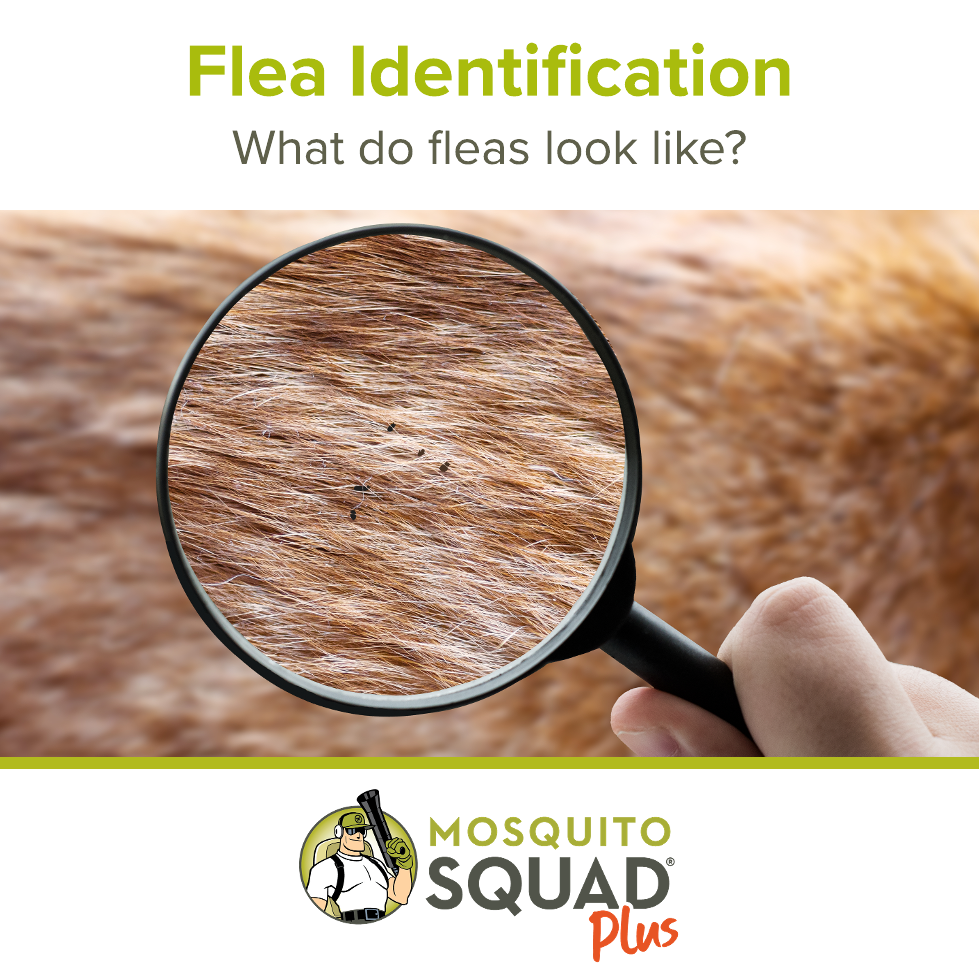
On the outside, the program covers fire ants, mosquitoes, ticks, no-see-ums, fleas, and small paper wasp nests. These are the perimeter and grounds pests, the ones that make outdoor seating, entrances, and walkways unpleasant and build pressure against the building envelope. For a property with patios, a courtyard, or any outdoor customer space, this is the layer that keeps those areas usable. Mosquitoes and ticks are not just a comfort issue either; the CDC tracks both as vectors for disease, which matters for any business inviting the public to linger outdoors.
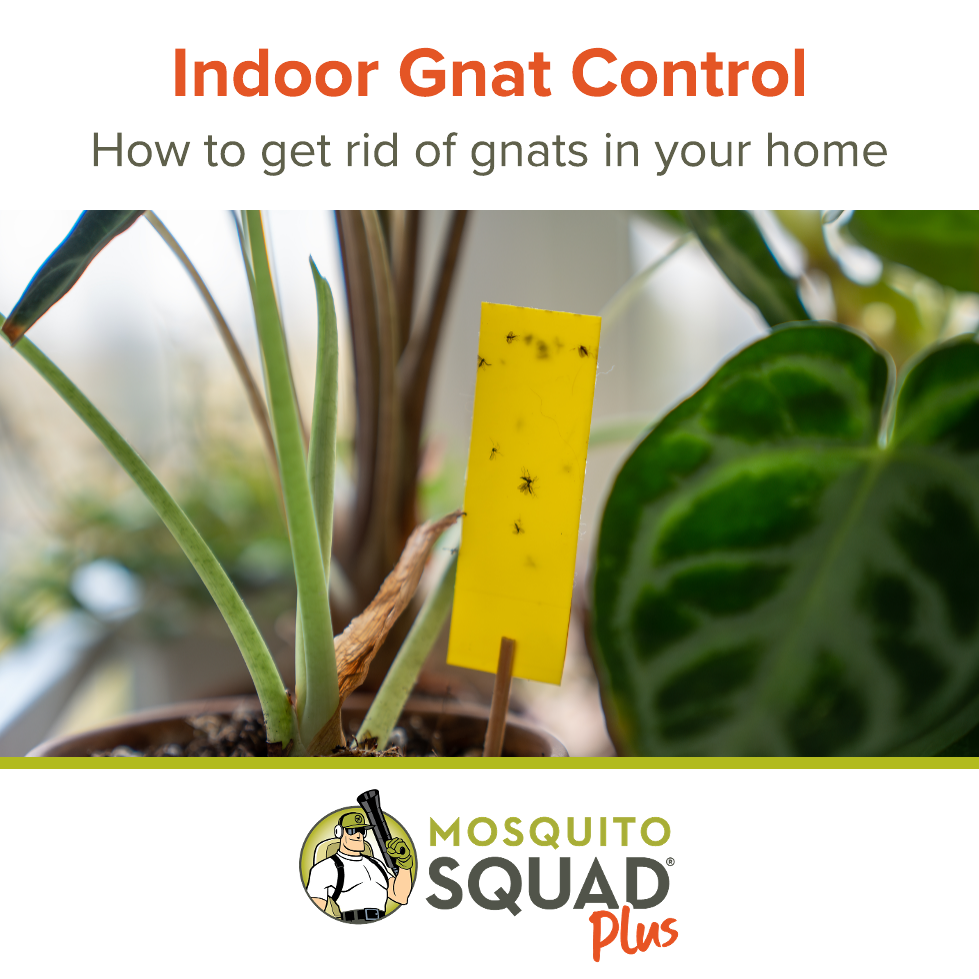
On the inside, the program covers ants, spiders, roaches, and gnats. These are the indoor invaders that cluster around kitchens, break rooms, restrooms, storage, and trash areas. Roaches and gnats in particular generate health-code exposure and customer complaints in food service, which is why indoor coverage is the heart of a commercial program. The University of Tennessee Extension notes that German cockroaches are the cockroach species most associated with commercial kitchens specifically, and they spread fast once established, which is why a defined, recurring indoor program beats reacting to sightings one at a time. National pest-management standards published through Food Safety Magazine note that flies alone can transfer more than 100 pathogens, which is why food-facility programs are built around prevention rather than reaction.
Anything outside that defined list is handled case by case for an additional fee, which is a fair way to run it: you are not paying for coverage you do not need, and unusual problems get scoped and priced specifically rather than buried in a vague monthly rate. For the deeper biology on any single pest, our Knoxville rodent control page, the Knoxville pest control overview, and the full pest library go further than a commercial overview can.
How It Changes by the Kind of Building You Run
This is where a real commercial program stops being one-size-fits-all. The same covered-pest list plays out completely differently depending on the facility, and a provider who knows Knoxville commercial work, from downtown out to East Knoxville, treats each type for what actually goes wrong in it.
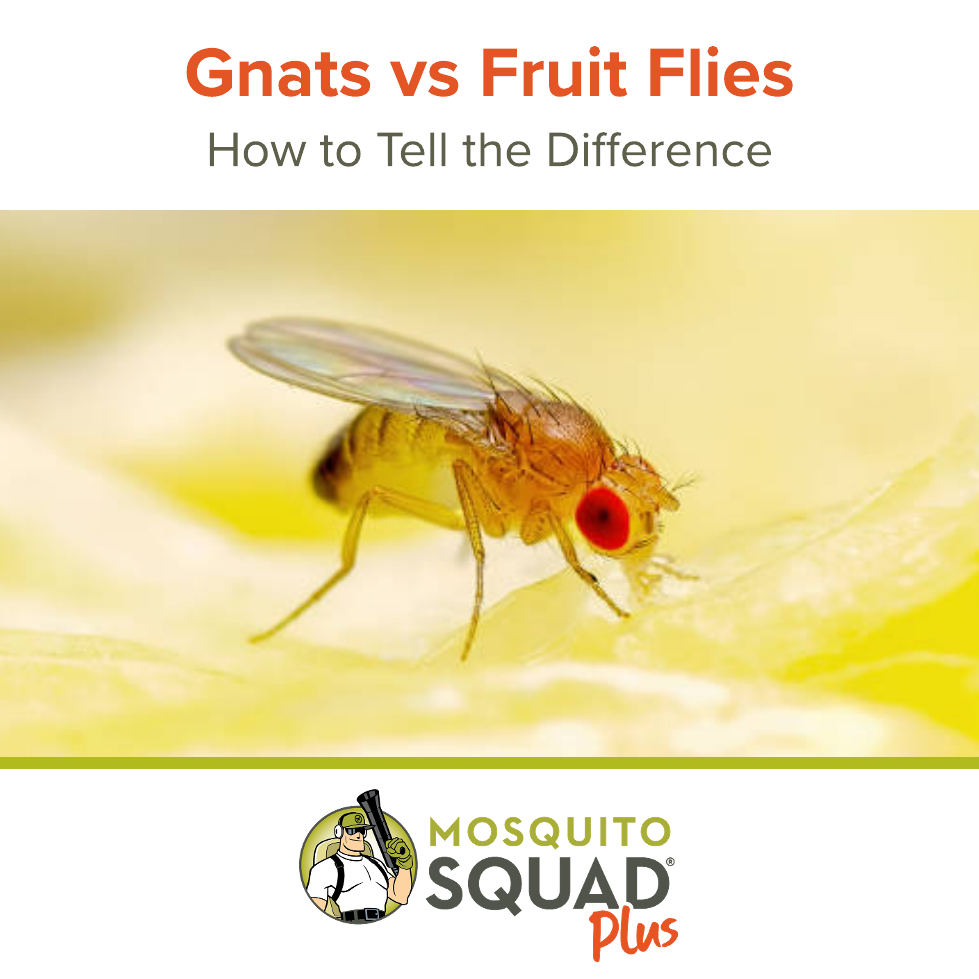
Restaurants are almost always a fly and gnat problem first. Doors open to the kitchen and the dish pit, organic buildup in drains, and the constant cycle of food prep and waste make flies and fruit gnats the number one commercial complaint we get. Because the CDC links flies and cockroaches to foodborne pathogens, the indoor coverage and the fly management here are not cosmetic, they are health-code protection. The FDA Food Code, which most state and local health departments enforce, requires restaurants to keep pests out of food areas, and inspectors cite fly and roach activity as violations. Drain treatment and fly trapping usually do more in a restaurant than baseboard spraying ever will.
Warehouses are a rodent and spider story, with flies depending on what is stored and how the docks run. The defining feature of a warehouse is that the doors stay open much of the day, which is an open invitation to rodents looking for shelter and food and to the spiders that follow other insects inside. The University of Kentucky Entomology department notes that rodent exclusion, sealing the gaps and entry points, matters as much as trapping in a building that large, because you cannot trap your way out of a door that is open eight hours a day. The National Pest Management Association makes the same point for commercial facilities generally: prevention and exclusion limit how many pests get in before any treatment happens. Stored product and loading-dock activity shape the specifics, but rodent pressure and exclusion are the center of gravity for most Knoxville warehouse accounts.
HOAs and managed residential communities are treated differently from the indoor-heavy commercial model, and this surprises people. An HOA typically gets our Home Shield approach focused on the exterior, the common areas, the grounds, mosquitoes and chiggers and the outdoor nuisance pests, with interior work available if a specific unit or shared space needs it. The primary job is keeping shared outdoor spaces comfortable, which is closer to a residential model applied at community scale than to a restaurant or warehouse program.
Venues, including the larger event and wedding properties we service in the region, are mostly a grass story, and this is the one most people get wrong. The biggest single thing on a venue property is treating the grass, because the biting gnats and mosquitoes that ruin an outdoor event live in the turf. We treat all the porches, gazebos, and pergolas, but the grass is the main event. On a larger property we typically recommend the Yard Defender approach to make sure the turf itself is covered, and we add an insect growth regulator, an IGR, to the grass to interrupt the breeding cycle rather than just knocking down the adults. For a property whose whole business is hosting people outdoors, the lawn is effectively the product.
The point across all four is the same: the covered-pest list is fixed, but the emphasis is not. A good commercial provider walks your specific building and weights the program toward what your facility type actually generates.
The Add-Ons, With Real Numbers
One of the clearest signs of a straightforward commercial provider is transparent pricing on the extras. The core program is quoted per property, because square footage, facility type, and pest pressure vary too much for a single flat number to be honest. But the common add-on units have set prices, and here they are plainly.
Indoor ready-to-use trap units run $20 per trap, with baiting included. Exterior EVO rodent stations run $60 per trap. Fly traps run $36 per trap and are changed every service with baiting included, which is what keeps a restaurant's fly program actually working over time rather than degrading between visits. An existing bait station that needs re-baiting runs $10. Beyond those, anything outside the standard covered-pest scope is quoted case by case so you are paying for your actual situation rather than a padded rate.
That combination, a per-property quote on the core program plus published per-unit pricing on the add-ons, is how commercial pricing should work. You get a number built around your building and clear costs on the pieces that scale with it.
Getting Started
A commercial program starts with someone actually walking your property. The right scope for a downtown restaurant is not the right scope for a West Knoxville warehouse or a Maryville wedding venue out toward the foothills, and the only way to build it correctly is to see the building, the pest pressure, and the way the space is used. From there you get a per-property quote on the core monthly program, clear per-unit pricing on any traps or stations your facility needs, and a covered-pest list you can hold us to.
Mosquito Squad of Knoxville is veteran-owned and has serviced this region since 2019, including restaurants, managed communities, and event venues across the area. If you want to know what the right program looks like for your specific building, call (865) 413-7732 or request a free commercial quote. And if you are still comparing providers, the companion guide on choosing a provider, from service cadence to Tennessee licensing, is the piece to read first.