Mosquito Traps, Buckets, or Professional Treatment: What Actually Helps in Utah?
Posted by Mosquito Squad Plus
July 27, 2026
If you live in Salt Lake City, Draper, Sandy, West Jordan, Utah County, or anywhere along the Wasatch Front, you’ve probably had this moment: the lawn looks great, the patio is ready, the sprinklers are running, and then the mosquitoes show up like they were personally invited.
It can be especially frustrating in July when irrigation cycles are steady; evenings stay warm, and shaded areas around fences, shrubs, decks, and patios hold just enough moisture to keep mosquito activity going. That is usually when homeowners start asking the same question:
Do mosquito traps work? What about mosquito buckets? What about the bug zapper hanging by the patio? Or do I need professional treatment?
The honest answer is that each option works differently, and some are much more useful than others. Mosquito traps may catch some adult mosquitoes, depending on the type and placement. Bug zappers mostly target the wrong insects. Mosquito buckets can help target larvae, but only after adult female mosquitoes have already taken a blood meal and reached the egg-laying part of the cycle.
Professional mosquito treatment is designed to address the bigger picture around your property, including where mosquitoes rest, where they may be developing, and why activity keeps coming back.
In Utah, the best answer usually is not one single tool. It is understanding what is driving the mosquito pressure around your home.
Why Mosquitoes Are So Persistent Around Utah Homes
Mosquitoes do not appear out of nowhere. They need water during the early part of their life cycle, and Utah homes often provide more water than homeowners realize.
That can feel confusing because northern Utah is dry. We have hot summers, low humidity, and plenty of stretches where everything looks baked by the sun. But around homes, the story changes. Irrigation systems, lawn watering schedules, retention areas, flowerpot saucers, clogged drains, low spots in landscaping, kiddie pools, birdbaths, and shaded patio edges can all hold enough water to support mosquito development.
In practical yard terms, even a tablespoon of standing water can be enough to matter.
That is why mosquito problems can build in places homeowners barely notice. A bottle cap, a toy left outside, the lip of a trash can lid, a saucer under a planter, or a low spot near the patio can hold water long enough to become part of the problem. It does not always take a pond, creek, or large puddle.
That is why one yard in Sandy may feel completely different from a yard a few streets over. One home may back up to open land, a trail system, a drainage corridor, or the Jordan River corridor. Another may sit near thick landscaping, mature trees, or a neighbor’s overwatered lawn. In Utah County, areas near Utah Lake can experience mosquito pressure tied to wetlands, irrigation channels, and shallow water areas that warm quickly in spring and summer.
This is also why mosquito control in Salt Lake City needs to be local. A generic approach does not account for Wasatch Front microclimates, neighborhood irrigation habits, foothill properties, valley heat, or water movement from snowmelt into lower areas.
Do Mosquito Traps and Bug Zappers Actually Work?
This is where it helps to separate real mosquito traps from bug zappers.
Some mosquito traps are designed to attract adult mosquitoes using carbon dioxide, scent lures, heat, moisture, or other signals mosquitoes use when searching for a host. Depending on the device, placement, maintenance, and mosquito species, those traps may catch some adult mosquitoes.
But they still should not be treated as a full mosquito control plan by themselves.
A trap only affects the mosquitoes that enter it. It does not automatically address breeding areas, shaded resting spots, or outside pressure coming from nearby properties, parks, wetlands, irrigation channels, or drainage areas.
Bug zappers are a different story.
Bug zappers may feel satisfying because you hear the zap and see insects dropping. The problem is that sound does not mean you are making a meaningful dent in the mosquitoes that are biting you. Research on backyard zappers has shown that only a tiny percentage of the insects caught are biting female mosquitoes. Most of what they catch is not the target homeowners actually care about.
That matters because female mosquitoes are the ones that bite. Male mosquitoes do not take blood meals. So, if a device is mostly catching moths, beetles, midges, or other non-target insects, and only a tiny number of biting female mosquitoes, it may look busy without doing much for the mosquito pressure around your patio.
Homeowners often believe a trap or zapper should solve the whole problem because it feels direct. If mosquitoes are flying around the patio, catching or zapping them sounds like the obvious answer. But mosquito activity around a Utah home is usually fed by multiple conditions at once. Adult mosquitoes are resting in shaded vegetation during the heat of the day, while new mosquitoes are developing in small pockets of standing water nearby.
That means a well-designed mosquito trap may help in certain situations, but it is still only a support tool. A bug zapper is usually even less useful for mosquito control because it is not focused on the biting females driving the problem.
Neither one replaces finding the water, resting zones, and property conditions that keep mosquitoes coming back.
What About Mosquito Buckets?
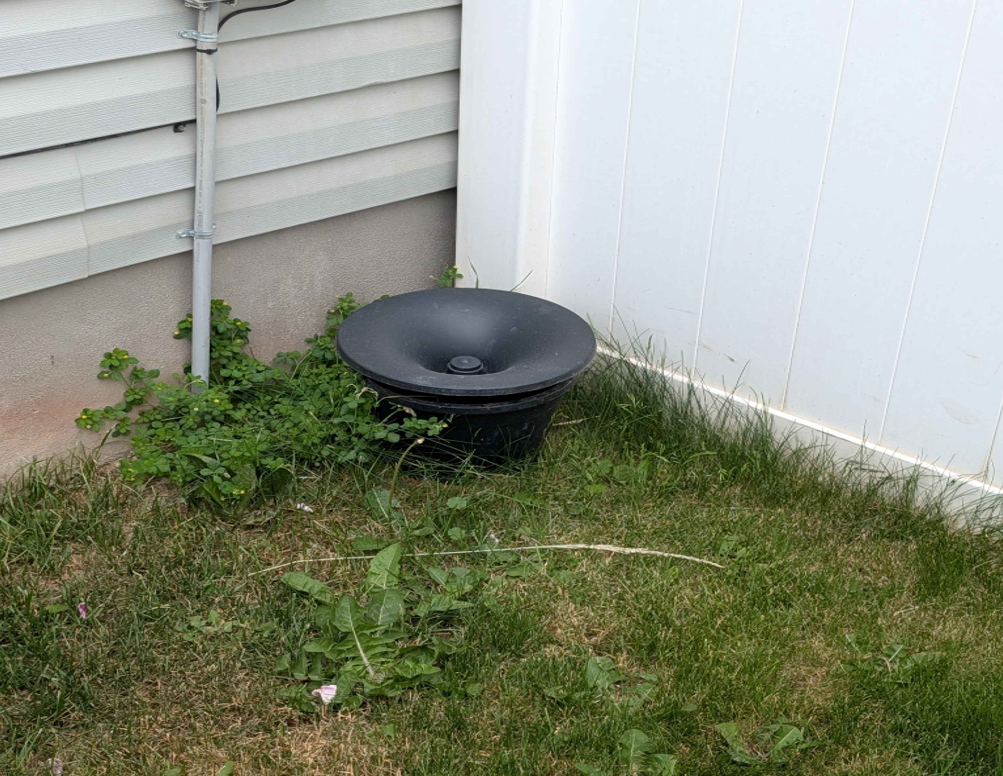
Mosquito buckets, sometimes called DIY mosquito dunk buckets, are built around a different idea. Instead of trying to catch adult mosquitoes before they bite, the goal is to attract egg-laying mosquitoes to water that has been treated with a larvicide product labeled for mosquito larvae.
That distinction matters.
Female mosquitoes need a blood meal to produce eggs. So, when a mosquito bucket is attracting a female mosquito that is ready to lay eggs, that mosquito has already taken a blood meal from a person or animal.
That is the main limitation homeowners need to understand. A mosquito bucket may help interrupt future mosquito development by targeting larvae, but it does not stop the bite that already happened. It is working after the blood meal, not before it.
That matters because the bite is the part of mosquito activity that creates the most concern. Mosquitoes are not just frustrating because they fly around the patio. The bigger issue is that female mosquitoes bite people and animals for a blood meal, and that biting behavior is how mosquito-borne disease can spread.
So yes, mosquito buckets can play a role. But they are not a complete mosquito control plan. They do not address adult mosquitoes already resting in shaded areas. They do not reduce the mosquito pressure you are feeling on the patio tonight. They do not inspect the property for the water sources, resting zones, and neighborhood pressure that may be keeping activity alive.
A mosquito bucket only helps if mosquitoes actually use it. It also needs to be maintained according to the product label. If the bucket dries out, gets dumped, becomes diluted, or is not treated correctly, it may stop helping. Worse, if water is left sitting without proper larvicide coverage, it can become the exact kind of mosquito source you were trying to prevent.
In Utah, buckets may be helpful as one piece of a bigger strategy in yards with recurring water pressure, heavy irrigation, shaded corners, or nearby mosquito sources. They are not a replacement for inspecting the property, reducing standing water, treating resting areas, and staying ahead of seasonal pressure.
Are In2Care-Style Stations Different From DIY Buckets?
Yes. Professional mosquito stations and DIY buckets are not the same thing.
Some professional mosquito station systems are designed to attract egg-laying mosquitoes and use mosquito behavior to spread treatment to other breeding sites. That is different from a simple bucket with water and a larvicide product. These systems are built with specific active ingredients, placement guidelines, maintenance schedules, and service protocols.
But the same biological reality still matters: egg-laying comes after a blood meal. Any tool focused on egg-laying mosquitoes is targeting the mosquito after she has already bitten a person or animal.
That does not mean those systems have no value. It means they need to be understood correctly. They are not bite prevention by themselves. They are life-cycle tools that can help reduce future mosquito development when used as part of a broader plan.
The bigger point is this: tools matter, but setup matters more.
A mosquito station placed in the wrong area may not do much. A bucket that is not maintained can become a problem. A bug zapper may take out plenty of insects without focusing on the mosquitoes that matter most. A retail trap placed too close to where people gather may pull activity toward the space you are trying to enjoy.
Mosquitoes respond to shade, moisture, carbon dioxide, organic material, vegetation, and water. Professional placement is about understanding those patterns around a real yard, not just putting a product outside and hoping it does the job.
Why Do I Still Have Mosquitoes After Spraying?
This is one of the most common and most important mosquito questions homeowners ask.
You may still see mosquitoes after treatment because mosquito pressure does not come from only one source. A treatment can address mosquitoes resting in key areas around your yard, but new mosquitoes may continue emerging from standing water, flying in from nearby properties, or moving in from larger habitat areas nearby.
That is especially true in Utah neighborhoods nearby:
- irrigation corridors
- retention ponds
- Utah Lake
- the Jordan River corridor
- wetlands or low-lying areas
- open land edges
- trail systems
- heavily watered landscapes
- mature trees and dense shrubs
Mosquitoes also behave differently depending on the weather. Hot, dry afternoons can push them into shaded, protected areas. Warm evenings can bring them back out when homeowners are finally trying to enjoy the yard. After watering cycles or summer storms, small pockets of standing water can restart activity quickly.
And remember, that water source does not need to be big. A tablespoon of water in the wrong spot can still matter if it sits long enough.
So, when a homeowner asks, “Why do I still have mosquitoes after spraying?” The real answer is usually not that nothing worked. It is that mosquito control must account for the full cycle: Life cycle of mosquitoes, biting pressure, breeding sites, resting zones, neighborhood pressure, water sources, and timing.
That is why one visit is different from a plan.
What Professional Mosquito Treatment Does Differently
Professional mosquito treatment is not just about applying products. The real value is in knowing where mosquitoes are coming from, where they are resting, and what conditions are keeping them active.
For Mosquito Squad Plus of Greater Salt Lake, a strong mosquito control plan looks at the property the way mosquitoes use it. That includes shaded vegetation, fence lines, under decks, damp corners, thick shrubs, lawn edges, and areas where water may sit longer than homeowners realize.
Professional service also helps because mosquito activity changes throughout the season. Early in the year, snowmelt and warming temperatures can start the cycle. By late spring and summer, irrigation and heat accelerate activity. Later in the season, warm evenings and established breeding areas can keep pressure going even when homeowners expect mosquitoes to slow down.
That seasonal rhythm matters across the Salt Lake Valley. A home in Draper near foothill trails may have different pressure than a West Jordan property near irrigation channels or a Utah County home near Utah Lake. Davis County properties can also see activity tied to wetlands, mature landscaping, and neighborhood water sources.
This is where local experience matters. Mosquito control near Utah Lake is not the same as mosquito control in a dry, exposed foothill yard. A shaded Sandy backyard with dense landscaping is not the same as a newer subdivision in West Jordan. The treatment plan should make sense for the property, not just the zip code.
So What Actually Helps Most?
The most effective approach is usually a layered one.
Start with source reduction. Empty standing water where you can. Check buckets, toys, saucers, drains, low spots, birdbaths, tarps, trash can lids, outdoor furniture, and anything that holds water after irrigation or rain.
Small water sources are easy to overlook, but they are a big part of the story. Around Utah homes, mosquito pressure often builds from the little things: a sprinkler pattern that hits the same shaded corner, a planter saucer that never fully dries, a toy left under the deck, or a drain that holds just enough water between watering cycles.
Use mosquito buckets or larvicide tools carefully if there is water that cannot be dumped or managed another way. Always follow the label and keep up with maintenance. Just understand what they are doing. Buckets are focused on larvae and future mosquito development after female mosquitoes have already taken a blood meal and moved into the egg-laying stage.
Be careful with traps and zappers. A true mosquito trap may catch some adults when placed and maintained correctly, but it should not be expected to solve the entire issue on its own. A bug zapper may look active while catching very few biting female mosquitoes.
Use professional treatment when mosquito activity is recurring, when the yard has multiple pressure points, or when you want a more complete plan for the season.
In simple terms, buckets help with larvae after the blood meal has already happened. Traps may catch some adults. Bug zappers mostly catch the wrong insects. Professional treatment helps connect the dots between mosquito behavior, biting pressure, property conditions, seasonal timing, resting areas, and ongoing sources around the yard.
That is the difference between chasing mosquitoes and managing the yard conditions that keep bringing them back.
Where Natural Treatment Fits In
Many homeowners looking for natural mosquito treatment are not always asking for the same thing. Some are thinking of essential oils. Some are thinking of plant-based products. Some are trying to avoid traditional synthetic treatments. Others are looking for something that feels lighter around the yard, landscaping, patios, water features, or the places their family spends the most time.
That is why “natural” needs more explanation than a simple yes or no. A product may be natural, but it still needs to address the right part of the mosquito problem. If adult mosquitoes are resting in shaded vegetation, the treatment needs to reach those resting areas. If mosquitoes are developing in standing water, that requires a different approach. If the pressure is coming from irrigation, nearby open land, or neighborhood water sources, one product by itself may not be enough to keep up.
Natural treatment fits best when it is used as part of a plan that matches what is actually happening around the home. The goal is not just to choose something because it sounds natural. The goal is to understand what the product does, what it does not do, and whether it is the right fit for the mosquito activity around your yard.
At Mosquito Squad Plus, our focus is not just whether a treatment is natural or traditional. It is whether the treatment addresses the source of the activity and gives the yard the right level of support for real mosquito pressure.
How This Connects to Plus Pest Control
Mosquitoes are usually the first outdoor pest homeowners notice because they are the pest that interrupts the moment. You step outside, sit on the patio, water the garden, watch the kids play, or try to enjoy dinner outside, and mosquitoes make themselves known fast.
But they are rarely the only pest responding to what is happening around the home.
The same conditions that create mosquito pressure can also create pressure from other insects and creepy crawlers. Irrigation, shaded foundation edges, damp mulch, overgrown vegetation, standing water, warm siding, porch lights, and small gaps around the home can all influence what pests show up and where they settle in.
That is where the Plus side of Mosquito Squad Plus matters.
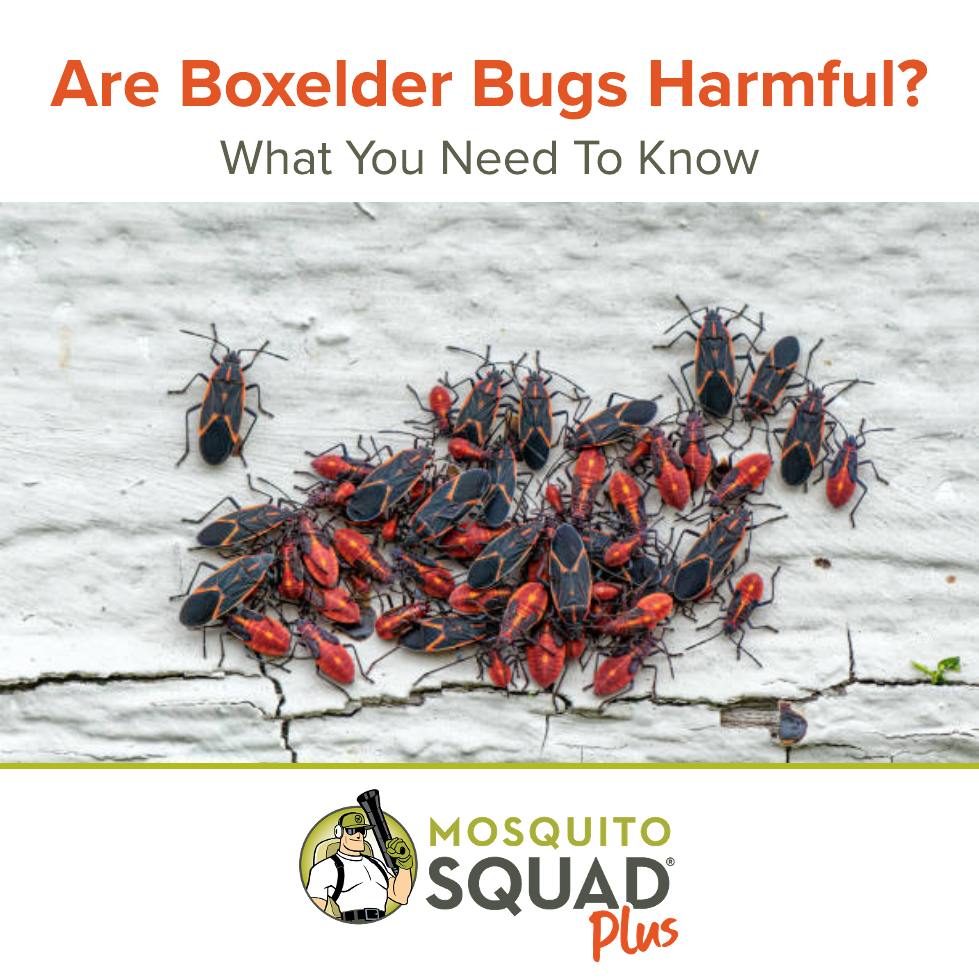
The Plus is not just the extra mile we go for customers. It also means we are mosquito control experts plus pest control experts. Whether spiders are making your crawl space their home, wasps are moving into your eaves, earwigs are gathering under patio furniture, ants are trailing in from watered landscaping, or boxelder bugs are collecting on the sunny side of the house, the goal is not to just show up and spray something.
The goal is to understand what is happening around your home and build the right treatment plan for the pest pressure you are actually dealing with.
That matters because every pest behaves differently. Mosquitoes rest in shaded vegetation and develop around water. Spiders follow food sources and shelter. Wasps build where they can protect the nest. Ants trail from established colonies and follow moisture and food. Earwigs look for damp, protected spaces. Boxelder bugs gather when seasonal changes push them toward warmth and shelter.
A good treatment plan should reflect those differences.
At Mosquito Squad Plus, we look at the conditions, the timing, the structure, and the way pests are moving through the property. We are not product sprayers. We are home protectors. That means helping homeowners understand why the activity is happening, what treatment makes the most sense, and how to protect the spaces around the home they actually use.
When Should You Call for Help?
It may be time to call if you are seeing mosquitoes every time you step outside, if activity comes back quickly after DIY efforts, or if you cannot figure out where they are coming from.
You should also get help if your yard has multiple mosquito-friendly conditions, such as dense shade, heavy irrigation, drainage issues, nearby open land, or standing water that cannot be easily removed.
A local mosquito expert can look at the property and help answer the question homeowners care about: what is driving the activity here?
That answer is usually more useful than buying another trap, hanging another zapper, or setting out another bucket without knowing whether it fits the problem.
Ready to Figure Out What’s Driving the Mosquito Activity?
If you are tired of guessing whether you need a trap, a bucket, a zapper, or a full treatment plan, we can help you get to the bottom of it.
Mosquito Squad Plus of Greater Salt Lake understands how mosquitoes behave across Salt Lake City, Draper, Sandy, West Jordan, Utah County, Davis County, and the Wasatch Front. We can look at what is happening around your home, explain what is likely driving the activity, and help you choose the right next step.
Ready to enjoy more time outside? Let’s chat.