Can I Mow My Lawn After Mosquito Treatment? Plus Lawn Care Tips for Keeping Mosquitoes Out in Utah
Posted by Mosquito Squad Plus
May 21, 2025
Short Answer: Yes, Just Let It Dry First
We get this question all the time:
“Can I mow after mosquito treatment?”
Yes, you can.
Our treatments need about 30 minutes to fully dry under normal conditions. Once dry, the application has had time to settle onto the surfaces where mosquitoes rest, like shrubs, shaded plants, fence lines, lawn edges, and other vegetation around the yard.
Normal mowing after the treatment has dried should not reduce how well it works. There is no need to avoid your lawn for days. Once it is dry, you are good to go.
The timing matters because mosquito treatments work best when they have time to settle onto the vegetation. If you mow immediately after treatment while the application is still wet, you may brush some of the product off treated plants before it has had time to dry. Once it has dried, normal mowing will not undo the treatment.
If you have been holding off on yard work because of a recent treatment, you do not need to wait all day. Give it about 30 minutes to dry, then mow like normal.
If you’ve recently had a treatment and still aren’t seeing the results you expected, it’s usually not the mowing. More often, something else in the yard is still supporting mosquito activity. That could be irrigation, shade, thick landscaping, hidden standing water, or nearby pressure coming from areas outside your property.
That is where a closer look makes a big difference.
Why Mowing Timing Matters After Mosquito Treatment
Mosquitoes do not spend most of the day flying around the middle of your lawn. During the hot parts of the day, they usually look for cooler, shaded, humid areas where they can rest.
That is why mosquito treatments are focused on the places mosquitoes actually use, including:
- Shrubs and bushes
- Shaded plants
- Dense landscaping
- Fence lines
- Ground cover
- Trees and low branches
- Areas beneath decks and patios
- Damp vegetation near lawn edges
When a treatment is first applied, it needs time to dry on those surfaces. Once dry, the treatment is in place and working where mosquitoes are most likely to rest.
So the real rule is simple:
Wait until the treatment has dried before mowing, watering, or doing heavy yard work.
For most homes in the Salt Lake Valley, that means waiting about 30 minutes. On cooler, shaded, or humid days, it may take a little longer. Once everything is dry, you can get back outside and continue your normal lawn care routine.
Does Mowing Remove Mosquito Treatment?
No. Once the treatment has dried, normal mowing should not remove the treatment from the key areas where mosquitoes rest.
That is because the treatment is not relying on grass alone. Grass can play a role in the overall yard environment, but mosquitoes are much more connected to shade, moisture, and protected vegetation.
Mowing after the treatment has dried will not affect shrubs, fence lines, ornamental plants, or other treated resting areas around the property. In fact, keeping your lawn maintained can support better results over time because it helps reduce some of the cool, damp places mosquitoes like to use.
The bigger concern is mowing too soon, before the treatment has dried. That is why the 30-minute dry time matters.
Why Mowing Height Matters for Turf Health and Mosquito Activity
Cutting your grass too short can create more problems than it solves.
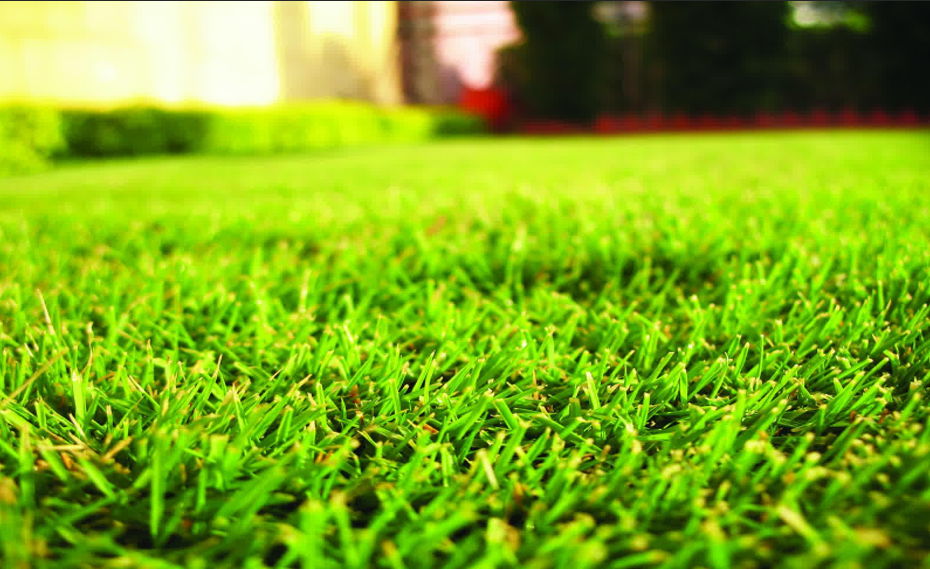
Healthy turf supports a healthier yard overall. Utah lawn care guidance commonly recommends keeping cool-season lawns around 2 to 3½ inches, depending on the grass type and season. That mowing height helps promote deeper roots, better drought resistance, and stronger turf during hot summer weather.
Grass that is cut too short can weaken and thin out. When turf becomes stressed, irrigation may become less even, and damp edges, compacted spots, or low areas can become more noticeable after watering.
That matters for mosquitoes because they are drawn to moisture and shade. The grass itself is usually not the main problem, but stressed turf, low spots, overwatering, and damp edges can all contribute to the conditions mosquitoes use.
A well-maintained lawn does more than look good. It helps reduce the conditions mosquitoes rely on around the property.
Does Tall Grass Attract Mosquitoes?
Tall grass can give mosquitoes more shaded, protected places to rest, especially when it stays damp after watering. But grass is usually only one piece of the picture.
In Utah yards, mosquitoes are often more active around:
- Thick shrubs
- Overgrown landscape beds
- Shaded fence lines
- Damp mulch
- Ivy or ground cover
- Patio edges
- Areas where sprinklers overspray
- Vegetation that stays wet after irrigation
During the dry heat of summer, mosquitoes look for shade and moisture. A sunny, freshly mowed lawn is usually less attractive than a damp, shaded corner behind shrubs or along a fence.
That is why mowing helps, but it is not the whole plan. The goal is to manage the entire yard environment, not just the grass.
Watering Smart: Standing Water Equals Mosquito Development
Mosquitoes do not need much water to multiply.
Even a very small amount of standing water can support mosquito development if it sits long enough. This is one of the most common reasons mosquito problems stick around, even after treatment.
Overwatering or poor drainage can work against the best mosquito treatment plan.
We recommend:
- Water early in the day
- Watch for puddling or runoff
- Adjust sprinklers that overspray into beds, patios, or fence lines
- Repair broken sprinkler heads
- Check low spots that stay wet
- Empty containers that collect water
- Keep gutters and drains moving properly
If mosquitoes keep showing up, there is usually a moisture source nearby.
For many Utah homeowners, that moisture does not come from rain. It comes from irrigation.
Why Utah Yards Can Still Have Mosquitoes in a Dry Climate
A lot of homeowners across northern Utah wonder the same thing:
“How do we still have mosquitoes when it is so dry?”
The answer is usually irrigation, shade, and neighborhood microclimates.
Along the Wasatch Front, yards depend heavily on sprinklers, drip systems, secondary water, and regular watering cycles. That irrigation keeps lawns and landscapes alive through the dry heat, but it can also create small wet areas that mosquitoes use.
We often see mosquito activity connected to:
- Sprinklers running too long
- Drip lines keeping beds constantly damp
- Water pooling near patios or retaining walls
- Overspray along fences
- Shaded grass that stays wet longer
- Decorative pots, saucers, toys, and buckets
- Low spots near lawn edges
- Thick plants around outdoor gathering areas
Homes near Utah Lake, the Jordan River corridor, canals, ponds, open land edges, and trail systems can also experience more mosquito pressure because those surrounding areas may support mosquito activity nearby.
That does not mean every mosquito is coming from your yard. Sometimes your property is doing everything right, but nearby conditions are still bringing pressure into the area.
This is why mosquito control across the Salt Lake Valley and surrounding northern Utah communities needs to account for more than just the lawn. The way a yard holds moisture, shade, and vegetation can change from one neighborhood to the next.
Lawn Maintenance That Supports Mosquito Treatment
If you want your mosquito treatment to last and perform better, your yard habits matter.
Here is what helps:
- Mow at the right height, but do not scalp the lawn
- Wait until the treatment dries before mowing
- Water early and avoid overwatering
- Check for puddles after irrigation runs
- Clear grass clippings and yard debris
- Trim overgrown shrubs and vegetation
- Keep fence lines and patio edges maintained
- Avoid heavy thatch buildup
- Empty anything that collects standing water
These small changes can make a noticeable difference in how your yard feels.
They can also help reduce conditions that attract other creepy crawlers around the home, including spiders, earwigs, ants, and other nuisance pests. Mosquitoes are the main focus here, but the same shaded, damp, overgrown areas can influence more than one type of pest activity.
Why Do I Still Have Mosquitoes After Spraying?
If you are still seeing mosquitoes after treatment, it is easy to assume something went wrong.
Most homeowners wonder if they mowed too soon, watered too soon, or somehow canceled out the treatment.
In most cases, that is not what is happening.
When mosquitoes keep showing up, it is usually because something nearby is still supporting them. That could be:
- Hidden standing water
- Irrigation patterns
- Shaded areas holding moisture
- Dense vegetation
- Nearby open space
- Activity from neighboring properties
- Water sources you cannot easily see
Mosquitoes can also continue moving in from surrounding areas. If your home is near Utah Lake, the Jordan River corridor, canals, foothills, open land, or mature shaded neighborhoods, pressure can vary throughout the season.
That is why professional mosquito control is not just about spraying and leaving. The best results come from understanding what is happening around the yard and adjusting the plan when needed.
If you are asking, “Why do I still have mosquitoes after spraying?” the answer is usually found in the property conditions, not the mower.
Final Takeaway: Mow Smart, Treat Smart
Yes, you can mow your lawn after mosquito treatment.
Once the treatment is dry, the application has had time to settle onto treated vegetation and begin working where mosquitoes rest. Normal mowing should not reduce how well it performs.
But here is what most homeowners do not realize:
When mosquitoes keep coming back, it is usually not because the treatment did not work. It is because something in the yard or nearby environment is still supporting mosquito activity.
That could be standing water, irrigation runoff, shaded vegetation, dense shrubs, or pressure from surrounding areas.
Mowing matters. Watering matters. Lawn care matters. But the full picture of mosquito activity usually comes from how all those conditions work together.
That is where having the right plan makes all the difference.
Still Seeing Mosquitoes After Treatment?
If you’ve had mosquito treatment and they are still showing up, there is usually a reason.
It could be:
- Hidden standing water
- Irrigation patterns
- Shaded areas holding moisture
- Nearby pressure you cannot see
- Lawn or landscape conditions that need a closer look
Mosquito Squad Plus of Greater Salt Lake helps homeowners understand what is actually happening in their yard. Whether you are in Salt Lake City, Draper, Sandy, West Jordan, Utah County, Davis County, or anywhere along the Wasatch Front, our team can help identify what is driving mosquito activity and recommend a plan that fits your property.
If mowing, watering adjustments, and DIY steps are not solving the problem, we can help you figure out what your yard is telling us.
Call (801) 872-3335 or request your quote online.
No pressure, just a clear answer on what is happening in your yard.
Here’s to another beautiful day the Squad way!