When Wasps Become Aggressive in Late Summer Months in Brighton
Posted by Mosquito Squad Plus
August 31, 2026
Late summer in Brighton can come with increased wasp activity around decks, gardens, and trash containers. Colonies begin growing in the spring and peak in size by August or September. Mosquito Squad Plus of Fenton–Brighton can help homeowners with professional Brighton, MI wasp control and guidance.
What Are Wasps?
Wasp is a broad term that includes both hornets and yellowjackets.
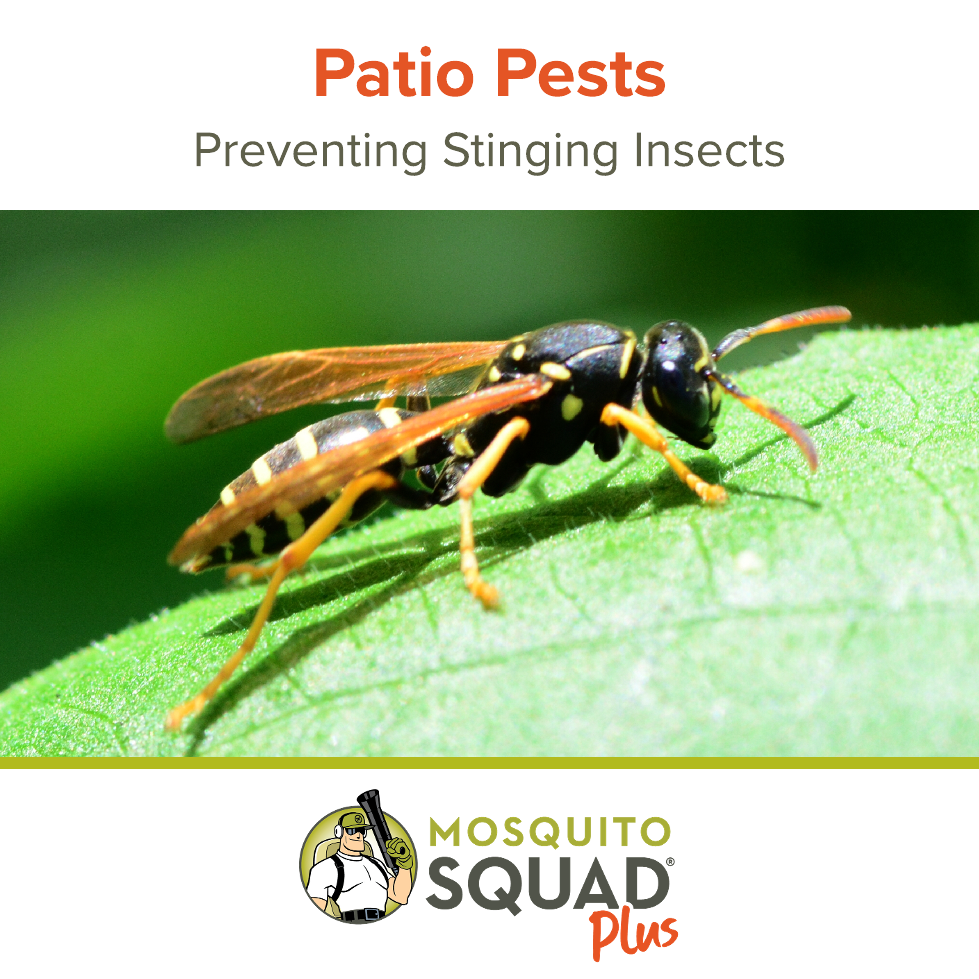
- Paper wasps and yellow jackets are common social wasps. Paper wasps build nests that are open and attached under eaves, railings, or other sheltered surfaces.
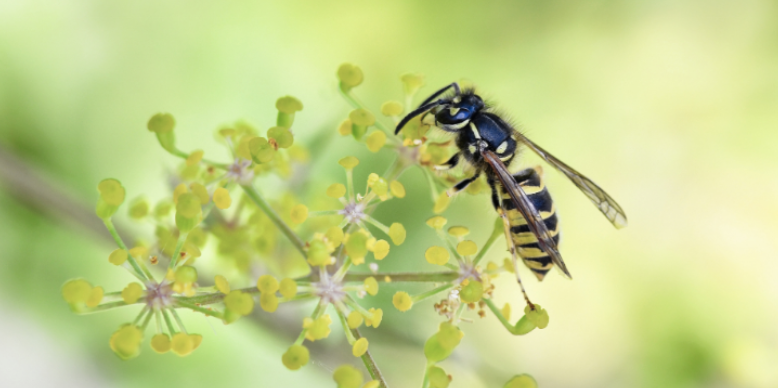
- Yellow jackets are smaller than other types of wasps and have bold black and yellow markings. Yellowjackets nest underground or inside wall voids. They are also the type of wasp most likely to gather around food, drinks, and trash.
- Bald-faced hornets, which are a subtype of yellow jackets, create paper nests. Hornets are generally larger, stockier wasps, and their paper nests are usually found in trees and shrubs.
Common Types of Wasps Around Brighton
Yellowjackets and paper wasps are common social wasps throughout Michigan. Bald-faced hornets, which are a type of aerial yellowjacket, create enclosed paper nests in trees, shrubs, and beneath overhangs. Brighton residents may also encounter solitary cicada killers. Although their size can be intimidating, cicada killers typically do not defend a shared colony. This wasp and bee identification guide offers additional details about common species and nesting habits.
Are Wasps More Aggressive at Summer’s End?
Wasp colonies begin growing in spring with one queen and worker wasps. As worker wasps mature, they expand the nest and gather food to raise more wasp larvae. By late summer, a yellowjacket colony may contain hundreds or even thousands of workers.
Wasps, hornets, and yellow jackets can all sting when threatened and are especially defensive near their nests. The insects that wasps prey on, and the sugary secretions found in food, can become less abundant at summer's end while the colony remains large. Workers may search around ripe fruit, uncovered drinks, pet food, recycling bins, and trash containers. If they are startled, they may also give a reactionary sting.
Where Late-Summer Nests May Be Hiding
Yellowjackets often use ground cavities, hollow timbers, wall voids, or other protected spaces. Paper wasps attach open combs beneath eaves, porch ceilings, railings, and sheds, while bald-faced hornets usually build enclosed aerial nests. Repeated flights along the same route may indicate a nearby entrance. Learning more about common household and yard pests can make it easier to distinguish wasps from bees and similar insects.
Can Wasp Stings Be Dangerous?
Most wasp stings cause temporary pain, redness, itching, or swelling. However, some people experience serious allergic reactions that require immediate medical attention. Social wasps can also sting repeatedly, particularly when defending their colony. Homeowners should avoid striking a nest, blocking its entrance, or operating yard equipment nearby.
Limiting Wasp Activity Around Your Property
Keep outdoor food covered, rinse recycling, collect fallen fruit, and use trash cans with tight-fitting lids. Check open drinks before sipping, and do not seal an opening until confirming no active nest is inside. Professional outdoor pest control services can help with persistent activity. During treatment, technicians inspect the property, identify likely nesting areas, and recommend an approach based on the species and nest location while avoiding blooming flowers and active pollinator areas.
Request Brighton, MI Wasp Control
Avoid approaching a nest near a doorway, patio, play area, or other busy part of the yard. Call Mosquito Squad Plus at (810) 202-9771 for a free quote over the phone, or use the Fenton–Brighton contact form to discuss Brighton, MI wasp control with the local team.