Why Pest Control in Cincinnati Looks Different Than Every City South of It
Posted by Mosquito Squad Plus
May 28, 2026
Most people cross the Ronald Reagan Cross County Highway twice a day and never think about what it means. North of that road, the ground is glacial till. The ice sheet stopped right there, dropped everything it was carrying, and left Hamilton County with clay-rich soil that does not drain like limestone, does not drain like red clay, and does not behave like anything south of the Ohio River. That is not a geography lesson. That is why the stink bugs are in your walls right now.
Huntsville sits on limestone karst. Birmingham sits on red clay over limestone. Knoxville sits on weathered shale. Every one of those markets has a long warm-season pest calendar and soil that drains reasonably well when it is not flooding. Cincinnati has glacial till, a shorter outdoor pest season than any of them, and an indoor pest season that none of them deal with at the same scale. Both of those things come from the same place. The ice sheet that stopped at the Cross County Highway and left.
That is the whole frame for pest control in Cincinnati. Two seasons running in opposite directions. One everybody sees. One everybody ignores until October.
What Glacial Till Actually Does to a Yard
Glacial till is not topsoil. It is the unsorted mix of clay, silt, sand, and gravel that a glacier drags across the landscape and drops when it melts. In Clermont County and southeastern Warren County that till is Illinoian drift, roughly 300,000 years old and weathered into flat poorly drained upland that holds water in ways no southern market in this region does. In northern Hamilton County the till is younger Wisconsinan drift, gently rolling with slightly better drainage but still fundamentally different from the limestone-influenced soils that characterize every market south of the Ohio River.
The USDA Natural Resources Conservation Service soil surveys for southwestern Ohio document the clay-rich subsoils across Hamilton, Clermont, and Warren counties as slow to drain with seasonal high water tables that sit close to the surface through wet months. That is not a problem unique to one neighborhood. It is baked into the ground across the entire Cincinnati service area.
The Great Miami Buried Valley Aquifer System sits underneath the western portion of the metro, a massive underground water resource left by glacial meltwater channels. The water table in portions of Hamilton and Butler counties sits closer to the surface than most homeowners realize. A yard that looks perfectly well-drained from the street can have saturated subsoil through April and May in a wet spring. That saturation is what keeps the low corner of the yard damp three days after the rain stopped. That low corner is where the mosquitoes are coming from.
For pest control in Cincinnati, that geology produces two things no southern market shares. A shorter outdoor pest season because Cincinnati winters are cold enough to actually interrupt the pest lifecycle. And a longer, more intense indoor pest season because those same cold winters drive an overwintering story that Birmingham and Huntsville simply do not have.
The Norwood Trough and Why It Still Matters
Most Cincinnati homeowners have heard of Norwood. Most have not heard of the Norwood Trough, which is the ancient buried river valley running beneath Oakley, Norwood, and Bond Hill. Before glaciation reshaped the Cincinnati landscape, a river ran through that valley. The glacier filled it with drift material and kept moving. What remained is a topographic low that still influences drainage and subsurface water movement through the urban core today.
Properties in Norwood and along that corridor sit over subsurface geology that holds moisture differently than the ridge communities to the east or the river terrace neighborhoods along the Ohio. You would not notice it walking a yard. You would notice it as a basement that gets damp every March, a low corner that never fully dries in spring, a crawl space that runs wet in wet years. Pest pressure follows moisture. Always has.
The Cincinnati Health Department tracks vector-borne disease and pest pressure across Hamilton County year over year. The patterns that show up in their data are the same patterns that show up yard by yard across this market. The drainage characteristics that glacial geology created are not random. They are predictable, and they are consistent.
The Outdoor Season Is Shorter. That Does Not Mean It Is Easier.
Every market south of Cincinnati gets eight to ten months of active outdoor pest season. Mosquito and tick pressure in Huntsville runs February through November. Birmingham starts even earlier in warm winters. Cincinnati gets roughly seven months, late March through October, with the real activity concentrated April through September.
That shorter window is real. A genuine Ohio winter interrupts the pest lifecycle in ways that Tennessee and Alabama winters do not. But what happens inside that shorter window has been getting more intense, not less.
Ohio is now seeing an average of 11 more mosquito-suitable days annually compared to the 1980 through 2009 baseline. The Cincinnati Health Department reported 24 West Nile positive mosquito pools in 2024, compared to a 10-year average of six. Hamilton County Public Health confirmed the county's first human West Nile case of 2025 in Sycamore Township. The outdoor season is shorter than the South. It is not mild, and it is not getting milder.
The mosquito barrier treatment program that works in Cincinnati starts in late March and runs through October on a 21-day cycle. That schedule is built around the mosquito lifecycle. A generation of Asian Tiger mosquitoes can complete development in as little as seven to ten days in warm May temperatures. A 21-day treatment cycle intercepts each new generation before it establishes. Treating once in May and once in July is not the same thing, regardless of what the label says.
The Tick Picture Nobody Is Talking About
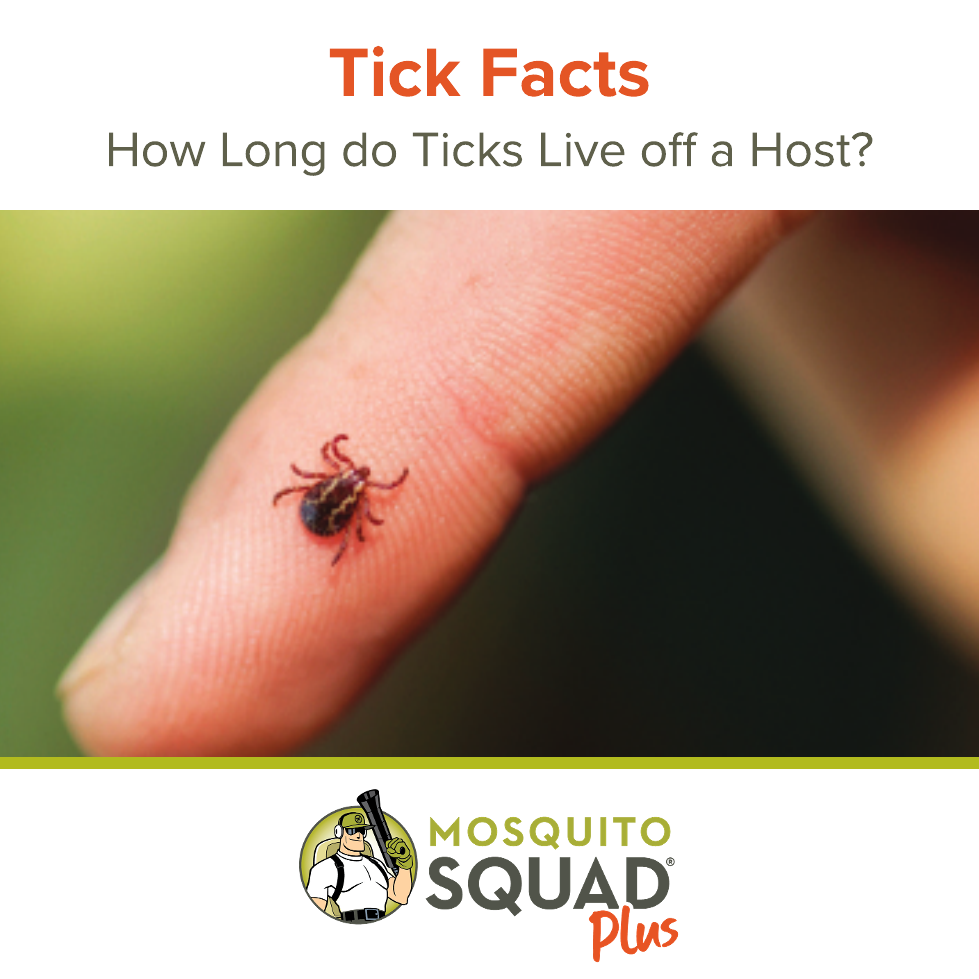
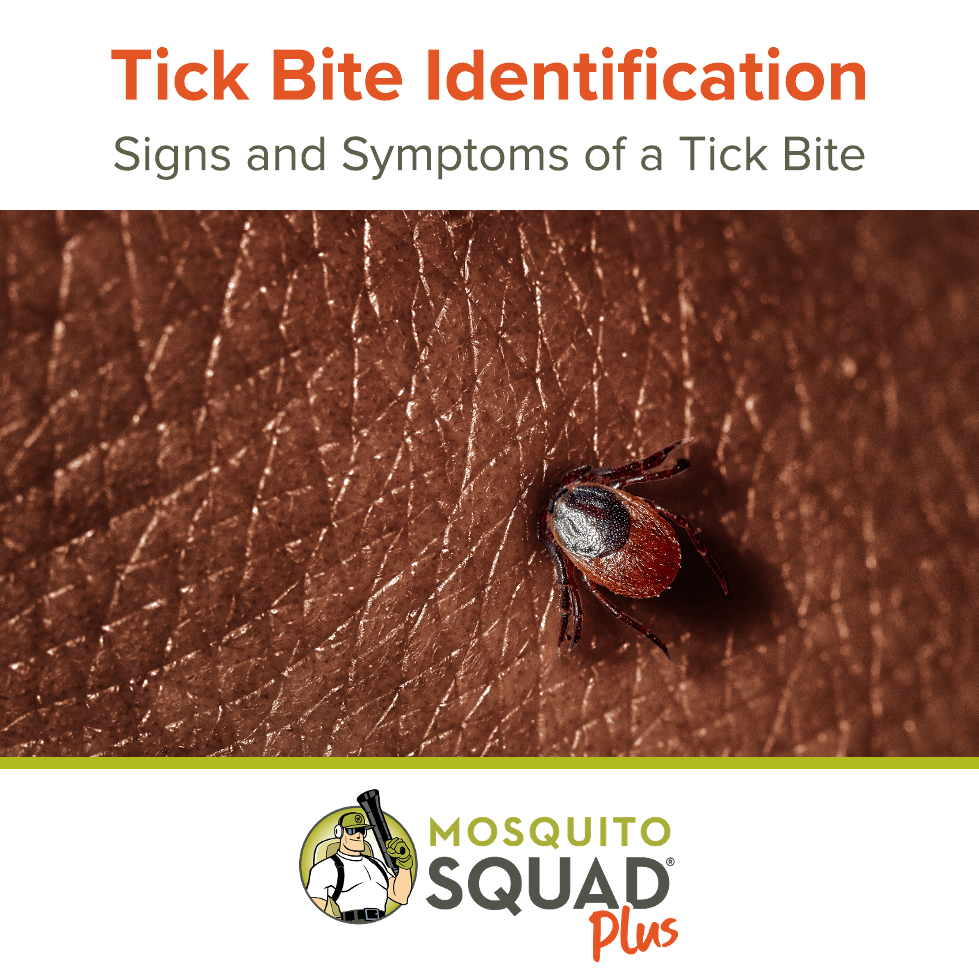
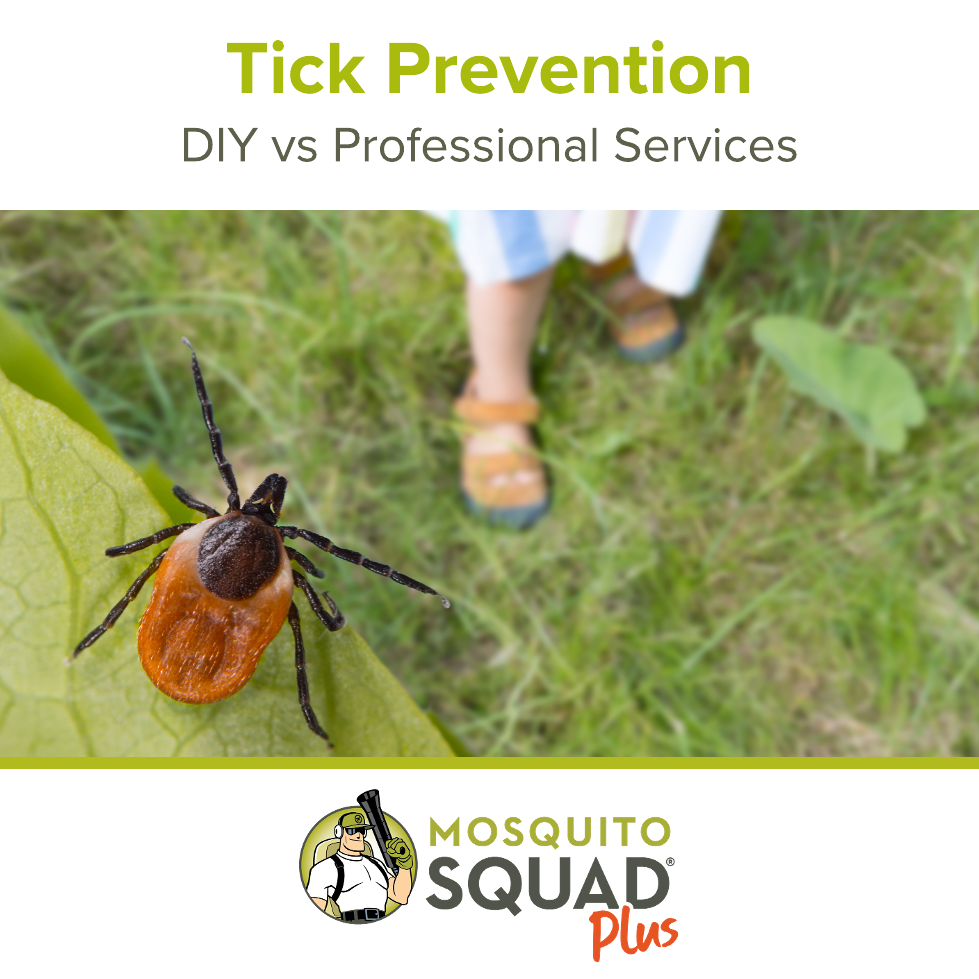
Ticks in Cincinnati follow a similar seasonal logic to mosquitoes but with different peak windows and a different threat profile. Ohio State University Extension documents three disease-carrying tick species established in Hamilton County: the blacklegged tick, the American dog tick, and the Lone Star tick. Gulf Coast tick colonies were confirmed in Hamilton and Butler counties in 2020. Five tick species with human health implications now active in a market where most homeowners are still thinking of ticks as something that happens at a campground.
The Lone Star tick is the one that has expanded most aggressively into southwestern Ohio in the past decade. It does not wait in tall grass for a host to brush past. It actively pursues hosts and can cross open lawn to reach you. Its bite can trigger alpha-gal syndrome, an immune reaction to red meat that can develop weeks after initial exposure with no obvious connection to the tick bite that caused it. Cases are rising across the Midwest in direct correlation with the tick's northward range expansion. Hamilton County is inside that expansion zone.
The blacklegged tick, the Lyme disease vector, concentrates in the transition zones between maintained lawn and unmaintained vegetation. Every established Cincinnati suburb produces those transitions naturally along fence lines, garden bed edges, wooded back property lines, and creek corridors. The Little Miami River corridor, the Indian Hill wooded estate landscape, the mature canopy neighborhoods of Blue Ash and Deer Park all produce that habitat. Ticks are not a rural problem in this market. They are a yard problem.
A tick control program running alongside the mosquito barrier treatment on the same recurring schedule handles both pressures without two separate service visits. For properties with wooded back edges, creek corridors, or significant leaf litter along fence lines, pairing the programs is the approach that consistently produces a usable yard through the full outdoor season.
The Indoor Season Nobody Plans For
This is where Cincinnati parts ways completely from every market south of it.
Stink bugs do not overwinter in walls at scale in Birmingham. Boxelder bugs do not mass on the south-facing sides of Nashville homes every October. Asian lady beetles do not pack into Knoxville attics in late September looking for somewhere to spend the winter. Those species exist in the South. The overwintering behavior Cincinnati homeowners deal with every fall is a function of a climate cold enough to make it necessary and a housing stock sitting in a landscape where those insects have been overwintering for decades.
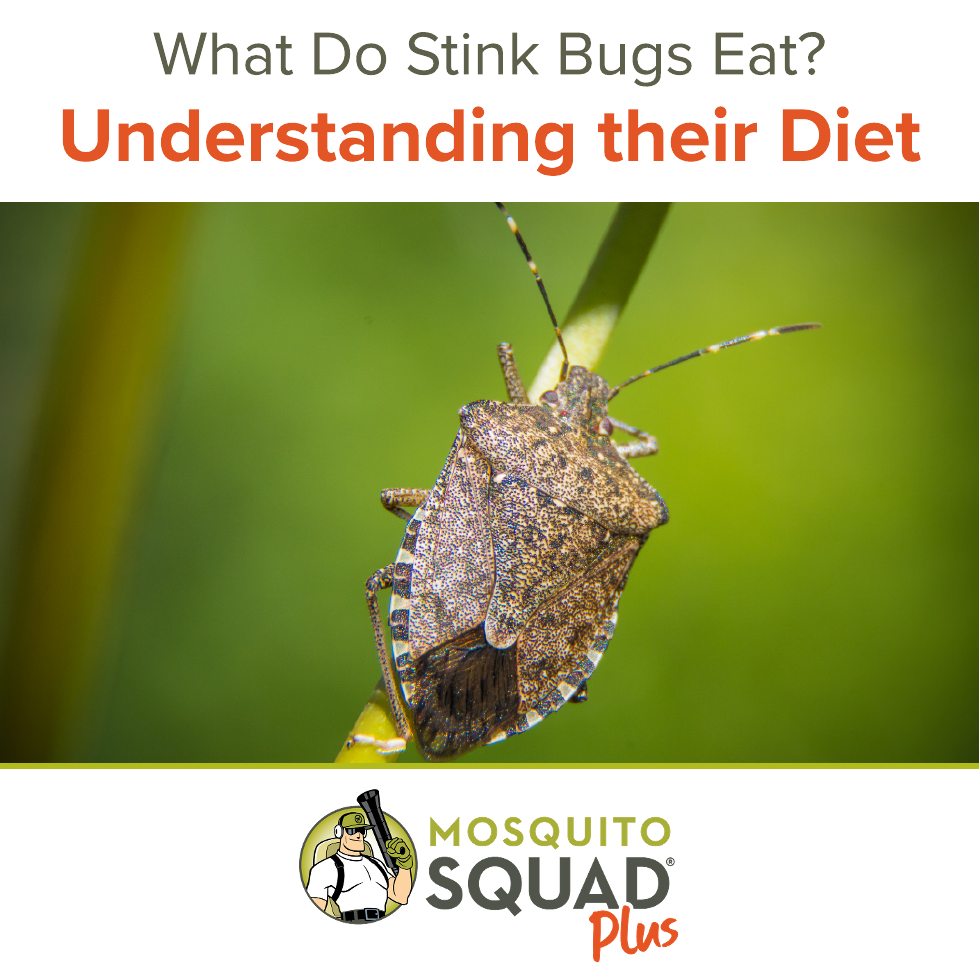
The brown marmorated stink bug enters structures in fall looking for a protected site. It does not feed, reproduce, or do structural damage inside the wall. It waits. When late February and early March bring the first warm stretches, it tries to exit through the same gaps it used to get in. The homeowner sees stink bugs on the windowsill in April and assumes they just arrived. They have been in the wall since October.
Ohio State University Extension's BYGL entomology documentation is direct that brown marmorated stink bugs and multicolored Asian lady beetles invade structures in fall and exit in spring. The exit is through every gap, crack, and unsealed penetration in the building envelope the fall invasion used to enter. Which means those gaps are confirmed open. The next fall's population already has a known route.
Boxelder bugs follow the same arc. They aggregate on warm south and west-facing surfaces in September and October, work their way in through gaps around windows, doors, utility penetrations, and foundation seams, and spend winter in wall voids and attic spaces. A significant boxelder bug fall means a significant April emergence. The trees feeding them, boxelder maples, are one of the most common volunteer trees in older Cincinnati neighborhoods and along creek corridors throughout the market. If you have one in the backyard or growing along the alley, you already know what October looks like.
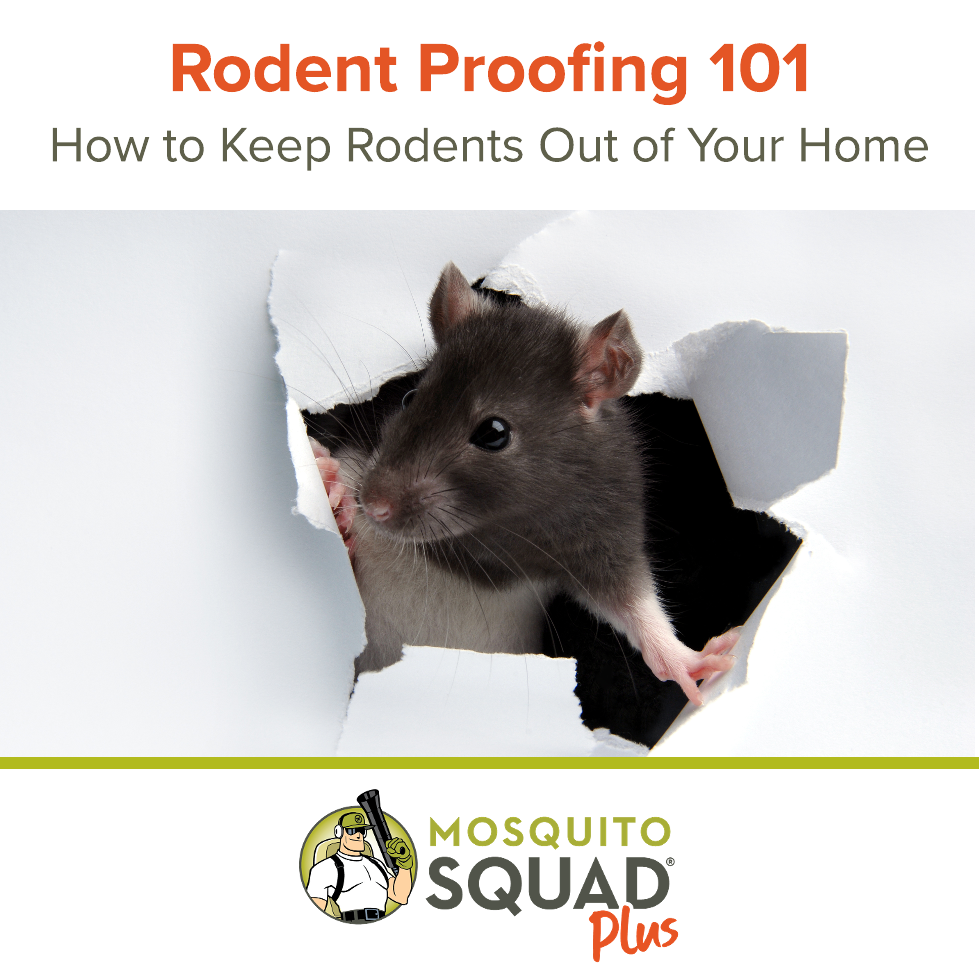
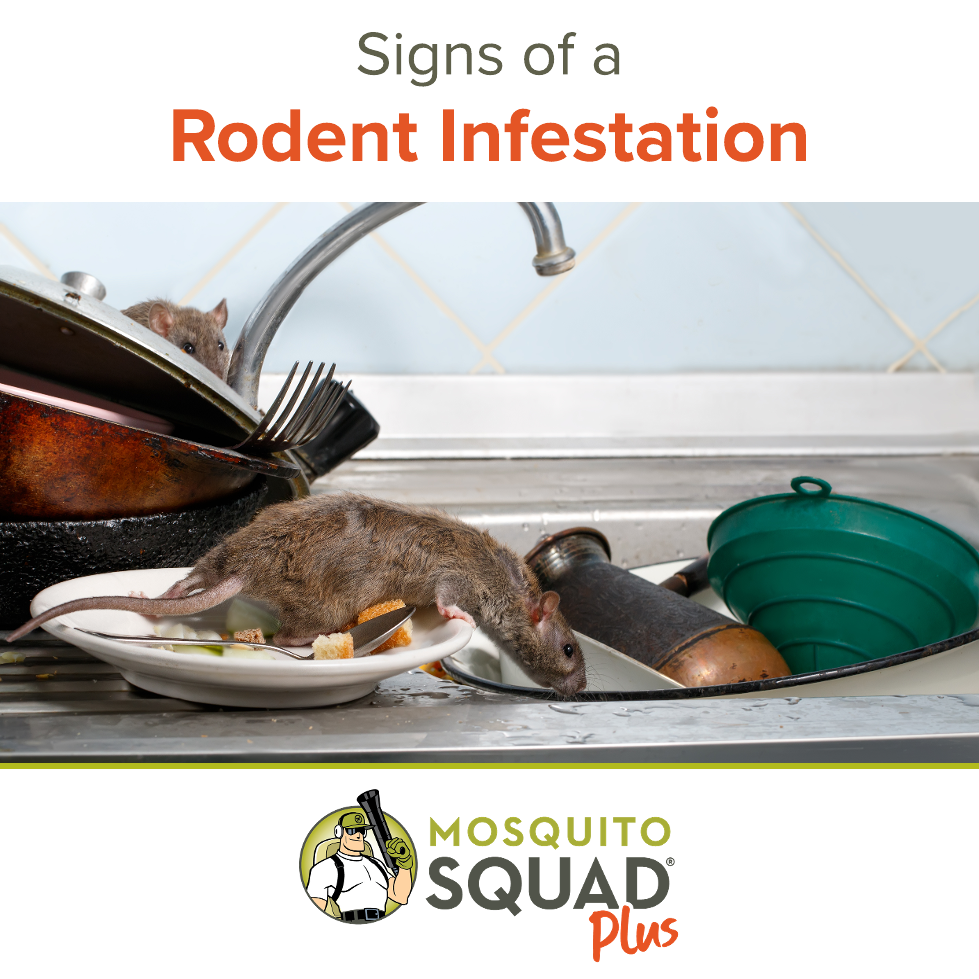
Mice are the indoor story that compounds silently. A mouse that enters through a gap at the garage door threshold or around a utility penetration in November does not leave when the weather warms. It breeds. Females produce litters of five to six pups every three weeks once conditions stabilize. The Cincinnati Health Department maintains a Healthy Homes Line specifically for rodent complaints in Hamilton County. The spring rodent pressure that Cincinnati homeowners discover in April is usually the compounded result of a November entry nobody addressed.
The Home Shield program addresses the indoor side of Cincinnati pest control on a recurring schedule that matches when these pressures actually move. Fall perimeter treatment timed to the overwintering entry window. Spring treatment timed to the emergence and exit window. The outdoor barrier treatment cannot reach this side of the calendar. That is the gap most Cincinnati homeowners do not close until they are already dealing with the consequences of not closing it.
What the Illinoian Till Plain Does to the Eastern Cincinnati Market
Clermont County and southeastern Warren County sit on some of the oldest glacial till in the Cincinnati service area. The Illinoian drift sheet deposited there is roughly 300,000 years old, weathered into flat upland terrain with poor natural drainage. Day Heights sits on it. The ridge communities east of the Little Miami sit on it. The established suburban neighborhoods built across former Clermont County farmland through the 1960s, 70s, and 80s sit on it.
What that geology produces is predictable. Clay subsoil that does not absorb water the way sandy or loamy soil does. Low spots in residential yards that hold standing water for 36 to 72 hours after rain events. Mature suburban canopy over those low spots that slows evaporation and extends the window that supports mosquito larval development. The Asian Tiger mosquito, documented by Ohio State University Extension as one of the most significant residential mosquito species in southern Ohio, breeds in volumes of water smaller than a tablespoon. A shaded low spot on a Clermont County lot after a Wednesday rain is still producing mosquitoes on Saturday. The homeowner stopped noticing that corner years ago. The mosquitoes never did.
Madeira, Loveland, Owensville. Different surface characters. Same geology underneath. Same pest pressure dynamic playing out yard by yard through the outdoor season.
What the Outdoor Season Looks Like in Practice
Late March through October for most properties in the service area. The start of the season is not the first warm weekend. It is the first sustained stretch of daytime temperatures above 50 degrees that allows mosquito egg development to begin. In most Cincinnati years that arrives in late March or very early April.
The signs that the season has arrived are specific. Low areas in the yard holding water three or more days after a rain. The shaded corners of the lot staying damp into the afternoon. That first daytime bite while working in the yard on a Saturday morning. By the time any of those signs show up, the population is already building. The treatment program that works starts before those signs appear, not in response to them.
The Mosquito Squad of Cincinnati runs barrier treatment programs on a 21-day recurring cycle through the outdoor season. For properties that prefer botanical-based chemistry, the natural mosquito treatment runs on the same schedule with essential oil active ingredients effective against both Asian Tiger mosquitoes and the Culex species responsible for West Nile transmission in Hamilton County. The chemistry changes. The schedule and the placement logic do not.
For outdoor events, a special event treatment applied 24 to 48 hours before the event gives a tighter knockdown on top of the recurring program. For properties with significant outdoor living space, an automatic misting system can supplement the recurring program by targeting the morning and late afternoon activity windows of the Asian Tiger mosquito around the patio or deck.
Two Seasons. One Year. Both Matter.
Every southern market in this portfolio is primarily an outdoor pest control market. Long season. Minimal indoor overwintering story. Treatment program built almost entirely around what is happening in the yard.
Cincinnati is a two-season market. Outdoor runs March through October. Indoor runs October through March. They overlap at both ends. A homeowner who treats only the outdoor season and ignores the fall overwintering entry window ends up with a wall full of stink bugs, an April boxelder bug emergence, and a mouse population that has been compounding since November. That is not bad luck. That is a predictable outcome of treating half the calendar.
The 7 T's of Mosquito Control covers the systematic property assessment approach for the outdoor side. The indoor side requires the same discipline applied to the building envelope, the known overwintering entry points, and the treatment timing that matches fall entry and spring emergence rather than summer pest activity.
The Complete Home and Yard Package combines both sides of the Cincinnati pest calendar into a single program. The Mosquito Squad of Cincinnati team serves Hyde Park, Madeira, Indian Hill, Blue Ash, Loveland, Norwood, Deer Park, Owensville, Sharonville, and communities throughout the greater Cincinnati area. If the outdoor season has started or the fall overwintering window is approaching, reach out before the population is already ahead of you.