What Gets Into Chattanooga Homes When the Weather Turns
Posted by Mosquito Squad Plus
July 27, 2026
Right now the worst thing on your porch is probably a spider that has built across the doorway overnight, or a wasp nest under the eave that has gotten bold enough that you take the other set of steps. That is where August sits in this town. Hot, humid, and mostly an outdoor problem.
In about ten weeks it moves indoors, and it starts small enough that nobody reacts to it. One ladybug on the ceiling above the TV. You get it with a cup and a piece of junk mail and think nothing of it. Two days later there are nine. By the end of the month you are running the vacuum along the window tracks every couple of days and wondering how they are getting in, because you have looked and you cannot find the hole.
There is no hole. There are about forty of them, and most are too small to notice from the ground.
They Pick a House, and They Picked Yours for a Reason
The bugs that pile onto Chattanooga homes in October are not wandering in at random. They are hunting for a specific thing, and your house either matches the description or it does not.
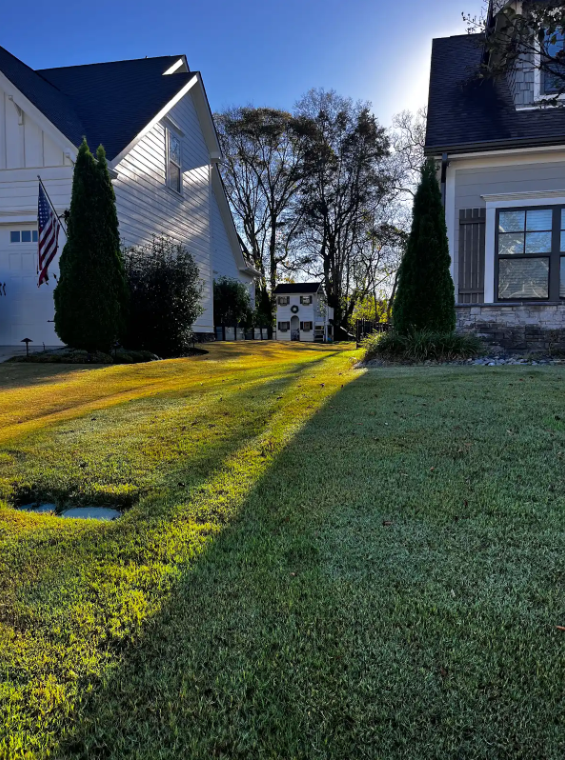
The ladybugs we get called about, the orange ones that show up by the hundreds rather than the friendly red garden variety, look for tall, sunlit, light-colored walls. In their native range they overwinter in the cracks of south-facing rock faces, and a pale wall catching afternoon sun reads to them as the same thing. Purdue's entomology guidance names the combination: pale exterior, a wall angled toward the southwest, and woods somewhere near the property. Hit all three and you are the most obvious target on the street.
We drive past that description all day. Cream siding, white trim, a tree line somewhere on the lot. That covers half the neighborhoods in Hixson and a great deal of Ooltewah.
It covers most of what backs up to green space in East Brainerd too, and the newer construction around Collegedale and Apison is close to a perfect match, since those lots tend to be pale, exposed, and cut into wooded ground within the last decade.
Customers with dark siding tell us they get off easy, and then describe a solid orange line along the gutters. Bright trim on a dark house concentrates them rather than sparing you. They are reading the boundary between light and shadow, so a white downspout against brown board is about the loudest signal a house can send.
One more thing people get wrong about them. These are not the ladybugs you were told were good luck as a kid. The native red ones with the neat black spots stay outside, eat aphids, and earn their reputation. The ones stacking up on your window frame are an imported relative, usually more orange than red, often with a small dark marking behind the head, and they bite. Not hard, and not dangerously, but enough that people are surprised the first time it happens on the back of the neck at two in the morning.
The Day It Happens Is Predictable, and It Is Not Gradual
You will not watch this build over a few weeks. It arrives on one afternoon, and if you know what the afternoon looks like you can nearly put it on a calendar.
They move on the first warm sunny day that follows a real cold snap. Illinois Extension puts the threshold around 64 degrees arriving after a run of near-freezing nights, and Purdue describes the same pattern: the push starts with October's first cold snap chased by warm weather, then peaks toward the end of the month.
Anybody who has lived here a while knows that weather, and we schedule around it. A front comes through in the second week of October, everybody digs a jacket out of the closet, and then Saturday shows up sunny and 68 and half of Hamilton County opens a window. That Saturday is the day. Several thousand insects size up your siding while you are outside enjoying the best weather since May.
Stink Bugs Run the Same Play
Stink bugs work a slightly earlier calendar and want exactly the same thing, which is why so many houses get both at once.
Stink bugs start pushing toward structures around the end of September and gather on warm south-facing walls through October, which is why our phone tends to light up with both problems in the same week. UT's entomology department notes that during peak flight most of them get in through small openings, mostly around windows. If you have watched them collect on a screen door on a bright fall afternoon, you have watched the same behavior the ladybugs use.
Two rules about stink bugs that will save you some trouble. Do not crush them, because the name is not decorative and the smell stays in fabric. And do not vacuum them with the household vacuum unless you want that smell coming back every time you run it.
What They Are Getting In Through
Landing on the wall is only step one. From there they walk the siding looking for a seam, and a house offers more seams than anybody pictures.
When we walk a property in September the list is always the same and always unglamorous. Caulk around a window frame that pulled loose as the house settled. Screening on a gable vent that a squirrel opened up three summers ago. The collar around a dryer vent. The lap joints where two runs of siding meet at slightly different depths. None of it looks like a way in from the driveway. All of it is one from six inches away.
What happens after they get through is the part that surprises people. They do not head for your kitchen. They tuck into the wall cavity or the attic and shut down for the season.
Then a mild January afternoon warms that wall, the ones nearest the sunny side come back to life, and they head toward the brightest thing available. Usually that is a light fixture or the trim around a recessed can. That is the call we get in the dead of winter from a house that seemed fine all December.
It also explains the thing that confuses everybody, which is finding them in the bathroom in the middle of winter with snow on the ground. Nothing got in that week. They have been in the wall since October, and a warm spell woke up the ones nearest the sunny side.
Chattanooga adds a wrinkle at ground level. This is crawl space country, and the humidity here runs high enough that a vented crawl space stays damp most of the year rather than drying out between rains. Damp, dark, and undisturbed is an invitation on its own, and it is where we find cockroaches and ants working their way toward the house long before anything shows up in a kitchen.
That is worth a look before October regardless of what is on your walls. Older housing stock across Red Bank and the established streets in East Ridge tends to have the most gaps at the foundation line, and every gap down there gets tested by mice a few weeks after the insects find it. Our post on what the terrain does to pest pressure gets further into why foundations here behave the way they do.
Rodents Are the Ones That Stay
Insects clear out on their own come spring. Rodents settle in and multiply, and October is when they start working the outside of the house looking for a way through.
The CDC's rodent guidance sets the bar at a nickel. That is the whole opening a mouse needs. In practice the ones we find are foundation penetrations for gas and cable lines, a garage door sitting crooked on an uneven slab, and crawl space vents where the screen rusted through years ago and nobody had reason to look.
Sealing is half the job. The EPA's guidance covers the half almost everybody skips, which is taking away the cover that brings them to the foundation in the first place. Leaf piles against the house. Mulch beds built up over years until they sit above the siding line. The stack of firewood nobody moved after last winter. Close the holes and leave the harborage and you have done half a job.
One material note, because we see it fail constantly. Expanding foam alone will not hold, since a mouse chews through it without much effort. Stuff the gap with steel wool first and seal over the top of it.
Here is what makes rodents different from the rest of this list. They breed through the winter indoors. Something that got in during a mild week in October becomes an actual infestation by late February, with droppings in the insulation, gnawed wiring, and an odor in the walls you cannot place.
The Part Where Most People Waste a Weekend
By the time the wall is covered, most of the useful moves are already behind you. That does not stop anybody from trying, and the three usual attempts fail for the same reason.
The hardware store aerosol gets aimed at the siding first. It handles the ones it touches and nothing beyond that, and the arrivals you are looking at are only the front of a flight that keeps coming for days. By the next warm afternoon there is nothing left on the wall doing any work.
Foggers come next and perform worse. Whatever is behind your drywall never sees the fog, and you have introduced a second issue on top of the first: a cavity full of dead insects becomes a food source for the kind of pest that ruins wool coats and stored blankets. We have been called out on that exact sequence more than once.
Waiting it out is the third approach, and on some houses it holds up fine. Dark siding, shaded exposure, no tree line, light year, no problem. Put those same weeks on a pale house with an open sunny wall and you are vacuuming windowsills into December. Iowa State Extension is blunt about the limits of chemicals at that stage, which is that there mostly are not any.
What Is Already Happening While You Read This
The fall move indoors is ten weeks out. The late-summer version is happening now, and it is the same seasonal shift showing up outside first.
Wasp and yellow jacket colonies hit peak size in late summer, which is exactly why a nest you walked past all June suddenly seems aggressive in August. That is not your imagination and it is not the nest being territorial about nothing. There are simply several times more of them in there than there were in spring, and wasp and yellow jacket work gets harder and more dangerous the longer it waits.
Yellow jackets deserve their own warning, because the ones that cause trouble here nest in the ground. A colony in an old chipmunk burrow at the edge of the lawn is invisible until a mower goes over it, and then it is a genuine emergency with somebody running for the house. If you have a patch of yard where wasps keep appearing at ankle height and you cannot find a nest overhead, look down.
Spiders are the other one people notice in August, and for a good reason. They are following the insects, and the insects are moving toward your structure. A porch that suddenly has webs across it every morning is telling you something about what else is around, even if you have not seen any of it yet.
Mosquito pressure is still running hard in the creek bottoms across Middle Valley and Harrison too, and it does not taper the way people assume once school starts.
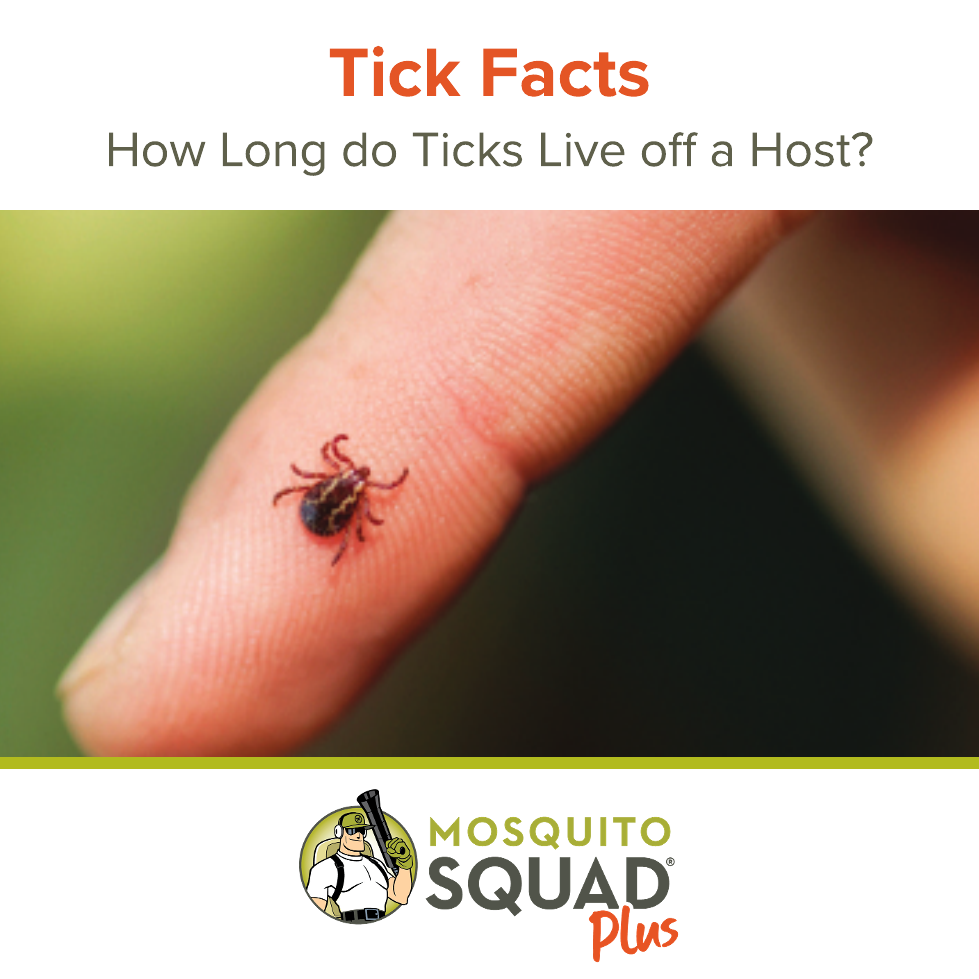
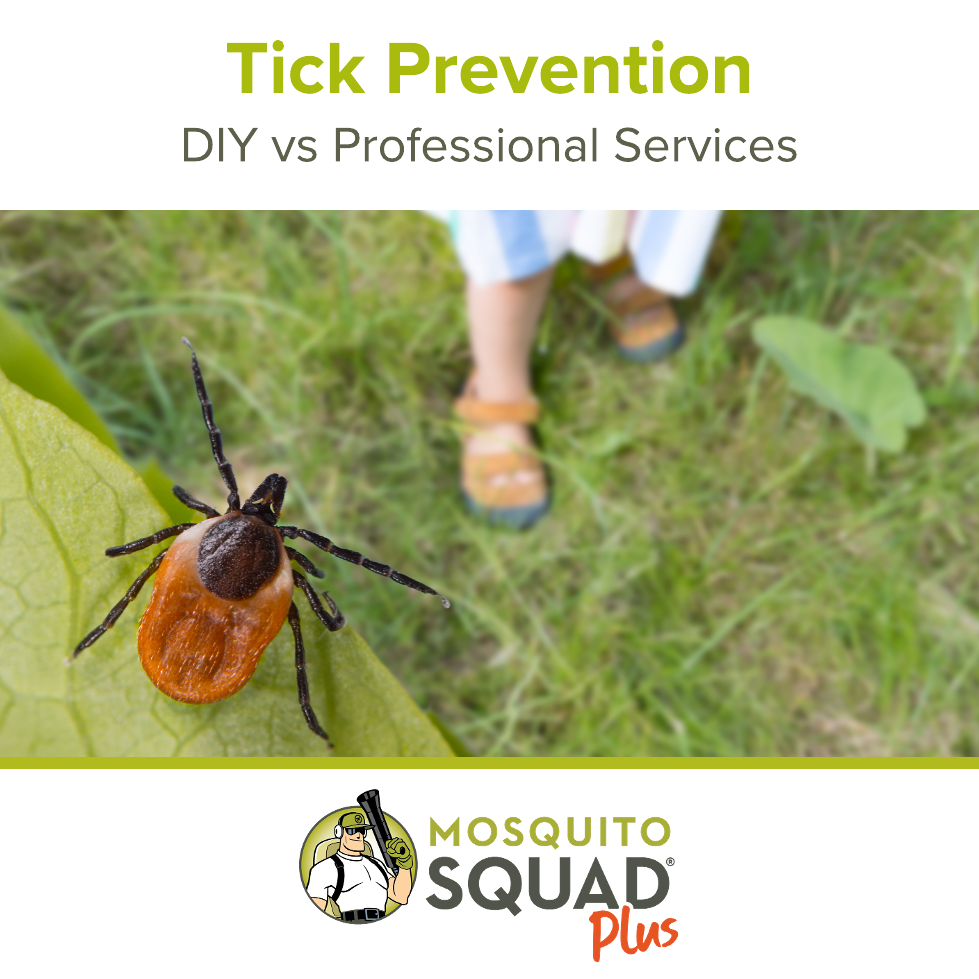
Yards backing to a wooded edge keep producing ticks far later than most expect. Our post on what Hixson homeowners get wrong covers why that season barely stops here at all.
What Works, and Why It Has to Happen Now
None of this is exciting and all of it is front-loaded. The work that decides your October happens in weeks when there is nothing on the wall to react to.
Start with the openings, since most of that is yours to do. A weekend, a ladder, a couple tubes of caulk, a roll of screen, and a door sweep will close most of what we would flag on a walkthrough anyway. Iowa State is honest that even careful sealing rarely gets you to a hundred percent, which is not an argument for skipping it so much as an explanation of why it pairs with the other half.
The other half is ours, and the timing is the whole point. We treat siding, eaves, the foundation line, and the seams around penetrations while the insects are still out in the trees deciding where to go. Once they are behind your drywall the job changes completely, and not in your favor.
Home Shield is the program built for that exterior work, running through fall and into winter. Properties that want the yard covered as well go with Complete Home and Yard, which picks up fleas and chiggers out to the property line, and Yard Defender handles harborage zones where a wooded edge is doing most of the damage.
While somebody is under the house, deal with the crawl space. Drying it out and rescreening the vents closes the rodent doors at the same time, and it is the cheapest hour you will ever spend down there.
Getting It Scheduled
A couple of things about how fall runs on our end. Rain cancels treatment days, which means a wet stretch in October compresses everybody's calendar at once and the good windows fill fast. Booking before the weather makes the decision for you is worth more than it sounds.
If you have dogs, mention it when you book. Plenty of our customers want a call before the crew pulls in so they can bring animals inside, and that sits on your account permanently instead of being something you have to remember to ask each visit.
We can tell within about a minute of pulling into a driveway in October whether this is going to be a bad year for that house. Pale wall facing the afternoon sun, trees at the back of the lot, and a homeowner who has not touched the caulk since they moved in. None of that is a mystery to us, and none of it has to stay that way.
We run this county long enough to know how it varies. The ridge communities around Signal Mountain and Walden have the tree cover and the exposure that ladybugs read from a distance, and those calls come in reliably every year.
Down in Soddy Daisy and along the creek corridors it tends to be the crawl space and the rodent side that drives the call instead. Cross into Georgia and the same October brings a different mix again, with the properties around Ringgold and Fort Oglethorpe carrying more lawn pressure alongside everything else. The full list of where we run is on the areas we service page.
None of that changes what you should do this month, which is the useful part. The house on the ridge and the house on the creek both need the same two jobs done before the first cold snap, and both have about the same amount of time left to do them.
Go look at the sunny side of your house. Then reach out to our Chattanooga team or call (423) 403-3513 and get the property walked while the window is still open.