Ticks in Fall and Winter on Cape Cod: What the Cold Does and Doesn't Stop
Posted by Mosquito Squad Plus
October 21, 2026
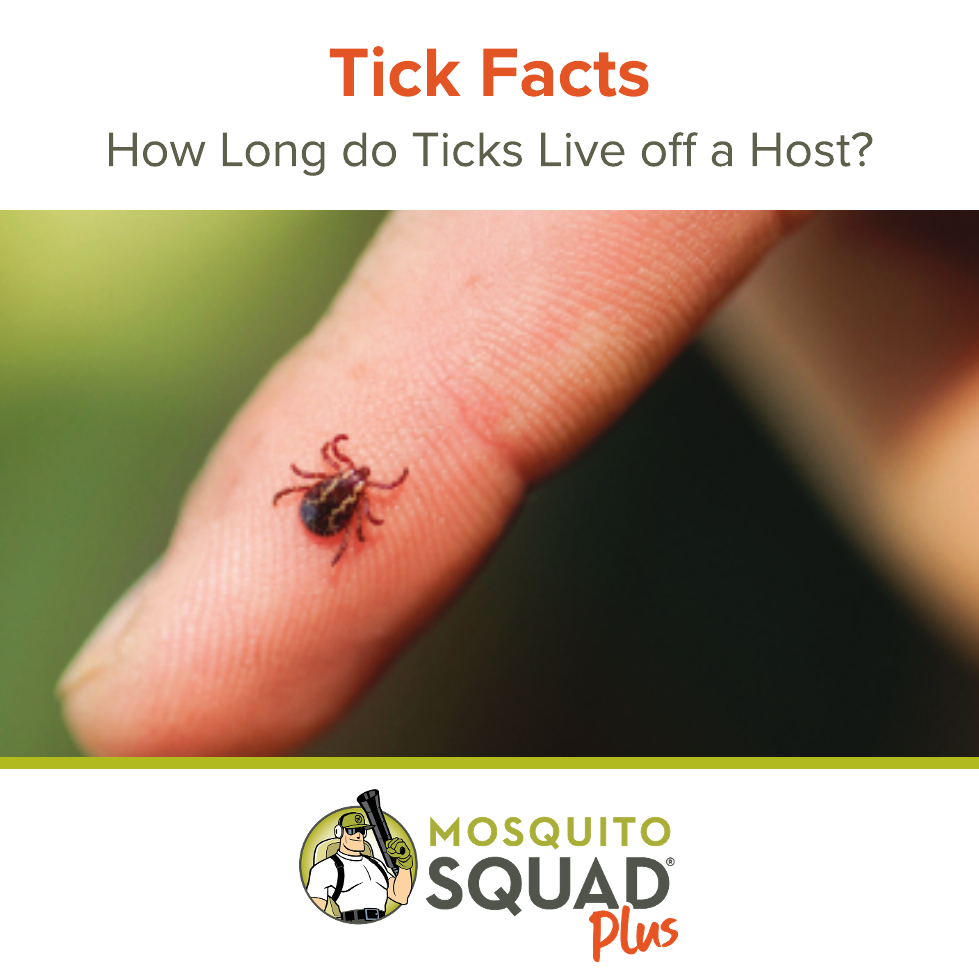
Adult deer ticks stay active on Cape Cod through fall and winter, coming out whenever temperatures climb above 40°F, according to Barnstable County. Here is what that means for raking leaves, walking the dog, and getting your yard ready for winter.
Why Adult Deer Ticks Stay Active After Summer
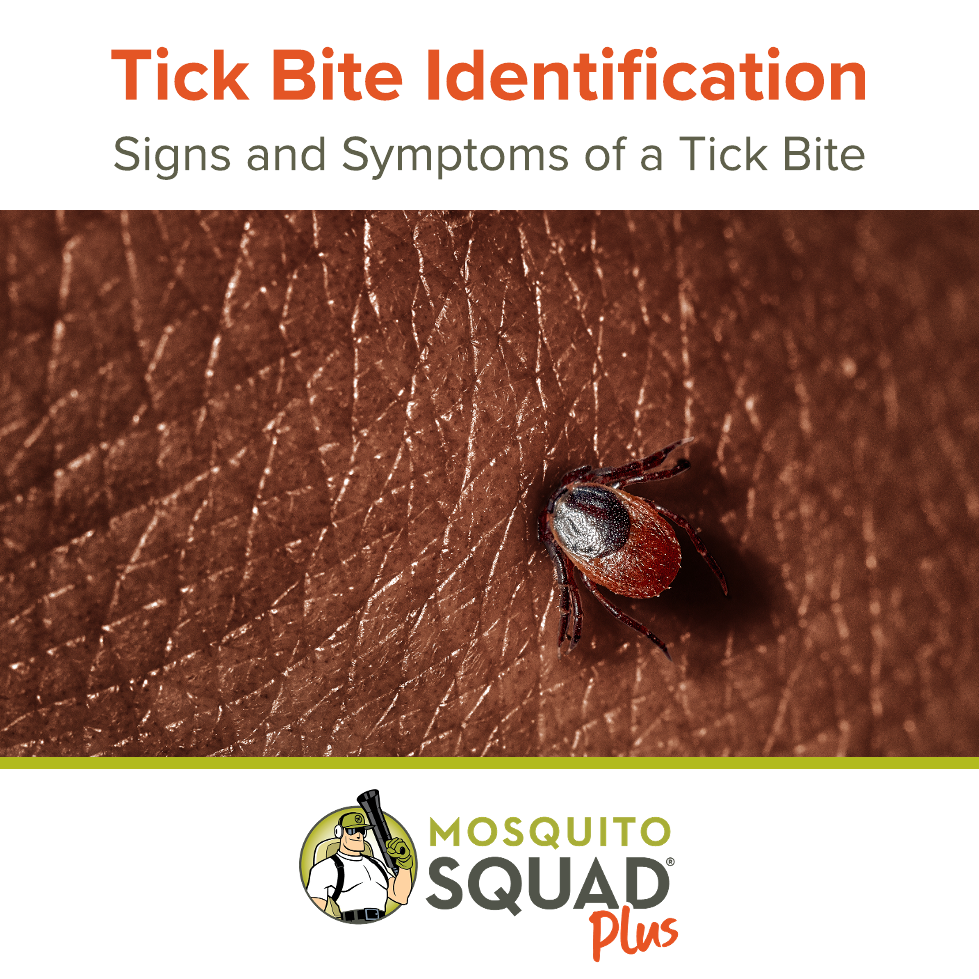
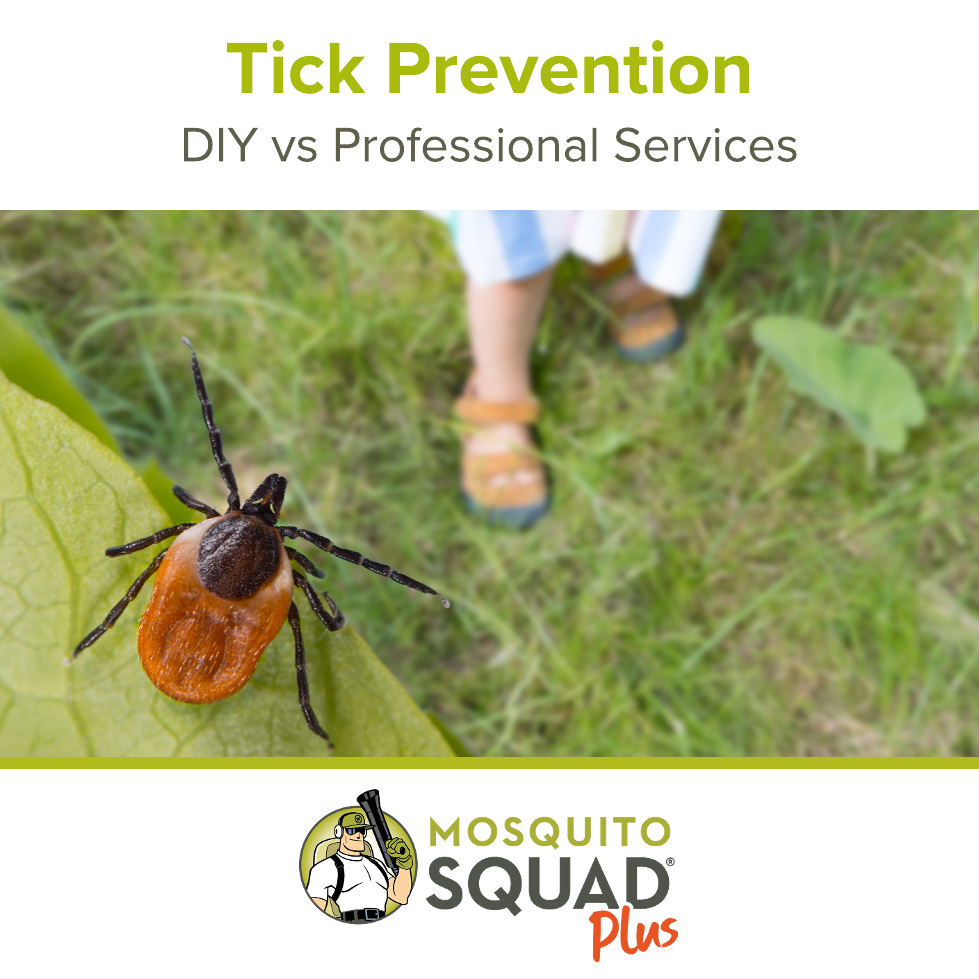
Deer ticks, also called blacklegged ticks, have three life stages. Adults take over in the fall, and Cape Cod Cooperative Extension notes that adult ticks stay active through fall and winter.
The odds matter here. About 38% of adult deer ticks and 22% of nymphs on the Cape carry the Lyme bacterium, according to the Barnstable County Department of Health and Environment. The Provincetown Independent reports that most emergency room visits for tick-borne disease happen from June to August.
Where Cape Cod Ticks Wait in the Colder Months
Deer ticks favor cool, damp, sheltered ground, and fall leaf litter provides it. A study that Cape Cod Cooperative Extension cites found more than three times as many deer tick nymphs where leaves were left in deep piles than where leaves had been removed. Expect ticks along the edge where lawn meets woods, under shrubs, and in tall grass, which describes yards throughout the Cape, including in Mashpee, Falmouth, and Brewster.
Keep the Leaves, but Move Them Away From Where You Walk
Leaves can support pollinators, but deep leaf piles also give ticks cover. Keep leaves off walkways, patios, entries, dog paths, and play areas. Move extra leaves into a low-use corner of the yard or a compost pile, and keep brush and woodpiles away from the house.
Fall and Winter Tick Checks for You and Your Pets
Wear long pants tucked into socks when you walk in leaf litter, and use an EPA-registered repellent applied per the label. When you come inside, check yourself, your children, and your pets. A shower and a close look at the hairline, behind the knees, and at the waistband can catch ticks that have not attached yet.
If a tick has attached, remove it with fine-tipped tweezers and keep it for reference. See a health care provider if a rash, fever, or aches follow a bite, and ask your veterinarian about tick prevention for pets that spend time outdoors. Barnstable County's reduced-price tick testing funds ran out April 15, 2026, so check the county's tick page for current options.
What Professional Tick Control Adds After Summer
Ticks gather at the same borders and leaf-littered edges every year, and those are the places treatment focuses on: shrub lines, lawn edges, wood lines, and shaded corners. We use EPA-registered products applied by trained technicians per label instructions. These products are non-toxic and environmentally protective. We also use 3 natural products for those who want an alternative approach. Ask us about fall service when you request a free assessment.
Stay Ahead of Ticks Through Winter on the Cape
Schedule Your Pest Treatment Today! If ticks have changed how you use your yard, Cape Cod Mosquito Squad can help. Learn about our services, see the Cape Cod towns we serve, or call (508) 507-7143 or request a free assessment online. Cape Cod Mosquito Squad is locally owned and operated, serving Cape Cod since 2014 and fully licensed in Massachusetts (License AL-0054568).
Sources: Barnstable County Department of Health and Environment: Tick-Borne Illness | Cape Cod Cooperative Extension: Leave the Leaves or Not | The Provincetown Independent. This post is for general information and is not medical advice.