Fall Rodent-Proofing for Cape Cod Homes: A Checklist Before Winter
Posted by Mosquito Squad Plus
October 20, 2026
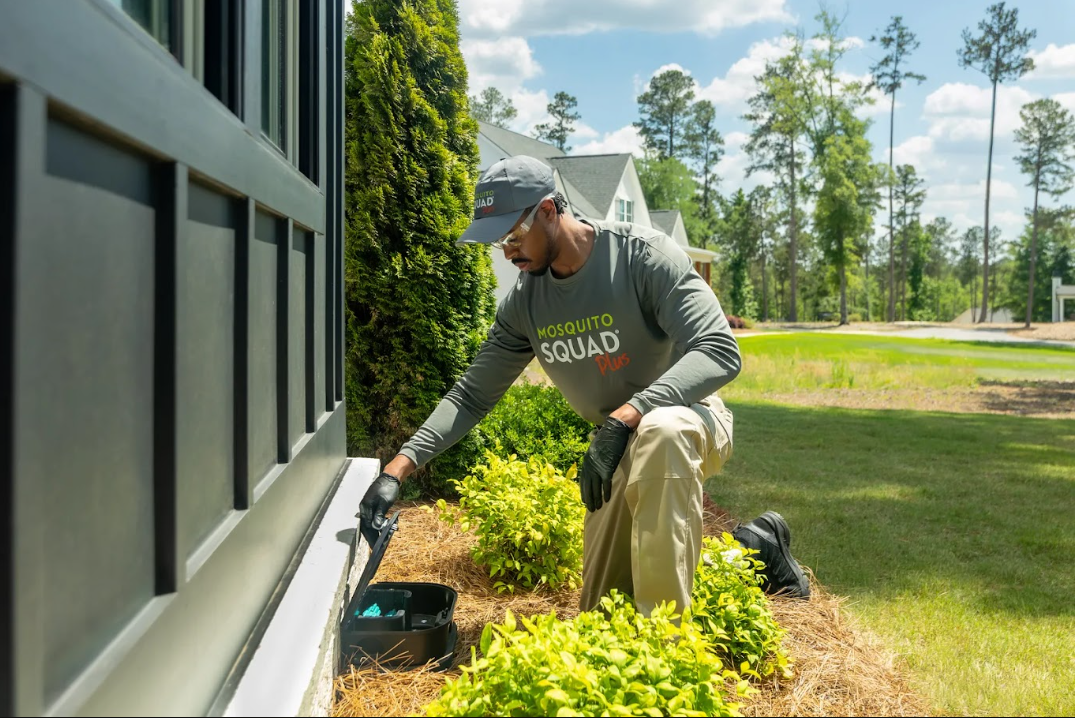
Yes, fall is when mice start testing the walls of Cape Cod homes, and sealing the gaps they use is where to start. A mouse can squeeze through a hole about the width of a pencil, according to the CDC. This checklist starts outside, moves indoors, and ends with the Cape-specific spots people miss, from foundation vents to houses that sit closed all winter.
Why Mice Move Indoors on Cape Cod in Fall
As nights cool, mice go looking for food, warmth, and a quiet place to nest, and a house offers all three. The rodents Massachusetts residents see most often are the house mouse and the Norway rat (Town of Milton Board of Health). A gap left open in October can stay open all winter.
The Outside Checklist: Seal the Gaps Mice Actually Use
Walk the outside of your house with a flashlight. If a pencil fits into a gap, a mouse can likely get through it. Fill small holes with steel wool and caulk, and use hardware cloth or sheet metal on larger ones.
- Utility entries: Check where pipes, cables, and gas and electric lines pass through the wall, and look around dryer vents.
- Foundation and crawl space: Inspect foundation vents, crawl space doors, and the line where the sill meets the foundation.
- Doors and garage: Replace worn door sweeps and garage door seals. If you can see daylight under a door, a mouse can use that gap.
- Roofline: Mice climb, so check where trim, vents, and shingles meet near the eaves.
- Shrubs, firewood, and brush: Trim branches that touch the house, stack firewood off the ground and away from the walls, and clear brush and leaf piles from the foundation.
- Trash and feeders: Use a thick plastic or metal trash can with a tight lid, and keep compost and bird feeders as far from the house as you can.
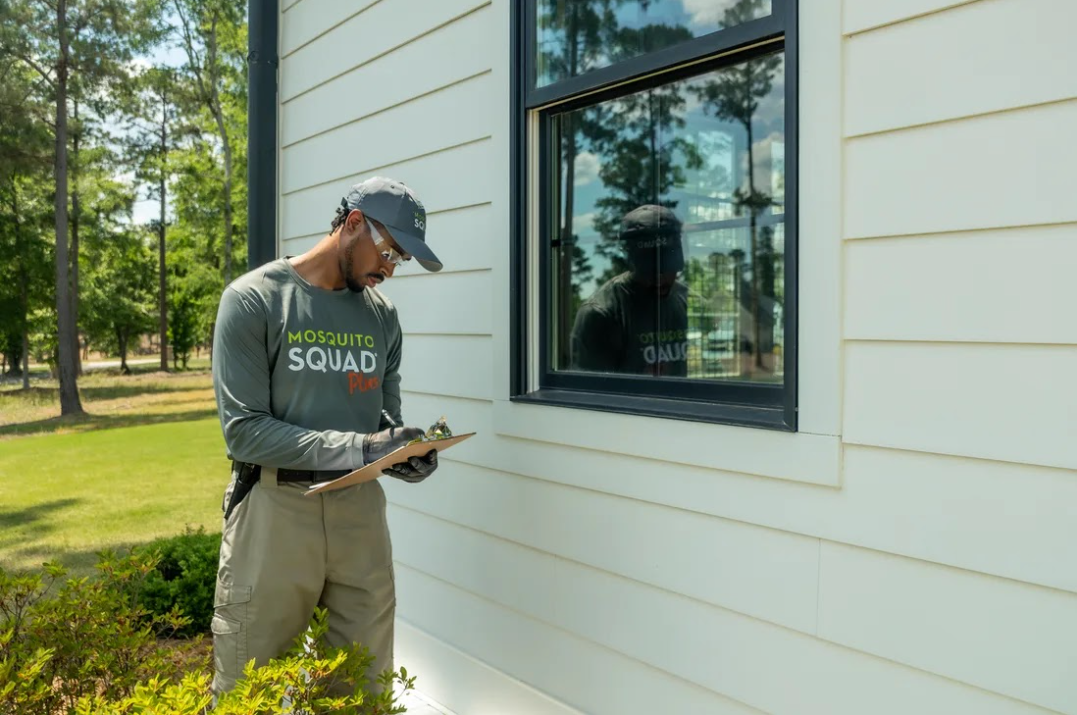
Do not forget sheds, garages, and other outbuildings. Anything you can't reach from the ground, such as roofline gaps on a two-story house, is worth leaving to a professional, and you can request a free assessment online to have a trained technician take a look.
The Inside Checklist: Food, Clutter, and Early Warning Signs
Mice come for food, so take it away. Keep dry goods, pet food, and birdseed in thick plastic or metal containers with tight lids, and don't leave pet bowls out overnight. Clear cardboard and clutter from basements, garages, and the backs of closets, where mice like to nest undisturbed. Then watch for the early signs: small droppings along baseboards or in drawers, gnaw marks, nests of shredded paper or fabric, and scratching in the walls at night. If mice are already inside, set snap traps against the walls where they travel. Seal first, though, because trapping alone won't stop new mice from moving in.
Our rodent control service page.
Keep brush and woodpiles away from the house, since they give rodents and ticks a place to shelter outdoors.
Closing Up a Seasonal Home on the Cape
A house that sits empty from October to May gives mice months without foot traffic, light, or anyone noticing. Before you leave, empty the pantry and refrigerator, take birdseed and pet food out of the garage, and check crawl space vents and the basement bulkhead. Ask a neighbor or property manager to walk through monthly and look for droppings or chewed packaging. Whether your house is in Falmouth, Barnstable, Harwich, Orleans, or Wellfleet, a closed-up house is easy to leave unwatched, and mice notice.
Get Ahead of Winter Rodents on Cape Cod
Schedule Your Pest Treatment Today! If you find droppings, hear scratching in the walls, or can't reach a gap yourself, Cape Cod Mosquito Squad can inspect your property for entry points and the conditions that draw rodents in, then build a plan around what we find. Learn about our rodent control service, see the Cape Cod towns we serve, or call (508) 507-7143 or request a free assessment online. Cape Cod Mosquito Squad is locally owned and operated, serving Cape Cod since 2014 and fully licensed in Massachusetts (License AL-0054568).
Sources: CDC: How to Seal Up to Prevent Rodents | CDC: How to Clean Up After Rodents | Town of Milton Board of Health rodent brochure. This post is for general information and is not medical advice.