What Structural Vulnerabilities Allow Pests into Grand Rapids Basements in Late Summer?
Posted by Mosquito Squad Plus
September 14, 2026
Late summer can make basements appealing to pests seeking moisture and shelter. Homeowners researching Grand Rapids, MI pest control can start with the local Mosquito Squad Plus of West Michigan Lakeshore.
Why Pests Move into Grand Rapids Basements
Late summer can sometimes feel like peak pest season because pest populations have had several months to build, and the shifting temperatures incentivize pests to seek shelter and potentially become more visible. Your basement, with its steady temperatures, stored materials for nesting, and humidity, offers pests favorable conditions, all in one place.
What Signs Can Indicate Spiders in a Basement?
Spiders are not exclusively found in basements, but they do like the dark and quiet. Most spiders tend to avoid human interactions, so if your basement is primarily used for storage, it's going to be a great place for them to establish webs. Spiders will settle pretty much anywhere in a basement, maybe more prone to creating webs in corners, windows, or utility spaces since other insects are drawn to these areas as well. Spiders are seeking prey for nutrition.
What Signs Can Point to Cockroach Activity?
Cockroaches favor sheltered locations where water and food are accessible. Floor drains, utility sinks, condensation around pipes, cardboard boxes, and nearby pet food are all things that can draw cockroaches to a basement. Cockroach control should be paired with a homeowner's knowledge to limit the things that attract cockroaches. Keep an eye out for droppings, egg cases, or shed skin to indicate if cockroaches are present. They tend to be more active at night, so if you suspect cockroach activity, it is easiest to spot them in the evenings.
How Do Rodents Get into Grand Rapids Basements?
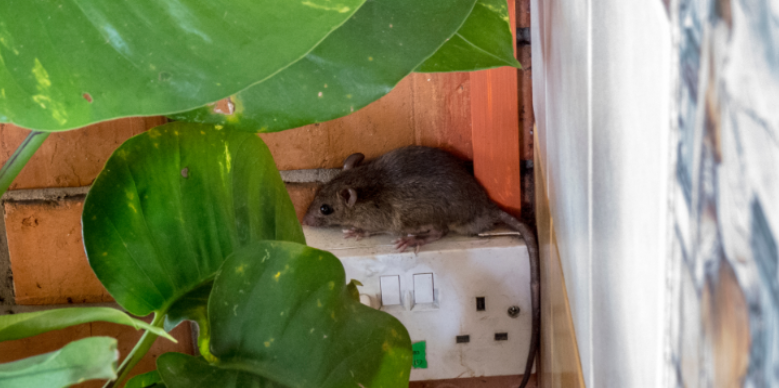
When temperatures swing to colder nights, rodents are going to seek warmth and food. Basements are an appealing place for mice and rats to live in the winter. Mice can squeeze through surprisingly small gaps near the foundation or utility lines. It's important to check weatherstripping around doors and windows as well, especially if you have a walkout basement. Rodent control is a good option if you have started to see signs of mice or rats. Homeowners should look out for droppings, gnaw marks, disturbed insulation, scratching sounds, or shredded nesting material.
Foundation and Windows Are Pest Entry Points
Cracks in the foundation or where masonry meets siding can create easy pathways for pests to move into basements. If not sealed properly, where pipes and cables enter the structure can create openings for insects and rodents. Windows with improper weatherstripping can allow pests inside, or if screens have been ripped, there is one less barrier between pests and the house.
Can basement doors and utility openings let pests inside?
Walkout basement doors, garage connections, and bulkhead entrances deserve the same attention. Worn weatherstripping, gaps beneath thresholds, damaged door sweeps, and poorly sealed frames can leave room for pests to enter. For Grand Rapids, MI pest control, prevention often starts by tightening entry points while using appropriate pest packages to manage activity around the property.
Steps Homeowners Can Take to Reduce Pest Activity
A late-summer check should include the foundation perimeter, basement windows, vents, utility penetrations, door seals, plumbing areas, and stored items. Seal accessible gaps with materials suited to the opening, repair screens and weatherstripping, correct moisture problems, and keep storage organized so pest signs are easier to notice. If activity continues, call (616) 426-6776 for a free quote over the phone, or contact Mosquito Squad Plus of West Michigan Lakeshore.