How Wetlands Channel Heavy Mosquito Swarms to Nearby Yards
Posted by Mosquito Squad Plus
July 30, 2026
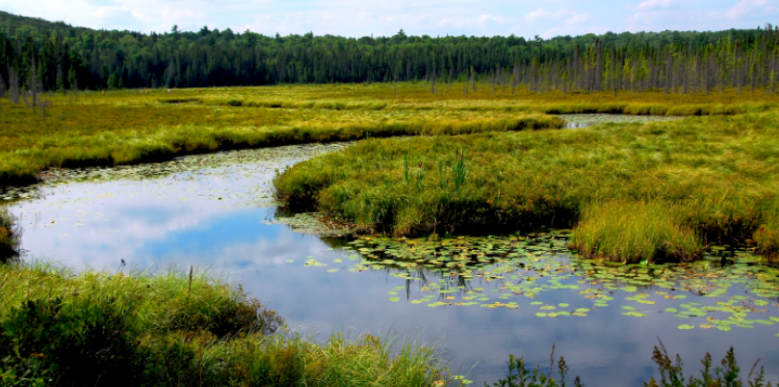
Wetlands are a defining part of the Allegan landscape. They support wildlife, store water, and add unique character to the area that you don't get with just a river or lake. During warm, wet weather, these wetlands can support shallow or slow-moving pockets of water perfect for mosquito breeding. Homes near wetlands will notice an increased mosquito pressure on their properties as a result of ideal breeding grounds.
Types of Wetlands Around Allegan
The Allegan State Game Area surrounds the city and contains more than just forests and grasslands. Its broad landscape includes:
- wetlands and riparian areas
- lowlands associated with the Kalamazoo River contain floodplain forest
- mix of marshes, bogs, shrub swamps, forested swamps, and seasonal pools.
Some wet areas will hold visible standing water, but not all do. Wetlands encourage saturated soil and have a water table close to the surface.
The term ‘wetland’ is not a comprehensive description of every mosquito habitat, just like not every healthy wetland is a major source of mosquitoes. Mosquito eggs and larvae need still water for development, so areas with deeper, moving water or abundant aquatic predators may be less productive for mosquito larvae. There are more opportunities for mosquitoes to lay eggs and develop along sheltered margins, flooded grasses, temporary pools, clogged drainage areas, and shallow depressions where water lingers.
Rain and Flooding Can Trigger Population Surges
Mosquitoes begin life in water. Depending on the species, females may lay eggs at the edges of ponds, among plants in marshes, in flood-prone soil, or in small water-holding containers. After heavy rain moves through Allegan, low areas of soil and wetland margins can develop isolated pockets of water even after the water recedes. Mosquitoes only need a small amount of water to lay eggs in. As long as the temperatures are warm and there is a small puddle of water, it's enough to produce a wave of adult mosquitoes.
These lingering pockets of moisture are why mosquito activity can seem to rise suddenly after a rainy stretch. It doesn't matter if your property has no standing water of its own; if you are close enough to a wetland, the swarm of new mosquitoes can move into surrounding areas to rest, mate, and seek blood meals needed for egg production.
How Mosquitoes Move from Wetlands Into Neighborhoods
Vegetation can become a sheltered route between wet areas and residential properties. Tall grasses, woods, and creeks that run between wetlands and your home provide cool, damp resting places for adult mosquitoes. If your yard abuts these transition spaces, you may experience increased activity.
After rain, toys that have been left in the yard, plant saucers, and even sagging tarps will hold enough water for mosquitoes to lay eggs.
Practical Ways to Reduce Mosquito Pressure
Check your yard for places where water may pool; birdbaths should be refreshed along with pet bowls and water features. Make sure you check for clogged gutters and clear any blockages to prevent mosquitoes from laying eggs.
For broader support, Mosquito Squad Plus provides Allegan, MI mosquito control tailored to the property. Our recurring mosquito barrier treatment is applied every three weeks and helps control up to 85-90% of mosquitoes for up to three weeks.
Call (616) 426-6776 for a free quote and ask how professional mosquito control can help limit the activity reaching your yard from Allegan’s wetland-rich surroundings.