How Does Weather Impact Pests?
Posted by Mosquito Squad Plus
June 11, 2026
There’s a lot you can do to manage pests around your home, but even with the best pest control company on deck, you can’t control the weather. What you can do is understand how local weather changes pest pressure and how you can work with it. That’s especially important in Waukesha, where temperatures can change rapidly, including rainfall and humidity – all factors that influence mosquito and tick activity.
The most effective Waukesha pest control strategies before the bugs start biting include keeping track of the weather.
The Temperature-Pest Connection
When you hear about it being mosquito season or another pest season, that’s usually because of the temperature. Most insects and pests don’t do well in cold weather, but when it gets to be above 50°F consistently in the spring through early fall, they show back up. Even a mild enough winter could be enough for mosquitoes and ticks to stick around and extend the season.
Unusually cold spells have the opposite effect and can slow mosquito populations for a time, especially when they haven’t bred yet. On the other hand, ticks are a bit more resilient and can remain active through colder weather.
Rainfall Becomes a Breeding Ground
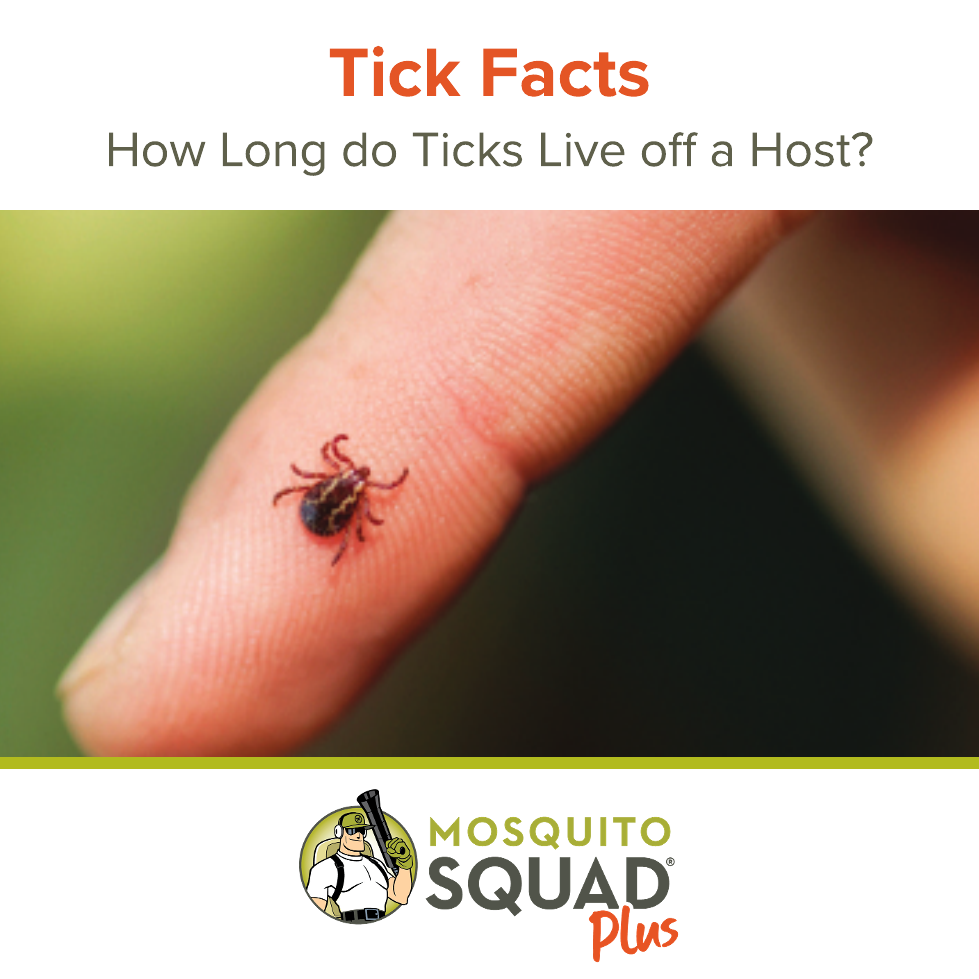
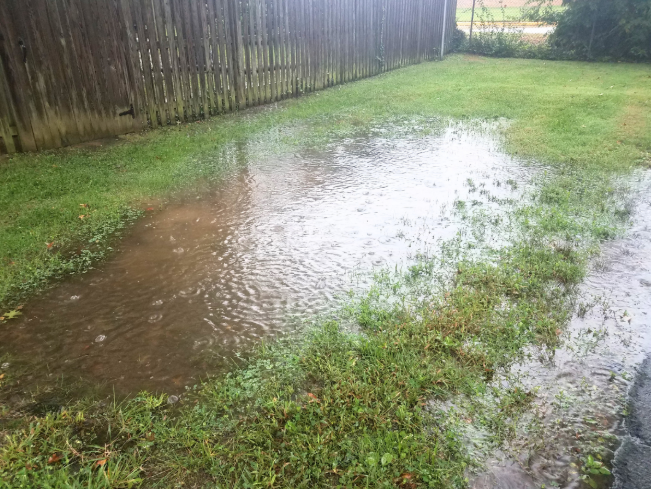
Rainfall directly affects mosquitoes more than other pests. Standing water found in birdbaths, clogged gutters, or puddles is where mosquitoes like to lay their eggs. Heavy rains can increase these breeding spots, which can result in higher mosquito numbers around your yard. On the other hand, extended dry periods can limit breeding areas, which may reduce mosquito activity for a while. When it comes to ticks, damp conditions support the survival of host animals like deer and rodents, which can end up supporting tick populations near yards and wooded areas.
Humidity Helps Pests Thrive
High humidity creates favorable conditions for many outdoor pests. Mosquitoes especially are more active when the air is moist because their bodies are prone to drying out. Similarly, ticks require a humid environment to maintain hydration and stay mobile.
Even if the temperature is perfect for pests, a low enough humidity can calm down pest activity for a short time. These seasonal changes in the air’s moisture are always a big factor in exactly what pest activity looks like in Waukesha.
Planning Your Waukesha Pest Control
Because the weather influences local pest behavior, regular pest control management tailored to the season can also help minimize risks. For mosquitoes, recurring treatments every three weeks during peak months can help protect your yard from mosquitoes and ticks. We can also help look at rainfall and temperature trends to be sure we apply at just the right time for maximum results.
For ticks, focusing on yard maintenance, like trimming shrubs and keeping the grass cut short, can also help reduce the habitats where ticks thrive. Combined with professional pest control treatments, these efforts can go a long way to making your outdoor spaces more comfortable during those peak pest months.
Weather Isn’t the Only Factor
No matter the season, staying proactive with Waukesha pest control and paying attention to local weather helps create a more enjoyable outdoor environment. If you notice an increase in mosquito activity after heavy rains or find ticks during humid spells, Mosquito Squad of Waukesha offers a recurring treatment plan that can help reduce mosquito numbers by up to 85-90% for up to three weeks and minimize tick exposure. Call us today at (262) 333-0395 to get a free quote and see how a professional, recurring pest management plan can help keep your yard more comfortable throughout the season.