Are Ticks Active During the Winter in Lexington, NC? What Homeowners Should Know
Posted by Mosquito Squad Plus
November 13, 2026
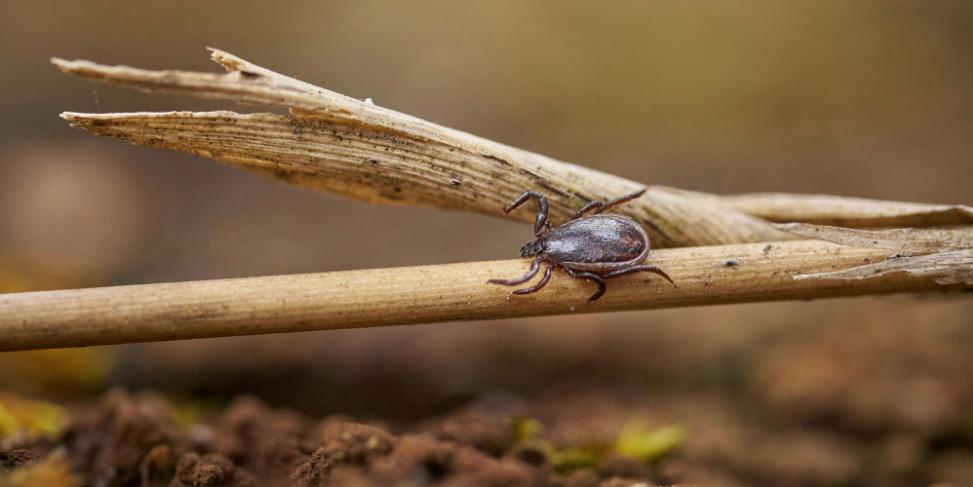
Winter and freezing temperatures can send some ticks into hiding for the season, but Lexington is known for milder winters, giving ticks a longer period of activity. Piedmont winters alternate between freezes and milder stretches, allowing some ticks to emerge in December or January. Properties with wooded spaces, adjacent fields, or forests may provide more opportunities for tick encounters. Keeping Lexington, NC tick control at the forefront of winter prep can be easier with help from Mosquito Squad Plus of The Sandhills.
Can Ticks Really Bite During a Lexington Winter?
Yes. Winter can slow tick activity, but not every species stays inactive until spring and warmer weather. Ticks tend to gravitate towards leaf litter during freezes as the layered material can help retain heat and moisture. When temperatures come back up, they will emerge seeking new hosts.
Ticks cannot jump or fly; instead, they typically wait on branches, tall grasses, or other brush along walkways and grass posts as they pass. Lexington tick control begins with recognizing that the chance of an encounter can occur throughout the year.
Three Tick Species Lexington Homeowners Should Know
Blacklegged Ticks: The Winter Species to Watch
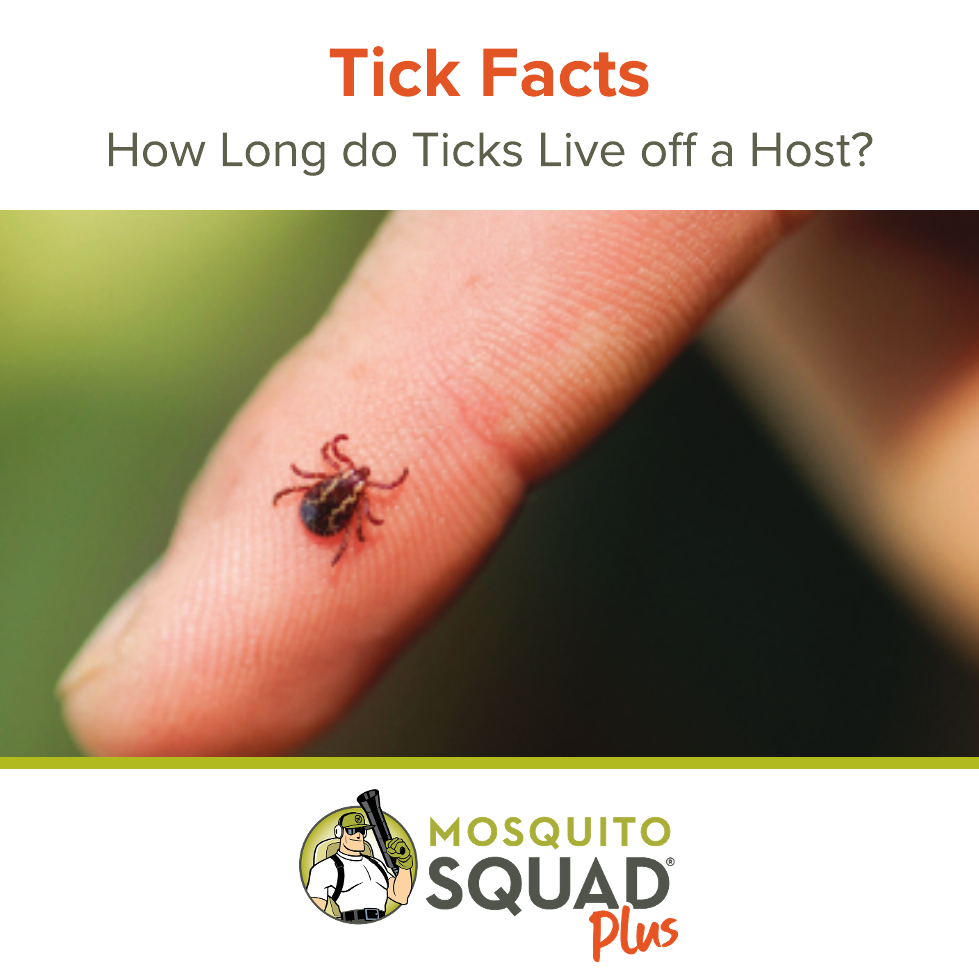
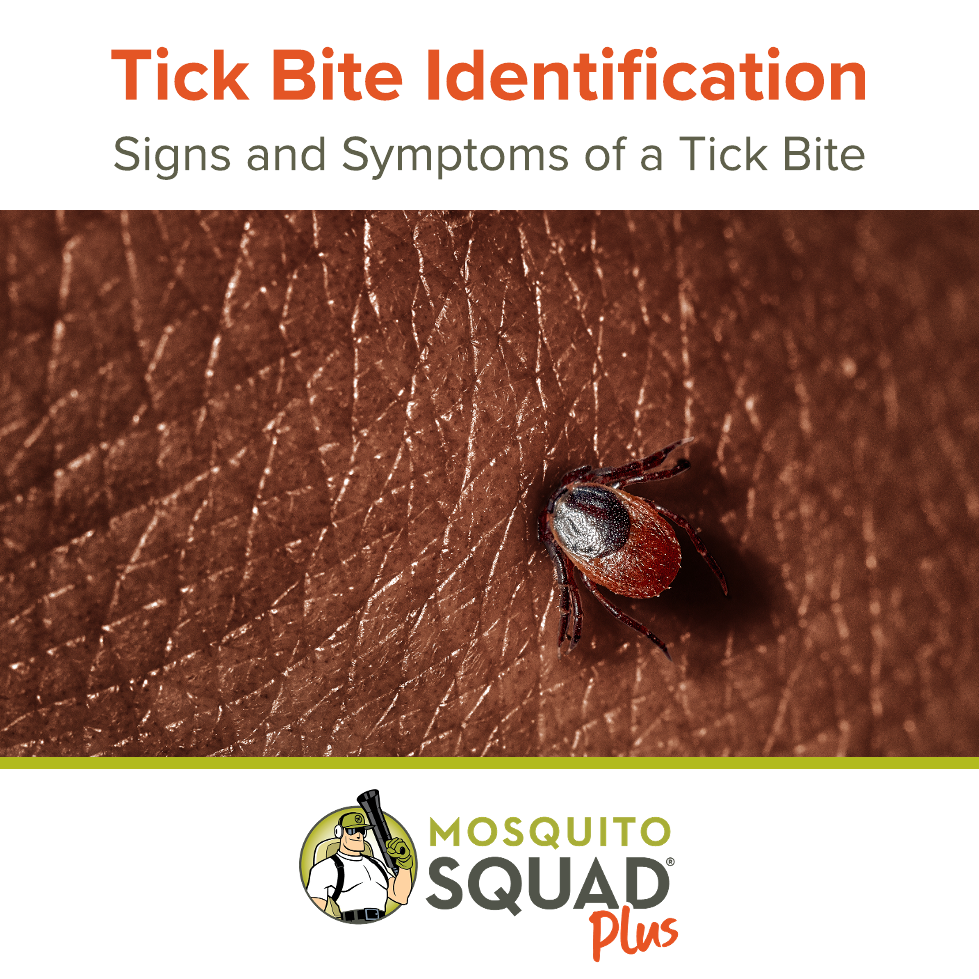
Also called deer ticks, blacklegged ticks feed on different hosts as they develop. Immature ticks feed on mice and birds, while adults commonly use white-tailed deer, but people and pets can also be hosts. Unlike many other species, adults may quest for a blood meal during mild winter weather. They can transmit pathogens responsible for Lyme disease, anaplasmosis, and babesiosis. Reducing leaf buildup in tick-prone yard areas can make these habitats less inviting.
Lone Star Ticks: More Active in Warmer Months
Female lone star ticks are recognizable by the pale spot on their backs. White-tailed deer are important hosts, but these ticks also feed on dogs, people, and other mammals. They are most active in warmer months, spending much of winter sheltered. Lone star ticks can transmit ehrlichiosis and are associated with alpha-gal syndrome, an allergy to red meat. Professional tick treatments can address habitat areas as activity increases with warmer weather.
American Dog Ticks: A Concern for Pets and People
American dog ticks are not exclusively looking for dogs as hosts, especially when in immature stages. They will seek small mammals like mice when in immature, nymph stages. Once fully mature, they favor larger mammals such as dogs, but also humans. You will see their activity peak in spring and summer.
How to Reduce Winter Tick Encounters
A few simple steps can help limit tick activity in your yard.
- Routinely rake leaves and brush away from patios and walkways
- Overgrown landscaping and grass should be trimmed back, especially around paths and fence lines.
- Check clothing, skin, and pets after time in brush or tall vegetation.
- Ask your veterinarian about consistent tick prevention for pets.
Where Professional Tick Control Fits
Persistent activity may call for professional care when treatment season begins. Mosquito Squad Plus of The Sandhills offers targeted tick control services that focus on vegetation and other likely tick habitats. Tick tubes, generally placed in spring and optionally in fall, target ticks associated with nesting rodents. Call (910) 387-5983 for a free quote over the phone or contact Mosquito Squad Plus of The Sandhills online to explore local treatment options suited to your yard.