Heavy Summer Downpours and Their Impact on Spider and Ant Pressure
Posted by Mosquito Squad Plus
September 22, 2026
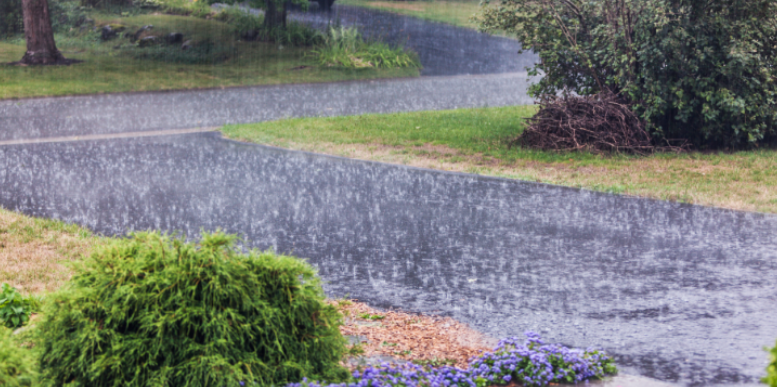
Summer in Lumberton is hot and humid, with heat and thunderstorms peaking in August. The frequency of downpours saturates the ground, creating puddles and even causing the Lumber River to rise. With the rain, saturated soil, runoff, and damage to greenery can all push ants and spiders to search for different places to rest. Mosquito Squad Plus of The Sandhills provides Lumberton pest control for common outdoor pests and can help when weather shifts their movements.
Why Summer Rain Can Increase Pest Pressure
Rain disrupts ant colonies, and the accompanying wind may blow webs around enough to dislodge them. With summer downpours, properties may be at risk for flash flooding, which can wash away Ant colonies and items that spider webs may be attached to. Other places ants and spiders may rest, like leaf litter, mulch, or overgrown brush, may flood as well with heavy rain. After a storm, you may notice more activity and think there are more pests, but rather, these are ants and spiders seeking out drier shelter.
How Do Ants React to Heavy Rain?
When water reaches an underground nest, worker ants may move broods and other colony members toward drier parts of the nest or higher ground. Fire ant mounds can become especially noticeable after rainfall because moist soil is easier to work as colonies repair tunnels and rebuild mound structure. Red imported fire ants are common across eastern North Carolina, while Argentine ants, odorous house ants, and carpenter ants may also occur around homes. Professional fire ant control can target active mounds and other established areas.
Why Spiders May Show Up Closer to the House
Downpours may tear webs or flood ground-level retreats. A common issue that may drive spiders out of their usual corners is that downpours also drive the insects spiders feed on into different areas. This means the spiders will follow to eat.
What Happens After Repeated Summer Storms?
Repeated summer storms may lead to a more permanent rearrangement of pest habitats. When the soil stays damp for long periods of time, ants may begin appearing along foundation edges or along pavement while seeking and adjusting their nesting locations. Spiders will also relocate both to more sheltered places for their webs and where their prey has moved. Warm, humid conditions can also support insects that spiders use as food. For properties dealing with several outdoor pests at once, Squad Yard Defender is designed to address outdoor ants, spiders, fleas, ticks, and other crawling, biting, and stinging pests through one treatment plan.
How Can Homeowners Reduce Ant and Spider Activity?
After the yard drains and dries out, check previous problem spots and the rest of the yard for new ant mounds, trails, webs, or activity around the home’s perimeter. Sealing gaps around doors, windows, and utility penetrations can also discourage pests from moving inside. As your property goes back to a drier state, you may notice the downpours have driven new pests onto your property, and you should consult with our Lumberton team about a pest package to address multiple nuisance pests without separate visits.
When Is It Time to Consider Lumberton Pest Control?
Our Lumberton pest control services include options for spiders, fire ants, and other outdoor pests, so treat for a wide range of pests you may encounter. If storms are bringing ant mounds, spider webs, or other pest concerns closer to your home, contact Mosquito Squad Plus of The Sandhills to discuss Lumberton pest control options. A team member can work with you to get a full picture of your property and what pests you may be seeing. Give us a call (910) 387-5983 to discuss potential options for your property and for a free quote.