How to Spot Early Rodent Signs
Posted by Mosquito Squad Plus
October 12, 2026

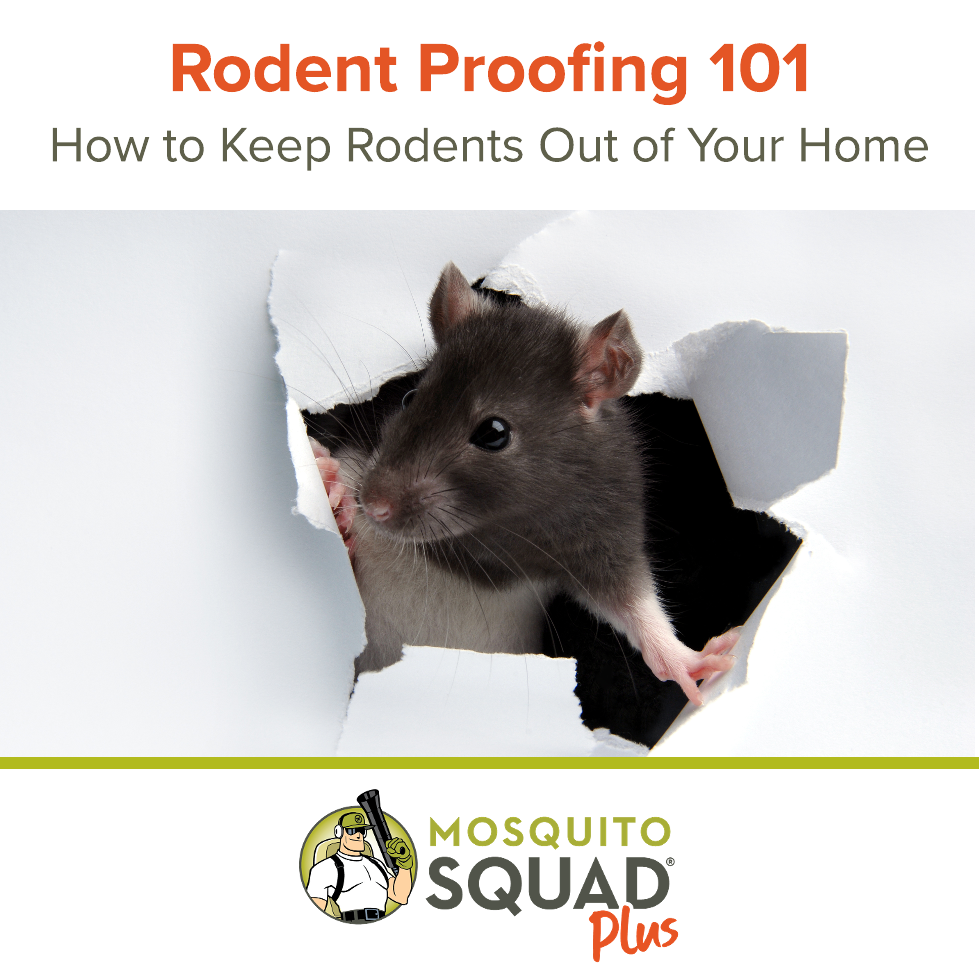
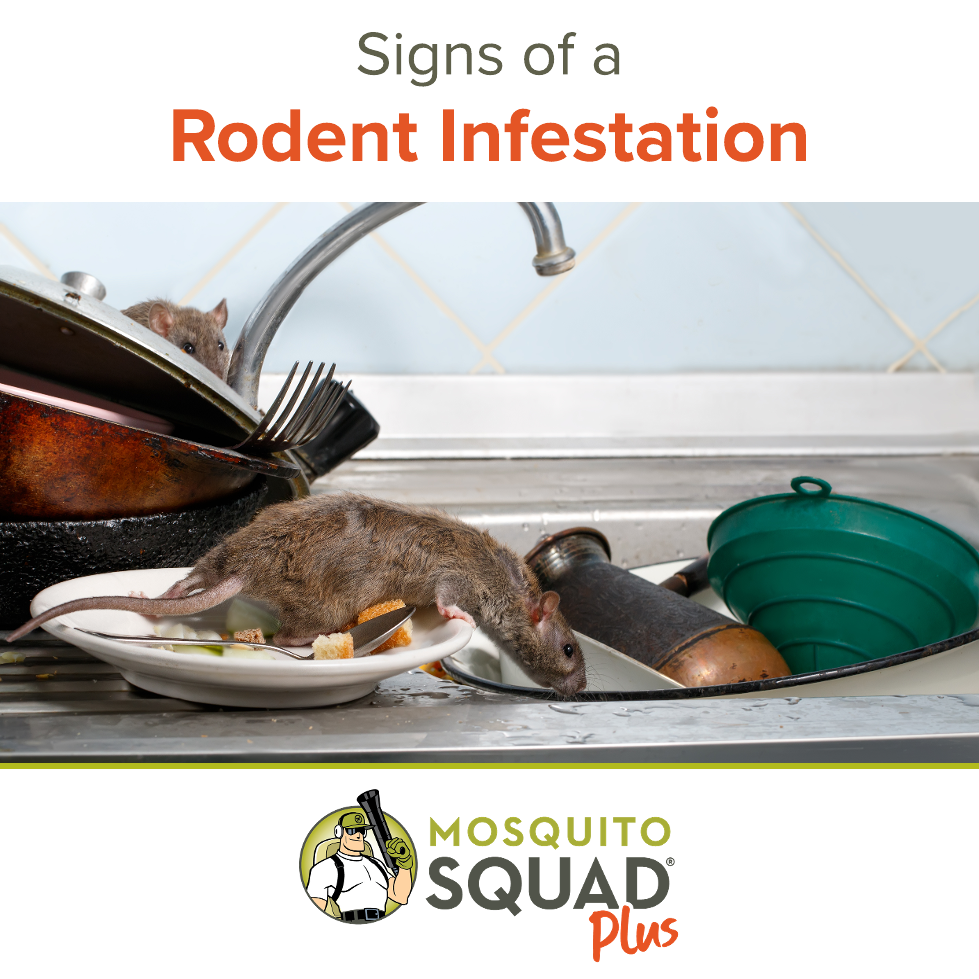
Rodent problems often announce themselves long before you see a mouse. Droppings, fresh gnaw marks, shredded nesting material, damaged food packaging, nighttime scratching, traffic marks, and unusual stale odors are just a few of their typical calling cards. Any, and especially multiple, signs can mean that you need rodent control in Hudson, NH.
One unexplained sound or damaged package does not tell you the whole story. What matters a great deal more is whether several pieces of evidence begin pointing toward the same area. When this happens, it can help you zero in on where the rodents are hiding.
Why Rodents Keep Using the Same Routes and Shelter
Droppings are some of the most useful signs because their location can tell you where rodents might be traveling. Check along walls and around stored materials first. You’ll be far more likely to find rodents in places like these than open spaces. Think about what could provide food and shelter to rodents in your kitchen, garage, basement, storage space, or wherever else you might be dealing with an infestation.
Gnaw marks are another clue. Rodents chew regularly, so fresh damage around packaging, stored materials, or structural openings should alert you to their presence. Shredded paper, fabric, and insulation are also important to watch for as rodents can use any of these, and similar materials, to build their nests.
For matters related to rodent control, clues are not just visual. Scratching or movement at night can be consistent with rodent activity, but attic and ceiling noises should not automatically be blamed on mice. Squirrels, bats, insects, and even ordinary building noises can produce sounds that are easy to misidentify.
How to Make the Property Harder for Rodents to Use
Rodents like to go back to places where the conditions favor them. They need an entry route, but they also benefit from food, water, and protected shelter. If your property provides all of these things, you could clear every single rodent out and still be dealing with brand new ones next year.
Mice only need openings about a quarter-inch wide. That means everything from vents to the gaps around cables and pipes can easily allow them in. And if, once they’re inside, rodents find birdseed, pet food, and trash, they can eat well while there. Clutter can give rodents a place to shelter easily, unseen, on the inside of the home. Overgrown vegetation can do the same thing on the outside. You want to deny them this food and these protected spaces whenever you can.
This is also where the clues mentioned early help because you can sometimes find the paths rodents like to follow. Rub or traffic marks, droppings concentrated along walls, or recurring damage in one storage area can help narrow down where rodents are moving. That tells you where you should focus your initial efforts to make your house less attractive.
After you clear out the existing rodents, you can then focus on sealing up the entry points they used to get inside in the first place. Do this last so you avoid trapping them inside. Be sure to use rodent-resistant materials when sealing gaps that allow rodents indoors.
When to Call for Professional Rodent Control in Hudson
Mosquito Squad of Southern New Hampshire can inspect the property, help identify what is causing the activity, and develop an appropriate plan using source reduction, exclusion, and targeted treatment where needed.
Need help with rodent control around your Hudson property? Call Mosquito Squad of Southern New Hampshire at (603) 538-3125 or request a free quote online.