What Wyoming Homeowners Should Know About Mosquito Biology (And Why It Makes All the Difference)
Posted by Mosquito Squad Plus
August 13, 2026
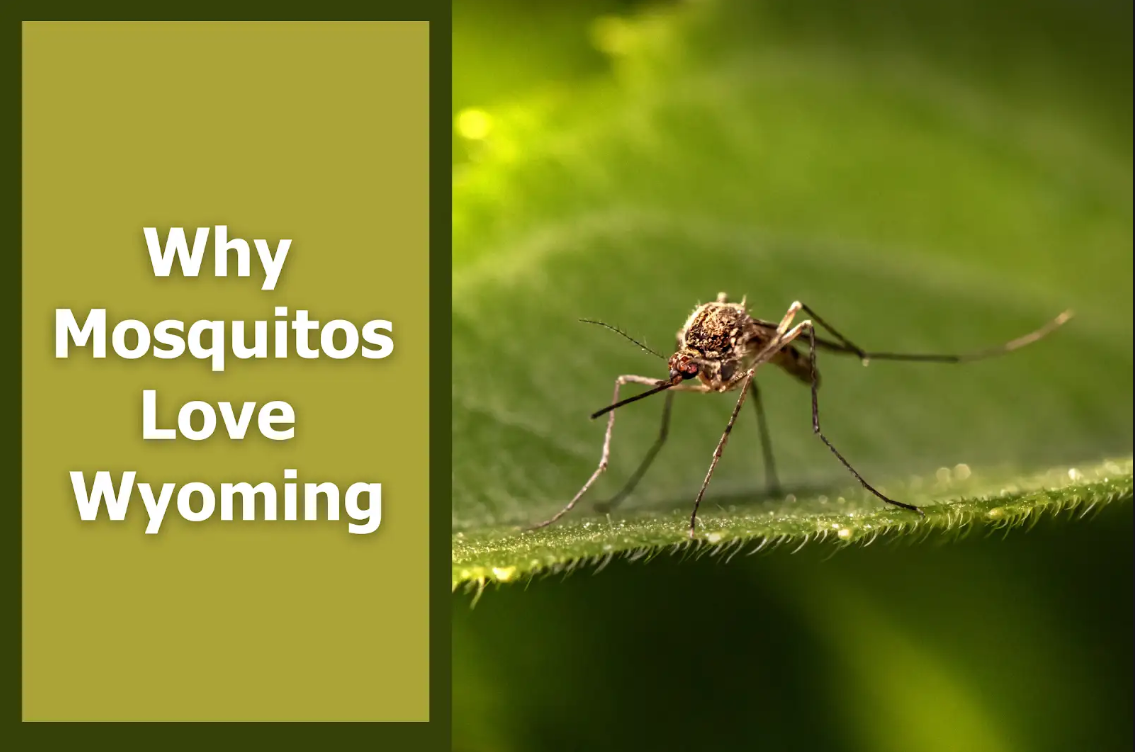
You can't effectively fight something you don't understand. Mosquitoes aren't just a nuisance — they're remarkably well-engineered survivors, and Wyoming's landscape happens to be an ideal environment for them. If you've ever wondered why your backyard still feels like a war zone despite your best efforts, mosquito biology goes a long way toward explaining it — and toward understanding what actually works when it comes to mosquito control in Southeast Wyoming.
How Does a Mosquito's Life Cycle Work?
Every mosquito goes through four life stages: egg, larva, pupa, and adult. All four require water in some form — which is why standing water elimination is such a cornerstone of mosquito control. But "standing water" means a lot more than a neglected bird bath.
Eggs are laid in or near water, but the strategy varies by species. Some mosquitoes deposit eggs directly on the water's surface. Others — particularly the Aedes group, which are the most pestiferous mosquitoes in Wyoming — lay their eggs individually in soil that will later flood. This seemingly small difference has enormous consequences: Aedes eggs are cold-tolerant and desiccant-resistant, meaning they can survive Wyoming winters in dry soil and remain viable for months or even years while they wait for the right conditions.
Larvae hatch and immediately begin feeding on microorganisms in the water. They breathe at the surface and molt four times before moving to the next stage. In warm summer temperatures, this can happen in as little as four to seven days — meaning a puddle from a rainstorm can produce biting adults within a week.
Pupae don't feed, but they're mobile, and development typically takes about two days. When complete, the pupal skin splits and an adult mosquito emerges.
Adults initially feed on plant nectar for energy. From there, the paths diverge: males live briefly and don't bite, while females seek out a blood meal. The protein in blood enables a female to develop her eggs — and with each blood meal, she can produce up to 300 eggs, repeating this cycle two to four times in her lifetime.
Which Mosquito Species Are Most Common in Wyoming?
Wyoming has approximately 56 documented mosquito species. Southeast Wyoming's mix of irrigated pastures, seasonal floodplains, drainage ditches, and open rangeland gives multiple species exactly what they need to thrive. The ones causing the most problems for Cheyenne, Laramie, and Casper homeowners generally fall into a few key categories:
Aedes vexans (the Inland Floodwater Mosquito) is one of the most common mosquitoes in the world and a major pest across Wyoming. It breeds in irrigated pastures, ditches, river floodplains, and temporary pools. Its eggs can survive in soil for up to three years, hatching in waves across the season — which is why new mosquito populations keep appearing even after a stretch of dry weather.
Aedes dorsalis (the Summer Saltmarsh Mosquito) is a strong flier that can travel significant distances from its breeding habitat. It's an aggressive, opportunistic feeder that bites during the day and at dusk — meaning mosquitoes landing on you in your backyard may have hatched well outside your neighborhood.
Culex tarsalis (the Western Encephalitis Mosquito) is Wyoming's primary West Nile virus vector. It's an aggressive day biter that will enter buildings and shifts its feeding from birds to humans, horses, and cattle as summer progresses. Adult females overwinter in sheltered areas like sheds and garages, re-emerging in spring.
Why Is Mosquito Control So Difficult in Southeast Wyoming?
The biology points to the answer. Because Aedes eggs hatch in waves throughout the season, new populations are continuously emerging. Because floodwater species like Aedes dorsalis travel long distances, your property is constantly being replenished from the broader landscape — fields, irrigation channels, neighboring properties. And because mosquitoes spend most of their time resting in vegetation rather than flying in open air, passive methods like zappers and citronella candles simply don't reach them where they live.
In Wyoming, tall grasses in hay fields are a notable resting habitat. When hay is cut, the mosquitoes displaced from those fields can temporarily flood neighboring properties in significant numbers — a uniquely regional pressure that homeowners near agricultural areas in Cheyenne, Laramie, and Casper experience firsthand.
Where Do Mosquitoes Hide During the Day?
Adult mosquitoes actively seek out cool, humid, sheltered spots during the heat of the day — dense vegetation, shaded shrubs, tall grasses, and areas close to structures. This resting behavior is precisely why professional barrier treatments are so effective: they target the vegetation and shaded zones where mosquitoes actually spend their time, rather than open air where mosquitoes are rarely found at rest.
What Are Those Big Mosquito-Looking Insects That Don't Bite?
Not every swarming flying insect is a mosquito. A few common Wyoming insects are frequently mistaken for mosquitoes but are completely harmless:
Crane flies are the most common culprit — large, long-legged, and alarming-looking, but they don't bite. Despite being nicknamed "mosquito hawks," they don't eat mosquitoes either.
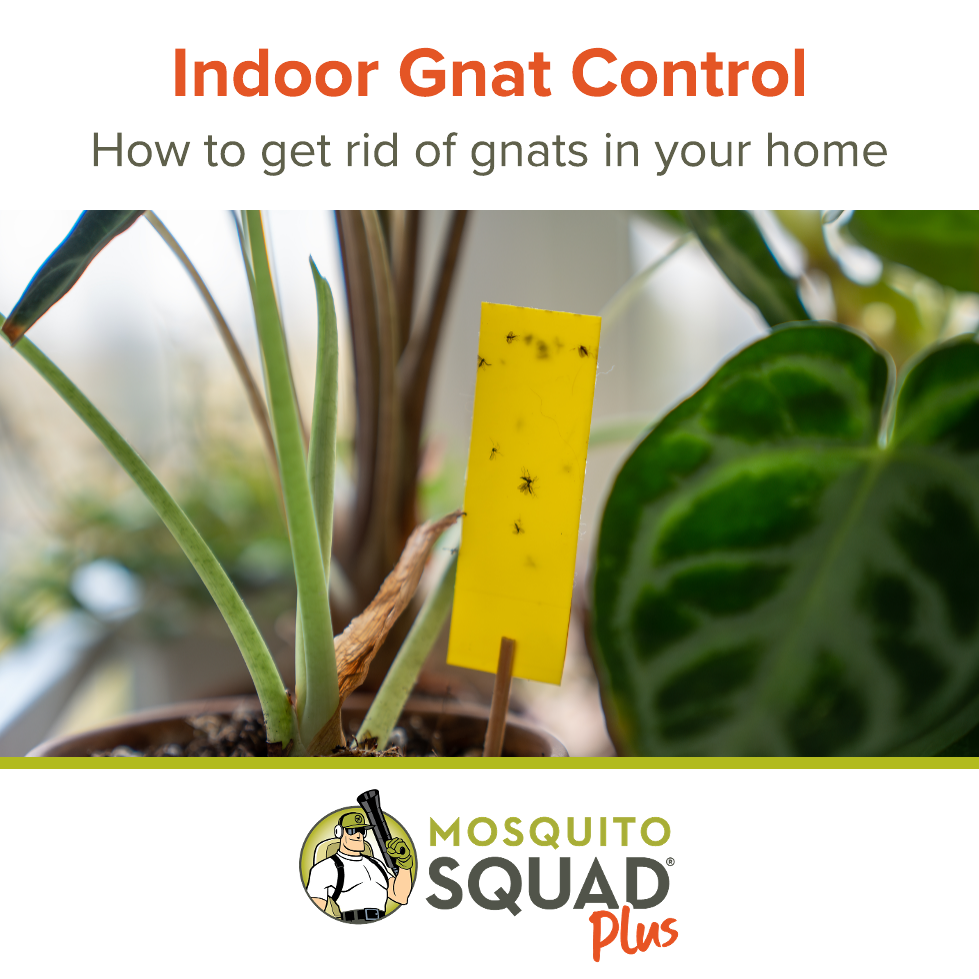
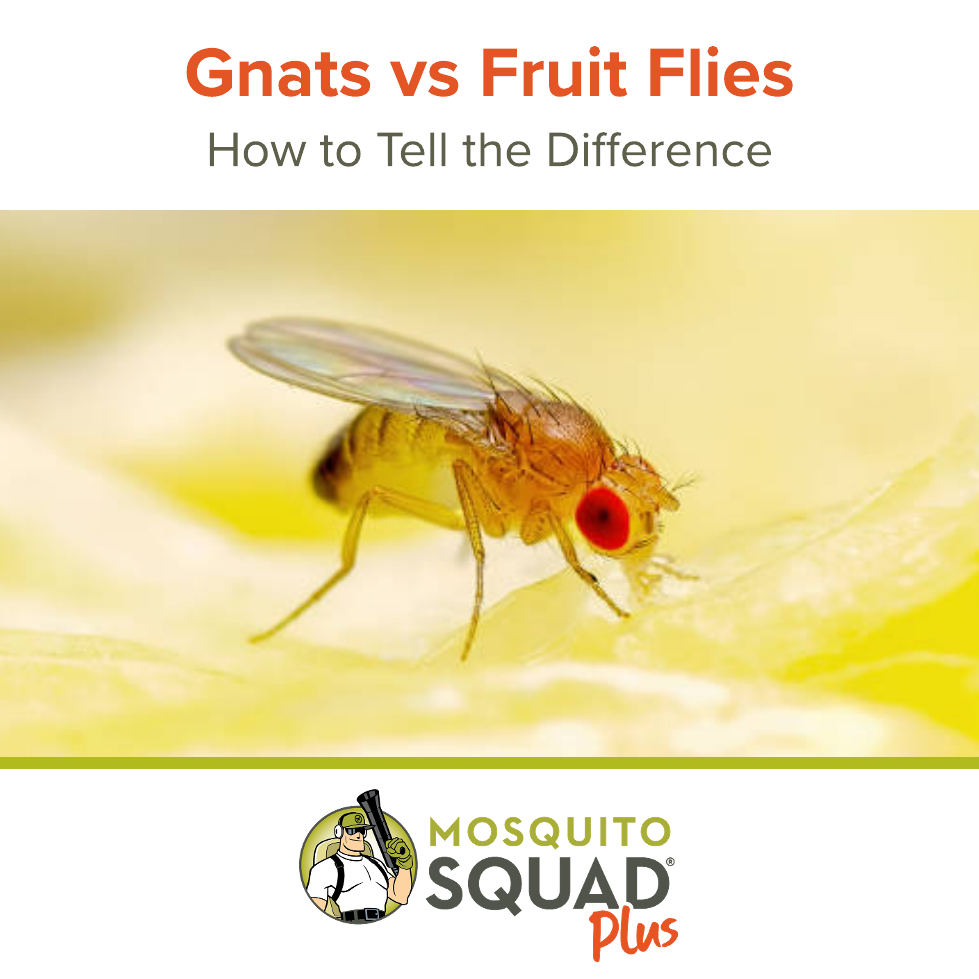
Gnats and fungus gnats resemble mosquitoes but are associated with damp soil and decaying organic matter. They don't bite humans.
Mayflies hatch in dramatic numbers near water but are short-lived and harmless as adults.
If you're seeing a large swarm near a light source and nothing is biting you, there's a good chance it's one of these — not mosquitoes.
Professional Mosquito Control in Southeast Wyoming That Targets the Source
Effective mosquito control in Southeast Wyoming requires a consistent, layered approach — one that accounts for wave hatching, long-range travel, and resting behavior. Mosquito Squad of Southeast Wyoming's licensed technicians apply barrier treatments directly to the resting and breeding zones that matter most, on a schedule that stays ahead of the continuous cycle of new hatch events throughout the season. Treatments are proven to eliminate up to 90% of mosquitoes on contact.
For households with kids, pets, or livestock, a natural treatment made with essential oils delivers the same targeted coverage with a botanical formula — and doubles as tick control for properties dealing with both.