Why Flea-Borne Typhus Is a Current L.A. County Concern
Posted by Mosquito Squad Plus
October 12, 2026
On August 21, 2026, LAist reported rising flea-borne typhus concern in LA County, putting residents on high alert. But this wasn’t the first report of the issue. Back in July 2026, LA County Public Health announced a localized Pico-Union outbreak. During this outbreak, five people were hospitalized and recovered. Countywide cases have risen significantly in recent years, with about 220 cases reported in 2025.
People were—and still are—urged to take this health risk seriously. When treated early, antibiotics can help effectively treat flea-borne typhus. Common symptoms, which typically appear within 1-2 weeks after infection, may include fever, headache, rash, and body aches.
To help avoid transmission, Los Angeles County Health Officer, Muntu Davis, MD, MPH, “advises keeping pets on flea control year-round, avoiding stray animals, and making sure wildlife cannot live in or around their homes.”
How Fleas, Animals, and Human Exposure Fit Together
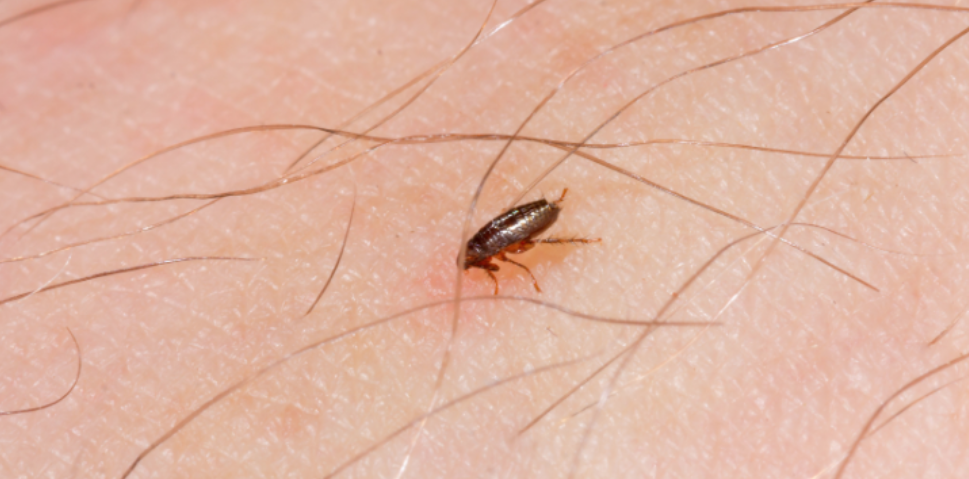
Flea-borne typhus is specifically transmitted through infected fleas, which can live as an external parasite on rodents, free-roaming cats, opossums, or even your pets. While these animals and wildlife don’t directly transmit typhus to people, infected fleas living on them could then expose people nearby.
According to a news release on the L.A. County Public Health website dated July 29th, 2026, “People can also become infected when flea dirt (poop) enters the body through cuts or scrapes in the skin or if rubbed into the eyes.”
If you’ve had contact with wildlife in L.A. County or pets that have spent time outdoors and suspect that you have contracted flea-borne typhus, seek medical attention immediately.
What Pasadena Residents Can Do to Reduce Flea and Rodent Risk
While flea-borne typhus poses a serious risk to people, there are ways you can help lower your risk of exposure to infected fleas and the wildlife that may carry them. Here are a few tips we recommend implementing as soon as possible:
- Keep pets on veterinarian-recommended flea prevention
- Properly secure trash and food to prevent wildlife from seeking it out
- Avoid feeding wildlife
- Reduce potential animal harborage
- Seal off access to your crawl spaces and attic
- Address rodent and flea activity
- Follow L.A. County Public Health guidance for illness concerns
Where Professional Pest Control Fits—and Where It Doesn't
If you’re looking for a way to help reduce flea pressure on your property, flea control and pest control in Pasadena, CA can help. We’ll always start with an initial property inspection to identify where fleas may be coming from, then use exclusion methods to help keep these pests (and wildlife) out of your home and other structures.
Finally, we’ll use our core barrier solution (made with EPA-registered products) to create a protective barrier around your home that helps stop infestations in their tracks and reduce pests by up to 95%. Throughout the season, we’ll return every three weeks to reapply the treatments and help offer lasting protection and peace of mind.
For questions about illness or flea-borne typhus exposure, follow L.A. County Public Health guidance. For help with flea, rodent, or other pest pressure around your Pasadena property, call Mosquito Squad of Pasadena at (213) 238-5564 or request a free quote online.