How Humidity and Creeks Are Driving Flea and Tick Spikes in Norman
Posted by Mosquito Squad Plus
July 30, 2026

Norman’s network of creeks and drainage corridors shapes the city’s landscape. Bishop, Brookhaven, Merkle, Imhoff, and Ten Mile Flat Creeks all move through or near developed areas. The water in these creeks is not where fleas and ticks breed; rather, the moisture from the creeks saturates the surrounding area. Shaded banks, damp soil, thick vegetation, and leaves are prime breeding and resting spaces for fleas and ticks. Add in the wildlife that flocks to these creeks for water, and you have easy access to hosts. Mosquito Squad Plus of Oklahoma City offers Norman, OK pest control for homeowners dealing with these seasonal pressures.
Why Humidity Matters to Fleas
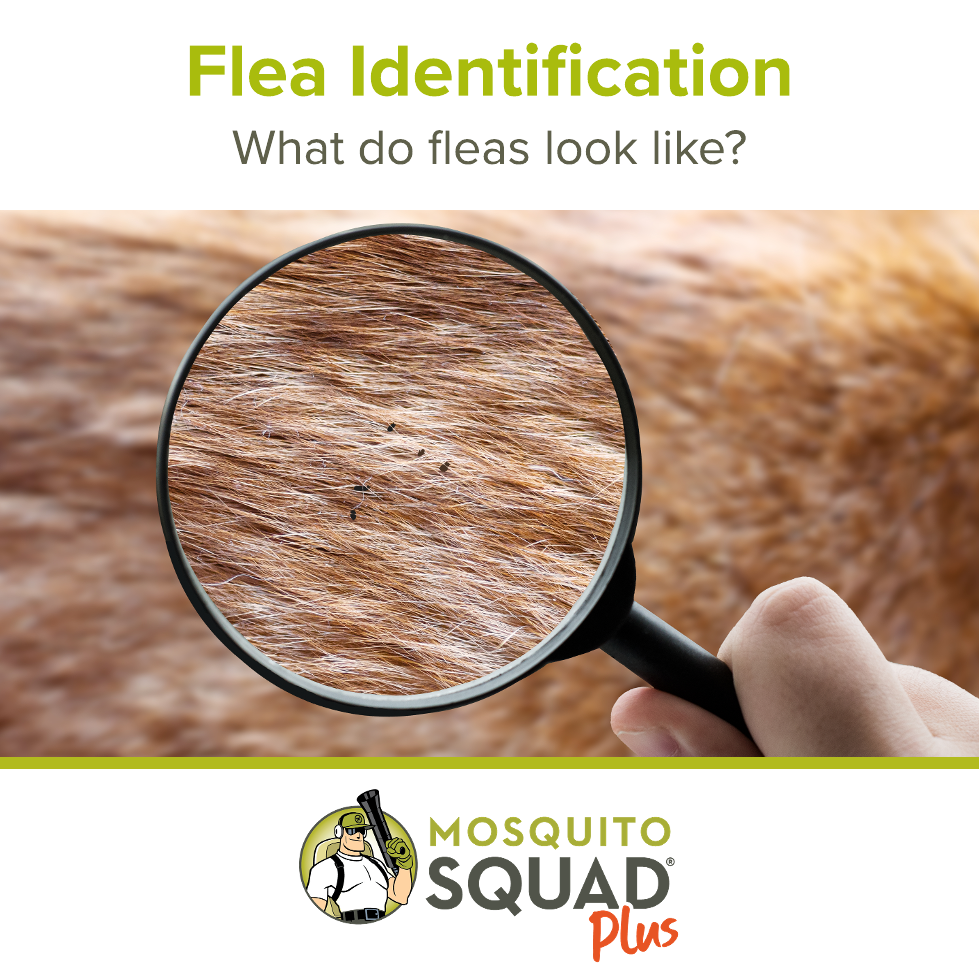
Fleas do especially well when warmth and moisture overlap. Adult fleas spend most of their time on an animal host, and are usually spotted when they jump. Flea eggs fall into pet bedding, soil, and shaded, damp areas of the yard. You may also see "flea dirt," the feces left behind by fleas, an indicator that you may have an issue.
Flea eggs and immature stages of development require moisture to thrive, so areas that stay sunny, like patios and grass, aren't great for flea development. Fleas will seek out humid spots under decks, woodpiles, and outdoor kennels.
Fleas thrive when relative humidity is at least 50%, with the cat flea’s life cycle performing best in even more humid conditions. Especially in spring and summer, rain is followed by warm temperatures- a perfect recipe for humidity. Once pets, stray animals, or wildlife pass through, those pockets can become active quickly. Professional flea control can help address these problem areas.
How Creeks Support Tick Habitat
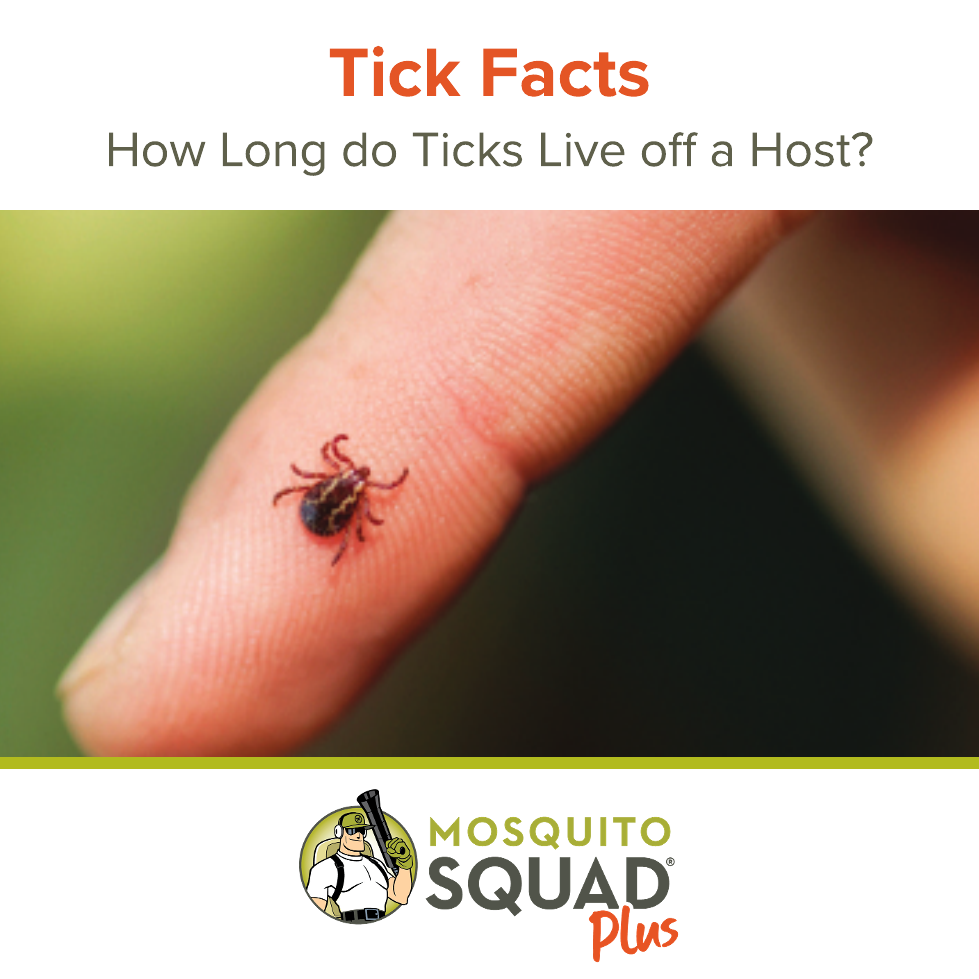
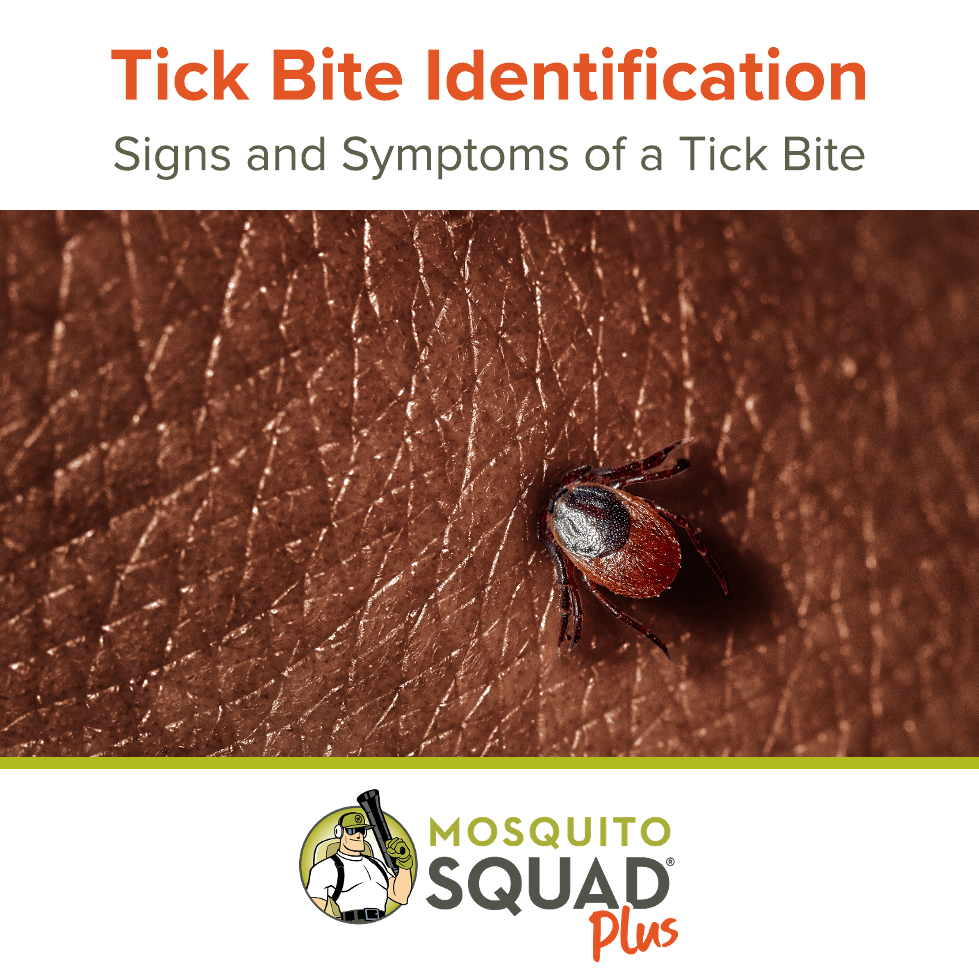
Ticks do not live in creek water, but creek edges are full of covered corners and piled leaves, creating an ideal habitat they can use. Creeks and the surrounding foliage also attract deer, rodents, raccoons, and other animals that may carry ticks across the landscape.
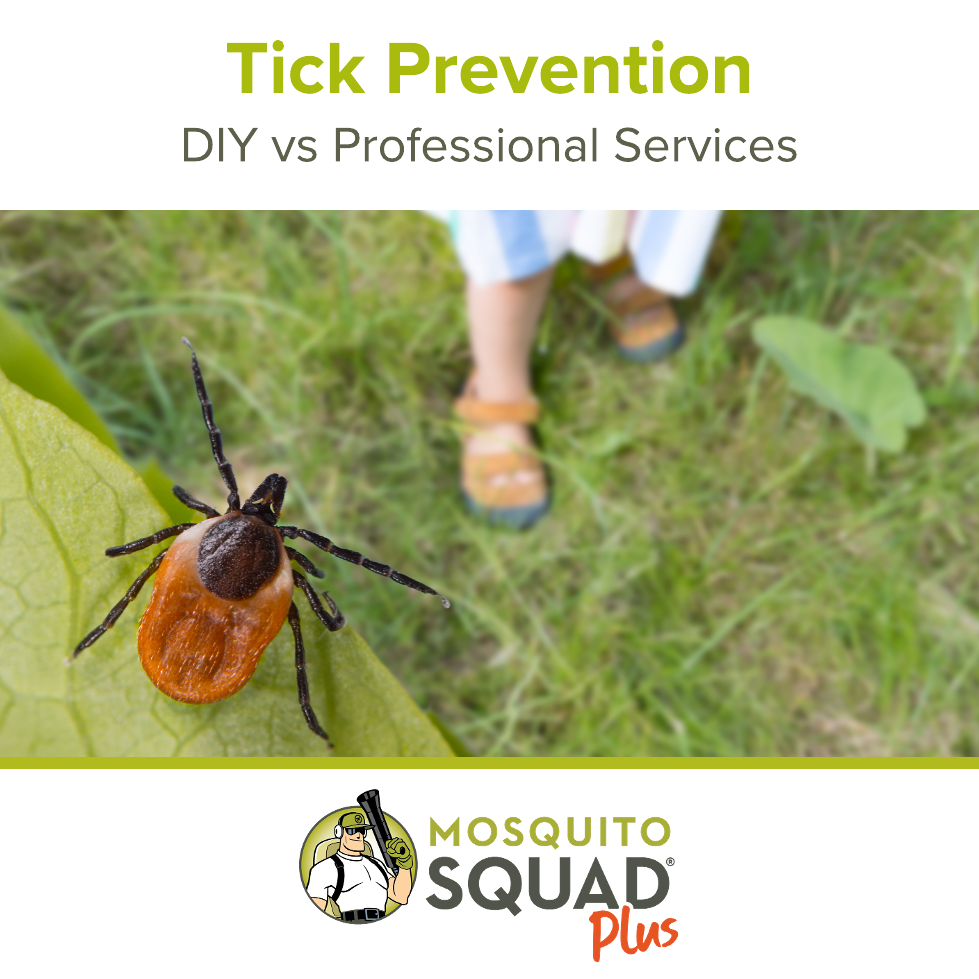
Even if your house isn't near woods, several creeks run through Norman's urbanized areas, connecting neighborhoods and larger green spaces. Wildlife will still meander down creeks, and the damp banks will continue to provide habitats for fleas and ticks. Targeted tick control focuses on the places where these pests are most likely to rest or travel.
Pets Can Bring Both Pests Closer
Dogs and cats are the animals you might think are most likely to carry fleas. They are prone to them, but not any more than other wildlife. The difference is that pets come inside the house and can bring ticks and fleas into the home.
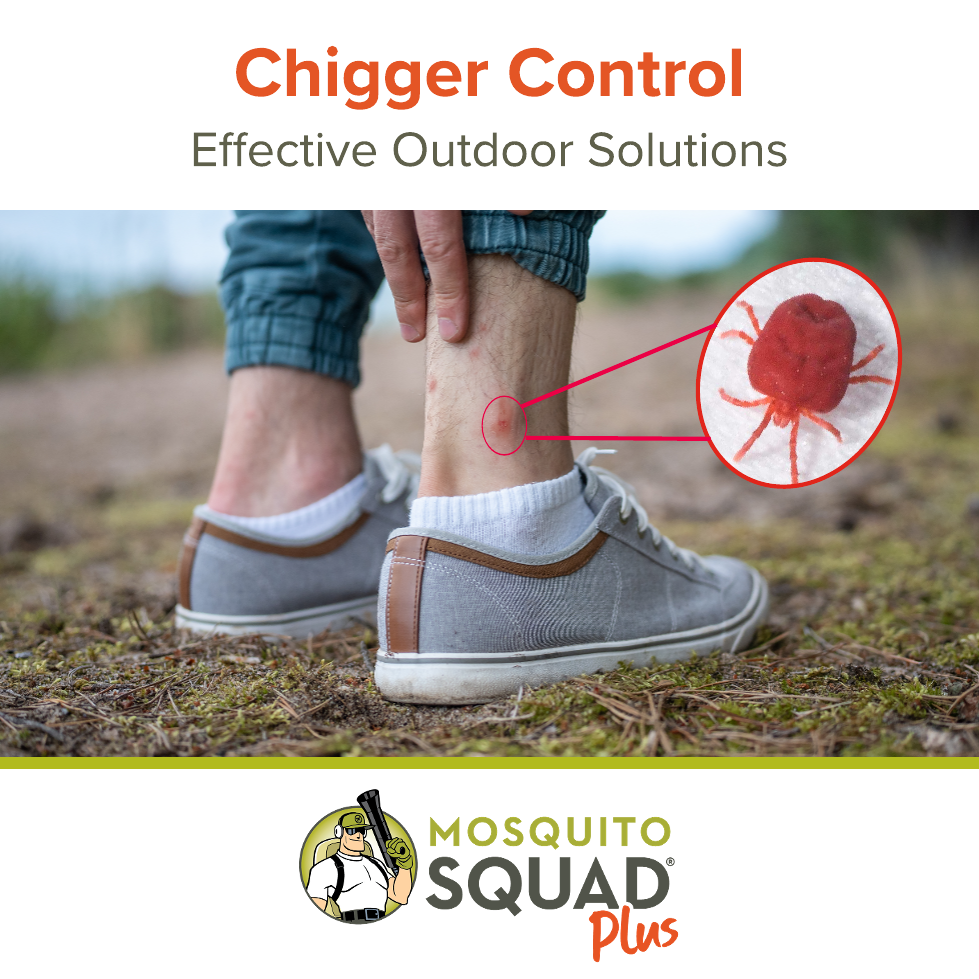
Pay attention to scratching, flea dirt in bedding, or small bites around the ankles. For ticks, check around ears, collars, toes, and other concealed areas after outdoor activity. Promptly removing an attached tick and contacting a medical or veterinary professional with health concerns are sensible next steps.
Make the Yard Less Inviting
A few maintenance habits can reduce the sheltered conditions that fleas and ticks favor. Keep grass trimmed, clear leaf litter, cut back dense vegetation, and avoid letting brush collect along fences. A gravel or wood-chip border between maintained yard areas and wooded edges may also help separate frequently used spaces from tick habitat.
Professional Flea and Tick Control in Norman
Available pest control packages may also include granular applications for fleas and ticks as additions to normal treatments.
Call (405) 792-0230 or contact Mosquito Squad Plus of Oklahoma City to request a free quote over the phone. Our local team can discuss what you have noticed and recommend a Norman, OK pest control plan for your home and yard.