Where Are Ticks Most Likely to Be Found Around My Property?
Posted by Mosquito Squad Plus
August 11, 2026

Because of their size and where they choose to rest, ticks are fairly easy to overlook until they've attached themselves to a host. Their habitats are also varied in the Louisville area, due to forests, rivers, and wildlife movement. Mosquito Squad Plus of Louisville can answer your questions and recommend professional Louisville tick control that fits your property.
What Are Ticks?
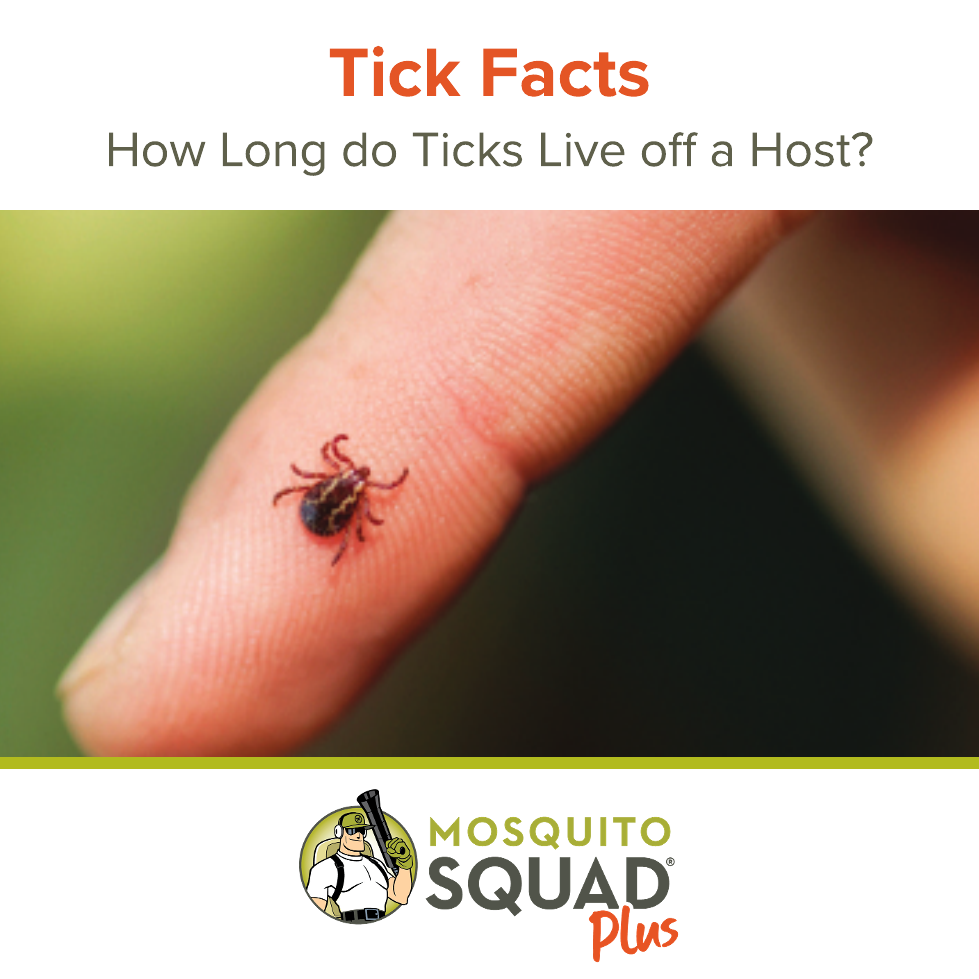
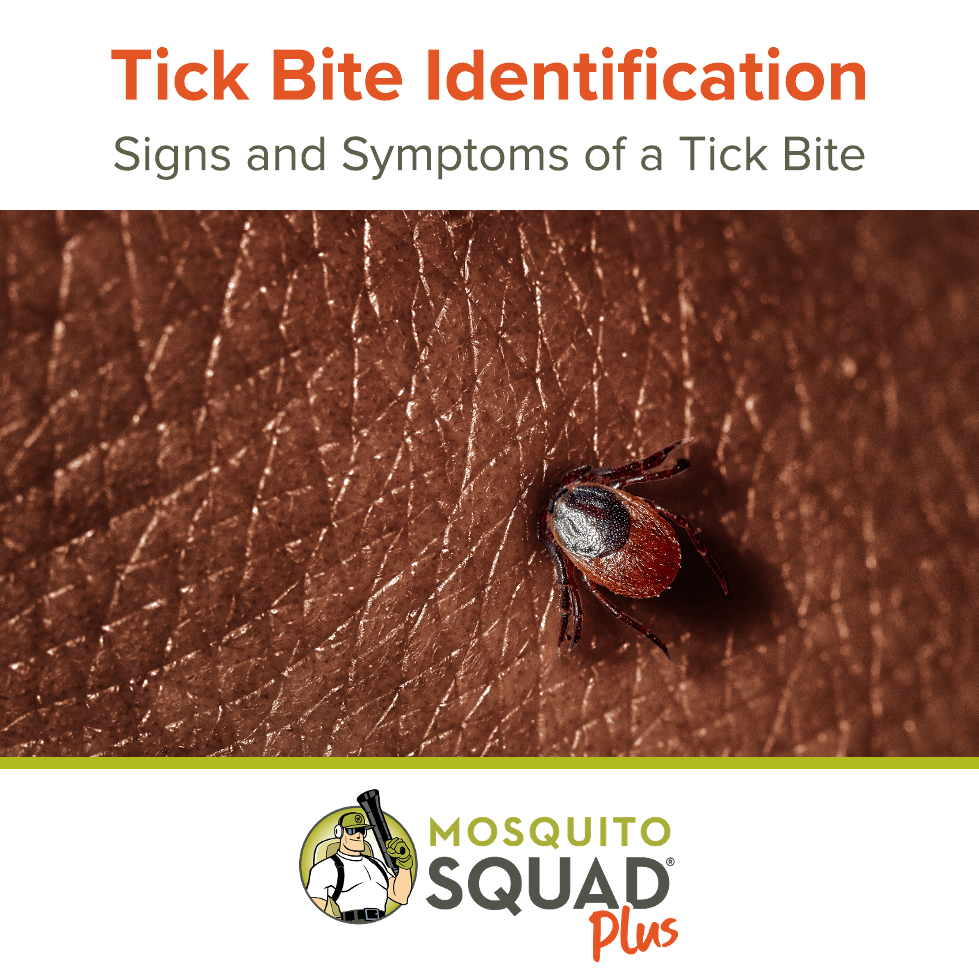
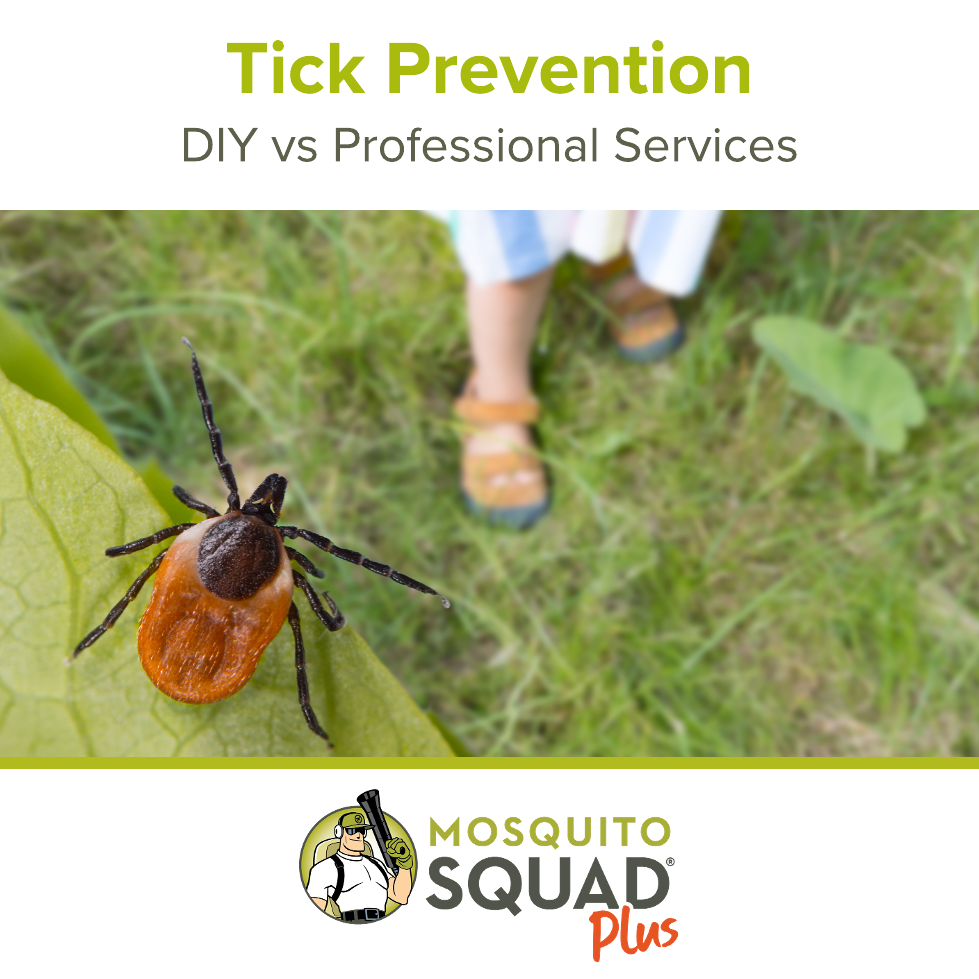
Although they crawl and have multiple legs, ticks are considered arachnids, more closely related to spiders than other insects. As they grow, ticks require a blood meal from hosts (humans, pets, wildlife) to continue developing or reproducing. They seek out shaded, humid areas like foliage and the underside of woodpiles. Tick control is effective when our team pairs with practical homeowner knowledge.
Which Tick Species Are Common in Louisville, KY?
Kentucky is home to several tick species, with the lone star tick, American dog tick, and blacklegged tick among the most common. Lone star ticks are frequently associated with wooded or brushy environments, while American dog ticks are often encountered around grassy fields and trail edges. Blacklegged ticks tend to favor wooded settings with moist leaf litter. These differences are one reason professional pest control services take property conditions and likely pest habitats into account when determining where treatment should be focused.
Where Are Ticks Most Likely to Be Found?
Ticks typically favor humid, shaded environments that help prevent them from drying out. On a Louisville property, that can mean woodland borders, fence lines, taller grass, brush, groundcover, leaf litter, stacked wood, and other areas where wildlife regularly travels. The transition between a maintained yard and wooded or overgrown vegetation can be especially important. Targeting these types of areas is a key part of professional tick control treatments because ticks are more likely to encounter passing hosts there.
Does Life Stage Impact Tick Location?
A tick’s life stage can influence the hosts it seeks. Because tick hosts vary widely, you may find nymphs that latch onto mice up close to the house, and in less wooded areas. Adult ticks will seek larger hosts, so they may not be found in the yard as much. Adults also climb more vegetation while waiting for an animal or person to pass.
How Do Ticks Get on My Property?
Ticks cannot fly or jump. Instead, they often climb vegetation and wait with their front legs extended until a suitable host brushes past. Deer, mice, squirrels, birds, pets, and other animals can carry ticks into residential landscapes, while people may pick them up after spending time in wooded or brushy areas. Clearing excess leaf litter, trimming dense vegetation, and checking people and pets after outdoor activity can complement professional pest management services by making parts of the property less favorable for ticks.
Are Ticks Dangerous?
Some tick species can transmit pathogens that cause illness, making prevention especially important for people who spend time outdoors. Not every bite will result in illness, but understanding the risks gives you a bigger picture and helps you understand why professional tick control might be a good fit for your property. Blacklegged ticks can transmit the bacteria that cause Lyme disease, American dog ticks are associated with Rocky Mountain spotted fever, and lone star ticks can transmit ehrlichiosis and are associated with alpha-gal syndrome.
How Can Professional Louisville Tick Control Help?
A Mosquito Squad Plus technician will do a property inspection before each treatment to make sure we are applying treatments in the most effective locations. Contact Mosquito Squad Plus of Louisville for a free quote over the phone and information about available pest control options.