What Are No-See-Ums and Why Are They Biting Greenville Homeowners?
Posted by Mosquito Squad Plus
October 2, 2026
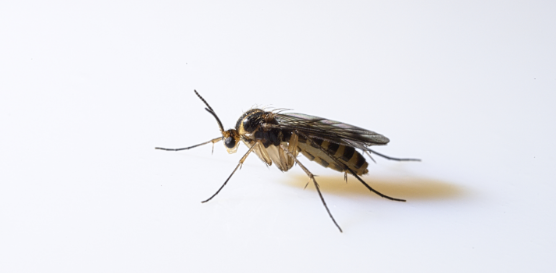
Even smaller than mosquitoes, no-see-ums can be hard to see and leave you with painful, itchy bites after time spent outdoors. These tiny biting midges are active across South Carolina and flourish in warm and humid conditions. Mosquito Squad Plus of Greenville is ready to build the right Greenville pest control package for your home and lifestyle.
What Exactly Are No-See-Ums?
No-see-ums are extremely small flies in the biting midge family. The vast majority of no-see-ums don't exceed 3 mm long, which is how they earned their nickname– you often feel the bite of the no-see-um without seeing the pest itself.
Unlike mosquitoes, their tiny size can allow them to slip through ordinary window or porch screens. They are most often found in areas with moist soil and other damp organic matter. Locations can include ponds, streams, swamps, and more.
Why Do No-See-Ums Bite?
There are male and female no-see-ums, and they get their food from different locations. The males of the species feed primarily on plant nectar, while female no-see-ums need a blood meal most of the time. This is because it is required in order for them to lay eggs.
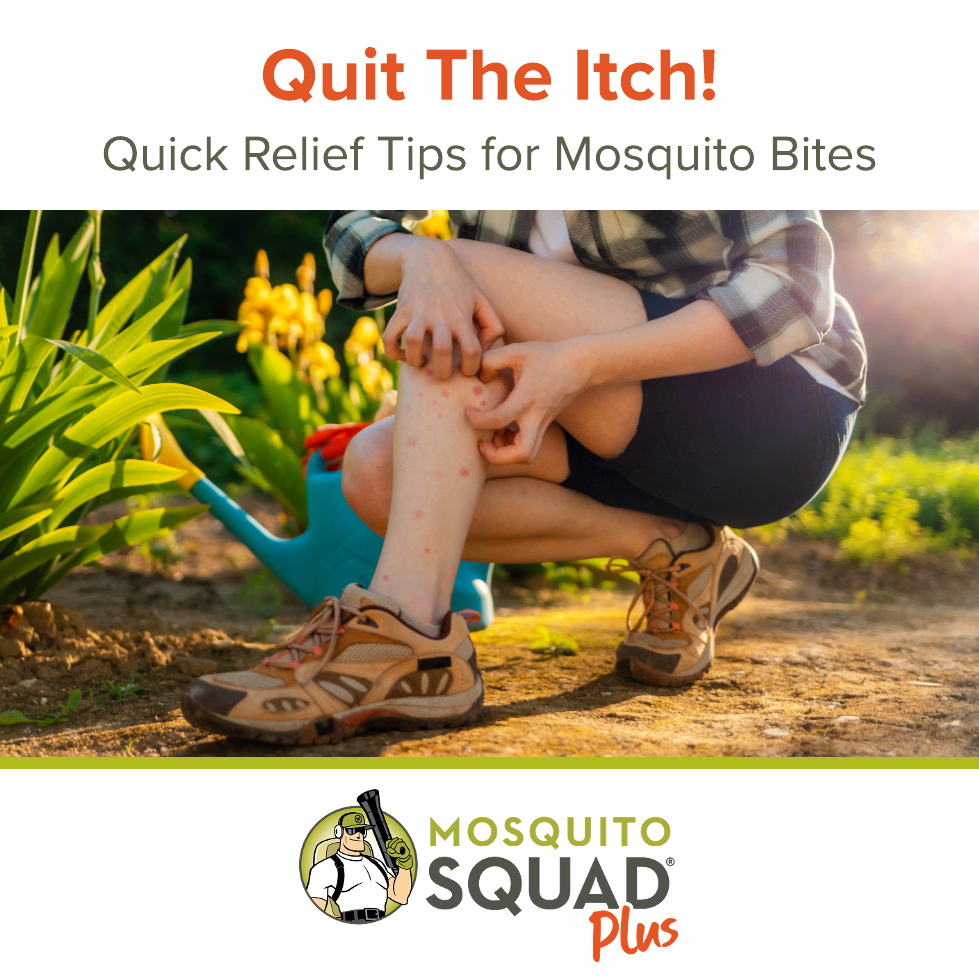
When biting humans, no-see-ums do not pierce the skin the same way a mosquito does; a female biting midge uses small cutting mouthparts and feeds from the resulting pool of blood. Saliva introduced during feeding can trigger irritation, redness, swelling, or intense itching. A good way to differentiate between mosquito and no-see-um bites is that mosquito bites typically aren't noticed until the itching welt appears, while no-see-um bites can be painful when they happen.
Are No-See-Ums Dangerous?
For most Greenville homeowners, the main concern is the uncomfortable skin reaction that can follow repeated bites. Scratching irritated areas can also make the skin more vulnerable to secondary infection. Some biting midges can transmit disease-causing organisms to animals, but in the United States they are not generally considered a major source of human disease transmission.
When and Where Are They Most Active?
No-see-ums tend to be most active around dawn and dusk, enjoying the peak humidity and still airflow of these times of day. Because of how small their bodies are, no-see-ums are weak fliers, so breezy conditions can dissipate swarms. These pests seek out areas of higher moisture, so homes with frequently flooded ditches or a small pond may experience higher populations of no-see-ums. Professional pest control services can focus on the places where biting pests are most likely to rest and develop instead of treating every part of a property the same way.
Why Are No-See-Ums Common in Greenville?
Greenville’s climate offers many of the conditions biting midges favor. Warm weather stretches across much of the year, humidity can remain high, and summer rainfall keeps shaded soil, leaf litter, drainage areas, creek edges, and landscaped spaces damp. Wooded neighborhoods and properties near ponds or streams may provide even more suitable habitat. That combination is one reason searches for Greenville SC no-see-um control often increase as outdoor activity picks up. Keeping vegetation managed and addressing persistently damp areas can complement professional outdoor pest treatments.
How Can Greenville Homeowners Reduce No-See-Ums?
Practical steps can make patios and entryways less inviting. Fine-mesh screens can help block these tiny insects, while outdoor fans may discourage them because they are weak fliers. Clearing damp organic debris, improving drainage where possible, and avoiding overwatered areas can also reduce favorable habitat. When bites continue despite those measures, Greenville, SC no-see-um control from Mosquito Squad Plus can target areas where these pests gather. Explore available Greenville services and call (864) 362-2013 or contact the Greenville team for a free quote by phone.