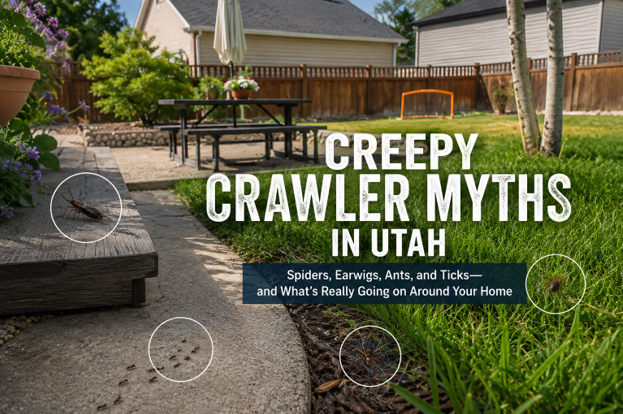
Creepy Crawler Myths in Utah: Spiders, Earwigs, Ants, and What’s Really Going on Around Your Home
Posted by Mosquito Squad Plus
June 25, 2026
If you’ve spent any time outside in Utah lately, you’ve probably noticed more than just mosquitoes.
Earwigs under patio furniture. Spiders showing up in corners. Ants suddenly in the kitchen. For some homeowners, even ticks becoming a concern after time along the foothills or trail systems.
We hear this every day working with homeowners across Salt Lake City, Draper, Sandy, West Jordan, Utah County, and throughout the Wasatch Front.
And with that comes a lot of assumptions.
Most of them sound reasonable. Very few match what is actually happening.
When you do not understand what is driving pest activity, it becomes difficult to make it stop. That is why effective pest control in Salt Lake City has to be built around real conditions in and around the home, not just reacting to what shows up inside.
Myth #1: Earwigs Lay Eggs in Your Ears
A lot of people in Utah grew up hearing this, and it tends to stick because of the name alone.
If you have ever lifted patio furniture or shifted landscaping and watched earwigs scatter, it is easy to see how that idea took hold. They move fast, avoid light, and show up in places people are not expecting.
But that is not how earwigs behave.
Earwigs lay their eggs in soil. They build small underground chambers where moisture stays consistent and conditions remain stable while their eggs develop. They are not attracted to people, and they are not seeking out ears or any part of the body.
What they are responding to is the environment.
Along the Wasatch Front, earwigs tend to build in areas where irrigation, shade, and organic material overlap. That often means mulch beds, foundation lines, shaded patio edges, and dense landscaping near the home.
If you are seeing earwigs regularly, it is not random. It is a signal that those conditions are present around your property.
Myth #2: Spiders Move Inside Because It’s Warmer
This is one of the most common explanations we hear, especially as seasons begin to shift.
It feels like spiders suddenly show up when temperatures change.
But spiders are not chasing warmth.
They are following food.
In Utah, insect activity changes quickly as heat builds and moisture becomes more concentrated. During hotter, drier stretches, insects move toward irrigated lawns, shaded sides of homes, and cooler surfaces near structures. Exterior lighting and entry points also pull that activity closer.
Spiders follow that movement.
That is why you start to see webs forming around eaves, window frames, and doorways before spiders ever show up inside.
By the time spiders are visible indoors, activity has already been building outside for weeks.
Across the Wasatch Front, spider control is rarely about the spider itself. It is about understanding what is feeding that activity around the home.
Myth #3: You Need a Clean House to Keep Ants Away
This is one of the most common frustrations homeowners deal with.
Ants show up, and the first instinct is to assume something was left out.
Food can attract ants, but it is rarely what causes the problem.
Ant colonies are already established outside, often long before activity is noticed inside. These colonies exist in soil, landscaping beds, and under hardscapes near the home. Worker ants are constantly searching.
When one finds a usable food source, it leaves a pheromone trail. That trail allows the rest of the colony to follow the same path.
That is why ant problems feel like they appear overnight.
The structure was already there.
Even in clean homes, ants will continue to show up if there are entry points, moisture, or a consistent path leading inside. Once that trail is active, the colony continues using it until the source is addressed.
This is something we see constantly with ant control in Draper, Sandy, and across Salt Lake Valley neighborhoods.
Cleaning removes what you see. It does not remove what is driving it.
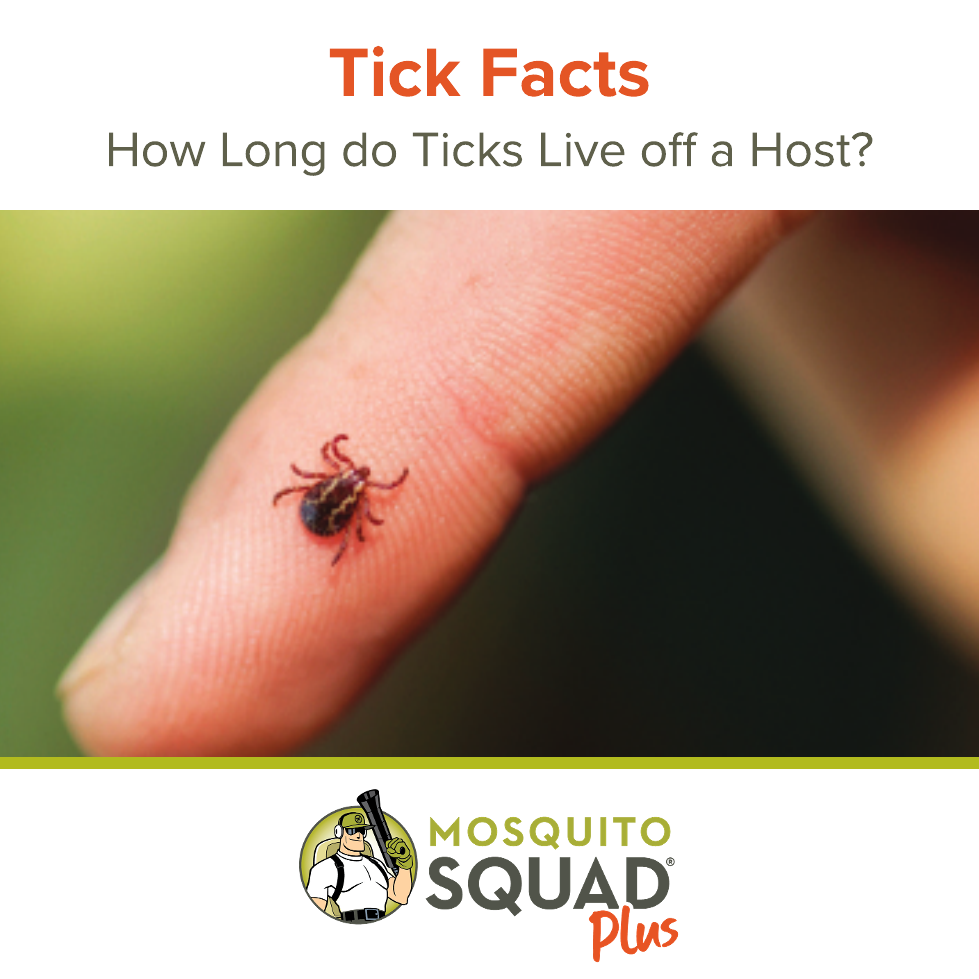
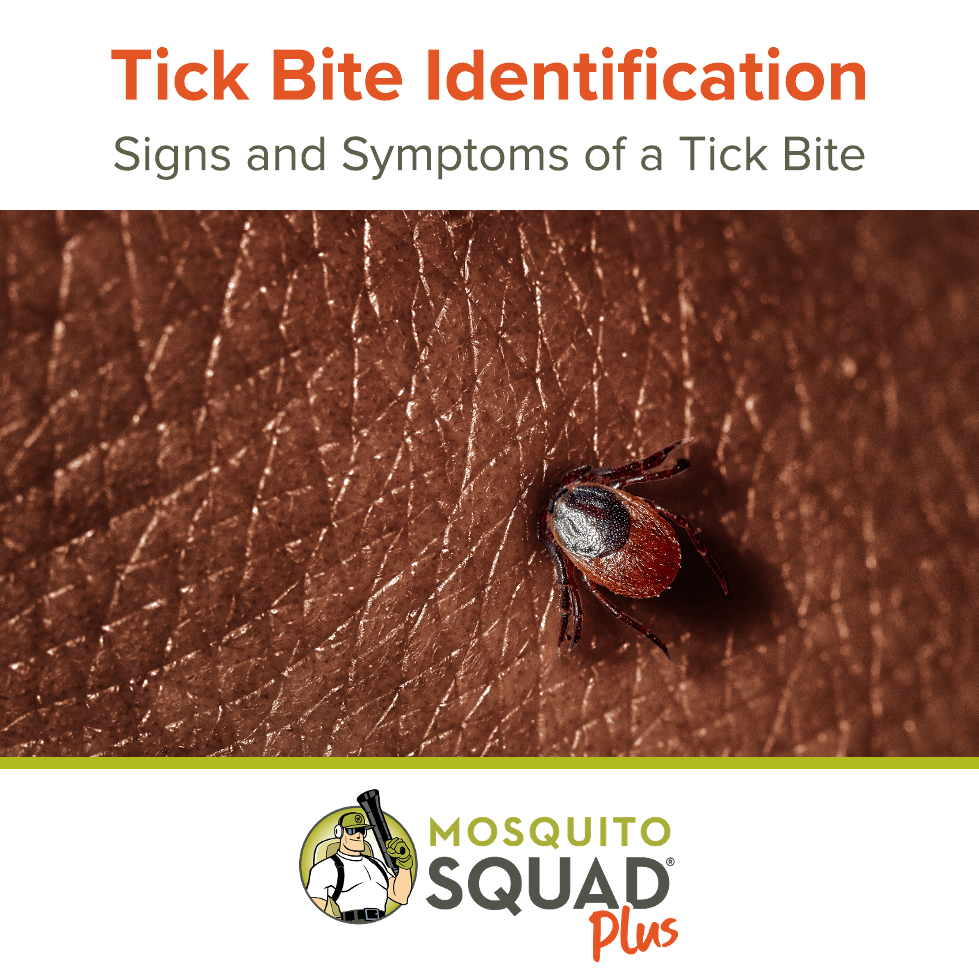
Myth #4: You Only Have to Worry About Ticks When You Go Hiking
Ticks are strongly associated with hiking, foothills, and open land. Because of that, most homeowners assume they are only a concern while recreating outdoors.
But ticks rely on movement, not location.
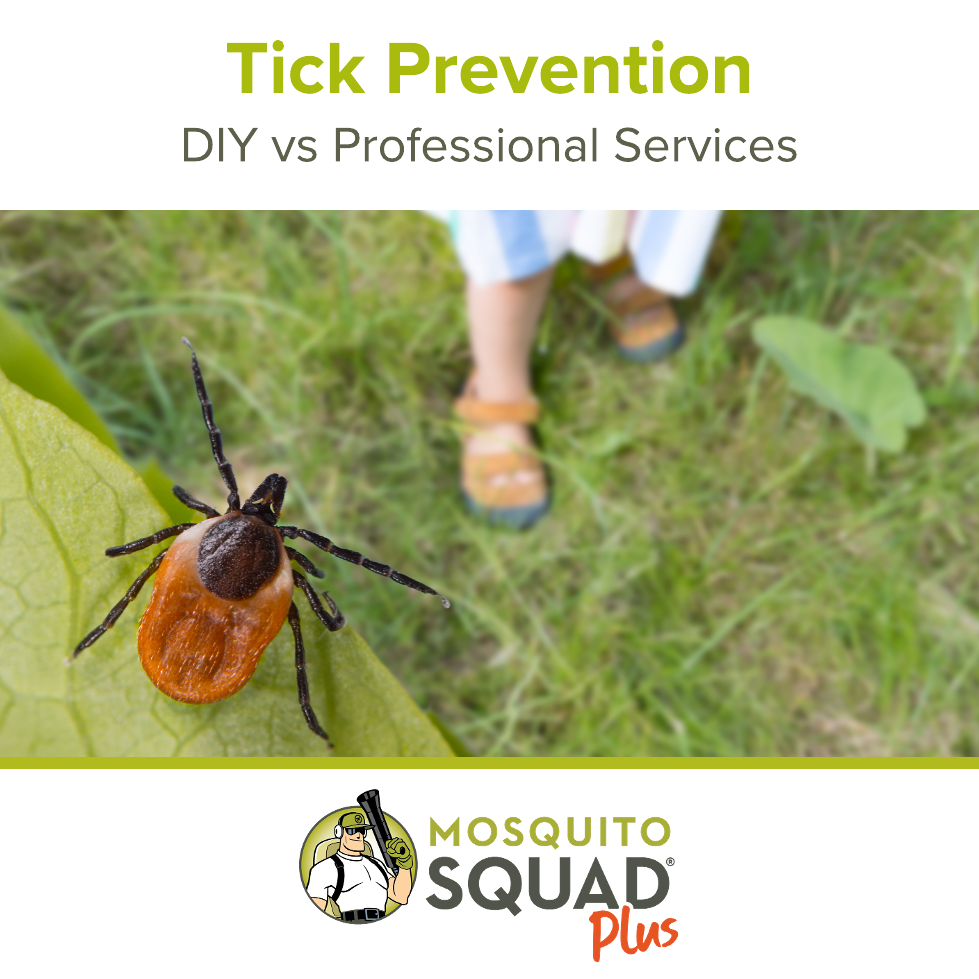
Ticks attach to hosts and travel. Dogs, wildlife, rodents, and birds can all carry ticks from trail systems, foothill areas, and open land directly into residential neighborhoods.
This is especially common in areas along the Jordan River corridor, near foothill access points, and in neighborhoods that back open space or connect to greenbelt systems.
Once ticks are introduced, they do not need a forest to survive. They need the right conditions.
That often means shaded grass, dense edges along fences, and protected areas where moisture holds longer than surrounding soil.
Tick activity is not just about where you go. It is about what moves through your property and what conditions allow it to stay.
Why You’re Seeing More Creepy Crawlers Right Now in Utah
Across all of these pests, the pattern is the same.
They are not showing up randomly.
Utah’s climate creates very specific conditions that drive pest movement. Long dry periods, combined with consistent irrigation, create pockets of moisture that insects depend on.
During peak summer conditions, especially when daytime temperatures stay elevated and nights do not cool as much, insect activity concentrates around those moisture zones.
That is when homeowners start noticing changes.
Activity builds outside first, often along foundation lines, landscaping, and shaded areas. Over time, it moves closer to the structure and eventually inside.
What feels sudden is usually something that has been developing for weeks.
What This Means for Your Home
If you are seeing earwigs, spiders, ants, or ticks, each one is responding to something specific around your home.
That could be irrigation patterns, landscaping layout, insect pressure, or entry points that allow movement indoors.
The key is understanding how those factors work together.
That is also why mosquito activity often follows the same pattern. Mosquitoes rely on moisture and standing water, and once conditions are right, activity builds quickly.
Whether it is mosquitoes or crawling pests, the behavior is consistent. It starts outside, builds with the environment, and becomes noticeable once it reaches a certain level.
Still Seeing Creepy Crawlers Around Your Home?
If spiders, earwigs, ants, or ticks keep showing up, there is a reason.
We see it every day working with homeowners across the Wasatch Front.
Most of the time, it is not one thing. It is a combination of conditions that have been building around the home over time.
We can walk your property with you, show you where that activity is coming from, and help you get ahead of it before it becomes more noticeable inside.
Whether you are dealing with general pest control, spider activity, or even looking into natural mosquito treatment in Utah, it starts with understanding what is happening around your home.
Give us a call at (801) 872-3335 or request a quote and we will help you build a plan that fits your yard.
We’ve got your back so you can enjoy more time outside.