Xenia Calls Them Bike Paths. We Call Them Mosquito Highways.
Posted by Mosquito Squad Plus
June 17, 2026
You bought the house partly for the trail. Maybe it was the listing line that said backs to the bike path, or the walk-through where you stood on the back patio and realized you could be on the Little Miami in under a minute. It is a good reason to buy in Xenia. People do it every day.
Then comes the first warm evening in June. You go to sit out back after dinner, and you last about four minutes. The mosquitoes find you before the screen door even shuts. You go back in, look at the patio you paid extra to have, and wonder what is different about this yard, because the old place was never like this.
Here is what is different. That trail you love is a corridor, and a corridor is the best mosquito habitat in the county. The Little Miami Scenic, the Creekside, the Prairie Grass, the Ohio to Erie, all four knot together at Xenia Station and thread out through every part of town, and the same long shaded green strip that makes the ride pleasant is a shaded, brush-lined, water-holding production line for the bugs that are eating you alive on your own patio. We pull into a lot of these driveways. The yards backing the trail are the ones where the mosquitoes show up first in spring and quit last in fall, every season, and it is not bad luck. It is the address.
None of that means the trail was a mistake. It is genuinely one of the best things about living here, and Xenia earned the Bicycle Capital of the Midwest name honestly. It just means your yard has a job the yard three blocks up the hill does not have, and once you understand the job, it is a manageable one. Here is what the trail actually does to your mosquito season, and how you get the backyard back.
Why the Trail Corridors Concentrate Mosquito Pressure
Start with what a mosquito needs, because it is a short list. Standing water to lay eggs in. Shade and humidity to survive the day without drying out. Vegetation to rest in between feedings. A rail-trail corridor delivers all three in a continuous line running straight through residential Xenia.
The trails here were built on old railroad beds, and Greene County Parks & Trails describes the network knotting together just south of downtown where four of the five trails connect. Those old beds sit in long, low, graded cuts with drainage ditches running alongside, and after a Greene County thunderstorm, those ditches and the low spots beside them hold water for days. The Ohio State University Extension notes that mosquitoes can complete their development from egg to biting adult in as little as seven to ten days in warm weather, and that the container and low-lying water sources close to homes matter far more than people expect. A trail ditch that holds water for a week after a storm is a nursery. The corridor running behind your fence is dotted with them.
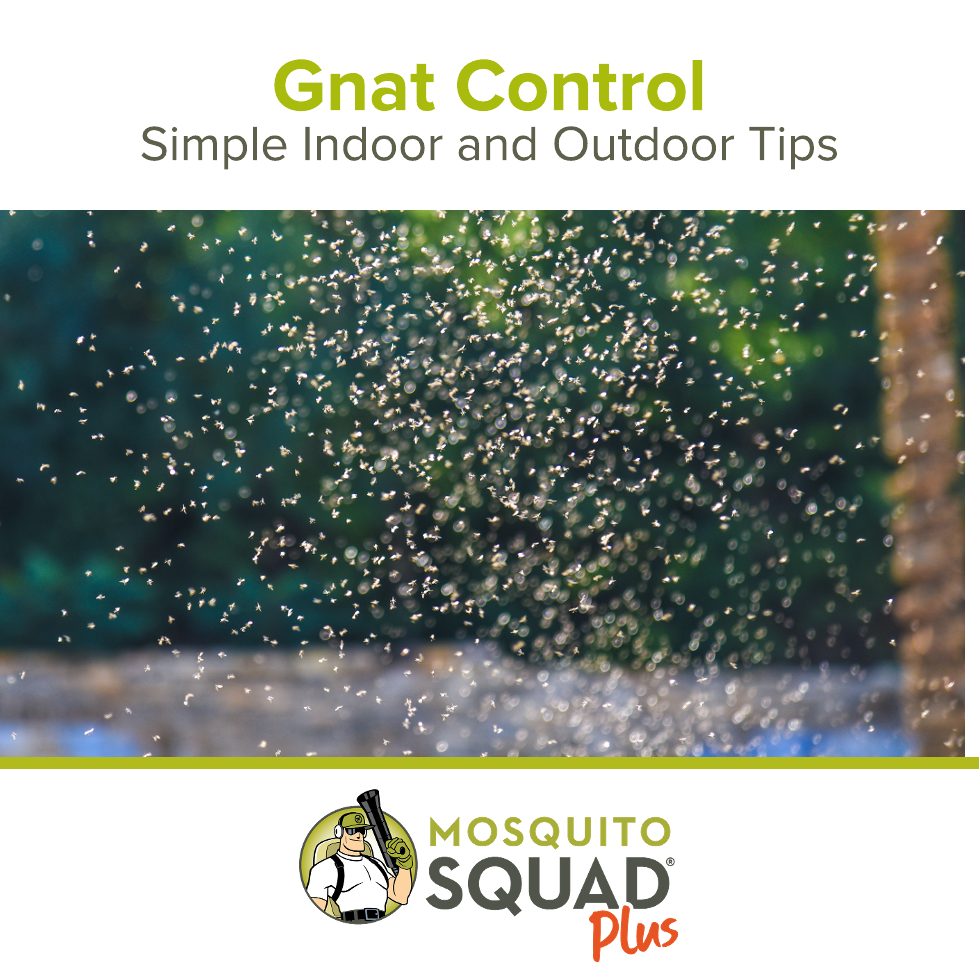
Then there is the canopy. The mature tree cover along the Little Miami corridor and the wooded stretches of the Creekside Trail keeps those low spots shaded, and shaded water warms slowly and evaporates slowly, which means it stays in the breeding range longer than the open puddles out in a sunny field. The same canopy holds humidity at ground level through the afternoon. The mosquito species most Xenia homeowners are swatting is the Asian tiger mosquito, and research from the University of Florida documents it as a daytime biter that rests in shaded, low vegetation and rarely travels far from where it emerged. That last part matters. This is not a bug flying in from a mile away. It is breeding and resting in the green strip behind your house and biting you in your own backyard, in the middle of the afternoon, while you are pulling weeds.
Put those pieces together and the trail corridor stops looking like a greenway and starts looking like what it is to us when we pull into the driveway: a long, shaded, water-holding, vegetation-rich production line for mosquitoes, running the length of the neighborhood. We call them mosquito highways because the conditions never break. One yard's corridor connects to the next, and the pressure stays topped up all season.
The Yards Where This Shows Up Worst
Not every Xenia property feels this the same way. Stand in the backyard at dusk and you can almost guess which homes are going to have a problem before anyone tells you.
If you are in Wright Cycle Estates, you already know the deal even if you have not connected it yet. The whole community was built around direct access to the Little Miami trail, with its own pond sitting in the middle of it. That is the dream walk-out-the-door-and-ride setup, and it is also a pond, a trail corridor, and shaded low ground all in the same few hundred yards you live on. The mosquitoes do not care that the pond is an amenity.
Same story over by Shawnee Park, where the trail runs past the park, crosses Shawnee Creek, and pushes through to Xenia Park. You have got the fishing pond the kids love, the creek, mature shade, and the corridor all stacked together right up against the residential streets. Families over there are not imagining it when they say the evenings are worse than where they used to live. They are living next to about as much standing water and shaded cover as a neighborhood can hold.
Then there is the simplest case, the one you can see from the alley: the mowed lawn just ends and the trail brush begins, no fence, no break, your grass running straight into the tall stuff along the path. That ten or fifteen feet where your yard turns into trail edge is the worst ground on the whole property. It stays shaded, it never gets cut down to the dirt, the leaf litter piles up, and it holds damp days after everyone else's yard has dried. Every mosquito and tick on that corridor treats that strip as the front porch.
The newer builds out toward Hedges Road get a lighter version of it, less tree cover but the trail ditches and field edges still pool and still hold the grass the mosquitoes rest in. And the older lots near Old Town sit right on the Massie Creek and Shawnee Creek drainages feeding the Little Miami, so the floodplain does the water-holding for them whether they want it or not.
If your place is none of these, if you are up on higher ground a few blocks off any trail, you have it easier, and we will tell you that straight. But if your back fence is the trail, the trail is not a neutral perk to your mosquito season. It is the whole engine of it.
What Xenia Homeowners Usually Try First
So you do what everybody does. You wait until you cannot stand it, which around here is sometime in June, and you drive to the hardware store on West Main and come home with a hose-end sprayer or one of those propane foggers. You walk the fence line on a Saturday morning feeling like you are finally handling it. And you are, for about a day. The mosquitoes are knocked back by that evening. By Wednesday they are right back on the patio, because nothing you sprayed touched the corridor that is making them.
That is the core problem with the do-it-yourself approach for a trail-adjacent yard. A consumer spray treats the mosquitoes that are in your yard right now. It does nothing to the breeding ditches and the resting cover on the corridor side of the fence, which you do not own and cannot legally treat anyway. So the population you knocked down on Saturday gets fully replaced by the next generation coming off the corridor within a week to ten days. You are bailing water with the tap still running.
The other common approach is source reduction at home, dumping the birdbath, clearing the gutters, turning over the kids' wagon so it stops collecting rain. This is real, and it helps, and you should do it. The CDC's mosquito control guidance is right that eliminating standing water around the house is the foundation of keeping pressure down. But it runs into the same wall. You can run a spotless yard and still get hammered, because the water that is actually breeding the mosquitoes is in the trail ditch fifty feet away, on land you do not control. Source reduction is necessary. For a corridor property it is not sufficient.
What Actually Works on a Trail-Adjacent Yard
Getting a trail-adjacent yard back means treating the property as what it is: the front line against a corridor that is going to keep producing mosquitoes no matter what you do. That changes the approach from "kill the bugs that are here" to "make the edge of my property a place mosquitoes cannot use."
A barrier treatment does that by going after the resting stage. The Asian tiger mosquitoes coming off the corridor have to land somewhere shaded and humid during the day, and on a trail-adjacent yard that somewhere is the vegetation along your fence line, the shaded bed edges, the undersides of leaves on the shrubs nearest the corridor. A barrier application coats exactly those surfaces. When a mosquito moves off the trail and lands in your yard to rest, it lands on a treated surface. Applied on a regular cycle through the season, usually every three weeks, it keeps that edge hostile instead of hospitable, so the corridor can keep producing all it wants and far fewer of them survive long enough to bite you. The 7 T's of mosquito control we work from put that resting-surface treatment at the center for exactly this reason.
The second layer is larval control for the standing water you can reach. Where there are low spots, drainage areas, or persistent pooling on your side of the line, products built around insect growth regulators stop larvae from ever developing into biting adults. You will not get into the trail ditch itself, but you can shut down the water features and low ground on your own property so your yard stops adding to the problem the corridor is already creating.
The point of running both at once is that you are hitting the population at two stages instead of one. The barrier knocks down the adults riding in from the corridor, and the larval control takes your own yard out of production. For trail-adjacent homeowners who want that coverage rolled into year-round protection against the full range of pests the corridor brings, our Home Shield and Complete Home & Yard programs build it into a single season-long plan. That is what changes how the season actually feels on a trail-adjacent property, rather than just buying you a quiet Saturday afternoon.
The Corridor Carries More Than Mosquitoes
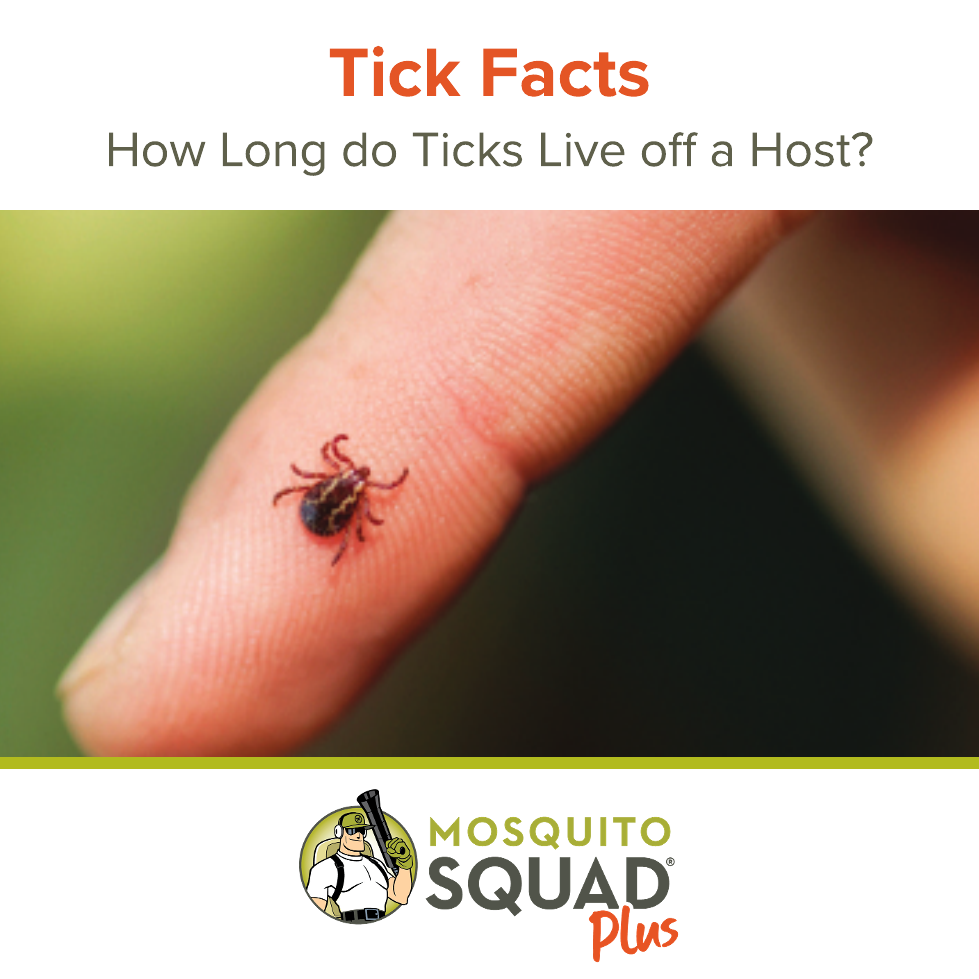
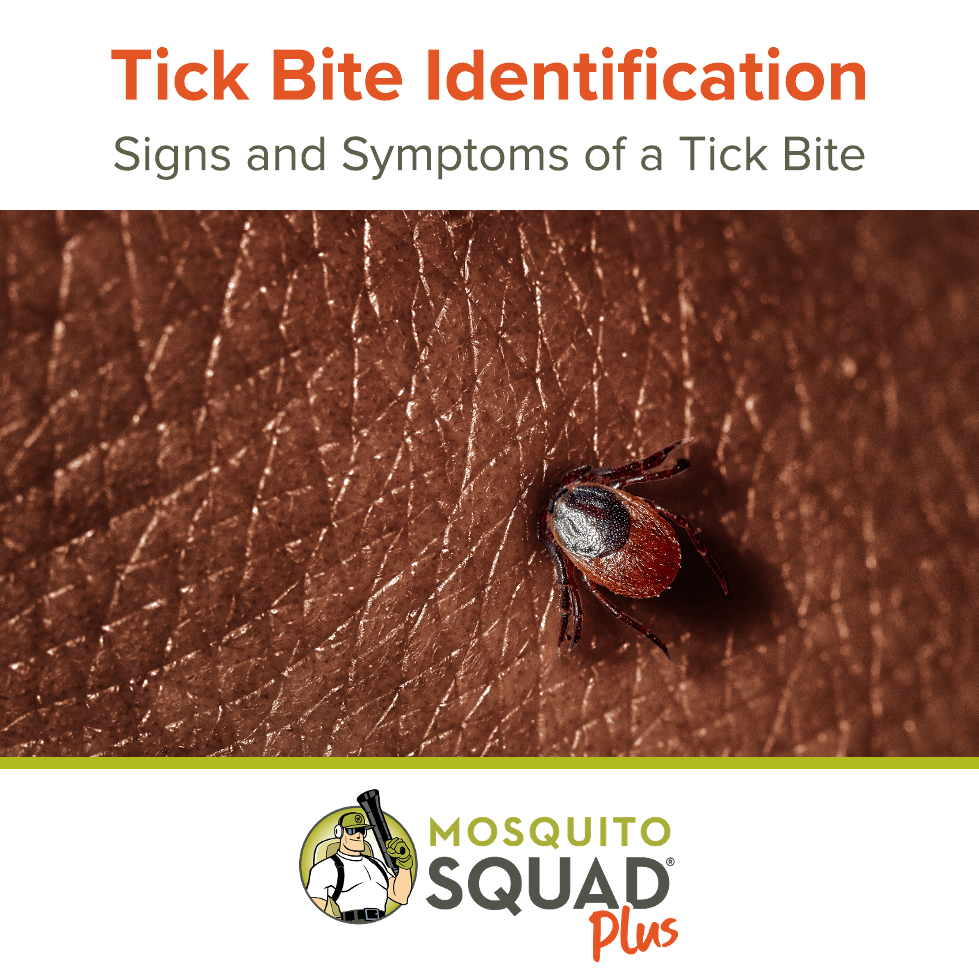
It would be a half-truth to talk about the Xenia trails and only mention mosquitoes, because the same corridor moves ticks, and ticks are the reason we treat the trail edge even more seriously than the open yard.
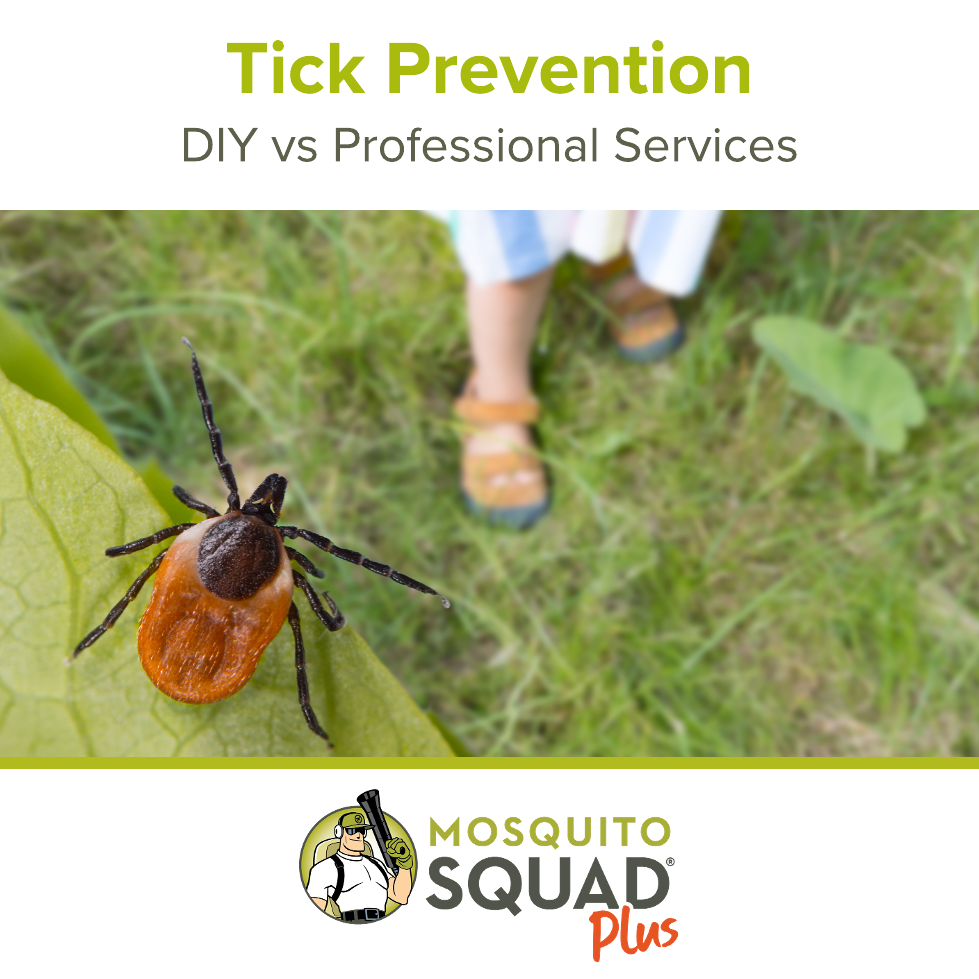
A rail-trail is close to a perfect tick corridor. It is a continuous brushy edge with deer, dogs, and people moving down it all day, and that is precisely the habitat the lone star tick colonizes. The CDC documents the lone star tick as an aggressive human-biter expanding north through Ohio, and it concentrates in exactly the dense underbrush and trail edges the Xenia corridors are made of. The Ohio Department of Health tracks that northward expansion across the state, Greene County included. Unlike a mosquito, a tick does not fly in and leave. It waits on the vegetation at the edge of your lawn for something warm to brush past, which on a trail-adjacent property is your kid, your dog, or you. The same ten to fifteen foot transition band that the mosquitoes use for resting cover is where the ticks are questing.
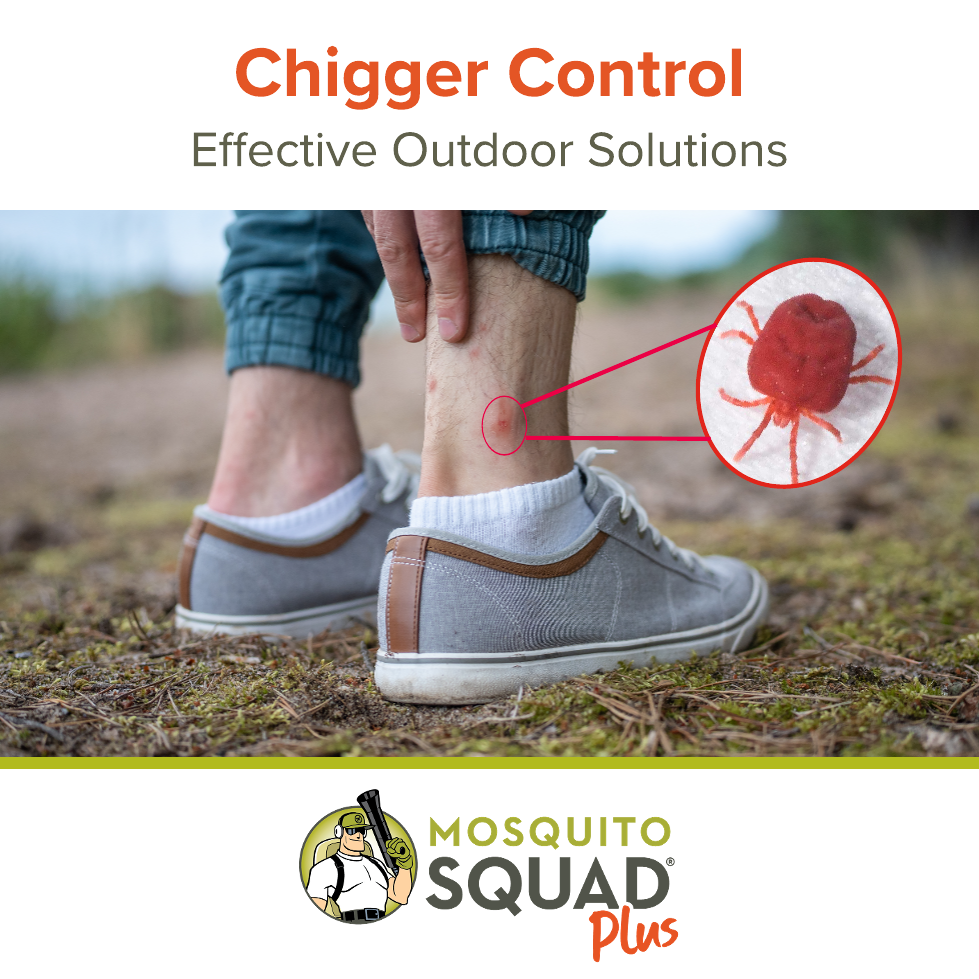
Chiggers work the same band, especially through the grassy, unmowed edges where the lawn meets the corridor. Ohio State University Extension documents chiggers as thriving in exactly these transitional zones between manicured lawn and scrubby or weedy growth. For a trail-adjacent yard, treating that transition zone is not three separate jobs. It is one zone, the corridor edge, that happens to host three pests at once. When we treat the fence line and the brush edge of a Xenia property on the Shawnee Park stretch or out toward Hedges Road, the tick control work and the chigger control and the mosquito work are all happening on the same ground in the same visit, because the pests are sharing the same real estate.
When to Get on the Schedule
The timing that works for a trail-adjacent yard in Xenia runs earlier than most homeowners expect. The corridor does not wait for Memorial Day to start producing.
Once daytime temperatures settle into the mid-50s and the trail ditches are holding water from spring rain, the first mosquito cycles are already underway in the shaded low spots along the corridor. That is typically April here, sometimes the back half of March in a warm year. Ticks are questing on the trail edge by then too. Getting a barrier program started before the pressure is obvious, rather than after you have already lost a few evenings to it, is the difference between staying ahead of the season and chasing it. By the time the biting is bad enough that you go looking for a fogger, the corridor has had a month's head start and several generations are already established along your fence.
The practical version: if your Xenia property backs up to any of the trail corridors, the time to get on a treatment schedule is early spring, before the first warm stretch, not in June when the yard is already unusable. The corridor is going to run all season regardless. The only question is whether the edge of your property is treated and holding the line, or open and feeding it.
We treat yards throughout Xenia and the surrounding Greene County communities, from the trail-adjacent properties near Shawnee Park and Old Town to the newer builds out toward Hedges Road and the lots over toward Wilberforce and Yellow Springs. If your yard borders a corridor, a free consultation walks the property, finds where the pressure is actually coming from, and lays out what a full-season schedule looks like for your specific lot. You can see what other Dayton-area customers say about the work, then call (937) 226-9709 or reach out online for a no-obligation quote.
The trails are worth living next to. You just want to be the homeowner who enjoys them without donating the backyard to whatever is breeding along the edge.