Built for an Eds, Meds, and Feds Economy: The Air Force Research Base That Anchors It, the Hospital Systems That Rival It in Size, the Universities Around Both, and the Businesses That Serve Them All
Ask anyone around here what Dayton runs on and you'll hear the same three words: eds, meds, and feds. The feds are at Wright-Patterson, the Air Force research and logistics base that anchors the region and pulls a dense ring of aerospace and defense contractors in around it. The meds are the hospital systems that have grown to rival it. The eds are the universities feeding both. That mix gives Dayton a commercial landscape unlike anywhere else we serve, research facilities and contractor campuses, hospitals and clinics, college buildings, and the whole working economy that keeps them supplied. Mosquito Squad of Dayton handles commercial pest control across all of it, from Montgomery County out through the Miami Valley.
We're a veteran-owned, family-run operation, working this market since 2014, out of our office on East Lytle Five Points Road. Ten years in this river valley has taught us how fast the pest season builds here, and how differently a secured research campus, a hospital, and a warehouse off the interstate each have to be handled.
Feds: Aerospace, Defense & Research Facilities
This is the pillar that makes Dayton Dayton. The contractors, suppliers, and engineering firms orbiting Wright-Patterson, the aviation maintenance and overhaul operations that have moved into the region, the research outfits tied to the Air Force Research Laboratory, these are controlled environments where access and protocol come before everything else. A pest problem at a site like that doesn't just bother people, it reflects on a contractor who's supposed to have every detail buttoned up. We service these accounts the way they have to be serviced: schedules that bend around the work, rodent control and interior work mapped to the entry points and storage where activity starts, and the records and discretion these sites demand. Access and clearance requirements run differently from one campus to the next, so we learn each site's rules and work inside them.
Meds: Hospitals, Clinics & Healthcare Campuses
Health care in Dayton has grown into a pillar that stands next to the base. The major hospital systems and the insurer headquartered downtown anchor a whole ecosystem of clinics, medical offices, surgical centers, and senior-living facilities. These run a close second to the research sites for how exacting they are, because a pest sighting in a patient-care setting carries real compliance weight, and the people running these buildings know it. We schedule around clinical operations and clean zones, keep the records every visit, and handle the spider and rodent work medical buildings actually need quietly and on time, so the only people who know we were there are the ones who scheduled us.
Eds: Universities, Colleges & Campus Buildings
The universities that feed the base and the hospitals are their own kind of account. Dormitories, dining halls, classroom and lab buildings, and campus food service fall under the strictest end of the rules because students are involved, and the dining side is a health-inspection environment on top of that. We run campus accounts on an integrated approach, prevention and exclusion first, targeted treatment where it's actually needed, with ant and cockroach work in the food areas and the records to back it up.
The Working Economy That Supplies Them All
Around those three pillars runs the rest of commercial Dayton, and each piece brings its own pest reality.
The manufacturing that this region has built since the days it invented half the twentieth century's hardware still runs strong, the plants and suppliers feeding the aerospace and automotive supply chains. Floor drains, wash bays, parts storage, loading docks, and exterior ground holding water are the exposures, and we build around how the plant runs, going after the rodents and crawling pests that threaten product and the standing water outside that breeds mosquitoes. For large sites that need it, we install automatic misting systems that run continuous coverage on their own.
The warehouses and distribution spread along the interstate corridors come with the open-dock-door reality: pests ride in on the trucks, rodents nest in stored product and racking, and spiders and flies follow. We run these heavy on rodent control and interior trapping mapped to the dock doors and storage runs.
The restaurants and food service filling in around the Oregon District and the suburbs are health-inspection accounts where the problem moves fast, flies and gnats around prep and the bar, roaches in the warm corners, rodents wherever food is stored. We work the interior hard, swap fly stations every visit, and for kitchens and exposed-product areas we run an all-natural, essential-oil treatment with no synthetic product near the food.
The hotels, offices, and retail that serve all the business travel get the everyday nuisances handled before a guest or client notices, and the apartment and master-planned communities across the valley run on our Home Shield program, exterior-focused coverage for mosquitoes, ticks, and chiggers across pools, clubhouses, and shared green space, with Yard Defender and special event sprays where the property calls for them.
The Chigger Problem the River Valley Hands You
There's one pest here that catches commercial properties off guard every summer, and it's worth its own mention because it's so particular to this region. The Great Miami River valley breeds chiggers hard, and they concentrate exactly where commercial grounds tend to have unmowed edges and grass-to-field transitions, the borders of an office park, the perimeter of a corporate campus, the margins of an apartment community out toward the farmland around Springboro and the open country. A property with employees walking the grounds, residents using the green space, or guests on a patio can have a chigger problem that the building never sees coming, because the bites show up hours later and nobody connects them to that walk across the lawn. We treat the grass transitions and field edges where they actually live, which is the part a national route running a generic suburban program tends to skip entirely.
The County Sprays the Parks. Your Property Is on You.
Here's something worth knowing if you run a facility here. Public Health for Dayton and Montgomery County runs a real mosquito program, it sets traps, the Ohio Department of Health tests the catch for West Nile, and when a pool comes back positive the county sprays Duet adulticide at dusk in the affected area. In a typical season that means specific parks and neighborhoods get treated, places like Highland Park and Belmont Park, after a positive trap. It's a genuinely good program and worth knowing about.
But read what it actually covers: public parks, neighborhoods, and the right-of-way, in response to a positive trap. The county trucks don't come onto your campus, your parking lots, your retention ponds, or your patios, which is exactly where a commercial property's mosquito problem lives. The CDC calls West Nile the leading cause of mosquito-borne disease in the continental United States and points to property-level mosquito control as a core part of preventing it. A documented, recurring mosquito control program is how a commercial property covers the part the county never reaches. You can read what the county program does at the Public Health Mosquito and Vector Disease Control page.
What a Commercial Account Includes
Our General Pest commercial service is built for properties that need the highest level of protection for their staff and guests. Licensed applicators treat both the inside and the outside of your property once a month, and every account comes with our 100% satisfaction guarantee. If you notice an increase in activity between treatments for anything we target, you call us and we come back out and re-treat at no charge. The general pest service runs monthly, while mosquito treatments come more often, every 21 days on the breeding cycle, so on most commercial accounts you're seeing us more than a standard monthly plan would.
The standard commercial program covers:
Outdoor: fire ants, mosquitoes, ticks, no-see-ums, fleas, and small paper wasp nests.
Indoor: ants, spiders, roaches, and gnats.
Two rodent trap units come included with the commercial service, and from there the program flexes to the property. Interior trap units run $20 each with baiting included, exterior EVO stations are $60 per unit, and fly traps are $36 each and get changed out and re-baited every service. Re-baiting an existing station is $10. Anything outside the standard coverage is handled case by case, so you're only paying for what your facility actually needs.
The Difference Against the National Chains
Orkin, Terminix, and the big names run mosquito service monthly, because that's the billing cycle. We treat every 21 days with our mosquito barrier treatment, built on the 7 T's of mosquito control, because that's the mosquito life cycle. The river-valley humidity keeps retention ponds, low spots, and grass edges breeding longer than a drier climate would, and a property treated on the actual breeding interval stays ahead of one treated on a calendar convenience. A facilities manager notices the difference by the second summer.
How Pricing Works
Commercial pricing comes down to the size of the property, what it needs, and how often we service it, which is why every commercial account starts with a free on-site walkthrough. We see the actual layout, find where the activity's coming from, and build the monthly program around it. You get an upfront, no-obligation quote with no hidden fees, and no long-term contract holding you to anything.
Why Dayton Businesses Call Us
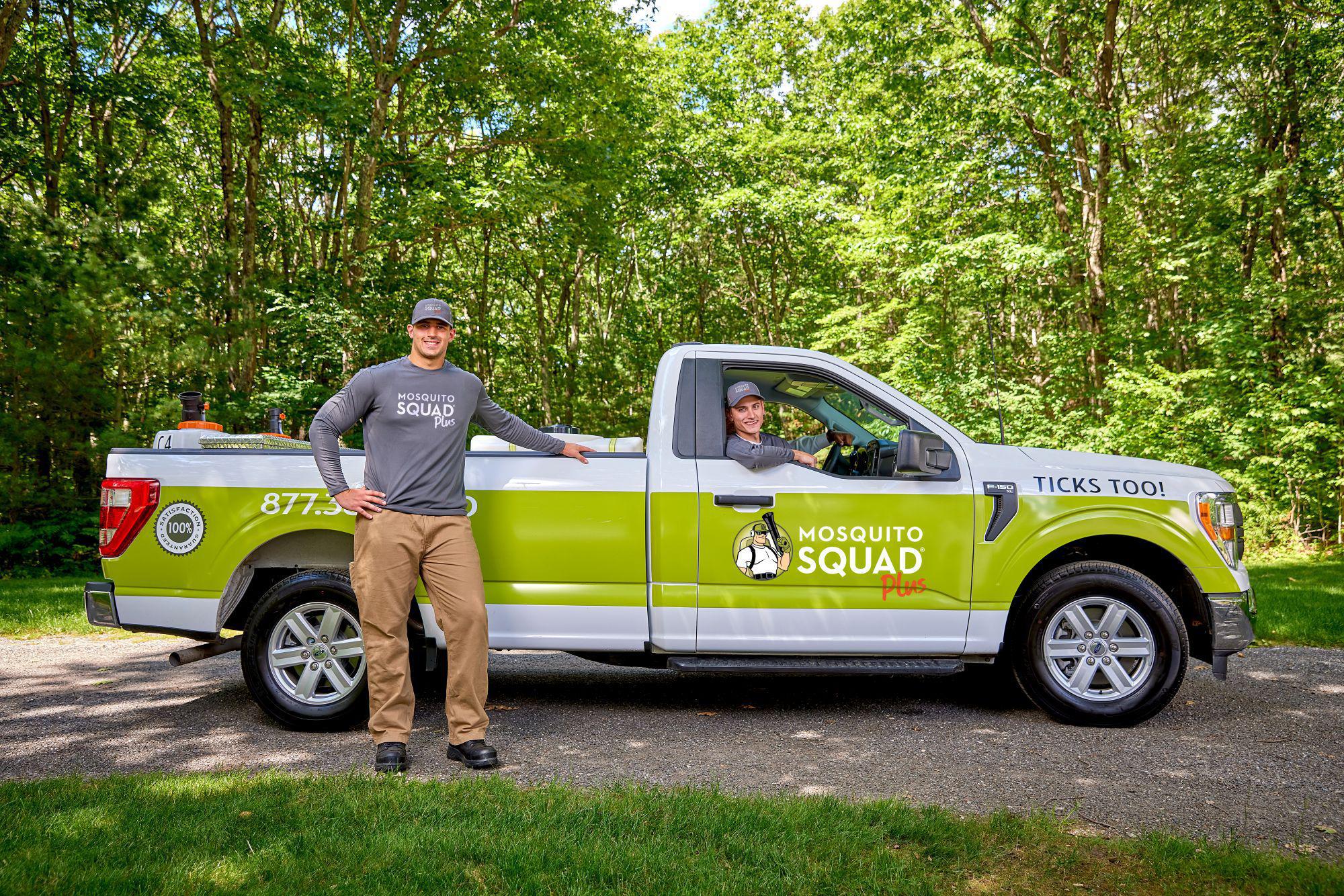
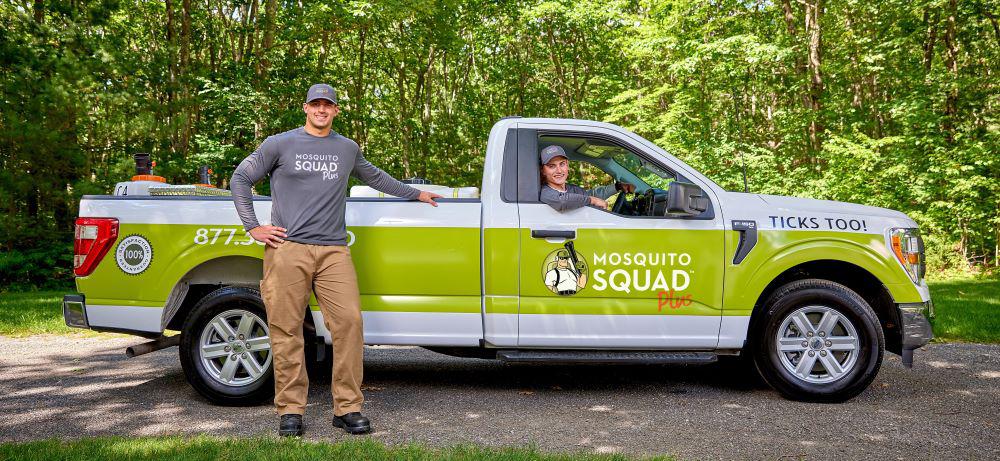
We didn't parachute in from a national call center. We're the local team that knows a research campus's standard is documentation and discretion, a hospital can't afford a pest sighting, and an office park out toward the farmland is fighting chiggers off the field edge that a generic program never touches. We cover the business corridors from downtown out through Kettering, Centerville, and Beavercreek. Ten years here, every job backed by our 100% satisfaction guarantee, and the reviews from Dayton businesses to back it up. Our technicians show up on time, in uniform, in marked trucks. If it's not right, we make it right.
Ready to put a real commercial pest program on your facility? Call (937) 772-8045 or request a free commercial walkthrough online. Monthly service, no contract, and a team that already knows what your kind of property is up against.
Frequently Asked Questions
Do you service research, defense, and other secured facilities around Wright-Patterson?
We service commercial accounts across the contractor and supplier campuses, office parks, and industrial sites around the base. Access and clearance requirements vary by facility and by what's controlled on a given site, so we work within each one's protocols. The simplest starting point is a walkthrough where we map the property and confirm exactly how service needs to run for your building.
Do you service hospitals and medical facilities?
Yes, and it's some of the most demanding work we do. Medical environments require detailed treatment documentation, schedules built around clinical operations and clean zones, and a level of discretion most accounts don't. We service these to that standard, with a walkthrough to map the facility and confirm how service runs for your building.
Can you work around our operating hours and clean zones?
Yes. We build the schedule around your operation, working against shifts, clinical and campus hours, production windows, and the areas where treatment isn't an option while you're running. The visit lands in the window that works for your facility.
Do you provide treatment documentation for inspections and audits?
Yes. Every visit is documented with records of what was applied and where, kept on the account. For healthcare facilities, campus food service, and anything with its own audit or accreditation requirements, that paper trail is part of the standard service.
We've had a problem a national company couldn't stay ahead of. What's different here?
Frequency and local knowledge. The big chains run a fixed monthly route off a manual written somewhere else. We treat mosquitoes on the 21-day breeding cycle rather than a billing cycle, map rodent and interior work to where activity actually starts in your specific building, and treat for what the Miami Valley actually does, right down to the chiggers on the field edges. More visits, in the right spots, is what stops a problem from cycling back.
Is there a long-term contract?
No. Commercial service is month to month, backed by our satisfaction guarantee. If activity returns between scheduled visits for something we treat, we come back out and re-treat at no charge.
How fast can you get started?
It starts with a free on-site walkthrough so we can see the layout and find where the activity's coming from, then we build the program and get you on the schedule. Call (937) 772-8045 or request a walkthrough online to set it up.