Commercial Pest Control in Dayton: What an Advanced Manufacturing Plant Actually Needs
Posted by Mosquito Squad Plus
June 29, 2026
A precision machine shop along the I-75 corridor can hold a tolerance of a few ten-thousandths of an inch on an aerospace turbine part and still fail an audit because of a mouse. You can run a spotless floor, pass every quality check on the product itself, and lose a contract over a rodent station nobody documented or a pheromone trap nobody checked. In Dayton, where so much of the manufacturing base feeds defense and aerospace work tied to Wright-Patterson, the pest program is not a janitorial afterthought. It is part of whether the facility keeps its certifications.
We have walked enough plants in this valley to know the disconnect. The operations manager thinks about pests the way most people do, as something you call about when you see one. The quality manager thinks about them the way an auditor does, as a documented risk that has to be monitored, trended, and corrected on paper whether or not anyone has seen a single insect. Those are two completely different conversations, and a production facility needs the second one. A restaurant fails a health inspection when a roach is visible. A manufacturer can fail an audit when the roach is nowhere in sight but the monitoring records have a gap.
So here is the honest version of what commercial pest control involves for a Dayton manufacturing facility, why the production floor is a different job than an office or a warehouse, and what actually holds up when an auditor walks the line.
Why a Production Floor Is Not an Office and Not a Warehouse
Dayton is a manufacturing town that reinvented itself around advanced production. The region closed 2025 with hundreds of millions of dollars in announced capital investment across its advanced manufacturing sector, from glass and compressor plants to the precision machining shops along the interstate that tooled up for a new generation of aerospace and component work. Wright-Patterson Air Force Base anchors the whole ecosystem as the largest single-site employer in Ohio, and the Air Force Research Laboratory drives demand for high-reliability machining and materials work that pulls a deep bench of suppliers into the region. That supplier base is the commercial pest control story here, because those facilities live and die by audits.
A production floor has a specific pest profile that does not match the suburban office park or the pure distribution warehouse. An office needs to look clean and keep the staff comfortable. A distribution warehouse is mostly about rodents coming in off the dock and riding in on pallets. A manufacturing plant is both of those plus a layer neither one has: a regulated production environment where the standard is not comfort and not throughput but documented control. The break rooms run multiple shifts and generate food waste around the clock. The dock doors open and close all day. The dry-storage and ingredient areas, in any plant that touches food, packaging, or consumable materials, are exactly where stored-product pests establish. And the whole thing has to be defensible on paper when a third party shows up.
That third party is the part that reorders all the priorities. The same facility that would treat a few ants as a nuisance at home has to treat a single rodent dropping near a production line as a finding that threatens a certification worth more than the building. The pest stops being a comfort issue and becomes a compliance issue, and the program has to be built for the second standard from day one.
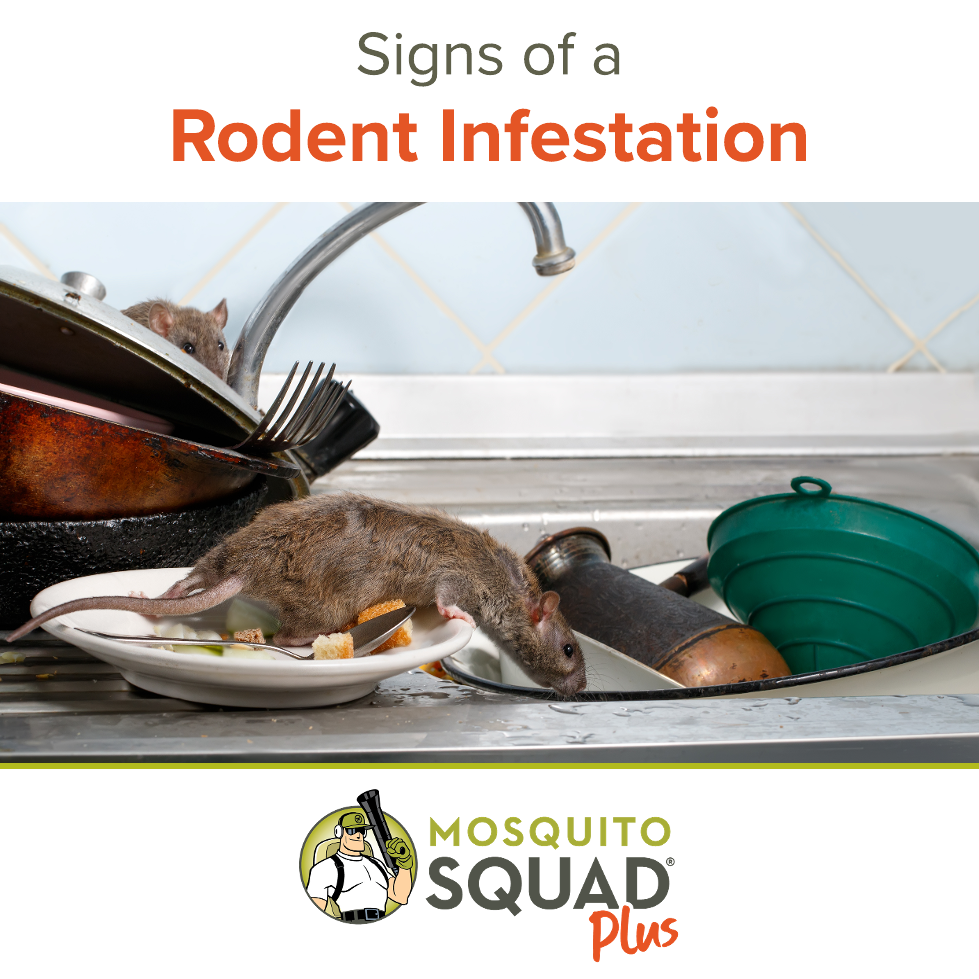
Rodents Are the Foundation, and the Stakes Are Higher Here
In any commercial setting, rodent control is the floor the rest of the program stands on. In a regulated manufacturing facility it carries weight a restaurant owner never has to think about. The University of Kentucky's entomology extension is direct that the greatest economic loss from rodents is not what they eat but what has to be discarded from contamination, plus the structural damage from gnawing. On a production line that means contaminated product, a halted run, and a quarantine hold while quality figures out the scope.
The gnawing is its own category of risk in a plant. Mice chew on electrical wiring in a way that causes structural damage and fires, which in a facility full of CNC equipment, control panels, and automated lines is not a tripped breaker at home. It is unplanned downtime on a machine that might run six figures, and downtime in a plant with a delivery schedule cascades into missed contracts. The University of Kentucky also documents that a house mouse needs a gap no wider than a pencil to get inside, which is why exclusion at the building envelope is the first real line of defense, not bait. Food Safety Magazine's guidance on manufacturing facilities is specific about where that envelope fails: gaps around dock doors and leveler plates, since rodents can climb cement and slip in under the dock, plus stored material kept off the wall and rotated so a single old pallet does not become a harborage.
Then there is the audit. Across the food and consumer-product manufacturing world, a single positive rodent finding during an FDA inspection can put a facility under a warning letter, and third-party audit schemes treat pest control as a scored category that can sink an entire consolidated score. The FDA Food Safety Modernization Act framework, built on Current Good Manufacturing Practice requirements, expects a documented pest prevention program as part of basic compliance. This is why rodents sit at the center of the program. They are the pest most likely to turn a clean facility into a failed audit, and the failure can happen on paper before it ever happens in person.
The Pests a Plant Has That a Restaurant Does Not
Most commercial pest content focuses on roaches and flies, and a manufacturing plant deals with both. But the production environment adds a category that catches new facilities by surprise: stored-product pests. These are the insects that live in dry goods, and they are a different problem with a different solution.
Indian meal moths, sawtoothed grain beetles, and flour beetles in the Tribolium group infest grain products, flour, dried ingredients, nuts, spices, and the packaging materials around them. They ride in on a single pallet of incoming material and set up in the quiet back corner of a storage area where the inventory never moves. A plant that runs first-in, first-out and keeps storage off the wall has a fighting chance. A plant that lets a pallet of old material sit in the back has essentially built them a nursery, and by the time the moths are flying out in the open, the population has been established for a while. This is why monitoring beats spraying in a production setting. Pheromone traps placed through receiving, storage, and finished-goods areas catch stored-product insect activity early, before it reaches the product, which is the entire point.
Cockroaches still belong in the conversation, and the EPA notes that cockroach droppings and body parts can trigger asthma, which makes them a worker-health issue in a facility with people on the floor for full shifts, not just a contamination concern. Drain flies and small flies breed in the same place they always do, the organic film inside floor drains and the moisture around break-room and restroom plumbing, which in a plant running three shifts gets used hard and cleaned on a production schedule that does not always prioritize the drains. The pests are familiar. The setting changes what they cost and how you have to prove you are controlling them.
Documentation Is the Product
Here is the thing that separates manufacturing pest control from every other commercial category. In a restaurant, the treatment is the deliverable. In a regulated plant, the documentation is the deliverable, and the treatment is just what generates it.
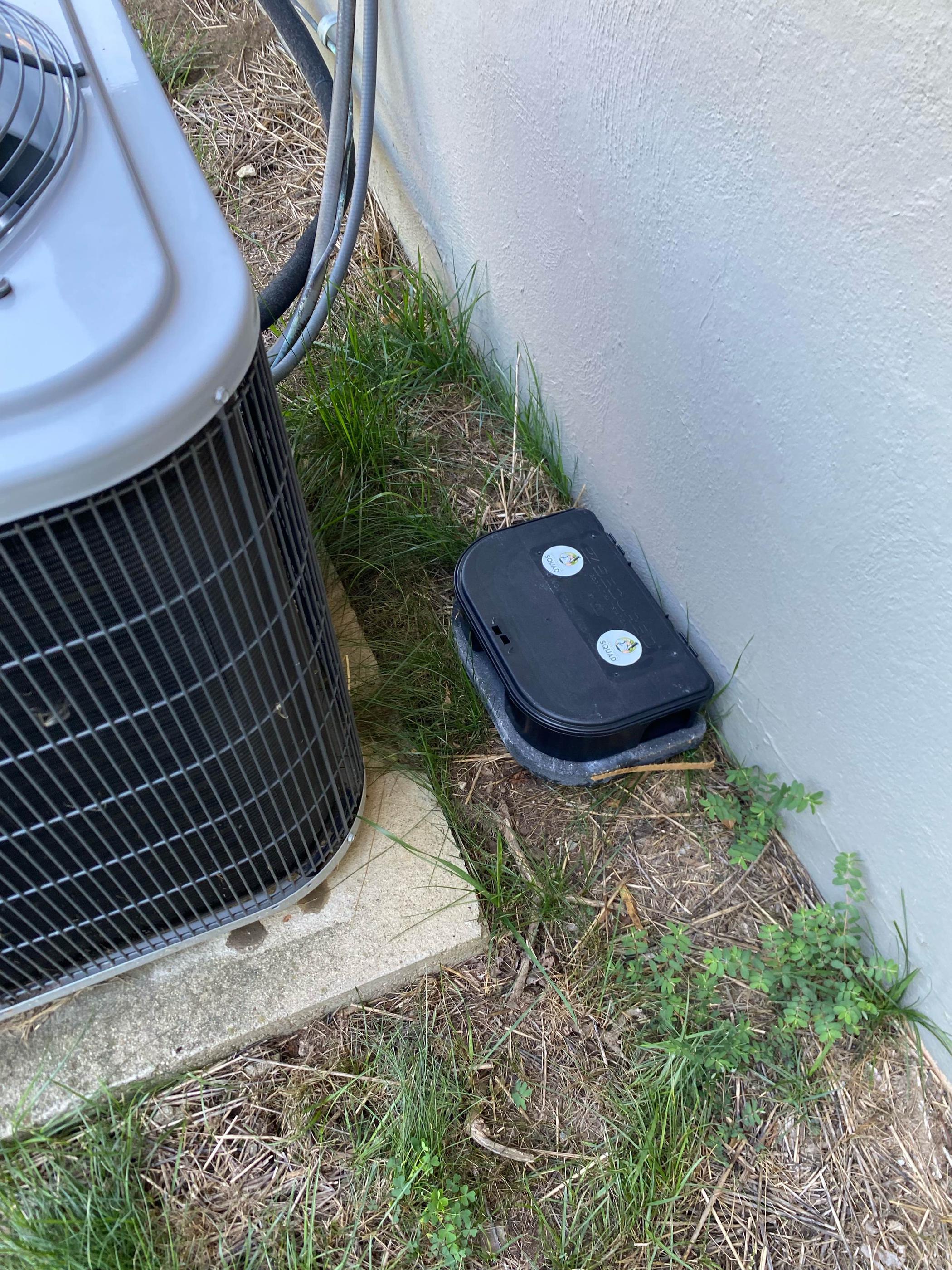
When a quality auditor from a customer, a certification body, or a federal agency walks the facility, they are not only looking for live pests. They are reviewing the program. They want to see the device map showing where every rodent station, insect light trap, and pheromone monitor sits. They want the service records, ideally a year of them, showing each visit, what was found, what action was taken, and what the trend looks like over time. They want the structural exclusion documented, the corrective actions closed out, and the pesticide application records precise to the location. The industry's own standards, including the National Pest Management Association's food facility standards, are built around exactly this kind of provable, monitored, documented control.
A spray-and-go provider who shows up monthly, treats the perimeter, and leaves a one-line invoice cannot produce any of that. The records are the gap that fails the audit, not the pest. We have seen facilities with genuinely clean floors get dinged because the paper trail did not match the standard, and we have seen facilities with a minor pest finding sail through because the documentation showed an active program already on it. The auditor is grading the system, and the system has to be legible on paper.
OSHA adds another layer, because the federal sanitation standard requires every enclosed workplace to be maintained to prevent rodents and vermin and mandates a continuing, effective extermination program wherever they are detected. The pest documentation that satisfies a food-safety auditor does double duty as evidence of the sanitary workplace OSHA expects. One good program, built and recorded correctly, answers to several masters at once.
What a Dayton Manufacturer Actually Needs From a Provider
The honest checklist is short, but every item is load-bearing in a production environment.
First, a real walkthrough before anyone quotes a number. A plant cannot be priced over the phone, because the program depends on the building envelope, the dock situation, the number of shifts, the storage layout, and which production zones have chemical restrictions. Pricing in this market is quoted per facility after a physical walkthrough, with no long-term contract locking you into a program that is not performing.
Second, exclusion has to lead. In a manufacturing facility the cheapest, most durable pest control is sealing the building so pests cannot get in, especially around dock doors, leveler plates, utility penetrations, and roof intakes. A provider who only wants to talk about spray frequency is selling a subscription to a recurring problem instead of fixing the entry point.
Third, monitoring on the pests' biology, not a routing calendar. National chains tend to service monthly because monthly is efficient for their trucks. A production facility needs threshold-based intervention, where treatment is triggered by what the monitoring data actually shows, and it needs someone who treats on the pest life cycle rather than a fixed date that may miss a breeding window entirely.
Fourth, documentation that survives an audit. In a facility where the records are the deliverable, this is the whole game. Device maps, service history, trend data, corrective actions, and application records have to be complete and current, because that is what the auditor measures.
And fifth, a response path that does not wait for the next scheduled visit. Our commercial work carries a 100 percent satisfaction guarantee with free re-treatment between regular visits for covered pests, because in a plant the gap between service calls is exactly where a small issue becomes a shutdown. When activity shows up, the answer is that we come back, not that we will catch it next month.
We are a veteran-owned family business and we have been treating properties across the Dayton area since 2014, from the established neighborhoods out to the commercial corridors. The same eye for the building that helps a homeowner in Kettering or Centerville seal a foundation before fall is what a plant needs at a different scale: somebody who reads the structure and the entry points instead of running a route. We handle commercial rodent control and the full range of commercial services for facilities across Springboro, Huber Heights, Beavercreek, and the rest of our service area. A production floor and a suburban office are not the same pest control job, and the program should reflect that from the first walkthrough.