Chiggers Love a Beavercreek Backyard That Backs Up to the Greenway
Posted by Mosquito Squad Plus
June 22, 2026
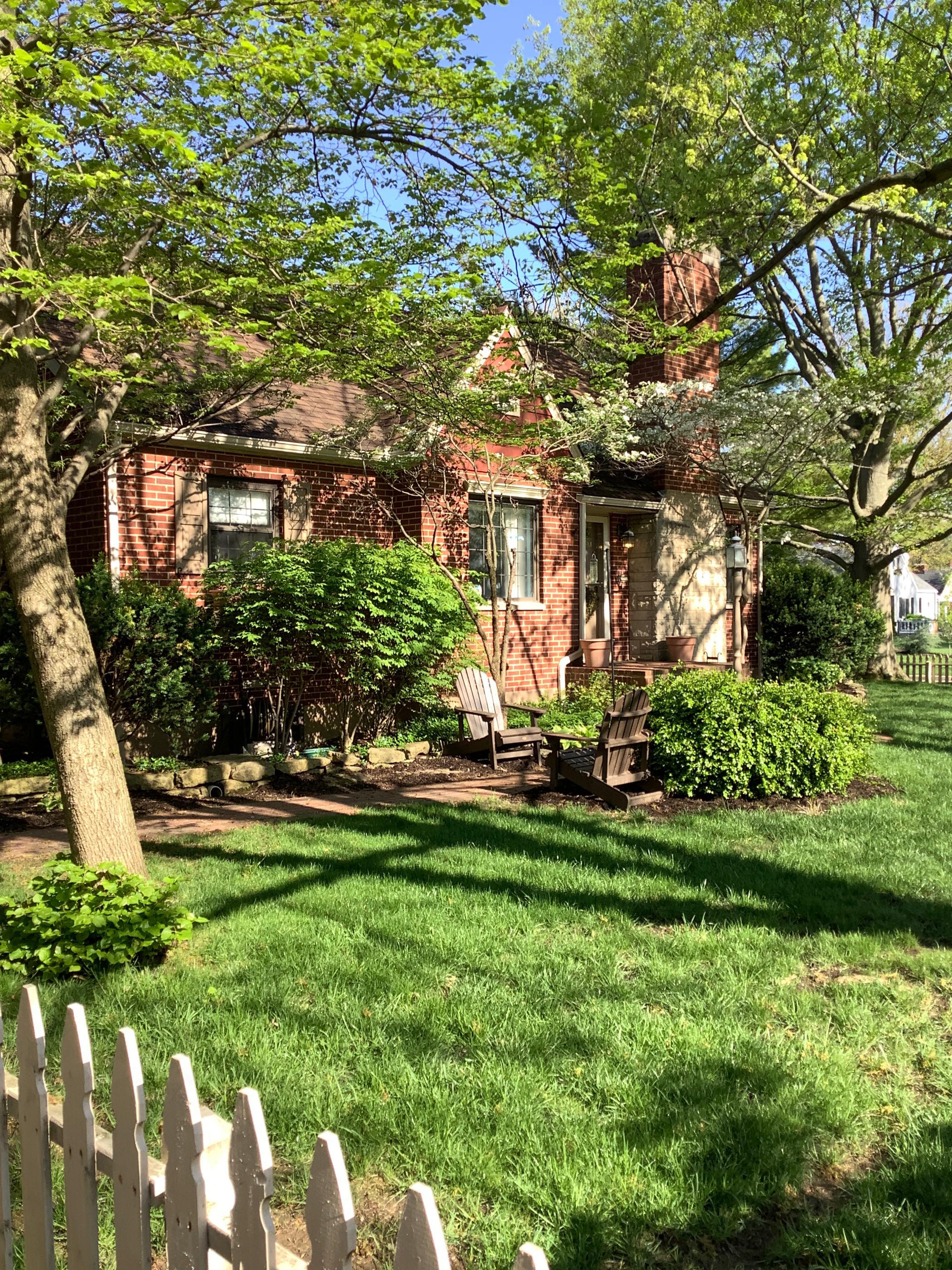
You can be the kind of person who never goes hiking, never camps, never sets foot on a trail, and still spend all of July scratching your ankles raw in Beavercreek. You did not pick the chiggers up somewhere. They live behind your fence. Half the subdivisions in this town back up to the greenway, a prairie reserve, or one of those grassy corridors along the creek, and that strip of tall grass on the far side of your fence is not just a nice view. It is a chigger nursery, and your backyard is the next stop.
That is the part that catches people off guard, especially the ones who keep a sharp yard. You assume chiggers are something you pick up out in the woods, on a hike, somewhere you went on purpose. In Beavercreek you do not have to go anywhere at all. Good chigger control in Beavercreek starts with accepting that the same greenway you paid extra to live next to is doing double duty as a chigger factory.
Why the Greenway Is Perfect Chigger Habitat
To understand why a Beavercreek backyard near the greenway gets chiggers, it helps to know what chiggers actually want, because it is very specific and the greenway delivers all of it.
The Ohio State University Extension explains that chiggers thrive in humid, overgrown, grassy habitats, especially ones frequented by small mammals and birds, and that they concentrate in the transitional zones where fields meet paths and scrubby growth meets a manicured lawn. Read that again with Beavercreek in mind. Humid, overgrown, grassy. Transitional zones where a field meets a path. The edge where scrubby growth gives way to a mowed lawn. That is not a description of some remote wilderness. That is a point-by-point description of the spot where your backyard meets the prairie strip behind it.
The Beaver Creek wetlands corridor makes it worse, in the best possible way. These reserves were deliberately restored into wet prairie, tall-grass meadow, and floodplain, exactly the humid, dense, grassy ground chiggers prefer, and they are full of the rabbits, woodchucks, deer, and ground-feeding birds that chiggers ride on. Greene County Parks describes Creekside Reserve as a floodplain forest and meadows along the Little Beaver Creek, with an upland prairie of tall grasses and coneflowers. It is beautiful. It is also a chigger engine, and it sits a fence-line away from a lot of Beavercreek homes.
The transitional zone is the key, and it is worth dwelling on, because it is the whole reason a greenway-backed yard is different from a yard in the middle of a subdivision. Chiggers do not love the deep woods and they do not love the open mowed lawn. They love the seam between them, the few feet where the unmowed prairie grass meets the edge of your turf, where it stays humid and shaded and a passing rabbit drops by. In Beavercreek, that seam runs along the back of thousands of properties.
How They Get From the Greenway Onto You
Chiggers do not fly, they do not jump, and they do not travel far on their own. So how does a chigger that lives in the prairie behind your fence end up biting you around the waistband? It gets a ride, and you are the ride.
The larval chigger, which is the only stage that bites, climbs to the top of a grass blade or a low plant and waits. The OSU Extension notes that the mites perch at the edge of grass blades, waiting to hitchhike onto the legs of a passing animal or person, and that they are drawn to the carbon dioxide we exhale and to dark clothing. So when the kids cut through the tall grass at the edge of the yard to get to the trail, when the dog noses along the back fence, when you walk the few feet of unmowed grass to pull a weed or chase a frisbee, the chiggers transfer. They climb aboard at the seam between the greenway and your yard, and then they go looking for skin.
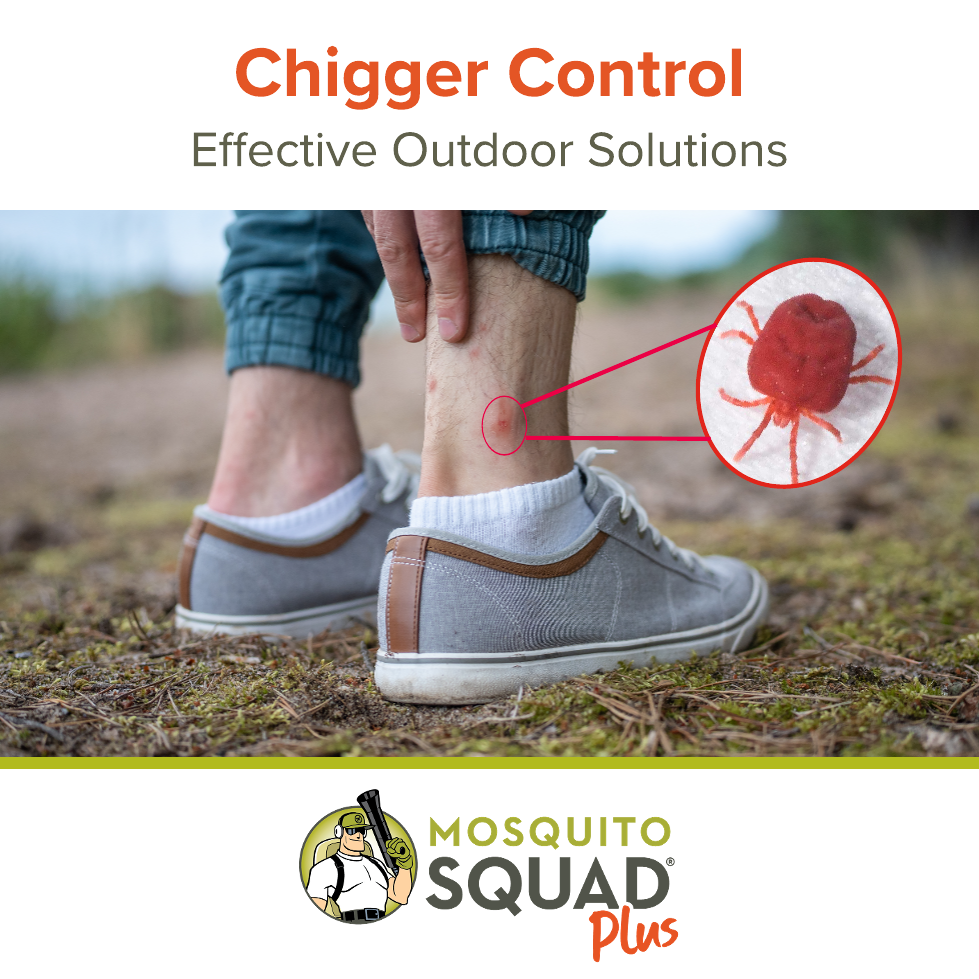
That is also why the bites show up where they do. Once a chigger is on you, it heads for somewhere tight and warm, so the bites cluster around sock lines, waistbands, and other spots where clothing presses against skin, and the Cleveland Clinic notes the bites tend to form in a line around the seams of tight-fitting clothing. If you came in from the backyard and a day later you have a band of furious little welts around your ankles or your waist, that is the greenway saying hello. A mosquito bites your bare arm. A chigger waits for the elastic.
Why You Never See the Thing That Got You
Part of what makes chiggers so maddening, especially for people who pride themselves on a nice yard, is that the bite and the cause feel completely disconnected. You spend a pleasant evening in the backyard, feel nothing, go to bed, and wake up convinced something invaded your house overnight, because surely you would have noticed something biting you.
You would not have, and here is why. The OSU Extension notes that chigger larvae are a fraction of a millimeter across, far too small to see without magnification, so nobody catches them in the act. And despite the most stubborn myth about them, they do not burrow into your skin. The OSU Extension is explicit that chiggers do not burrow; the larva attaches at the surface, usually at the base of a hair follicle, and injects saliva that liquefies skin cells into a slurry it drinks through a tube-like channel called a stylostome. Your body reacts to that saliva, and the reaction is the itch, which is why it can rage on for one to two weeks after the mite itself is long gone. The bug is often dead or brushed off by the time you are at your itchiest, which is exactly why it feels like such a mystery.
The Spots in a Greenway-Backed Yard Where They Pile Up
Not every part of a Beavercreek backyard is equally chiggery. They concentrate, and on a greenway-backed lot the hot spots are predictable once you know to look.
The back fence line is the obvious one, the seam where your mowed grass meets the taller, wilder growth of the corridor behind it. That transitional strip is the single most likely place to pick them up. But the greenway is not the only source. Chiggers settle into any humid, shaded, low spot, so the same lot tends to have a few other trouble areas, the mulch beds along the foundation, the shaded damp strip on the north side of the house, the unmowed corner by the shed, the ground under a deck, the spot where the lawn stays soft and green because it never quite dries out. These micro-habitats hold chiggers even when the open, sunny middle of the lawn does not, because the open lawn dries out and chiggers do not like it dry.
Which is the small silver lining. A wide-open, sunny, well-mowed Beavercreek lawn in the middle of a subdivision, away from the greenway, is genuinely a poor place for chiggers. The problem is specifically the edges and the corridor, and unfortunately the edges and the corridor are exactly what makes a greenway lot worth buying in the first place.
When Chigger Season Runs in Beavercreek
Chiggers are not a quick midsummer surprise you can wait out. They run a long season, and in a community where people are on the trail and in the yard from the first warm weekend through the fall, that overlap matters.
The OSU Extension documents that chigger mites overwinter as adults in the soil and emerge to mate and lay eggs once temperatures climb above 60 degrees Fahrenheit, which around Dayton generally means late April into May. The heaviest numbers in Ohio show up June through August, but because the females produce several generations across a single year, the pressure does not spike once and quit. It rolls through the whole warm season. A greenway-backed Beavercreek yard can have active chiggers from May into early fall, which is essentially the entire stretch anyone wants to be outside in the first place.
That long, multi-generation season is why a single bad week is rarely the end of it. By the time someone connects the itching to the backyard and starts paying attention, the population in the corridor has usually been cycling for weeks, and it keeps right on cycling until the weather turns.
What People Try, and Where It Runs Out
The standard chigger advice is reasonable and worth doing, and the OSU Extension backs the basics, keep the grass mowed, clear brush and weeds from the edges, and open up shaded damp spots to more sun and airflow, because chiggers like humidity and hate a dry, sunny, breezy yard. On the part of the property you control, that genuinely helps. A tidy, sunny lawn is a poor chigger habitat, and good yard care pushes the pressure back toward the fence line.
The honest catch in Beavercreek is the fence line itself. You can mow your grass to a putting green, and the prairie corridor behind your property is still there, still humid, still full of chiggers, and entirely out of your hands. It is protected greenway. You cannot mow it, you cannot clear it, and you would not be allowed to treat it even if you wanted to. So good yard care reduces the chiggers your own lawn produces, but it does nothing about the steady supply riding in off the corridor.
Personal protection helps for a given outing. The OSU Extension recommends DEET, picaridin, or oil-of-lemon-eucalyptus repellents and protective clothing when you are heading into likely chigger ground, and showering promptly afterward to knock the mites off before they settle in. There is even a simple test the OSU describes, lay a square of black cardboard flat in the grass, wait about ten minutes, and the tiny yellowish-red mites climb onto it where you can see them against the dark. That tells you whether you have them. It does not remove them. And it is worth taking the itch seriously, since clinical guidance notes that scratched chigger bites can lead to secondary skin infections, which is a real concern with kids who cannot leave the welts alone.
What Targeted Treatment Does About the Fence Line
Professional chigger control works on a greenway-backed lot by treating the specific zones where the chiggers actually concentrate rather than blasting the whole yard, which the OSU Extension warns against anyway because broad spraying risks rebound populations and harms the beneficial insects and pollinators you want to keep. Targeted treatment of the hot spots is what provides real knockdown.
On a Beavercreek property those hot spots are the ones already named. The back fence line where the turf meets the corridor. The mulch beds and the shaded foundation strip. The damp north side and the ground under the deck. The unmowed corner. A treatment program built around those harborage zones, applied on a recurring schedule through the active season, knocks the chiggers down at the seam before they make it to where the kids play. It does not touch the protected prairie behind your fence, it does not need to, it just makes the last few feet, the part that is actually your yard, a place the chiggers cannot get a foothold.
For a property that also fights the gnats and mosquitoes the wetlands produce, the same shaded, humid edges harbor all of them, which is why the mosquito barrier treatment pairs naturally with chigger work, and households that prefer a botanical route can ask about the natural treatment option. For families who are outdoors all season, between the trail and the backyard, year-round Home Shield coverage keeps the whole pest picture handled across the calendar.
The Rest of What a Greenway Lot Deals With
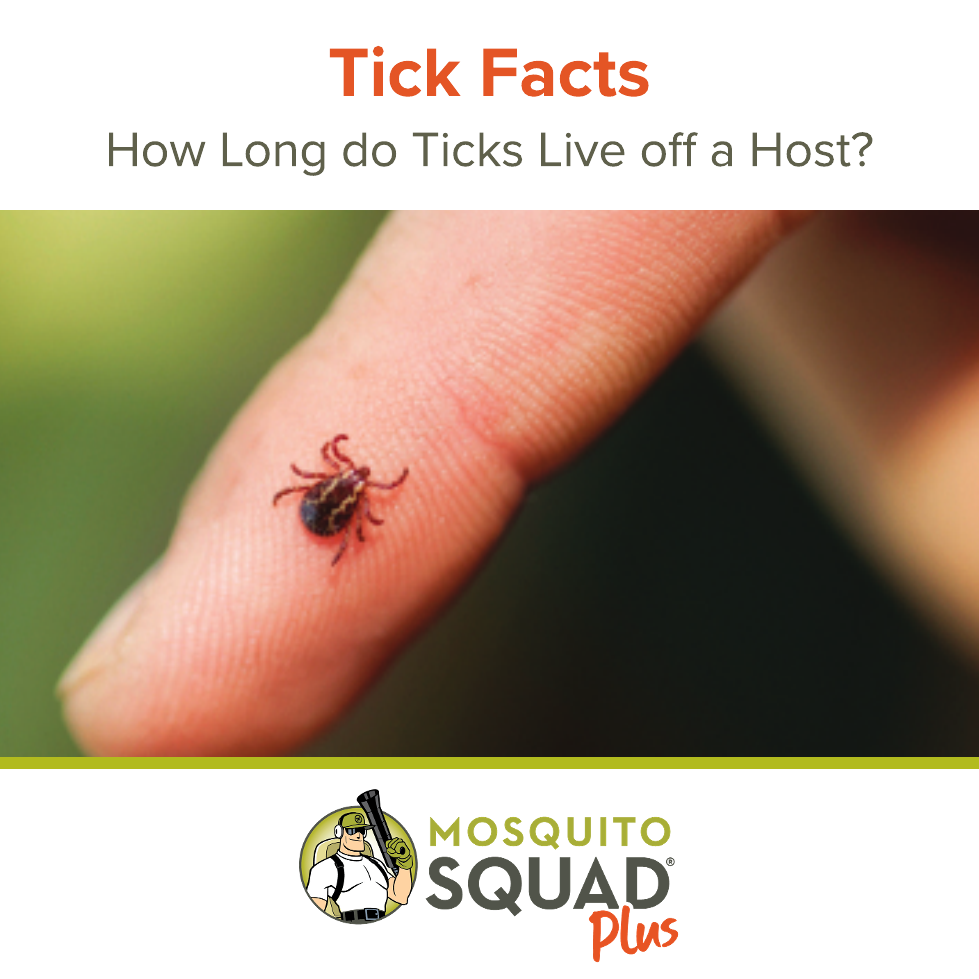
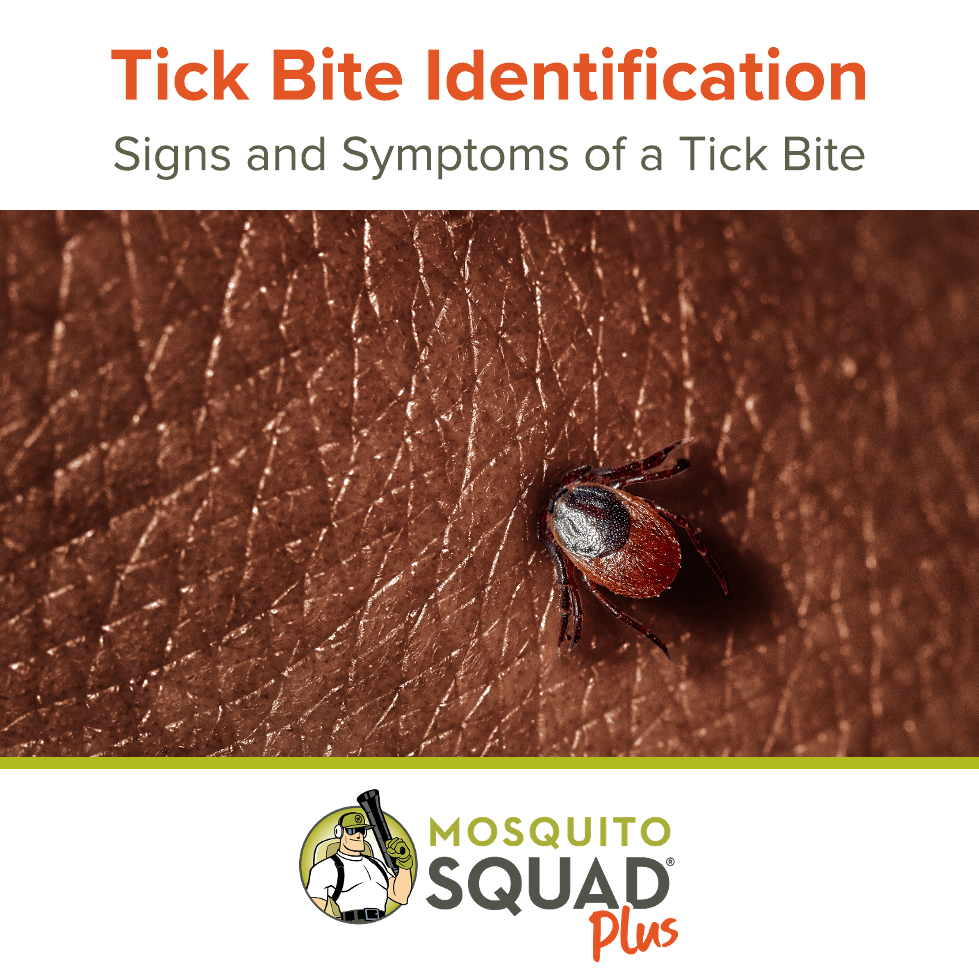
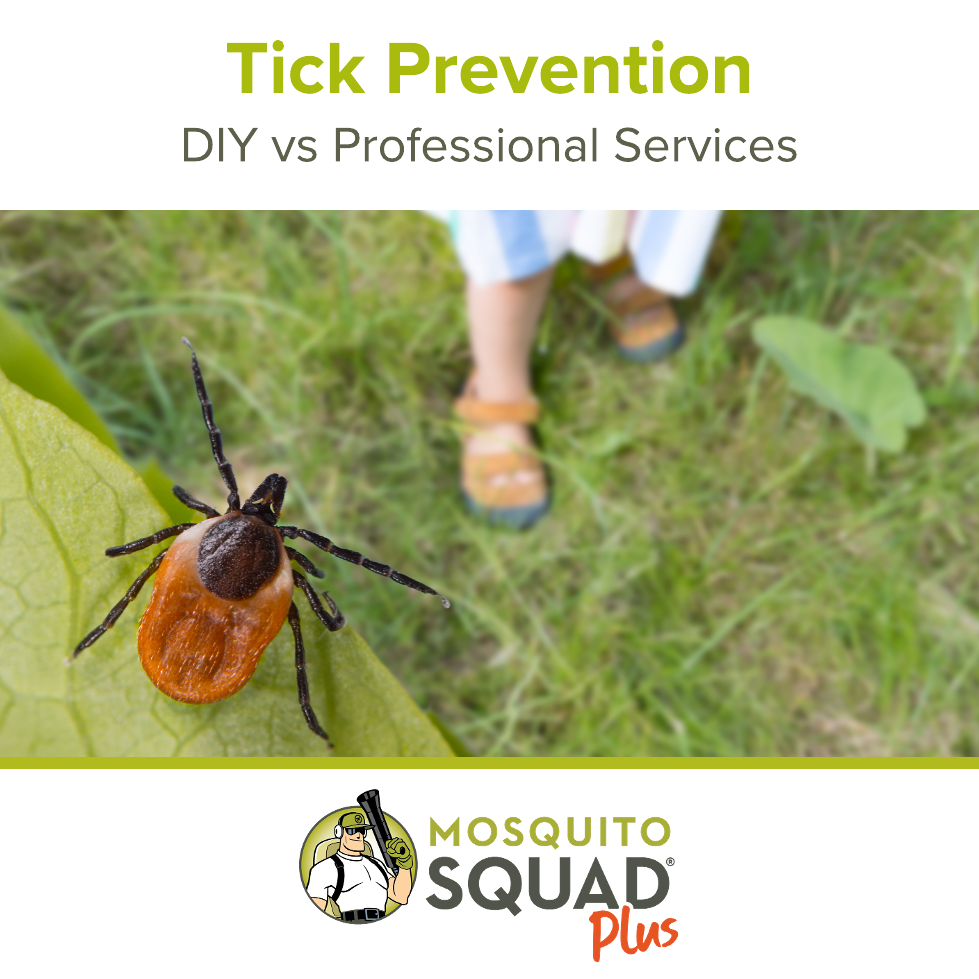
Chiggers share that fence-line seam with a few other pests worth a mention, because the same corridor that feeds them feeds the others. Ticks work the identical transitional zone, the tall grass meeting the mowed lawn, and they ride in on the same deer and rabbits that bring the chiggers, so a greenway-backed yard tends to have both, and the 6 C's of tick control lay out the approach. The wetlands corridor is also a mosquito factory, with the still water and marsh edges producing them all summer, which is where mosquito control and the 7 T's of mosquito control come in.
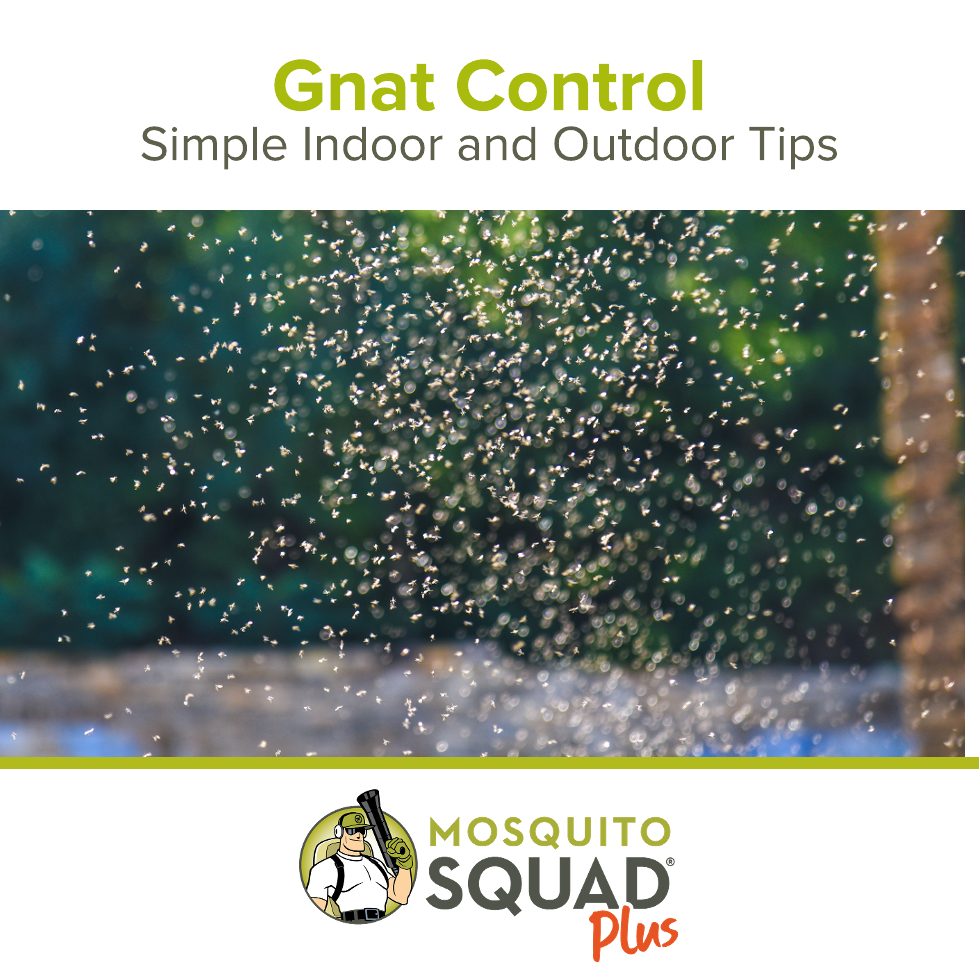
And the trail brings the gnats and no-see-ums that swarm a still evening near the creek. For the backyard graduation party or the cookout that a Beavercreek summer is built around, a one-time special event spray clears the yard beforehand so nobody spends the evening scratching.
The Greenway Is Worth It. Just Treat the Fence Line.
Nobody should give up a greenway lot over a mite they cannot see. The trail, the prairies, the creek, the deer at the back fence at dusk, that is the whole reason people pay extra to back up to the corridor in the first place, and it is worth every penny. It just comes with a chigger season that is set by the greenway rather than by your own lawn, which means treating a Beavercreek backyard is partly about your yard and mostly about the seam where your yard meets the wild.
We treat Beavercreek along with neighboring Kettering, Centerville, Xenia, and the rest of the Dayton area, and our work is backed by a 100 percent satisfaction guarantee. Call us at (937) 761-2767 or get a free quote online, and we will walk the property, find where the greenway is handing chiggers to your yard, and treat the seam so the trail out back stays the best thing about the place instead of the itchiest.