Differences Between Carpenter Ants and Regular Ants
Posted by Mosquito Squad Plus
July 23, 2026
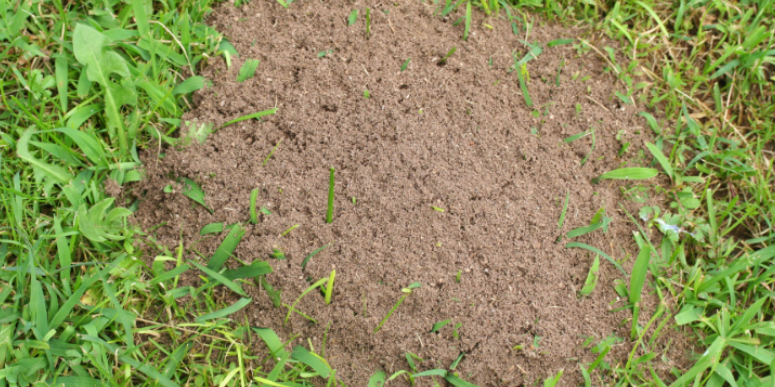
Does it really feel like summer if you aren’t seeing trails of ants foraging for food? Blythewood, SC, knows how warm spring and summer weather draws ants out of dormancy to interrupt outdoor entertaining, and even tries to cause damage to your home.
There are several species of ants, but there are two distinct groups: carpenter ants and what you could call “regular ants.” Blythewood ant control can be tailored to the type of ant you are seeing around your home and yard.
What Is a Carpenter Ant?
A larger ant species, carpenter ants, can be extremely destructive to property. These ants will tunnel through wood to create nests in which to raise young and grow the colony. Carpenter ants sound like termites, but they don’t eat wood as termites do. They carve into it, seemingly drawn to damp and softened wood. Moisture in areas like deck pilings, wood piles, and siding will draw carpenter ants to try to establish a nest. Part of carpenter ant management is limiting the amount of moisture that settles around your property.
What Are “Regular” Ants?
When people say “regular ants,” they usually mean the smaller ants they see trailing along sidewalks, driveways, or trying to get into the house across countertops. These ants are looking for food and shelter, often with a goal-based drive. A great way to handle ant control for these types of ants is simply removing what they are seeking. Clean up spills and keep food in sealed containers, watch for gaps in windows and door frames to prevent ants from coming inside.
How Carpenter Ants and Common Ants Differ
The biggest differences come down to size, nesting habits, and what their activity may indicate. Carpenter ants are often larger and may be black, reddish brown, or a mix of colors. Common nuisance ants are often smaller and more focused on food sources, crumbs, sugary spills, and outdoor debris. If you are not sure which type you are seeing, look for clues such as:
- Larger ants moving near damp wood, decks, or tree stumps
- Small piles of sawdust-like material near wood features
- Ant trails around food, trash, pet bowls, or kitchen entry points
- Activity near mulch beds, cracks, pavers, or foundation gaps
- Winged ants appearing during warm, humid periods
Small changes, such as managing moisture, sealing entry points, and limiting food sources, can support ant prevention around indoor and outdoor spaces.
Blythewood Conditions Can Encourage Ant Activity
Blythewood’s mix of wooded neighborhoods, landscaped yards, warm summers, and frequent humidity can support ant activity in several ways. Mulch and pine straw can hold moisture. Fallen limbs and stacked firewood can create nesting opportunities. Outdoor meals, drink spills, pet food, and uncovered trash can draw ants closer to living areas. If you are also seeing other pests, Mosquito Squad Plus provides services that can help homeowners build a more complete plan for outdoor comfort.
When to Call for Professional Ant Control
A few ants after a picnic may not seem alarming, but repeated trails, activity near damp wood, or sawdust-like debris can be a reason to schedule service. Trained technicians will do an inspection before treatment, giving us a chance to identify other potential pest concerns around the property, including spiders, ticks, fleas, or mosquitoes. If ants are becoming a recurring concern around your Blythewood home, contact Mosquito Squad Plus of Columbia for Blythewood service or call (803) 219-8621 for a free quote.