Pleasant Run Farm Is All Lawns and Sidewalks, and Chiggers Don't Mind a Bit
Posted by Mosquito Squad Plus
June 22, 2026

You can keep the nicest lawn on the block in Pleasant Run Farm, edge the sidewalk, mow in straight lines, and still come inside on a Saturday scratching at your ankles like you rolled around in a hayfield. That is the chigger's whole trick out here. The Farms is a tidy 1965 subdivision, brick ranches on sidewalk streets, a swim club, a park where the kids play ball, about as far from wild country as you can get. And the chiggers could not care less. They do not need woods or a creek or five acres. They need grass, and a neighborhood named "the Farms" has got plenty of it.
It catches people off guard precisely because the place is so well kept. A homeowner here does not have five wooded acres backing up to a creek. They have a mowed yard, a sidewalk, and a fence line, and they still end an afternoon outside itching around their ankles and waistband with no idea what got them. Knowing how chigger control in Pleasant Run Farm actually works starts with letting go of the idea that a neat suburban yard is too clean to have them. The whole neighborhood was built at once in 1965 as a showcase, the largest subdivision Hamilton County had ever approved at the time, and sixty years of tidy lawns has not made it one bit less hospitable to what lives in them.
Chiggers Live in Lawns, Not Just Woods
The single most useful thing to understand about chiggers in a place like the Farms is where they actually live, because it is not where most people assume. The Ohio State University Extension documents that chiggers prefer to lay their eggs in the humid soils of grassy fields, scrubby weedy areas, and lawns. Lawns. The managed, mowed, sprinkler-fed turf that covers every yard in the neighborhood is on the list of preferred habitat, right alongside the overgrown field.
Here is how they get on you. The larval chigger, the only stage that bites, climbs to the top of a grass blade and waits. OSU Extension explains that the mites perch at the edge of grass blades and other low plants, waiting to hitchhike onto the legs of a passing animal or person, and that they are drawn to the carbon dioxide we exhale and to dark clothing. So when a kid rolls around in the backyard, when somebody kneels to pull weeds, when the dog runs the fence line and then flops down next to you on the patio, the chiggers transfer. They do not fall from trees and they do not come boiling up out of a swamp. They are right there in the yard you are standing in.
That is what makes a subdivision lot perfectly good chigger habitat. The grass does not have to be tall or neglected. It just has to be grass, and it has to hold a little moisture down at the soil line, which any watered Ohio yard does through the summer. The picture of chiggers as a problem that belongs to wild, overgrown, wooded property is the single biggest reason Pleasant Run Farm homeowners get bitten in their own tidy backyards and never figure out why.
Why You Itch Like Crazy and Never See a Thing
Part of what makes chiggers so maddening in a neighborhood like this is that the bite and the cause are completely disconnected in time. You can spend a Saturday afternoon outside, feel nothing, come in, shower, eat dinner, go to bed, and wake up Sunday covered in welts with no memory of anything biting you.
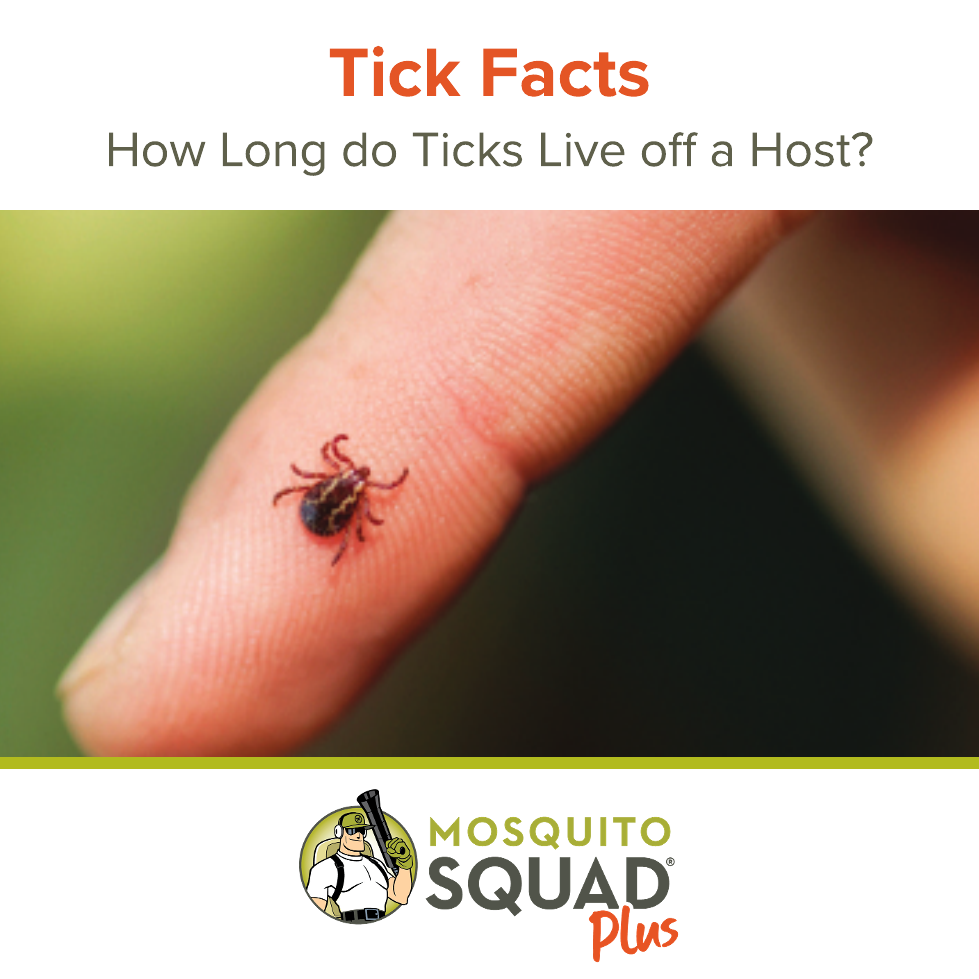
The reason is in how small they are and how they feed. OSU Extension notes that chigger larvae measure on the order of a fraction of a millimeter, far too small to see without magnification, which is why nobody spots them in the act. And contrary to the most common myth about them, they do not burrow into your skin. The OSU Extension is explicit that chiggers do not burrow; the larva attaches at the surface, usually at the base of a hair follicle, and injects saliva that dissolves skin cells into a slurry it can drink through a tube-like channel called a stylostome. The intense itch is your body reacting to that saliva, and it can keep going for one to two weeks after the mite itself is long gone.
There is a tell that points straight at chiggers rather than mosquitoes. OSU Extension documents that once a chigger gets onto you, it moves toward tight, sheltered spots where clothing presses against skin, so the bites cluster around sock lines and ankles, under waistbands, under bra straps, and in the armpits, and rarely show up on open, exposed skin. The Cleveland Clinic describes the same signature, bites forming in a line around the seams of tight-fitting clothing. If your bites are in a neat band around your ankles or your waist after an afternoon outside, that is the chigger signature. A mosquito bites the open back of your arm. A chigger waits for the elastic of your sock.
The Spots in a Suburban Yard Where They Concentrate
A 670-acre planned subdivision is not one uniform sheet of green, and chiggers are not spread evenly across a property. They concentrate in specific micro-habitats, and on a Pleasant Run Farm lot those are predictable once you know to look.
The shaded, humid edges are the first place. OSU Extension points to transitional zones, the band where one kind of ground cover gives way to another, as prime chigger territory, and a suburban yard is full of those even without a forest. The strip of taller grass along a back fence that the mower never quite reaches. The shaded north side of the house where the ground stays damp. The mulch bed along the foundation. The dirt under a deck. The property line where your yard meets the neighbor's and nobody mows the last few inches. These are the humid, sheltered, low spots where chiggers ride out the heat of the day and wait for a host.
Then there is the shared ground that makes the Farms the Farms. The neighborhood is organized around its common spaces, the park in the middle where kids play ball, the grounds around the swim club, the planted edges along the sidewalks and the cul-de-sac islands. That is all managed turf with shaded, humid margins, and a child who spends an August afternoon at the park comes home carrying whatever was waiting there. The same community character that draws people to the Farms, the parks, the pool, the kids running between yards, is the same character that hands chiggers a lot of well-watered ground to live in and a lot of bare ankles passing through it.
When Chigger Season Runs in Hamilton County
Chiggers are not a brief midsummer nuisance you can wait out. They run a long season, and in a neighborhood where people are outside from the first warm weekend through football season, that matters.
OSU Extension documents that chigger mites overwinter as adults in the soil and in protected places, and emerge to mate and lay eggs once temperatures climb above 60 degrees Fahrenheit, which in this part of Ohio generally means late April into May. The heaviest numbers in Ohio show up from June through August, but because the females produce several generations across a single year, the pressure does not peak once and quit. It rolls through the whole warm season. A Pleasant Run Farm yard can have active chiggers from May into early fall, which is essentially the entire stretch anyone wants to be outside in the first place.
That long, multi-generation season is the reason a single bad weekend is rarely the whole story. By the time a homeowner connects the itching to the yard and starts paying attention, the population has usually been cycling out there for weeks, and it will keep cycling until the weather turns. Reacting to it in July means living with it until October. Getting ahead of it before it establishes in spring is a different experience entirely.
What People Try First, and Why It Comes Up Short
The standard homeowner playbook for chiggers is reasonable as far as it goes, and OSU Extension endorses the basics. Keep the grass mowed, clear brush and weeds from the edges, and open up shaded damp spots to more sun and airflow, because chiggers like humidity and dislike dry, sunny, well-circulated ground. On a tidy Pleasant Run Farm lot, a lot of that is already being done, which is part of why the bites are so confusing. The yard looks great and the chiggers are still there.
The honest limit is that good lawn care reduces chigger habitat but does not erase it. The mulch beds, the fence-line strips, the shaded foundation edges, the damp north side of the house, those persist no matter how sharp the mowing is, and they are enough to sustain a population. Personal protection helps for a single outing, OSU Extension recommends DEET, picaridin, or oil-of-lemon-eucalyptus repellents and protective clothing when you are heading into a likely chigger zone, and showering promptly afterward to knock the mites off before they settle in. There is even a simple home test OSU describes: lay a square of black cardboard flat in the grass, wait about ten minutes, and the tiny yellowish-red mites will climb onto it where you can see them against the dark background. That tells you whether you have them, but it does not remove them. And the itch is worth taking seriously beyond the annoyance, since clinical guidance notes that scratching chigger bites can lead to secondary skin infections that need medical attention, which is a real concern with kids who cannot leave the welts alone.
What none of that does is reduce the population living in the yard from one weekend to the next. Repellent protects the person for an afternoon. It does nothing to the chiggers still out there when the kids go back out tomorrow.
What Targeted Chigger Treatment Actually Does
Professional chigger control works on a subdivision lot the same way it works anywhere, by treating the specific zones where the population concentrates rather than blasting the whole yard. OSU Extension is clear that broad spraying is the wrong approach, both because it risks rebound populations and because broad-spectrum products harm the beneficial insects and pollinators you want to keep, and that targeted treatment of hot spots is what provides real knockdown.
On a Pleasant Run Farm property those hot spots are the ones already named. The shaded fence-line strip. The mulch beds along the foundation. The damp north side of the house and the dirt under the deck. The property-line edge where the grass goes untended. A treatment program built around those harborage zones, applied on a recurring schedule across the active season, brings the population down and keeps it down in a way that mowing and repellent never will on their own. For a yard that also fights the usual Ohio summer lineup, our mosquito barrier treatment targets the same shaded, humid harborage where mosquitoes rest, and for households that prefer a botanical route the natural treatment option runs on the same schedule. Because chiggers, mosquitoes, and ticks all favor that same damp, shaded edge habitat, the year-round Home Shield program covers the whole pest picture across the calendar rather than chasing one bug at a time.
The Rest of What a Settled Subdivision Deals With
Chiggers share their favorite ground with a few other pests worth naming, because the same shaded, humid edges that hold them tend to hold the others too. Tick control belongs in the conversation on any lot with a brushy fence line or a wooded patch nearby, since ticks work the same lawn-to-edge transition zones and travel in on deer, dogs, and other wildlife moving between yards. The OSU guidance on reducing chigger habitat, mowing, clearing brush, opening up airflow, reduces tick habitat for exactly the same reasons.
Mosquito control is the other constant. A settled neighborhood like the Farms is full of the small standing-water sources mosquitoes need, the clogged gutter, the saucer under a potted plant, the low spot that holds water for days after a storm, the kiddie pool nobody dumped. The 7 T's of mosquito control start with finding and tipping those out, and on a tidy lot that is genuinely effective for the water you can reach. For the neighborhood's calendar of pool parties, parades, and backyard cookouts, a one-time special event spray clears a yard before the guests arrive. And as the weather cools, the mice and other rodents looking for a warm place start working the foundations of these mid-century brick homes, which is its own fall chapter.
The point is not that Pleasant Run Farm is overrun. It is a clean, well-kept neighborhood, and that is precisely the point. A tidy subdivision is not too neat for chiggers, mosquitoes, or ticks, because none of them care how nice the place looks. They care that there is grass, that it holds a little moisture at the edges, and that people walk through it all summer. The good news on chiggers specifically is that the CDC notes they are not known to transmit disease in the United States; the problem is the relentless itching and the risk of a scratched bite turning into a secondary infection, not illness. That makes them a quality-of-life pest, exactly the kind worth getting out of a yard where kids play all summer.
A Neat Neighborhood Still Plays by the Grass's Rules
Pleasant Run Farm was designed in 1965 to be an easy, comfortable place to raise a family, and sixty years later it still is. The sidewalks, the swim club, the park, the parade, that is the whole appeal, and none of it is worth giving up over a mite you cannot see. It just means treating the yard for what it actually is, several thousand square feet of well-watered grass with shaded, humid edges, which is chigger habitat whether the neighborhood looks the part or not.
We cover Pleasant Run Farm along with neighboring Forest Park, Fairfield, Mt. Healthy, and the rest of the northwest Hamilton County suburbs, and our work is backed by a 100 percent satisfaction guarantee. Call us at (513) 666-5354 or get a free quote online, and we will walk the property and find the hot spots before the season gets going. The grass does not care how tidy the neighborhood is, but we can make it a lot less comfortable for what is living in it.