Is Your Cape Cod Home at Risk for Termites?
Posted by Mosquito Squad Plus
June 1, 2026
Serving Falmouth, Chatham, and Harwich homeowners with professional termite inspections and pest protection.
Termites can work for months or even years without being seen, which is why they are one of the most stressful pest problems for homeowners in Falmouth, Chatham, and Harwich.
If you are wondering whether your Cape Cod home is at risk for termites, the short answer is yes — especially when moisture, wood-to-soil contact, and hidden entry points are present.
Understanding local risk factors and early warning signs can help you act before damage becomes extensive.
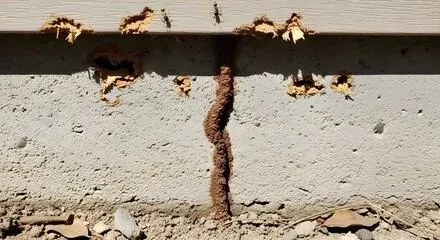
Mud tubes along the foundation are one of the clearest early signs of subterranean termite activity in Cape Cod homes.
Why Termites Are a Serious Threat
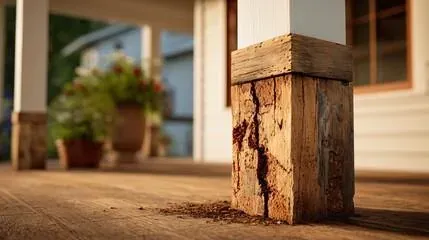
Termites feed on wood and other cellulose-based materials, which means they can damage framing, trim, flooring, and structural components over time.
Because they often stay hidden behind walls or beneath the home, damage may not be obvious until it becomes extensive — or shows up as a surprise during renovations.
The hidden damage problem: The USDA estimates termites cause over $5 billion in property damage each year in the U.S. — most of it not covered by homeowner's insurance. By the time damage is visible, the colony may have been active for years. Early inspection is your best protection.
Common Risk Factors on Cape Cod
Homes in coastal Massachusetts often deal with moisture, aging wood features, crawl spaces, and landscaping conditions that can make termite activity easier to miss.
Firewood stacked against the house, mulch piled too high, wood touching soil, and drainage issues can all increase risk by giving termites easy, concealed access routes.
Even newer homes are not immune if conditions allow termites to find a hidden route inside through cracks or structural elements close to grade.
How local weather affects termite risk
Cape Cod's mix of humid summers, occasional coastal storms, and mild winters can support termite survival and activity year-round in protected areas.
Moisture lingering around foundations and in crawl spaces is especially concerning, since subterranean termites — the most common species in Massachusetts — thrive in damp, protected environments.
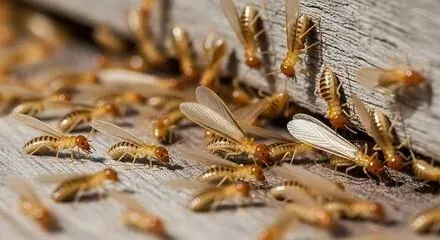
Signs You May Have Termites
Warning signs may include mud tubes along foundations, discarded wings near windows or doors, blistering or bubbling paint, hollow-sounding trim when tapped, or doors and windows that suddenly stick.
In many cases, however, termites are discovered only during professional inspections or when damage is uncovered during repairs or remodeling.
What to do if you find a sign: Avoid disturbing mud tubes, damaged wood, or wing piles before a professional inspection. Disturbing the evidence can scatter the colony and make it harder to locate and treat the source.
That is why waiting for obvious signs is rarely the safest approach for Falmouth, Chatham, and Harwich homeowners — regular inspections catch problems before they escalate.
Spotted something suspicious? Don't wait — early inspection saves thousands in repairs.
How to Lower Your Termite Risk
Reduce moisture around the home, correct drainage issues, keep wood and mulch away from the foundation, and address any direct wood-to-soil contact around the structure.
Schedule periodic inspections, especially if your property has a history of moisture or prior insect issues, to catch potential problems before they develop.
Simple steps like extending downspouts, adjusting grading, and storing firewood away from the house can have a meaningful impact on long-term risk.
Everyday maintenance steps
Walk your property a few times a year looking for mud tubes along foundations, soft or discolored wood, and areas where water collects near the structure.
If you notice anything suspicious, avoid disturbing it too much before a professional inspection so that evidence is not accidentally removed.
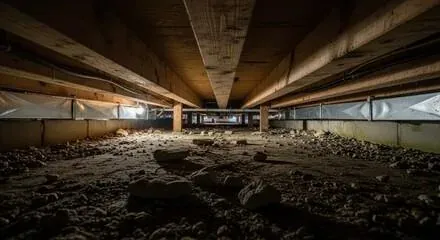
Crawl spaces with poor ventilation are one of the highest-risk areas for subterranean termite activity on Cape Cod.
Why Professional Termite Inspections Matter
A professional inspection can uncover hidden termite activity, risk conditions, and vulnerable areas that homeowners may not recognize on their own.
That is especially valuable in places like Falmouth, Chatham, and Harwich where coastal conditions — saltwater humidity, aging construction, and damp crawl spaces — can support moisture-related pest problems year-round.
Professional recommendations help you act early instead of reacting after serious damage is already underway.
Learn more about termite control options
For a deeper overview of termite behavior and control strategies, visit Cape Cod Mosquito Squad's termite control resource at mosquitosquad.com/bugs-pests/termite-control/.
Satisfaction Guaranteed. See your local Mosquito Squad Plus franchisee for details. For more information, including this guarantee, check out the Mosquito Squad Plus website mosquitosquad.com or ask the franchisee for details.
Frequently Asked Questions
How do I know if I have termites or carpenter ants?
Both can damage wood, but they leave different clues. Termites produce mud tubes, create smooth galleries packed with soil, and leave blistered or hollow-sounding wood. Carpenter ants leave clean, sawdust-like frass outside their galleries and don't build mud tubes. If you're not sure, a professional inspection is the fastest way to get a definitive answer.
Are termites common on Cape Cod?
Yes. Subterranean termites — the most destructive species — are present throughout Massachusetts including Cape Cod. The combination of coastal humidity, older housing stock, and crawl spaces in many homes makes termite risk a real concern for Falmouth, Chatham, and Harwich homeowners.
Does homeowner's insurance cover termite damage?
In most cases, no. Standard homeowner's insurance policies exclude termite damage because it is considered a preventable maintenance issue. This makes proactive inspection and treatment especially important — catching activity early is far less expensive than repairing structural damage after the fact.
How often should I have my home inspected for termites?
Most pest professionals recommend an annual inspection, especially for homes with crawl spaces, a history of moisture issues, or older wood construction. Cape Cod homes near wetlands or with dense landscaping close to the foundation may benefit from more frequent checks.
Schedule a Termite Inspection
If you are concerned about termites in Falmouth, Chatham, or Harwich, don't wait for visible damage to get worse. Cape Cod Mosquito Squad can inspect your home, identify risk conditions, and help you build a plan to protect your property.
Call (508) 461-2010 for a free quote, or request a quote online.