Tick Season Is Here. Is Your Yard Protected?
Posted by Mosquito Squad Plus
June 4, 2026
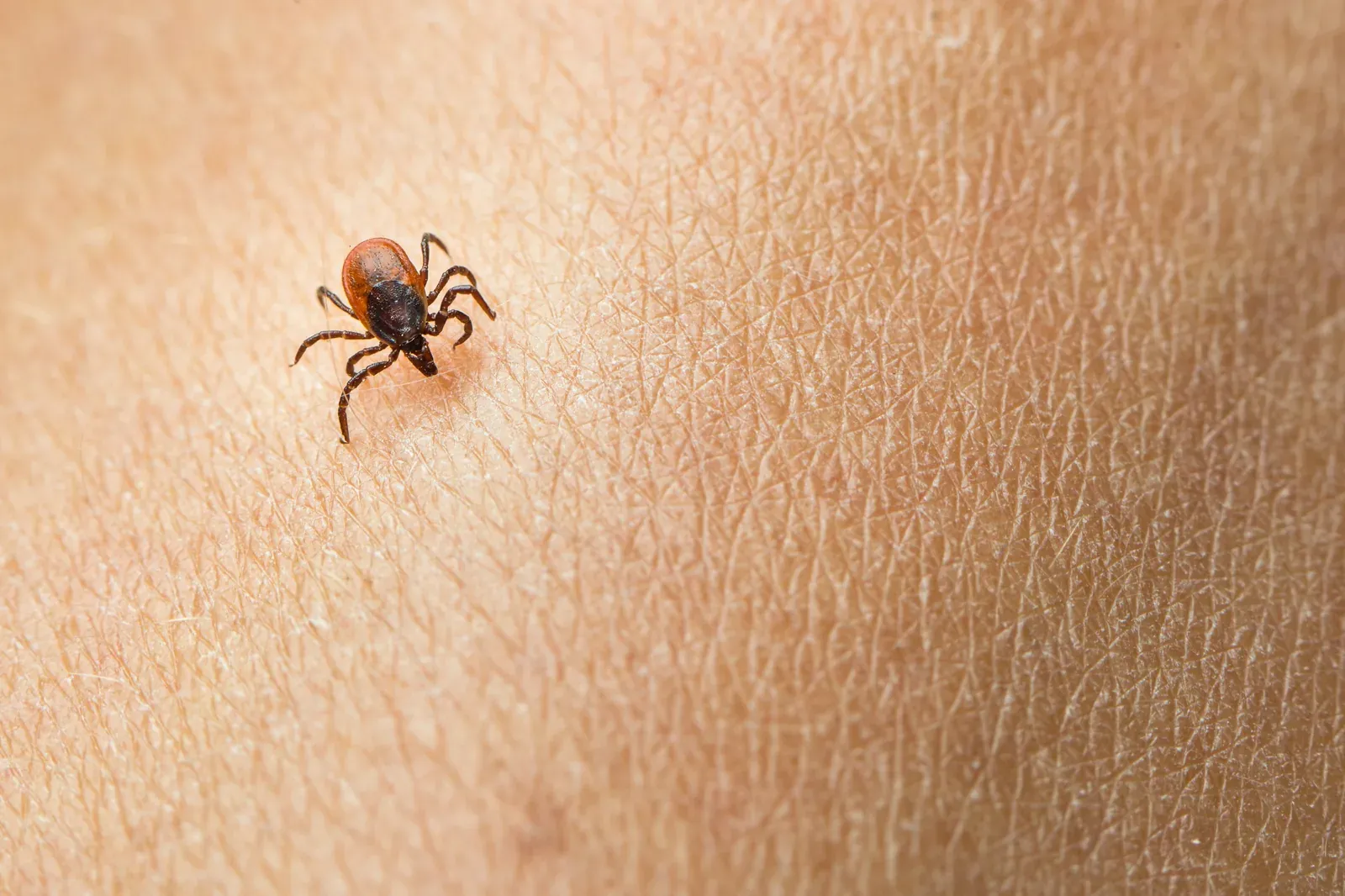
Nymphal ticks are at peak activity on Cape Cod this spring — the most dangerous stage and the hardest to spot. Cape Cod Mosquito Squad helps Barnstable County families take back their yards.
Tick Season Is Here — What Every Cape Cod Homeowner Should Know
If you've noticed more ticks on your property or heard about a surge in tick activity around Barnstable County this spring, you're not imagining it. Tick season on Cape Cod is well underway — and this year, conditions are particularly concerning for outdoor families.
The good news is that you don't have to wait and hope. Cape Cod Mosquito Squad provides professional tick control treatments designed to reduce tick populations in your yard and help Cape Cod Mosquito Squad Helps Protect Your Family Against Mosquitoes & Ticksthrough the entire season.
Tick activity is high across Cape Cod through late spring and early summer.
Understanding Your Tick Risk on Cape Cod
Cape Cod's mix of wooded areas, tall grasses, brushy borders, and coastal wetlands makes it one of the highest-risk environments for ticks in Massachusetts. Barnstable County consistently ranks among the top regions for Lyme disease cases in the state.
The blacklegged tick — also called the deer tick — is the species most responsible for Lyme disease transmission here. These ticks go through several life stages, and it's the tiny nymphal stage that causes the most concern each spring and early summer.
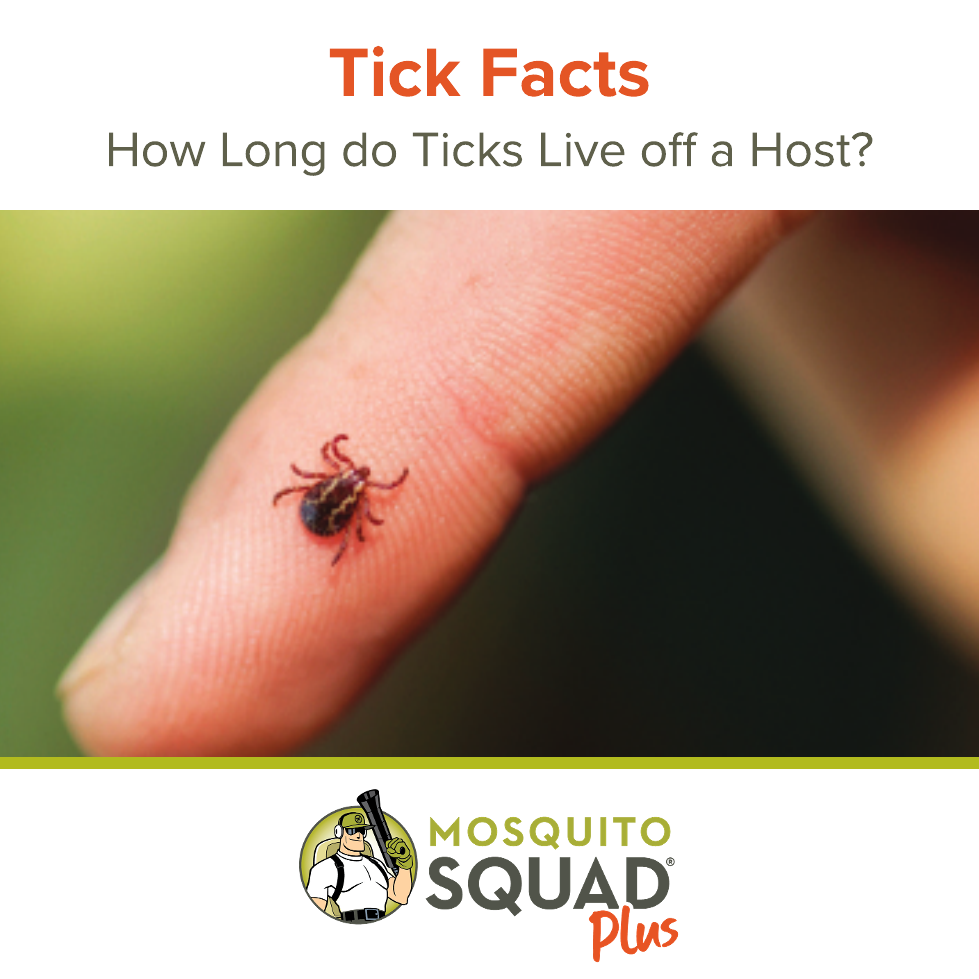
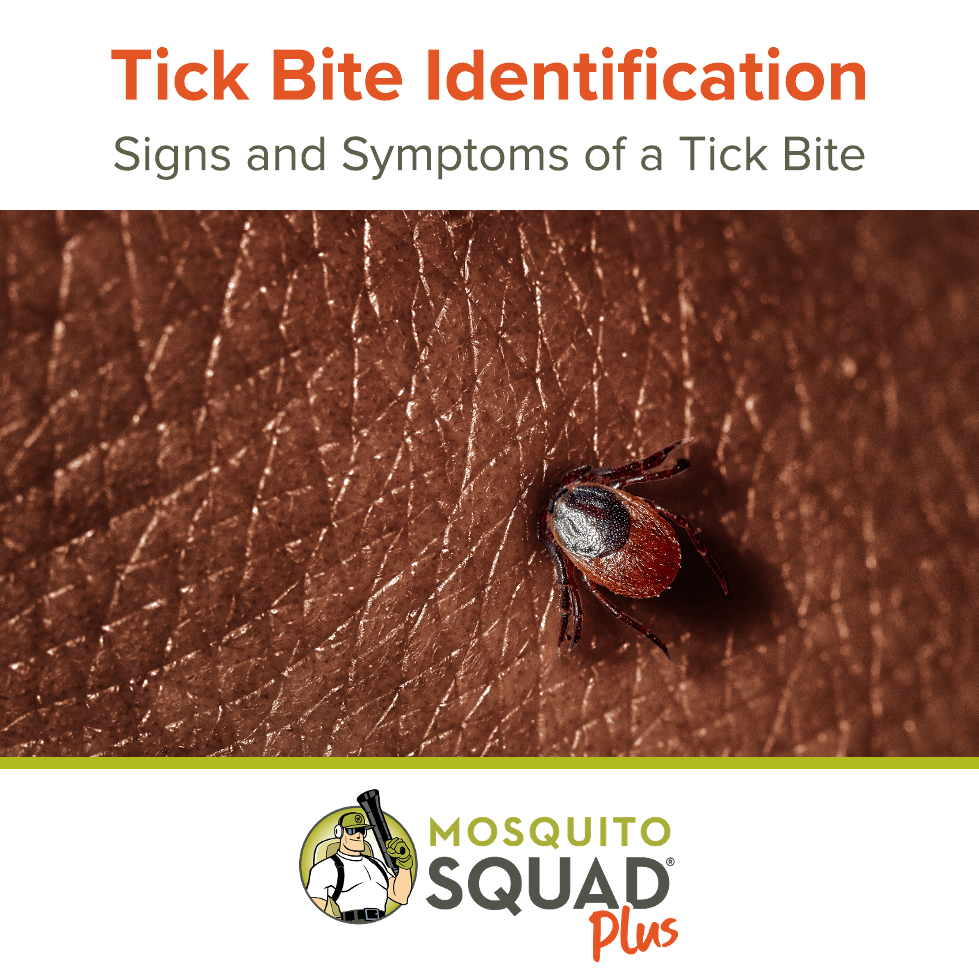
Nymphal ticks are active from late spring through early summer and are roughly the size of a poppy seed — making them extremely easy to miss during a tick check. They are the life stage most responsible for Lyme disease transmission because they're small enough to go unnoticed for the 36–48 hours needed for disease transfer.
Where ticks hide on your property
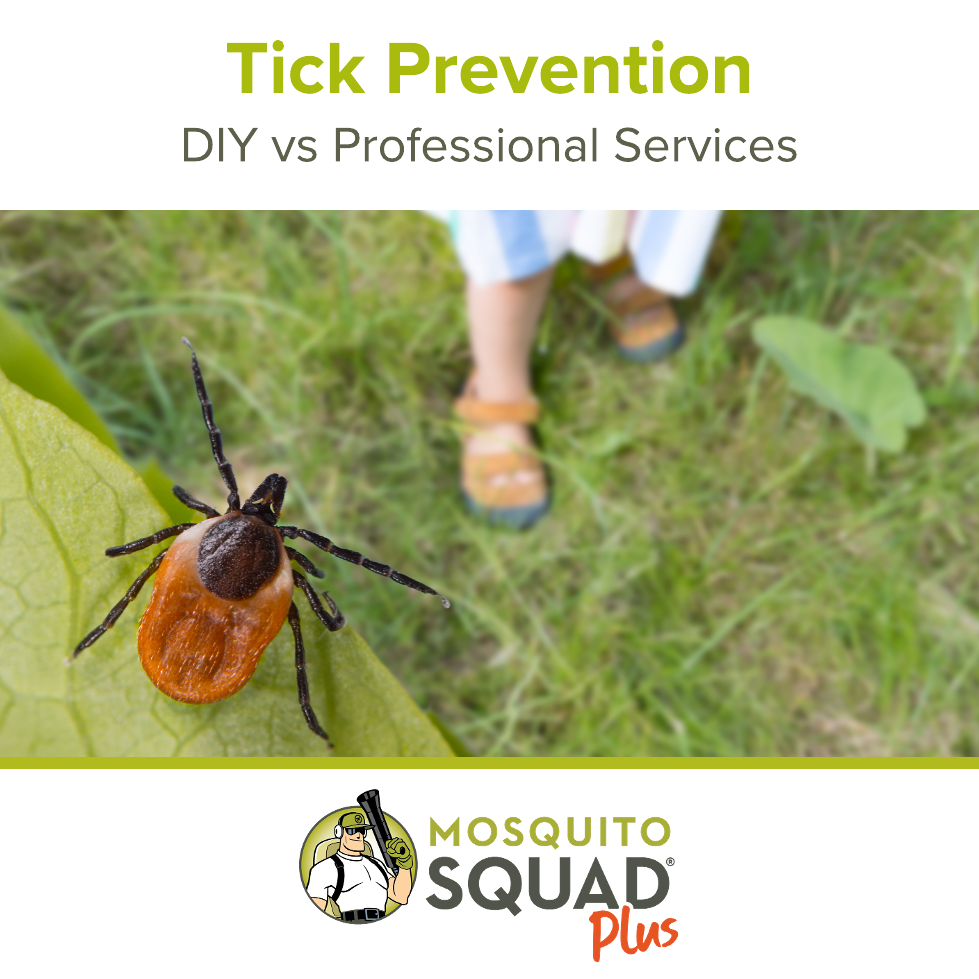
Ticks don't jump or fly — they wait in tall grass, leaf litter, wood piles, and along the edges where your lawn meets wooded or brushy areas. On Cape Cod properties, common tick hotspots include the borders of natural vegetation, ornamental plantings near the house, and shaded areas where leaf debris accumulates.
Your pets can also carry ticks in from outdoor spaces, increasing the chance that a tick makes it inside your home. Regular tick prevention for pets, combined with yard treatment, provides the best overall protection.
Ticks are most concentrated along lawn edges and brushy borders — not in the middle of open grass.
Why Cape Cod Mosquito Squad
Cape Cod Mosquito Squad has been protecting families across Barnstable County for years. Our technicians are trained specifically in tick control for New England properties — understanding local tick species, peak activity windows, and the landscape features most likely to harbor ticks on Cape Cod.
Satisfaction Guaranteed. See your local Mosquito Squad Plus franchisee for details. For more information, including this guarantee, check out the Mosquito Squad Plus website mosquitosquad.com or ask the franchisee for details.
What Our Tick Control Service Includes
Cape Cod Mosquito Squad offers two core tick control methods that work together for comprehensive protection throughout the season.
🌿 Barrier Spray Treatment
Our barrier spray is applied to the areas where ticks live and travel — shrub borders, lawn edges, wood lines, and transition zones. The treatment controls ticks on contact and continues working for 3–4 weeks, creating a protective zone around your outdoor living areas. We reapply on a regular schedule throughout tick season to maintain consistent protection.
🧪 Tick Tubes
Tick tubes take a different approach by targeting ticks at the source. Biodegradable tubes filled with treated cotton are placed around your property — mice collect the cotton for nesting material, and the treatment controls ticks on the mice before they can spread to larger animals or humans. Tick tubes are especially effective for properties near wooded areas and are a great complement to barrier spray.
Together, barrier spray and tick tubes address the tick life cycle at multiple points, reducing the overall tick population in and around your yard across the season.
Ready to protect your yard this tick season? Cape Cod Mosquito Squad serves all of Barnstable County.
Cape Cod Mosquito Squad Helps Protect Your Family Against Mosquitoes & Ticks

Even with professional tick control in place, combining yard treatment with personal protective habits gives your family the best chance of avoiding tick bites throughout the season.
When spending time outdoors — especially near wooded areas or tall grass — wear light-colored clothing that makes ticks easier to spot, use EPA-registered repellents on exposed skin, and perform a full-body tick check after coming inside. Pay close attention to the scalp, behind the ears, underarms, behind the knees, and around the waist.
Ticks removed within the first 24–36 hours rarely transmit disease. Early removal is one of the most important things you can do to reduce your risk even if a tick has attached.
Professional tick control helps Cape Cod families spend more time outdoors with less worry.