Why Fall Yard Work Can Increase Tick Exposure Around Fayetteville Homes
Posted by Mosquito Squad Plus
October 21, 2026
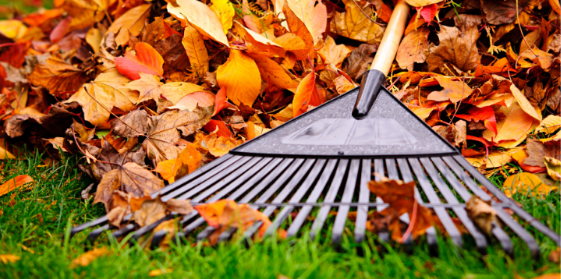
You don’t think about fall without thinking about leaves changing color and falling. As temperatures cool, you might find yourself outdoors completing yard work in more temperate weather. Pulling weeds, raking leaves, trimming back landscaping, and other chores can disturb tick habitats and put you in contact with ticks. Cooler weather does not mean tick concerns are over, so Fayetteville, NC tick control can still be relevant even in the fall. Mosquito Squad Plus of The Sandhills can help you understand how tick behavior overlaps with seasonal chores.
Leaf Cleanup Can Disturb Moist Tick Habitat
Fallen leaves are one of the biggest fall chores, and they can also create the shaded, humid conditions ticks favor. Raking, bagging, blowing, or carrying leaf piles puts hands, clothing, shoes, and legs close to the ground for extended periods. Leaves collected beneath shrubs, beside woodpiles, or along tree lines deserve particular attention. Clearing excess debris can make a yard less inviting over time, but the cleanup process itself may temporarily increase contact with common yard pests, so precautions still matter after summer ends.
Pruning, Brush Removal, and Firewood Handling Add More Contact
Fall is also a common time to cut back overgrown vegetation, clear garden beds, stack firewood, and haul sticks or brush. These tasks often take homeowners into shaded yard edges and dense plant growth where ticks can remain active. Gloves, long pants, closed shoes, and a thorough tick check afterward can help limit unnoticed attachments. Pets should be checked too, particularly after they explore brush, leaf piles, or other parts of the yard, while outdoor pest control services are part of the household’s broader prevention plan.
Which Ticks Are Found Around North Carolina?
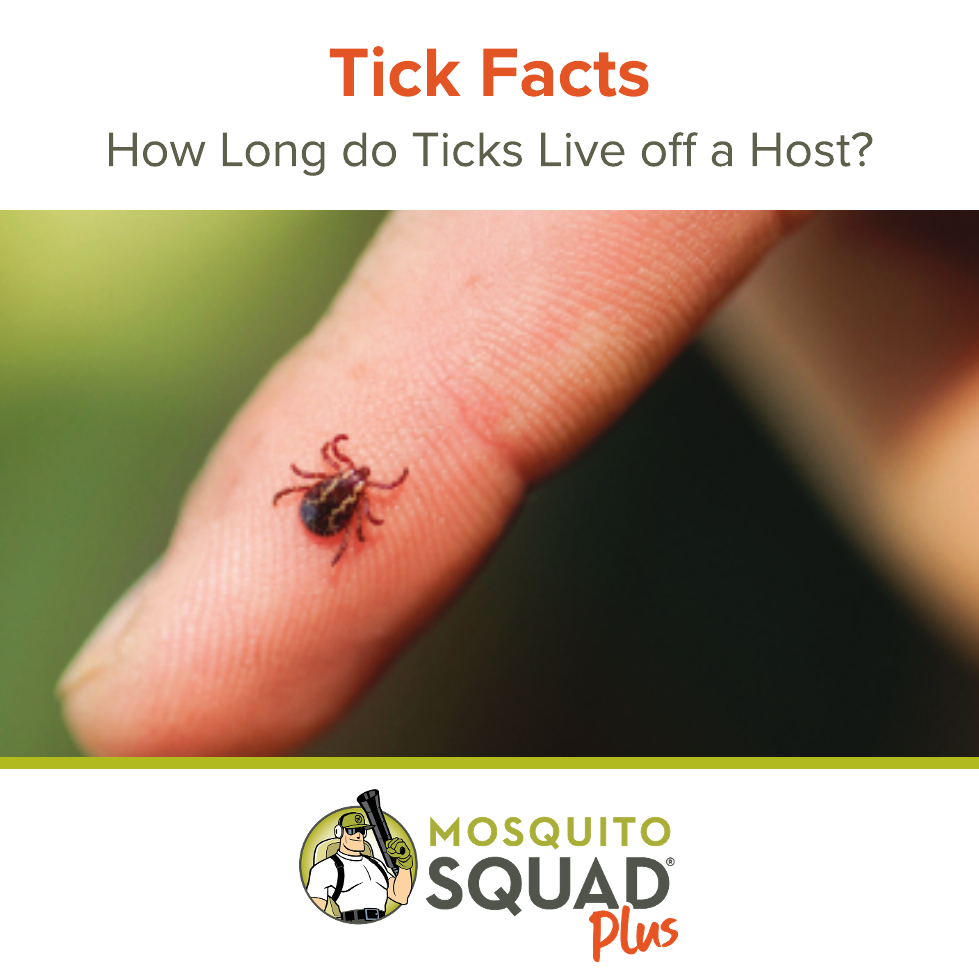
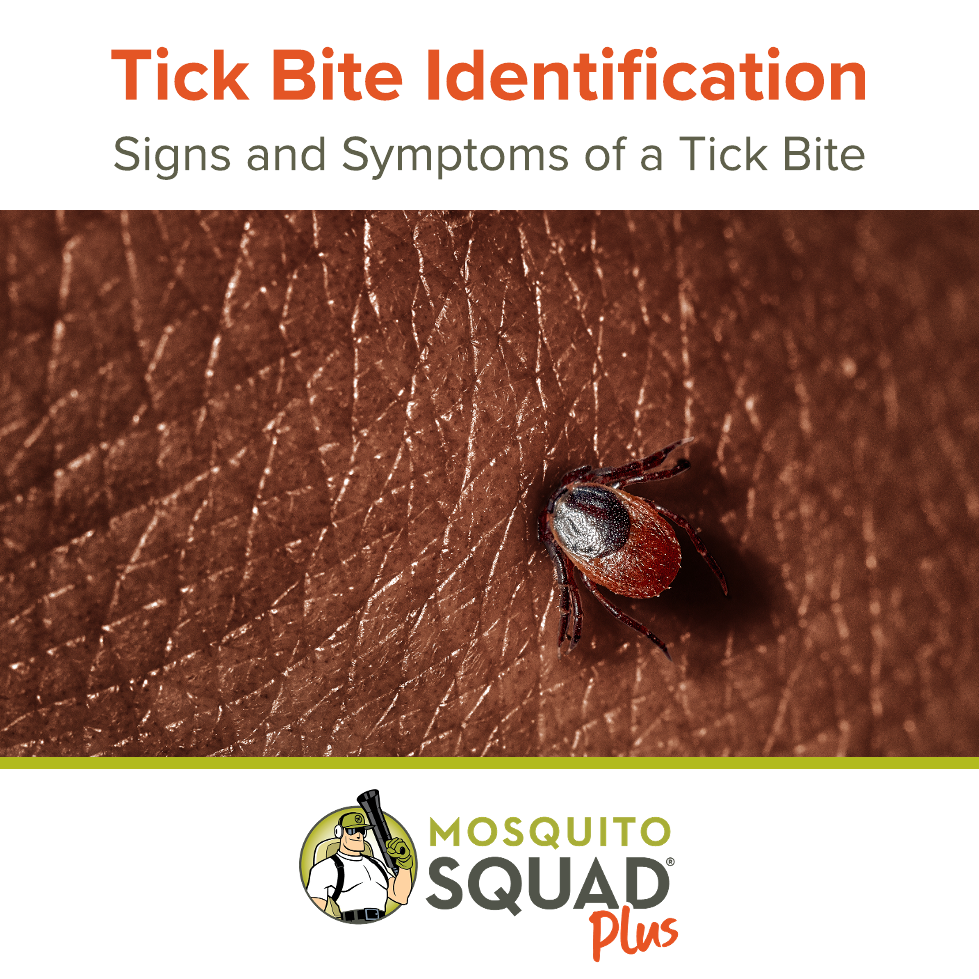
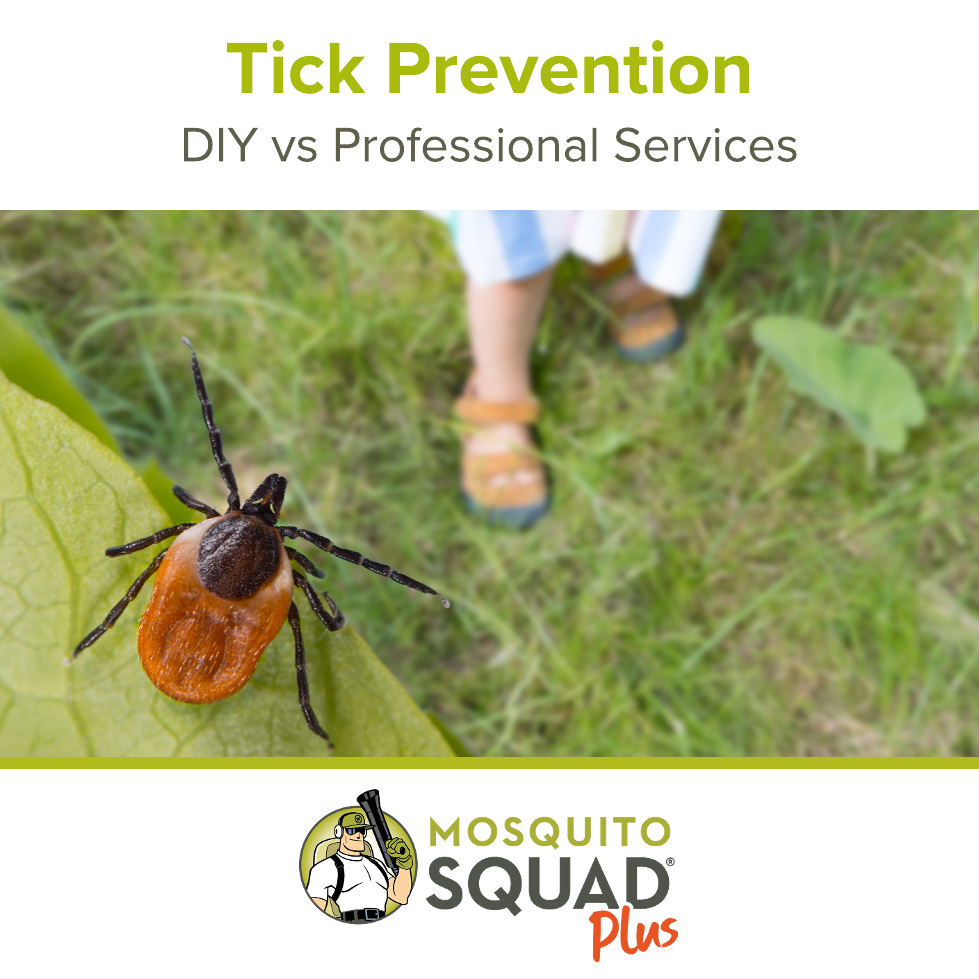
Several tick species found in North Carolina can pose health concerns and are regularly tracked by appropriate oversight. Ticks may expose people and pets to various tick-borne illnesses, some of which have serious health consequences. Professional tick control may help reduce exposure risk on your property.
- Lone star ticks are common in wooded and grassy areas, associated with illnesses such as ehrlichiosis and tularemia.
- American dog ticks are often found along trails and seek hosts like pets and people. They can transmit Rocky Mountain spotted fever and tularemia, so it’s a good idea to check yourself, children, and pets for ticks after spending time outside.
- Blacklegged ticks, sometimes called deer ticks, can transmit Lyme disease, typically during the nymph stage, and can be especially difficult to spot when they are young because of their very small size.
Why Pets Can Face More Exposure During Fall Cleanup
Even if you’ve raked leaves up or trimmed back heavy landscaping, once pets get into the yard, they are curious! Dogs will dig through piles of leaves or try to get under bushes, exposing them to ticks seeking rest there. Ticks may attach and later be carried closer to patios, doorways, or indoor spaces. Keeping pets on veterinarian-recommended tick prevention and checking them after outdoor time can help reduce exposure.
Plan Fayetteville, NC Tick Control Around Fall Yard Work
Fall cleanup may put you in closer contact with tick habitat, so being aware of your surroundings is important. Mosquito Squad Plus of The Sandhills provides local pest control services that include tick treatment options. To discuss Fayetteville, NC tick control, contact the Sandhills team or call (910) 387-5983 for a free quote over the phone.