Don't Put Away the Bug Spray Yet: Why Mosquito Season Lingers in Southeast Wyoming
Posted by Mosquito Squad Plus
August 5, 2026
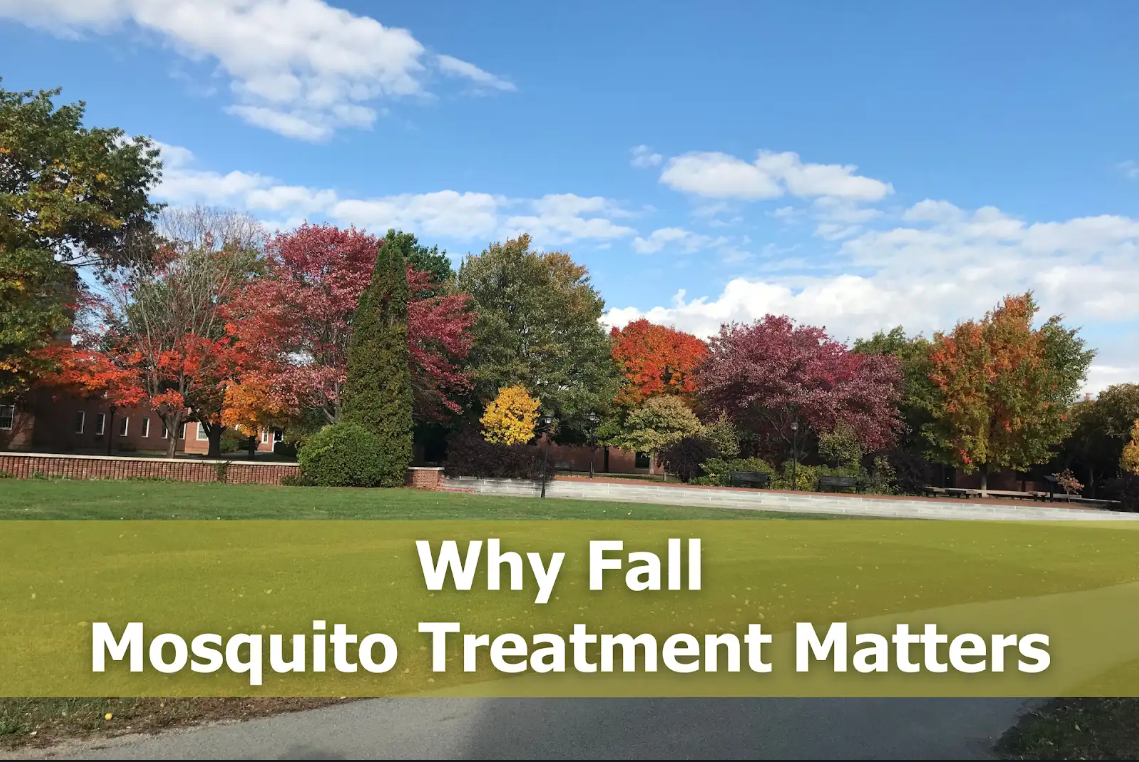
The days are getting shorter. Football is back. You've started thinking about pulling out the flannel and forgetting about mosquitoes until next May.
Not so fast.
Mosquito season in Southeast Wyoming doesn't clock out when the calendar flips to September. In Cheyenne, Laramie, and Casper, mosquitoes can remain active well into fall — and what you do (or don't do) in these final weeks sets the stage for next year's season. Here's what's actually happening in your yard after summer peaks, and why end-of-season treatment is worth taking seriously.
When Do Mosquitoes Stop Being a Problem in Wyoming?
The short answer: when overnight temperatures consistently stay below 50°F. The key word is consistently. A single cold snap isn't enough. If daytime temperatures rebound and warm the air back up, mosquitoes can and will remain active — which is why residents across the region often report bites well into September and even early October.
Wyoming's elevation adds another layer of complexity. Cheyenne sits at around 6,000 feet, while Laramie is closer to 7,200. Casper sits at about 5,100. Those differences mean mosquito season can end at slightly different times depending on where you are — and that a warm stretch in October can bring a surprise second wind of activity even when you thought the season was over.
Why the Fall Population Matters More Than You Think
Here's the part most homeowners don't consider: the mosquitoes you're dealing with in September aren't just a nuisance — they're the architects of next spring's population.
Late-season female mosquitoes are actively laying eggs before temperatures drop. Those eggs don't die over the winter. Many species common in Wyoming lay eggs in damp soil, along irrigation channels, and in low-lying areas where spring runoff will reach them. The eggs go dormant, survive the freeze, and hatch when snowmelt and warmer temperatures return in the spring — often in large numbers, all at once.
Some floodwater mosquito species take this even further. Their eggs can remain viable in dry soil for multiple years, waiting for the right moisture conditions to hatch. That means eggs laid this fall could be contributing to mosquito populations two or three seasons from now.
Skipping fall treatment doesn't just mean a few more bites before the season ends — it means a larger, faster-establishing population when spring arrives.
What Fall Mosquito Control Actually Does
A professional barrier treatment applied in September or October accomplishes two things at once: it reduces the active biting population now, and it interrupts the egg-laying cycle before it completes.
Mosquitoes rest in shaded vegetation, dense shrubs, and sheltered spots around your property. A targeted treatment reaches those areas directly — the same resting zones that are active in fall as mosquitoes slow down and spend more time at rest between feedings. By treating in the fall, you're not just managing what's flying around today. You're reducing the number of eggs that will be waiting for you in April.
Mosquito Squad of Southeast Wyoming's licensed technicians know the specific pest pressure and seasonal timing across Cheyenne, Laramie, Casper, and surrounding communities. Treatments are applied consistently and thoroughly, with detailed service documentation so you always know what was done and where.
A Few Things to Do on Your End This Fall
Professional treatments do the heavy lifting, but a few habits help extend their effectiveness:
Check your yard for standing water before the first hard freeze. Birdbaths, low spots, neglected containers, and clogged gutters are all potential egg-laying sites. Dumping or draining them removes opportunities for late-season breeding.
Clear out dense vegetation near your outdoor living areas. Leaf litter and overgrown shrubs are prime resting habitat. Cutting them back reduces the sheltered spots mosquitoes favor as temperatures cool.
Don't assume irrigation shutdown ends the problem. In many parts of Southeast Wyoming, irrigation systems run into September and can maintain moist soil conditions that support late-season mosquito activity even as air temperatures cool.
Natural Treatment Is Available Year-Round
For households that prefer a plant-based approach, Mosquito Squad's natural treatment made with essential oils is available through the end of the season. It's applied with the same preparation and thoroughness as a traditional barrier treatment and is a strong option for properties with kids, pets, or livestock. It also doubles as tick control — relevant for Wyoming homeowners dealing with both.
The Bottom Line
Cooler weather is coming, and that's a good thing. But mosquito season in Southeast Wyoming has a longer tail than most people expect — and the steps you take (or skip) right now directly affect what you'll face next spring. A fall treatment is one of the highest-return investments you can make in your yard before the snow flies.