Lyme Disease in Gibbstown: What Homeowners Should Know About Tick Control
Posted by Mosquito Squad Plus
August 6, 2026
In Gibbstown, the wooded landscape and riverside setting usually make it a great place to live. The mature trees, grassy yards, and natural green space give you room to reflect and time to live a slower paced lifestyle.
But, that’s the thing. The same landscape you enjoy on a daily basis creates a paradise for ticks to reproduce and find hosts continually. And with Gloucester County consistently reporting Lyme disease cases each year, tick control isn’t something to postpone. The wooded edges, leaf litter, and tall grass all over Gibbstown allow ticks opportunities to find their next host; all season.
So, where are ticks hiding on your property? And how can you reduce the risks?
Where Are Ticks Hiding in Your Gibbstown Yard?
Since ticks aren’t the speediest creatures, they don’t chase their hosts. They strategically wait for them.
Tall grass, leaf litter, brush piles, and the edges where your lawn meets a wooded area are places where ticks hide and wait. Ticks calmly climb on blades of grass and low vegetation (a behavior called questing), and wait for an acceptable host to pass by.
So, if your property in Gibbstown backs up to trees, creek corridors, or natural buffer areas, that wood-line edge is where many ticks will be waiting.
And if you’re thinking yards that aren’t heavily wooded are safe from ticks, you’re unfortunately mistaken. Even a tidy suburban yard with a fence line, a leaf pile in the corner, or an unmowed strip along the back edge can harbor ticks.
Lyme Disease and Other Tick-Borne Illnesses In South Jersey
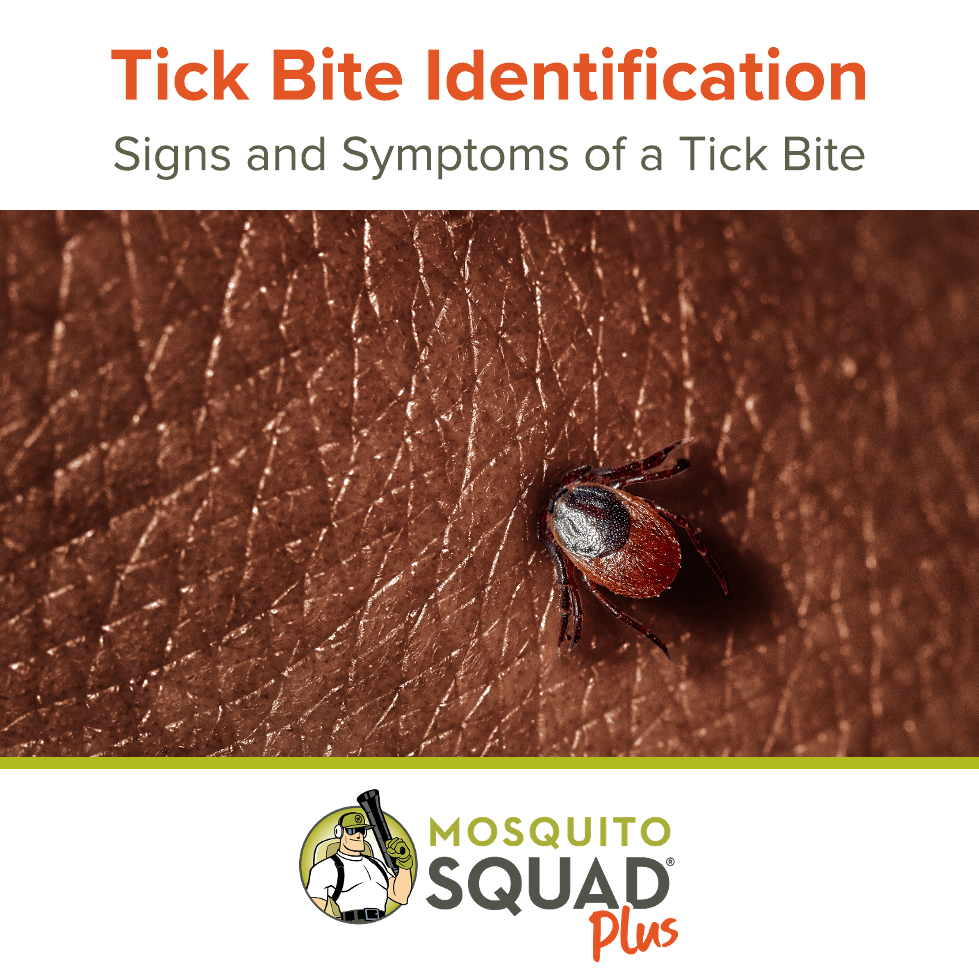
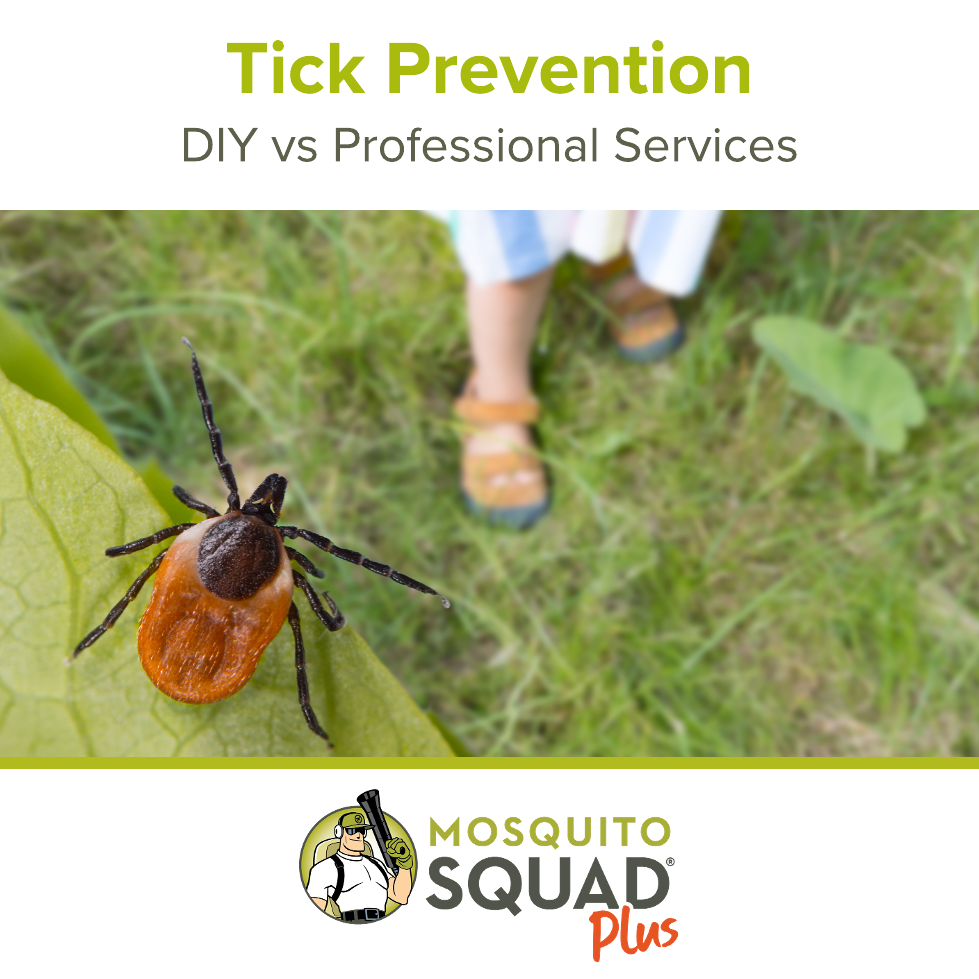
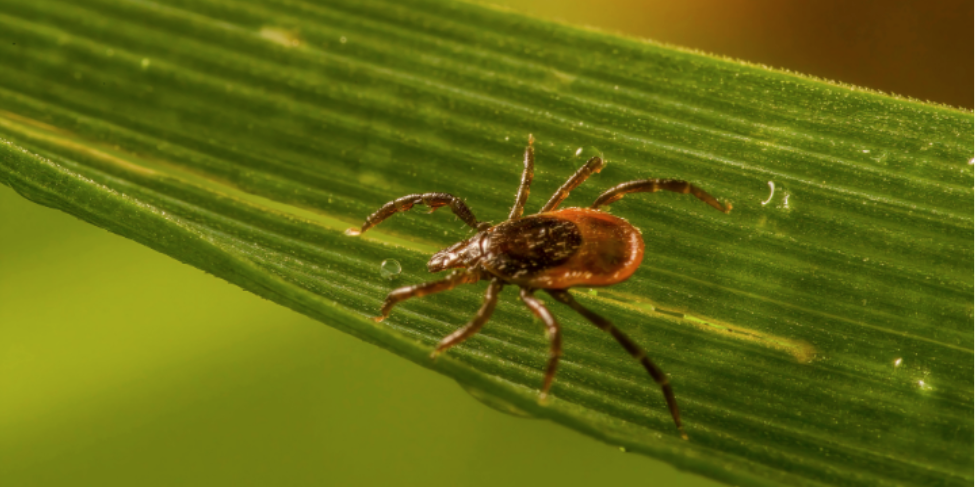
Deer ticks, also called black-legged ticks, are the primary species associated with Lyme disease in New Jersey. They’re all throughout Gloucester County.
While Lyme disease usually isn’t deadly, it can land you in the hospital and alter your life going forward. It causes flu-like symptoms, joint pain, and ongoing fatigue.
Beyond Lyme disease, deer ticks can also transmit anaplasmosis and babesiosis, which also cause flu-like symptoms and a possible trip to the hospital. Lone star ticks, which are also present in the area, can carry ehrlichiosis (flu-like symptoms) and alpha-gal syndrome (which can cause food allergies to red meats and dairy).
Having a consistent tick control plan in place can provide peace of mind and less worry about these diseases.
Pets and People Carry Ticks Inside
When ticks find a host, they hold on. So, if you, your kids, or your pet gets a tick, chances are the tick will find its way inside.
This is why a thorough tick check is necessary each time your pet, you, or your family member comes inside. Pay close attention to warm, hidden areas:
- Behind the knees
- Along the hairline
- Behind the ears
- Under the arms
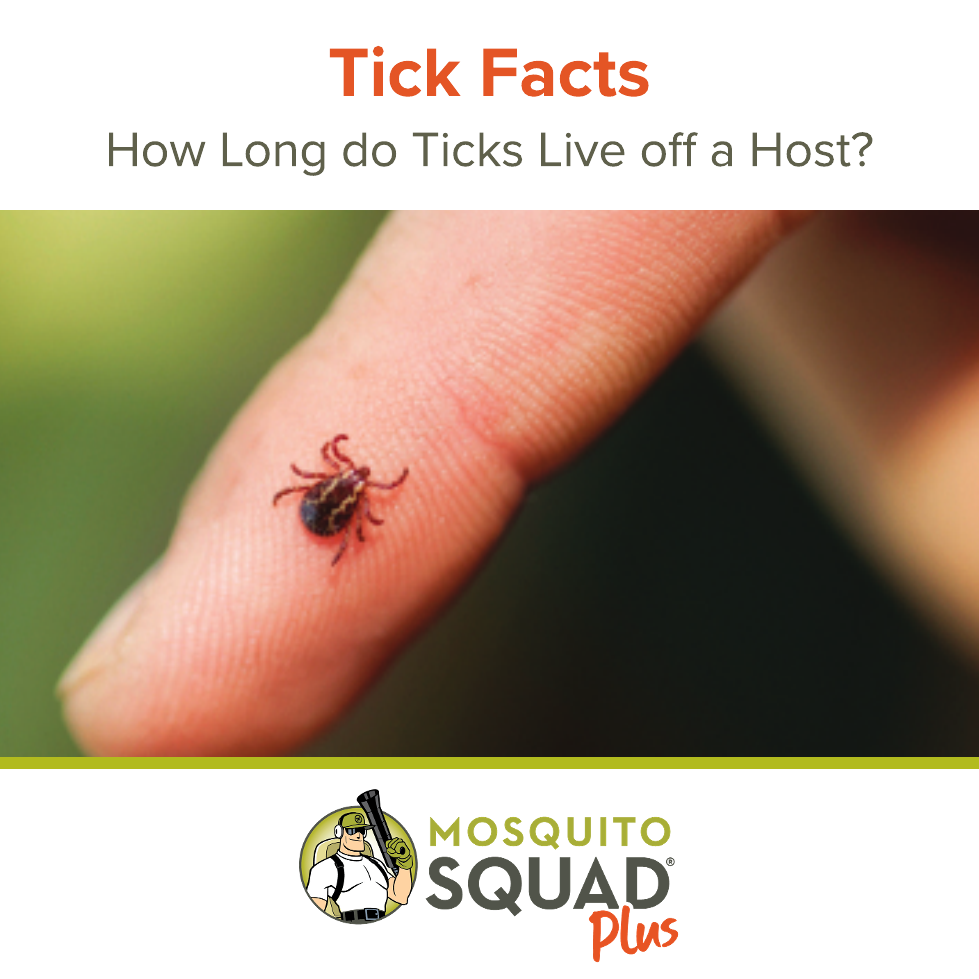
Remember: ticks can be small and easy to miss (especially in their nymph stage).
So, How Can You Reduce Ticks in Your Yard?
A few consistent yard habits can make dealing with ticks a lot easier.
Here are a few ideas:
- Mow regularly and keep grass cut short - this is especially helpful along fence lines and edges where ticks tend to concentrate.
- Clear leaf litter from the yard - particularly in shaded areas where it builds up and holds moisture.
- Create a physical barrier of wood chips or gravel between your lawn and the tree line - ticks don’t travel well on either of these surfaces, so it can help reduce how far ticks migrate onto your property.
For a more complete breakdown of what you can do around your yard, check out our 6 C's of Tick Control. It's a practical framework for reducing tick habitat and making your yard a less welcoming environment for ticks throughout the season.
Professional Tick Control Can Help You
Yes, yard maintenance helps, but it doesn't do everything to reduce ticks on your property.
So, imagine this:
Every time you go outside, you can finally enjoy your outdoor spaces without the constant fear of ticks.
Our tick control treatment plan is designed to provide this peace of mind. Our trained technicians apply EPA-registered products to the areas where ticks are most likely to be hiding and waiting, including shaded vegetation, leaf litter zones, wood-line edges, and dense ground cover. This way, you can finally relax while you spend time outside.
And, we never leave you hanging. Because tick activity doesn’t really stop in New Jersey until late fall, we’ll keep coming back as long as you need us. Treatment is applied on a recurring schedule throughout the season so tick populations stay down consistently.
Not sure where to start? You can explore all of our local services or browse our local blog for more tips on managing tick activity in the Gibbstown area throughout the season.
Worried about ticks on your Gibbstown property? Call Mosquito Squad Plus of South Jersey at (856) 617-5152 or contact us online for a free quote.