Wildlife Proximity and Tick Expansion in Wake Forest
Posted by Mosquito Squad Plus
August 6, 2026
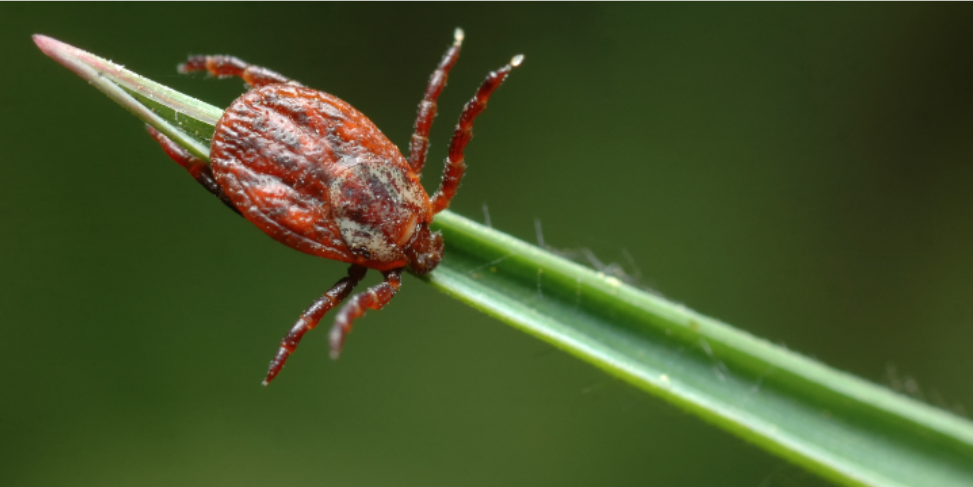
Being so near thousands of acres of forests and parks, Wake Forest is an ideal city if you like spending time outside. Most homes have trees or back up to woods, with plenty of wildlife moving through neighborhoods to get to new green spaces. Wake Forest is also seeing a growth in residences, disrupting wildlife and causing them to seek out unusual travel paths. That mix creates opportunities for ticks to move closer to homes. Mosquito Squad Plus of Raleigh offers professional pest control for Wake Forest, NC.
Common Wildlife Around Wake Forest
Homeowners may see a wide range of pests. All of these, with bats being a possible exception, are potential hosts for ticks:
- White-tail deer
- Raccoons, squirrels, and opossums
- Foxes, coyotes, and groundhogs
- Geese and ducks
While not all wildlife is an issue, their presence does increase the chances of a tick encounter.
How Wildlife Supports Tick Populations
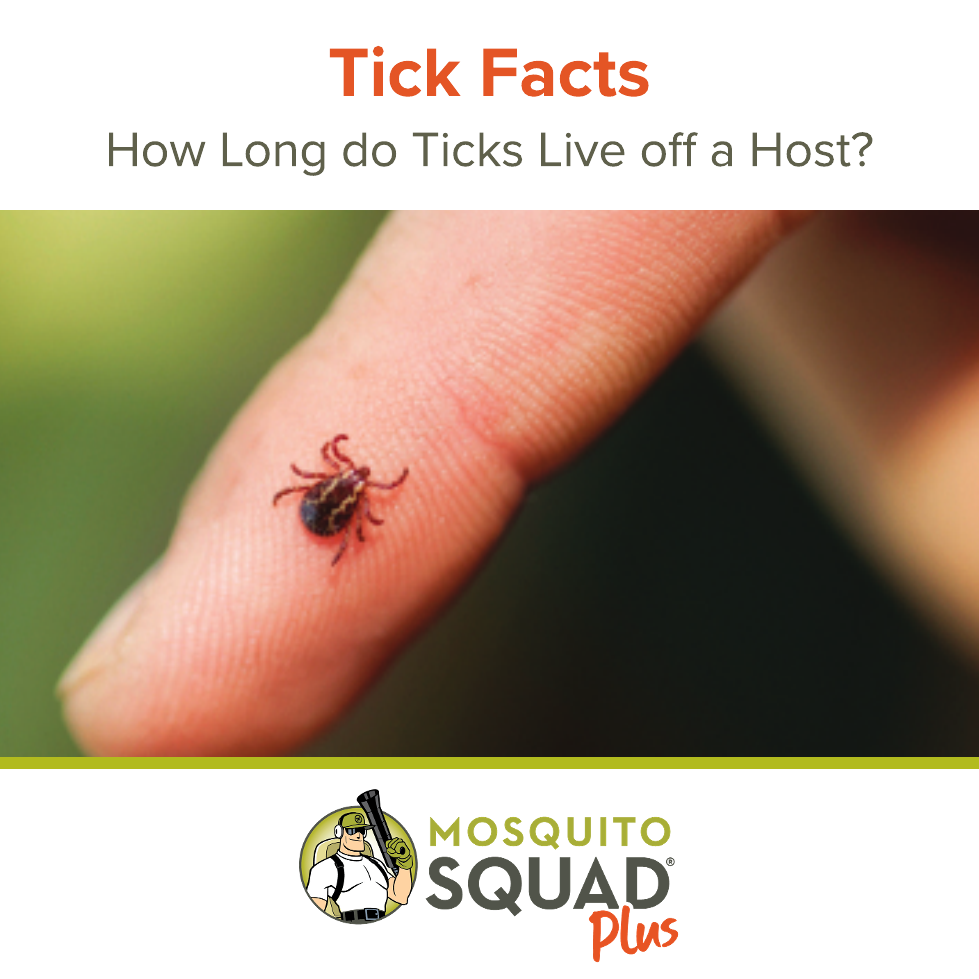
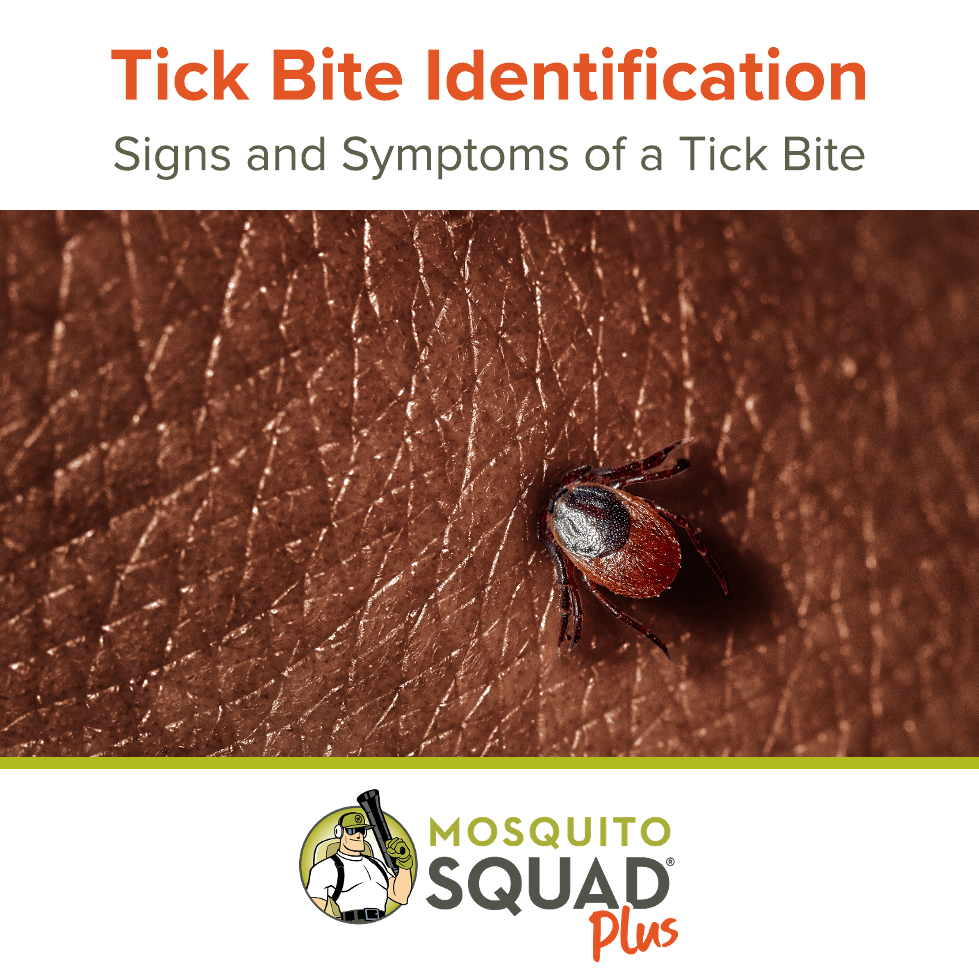
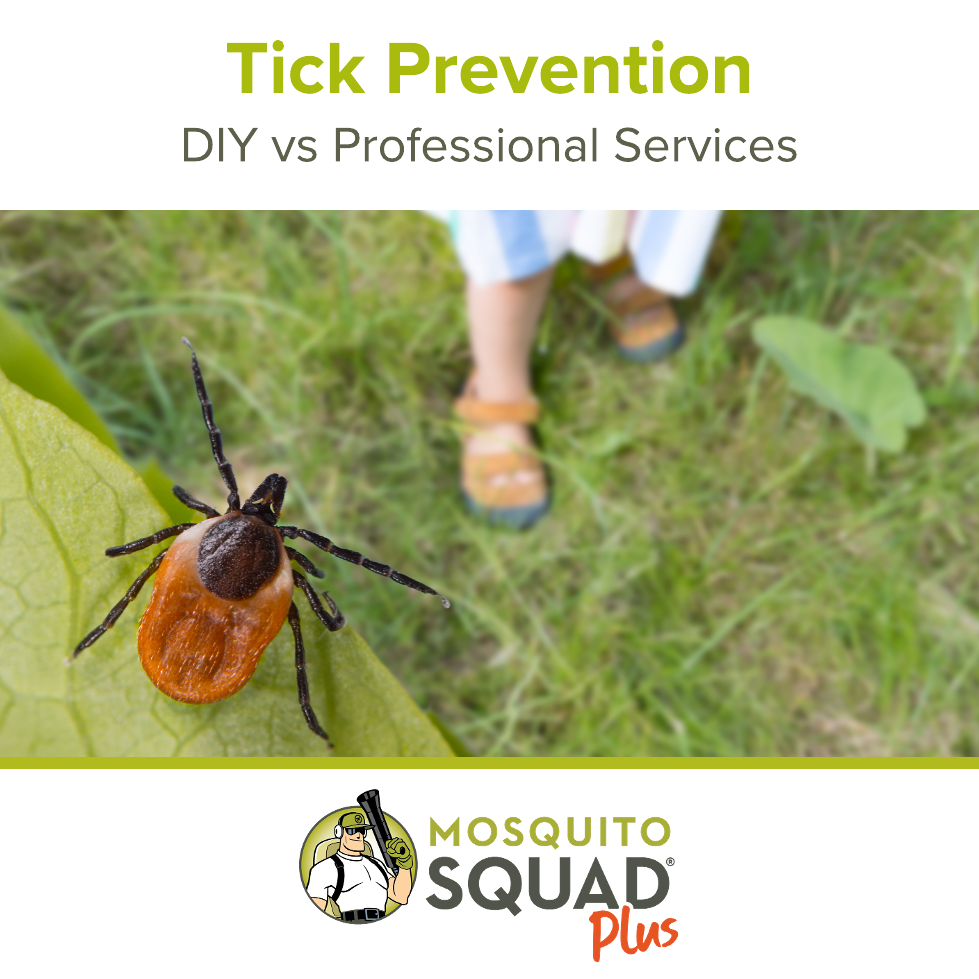
Ticks cannot fly or jump; rather, they wait on grass, bushes, etc for a person or animal to pass, attach, and take a blood meal. In their nymph stage, birds and small mammals like mice may support ticks. Adult ticks are too big, so they will see larger animals like deer and foxes. After feeding, ticks may detach in another location, allowing wildlife movement to distribute them across the landscape. Professional flea and tick control can focus on likely habitat and travel zones.
Common Ticks Near Wake Forest
- Lone star ticks are aggressive human biters, and white-tailed deer are an important host.
- American dog ticks commonly use dogs and medium-sized mammals.
- Blacklegged ticks may feed on rodents, birds, deer, pets, and people during different life stages.
How Tick Expansion Can Affect Your Yard
Tick range and populations shift with changes in wildlife, land use, and weather changes. Your property may have seen limited tick activity in the past, but a new development or landscape change may push more wildlife towards your home. People and pets can then encounter ticks during everyday activities such as gardening, playing outdoors, or walking near the edge of the yard. Explore the broader relationship between landscaping and tick expansion.
Potential Effects on Health
Ticks can transmit illnesses to people and animals. North Carolina reports conditions including ehrlichiosis, Rocky Mountain spotted fever, Lyme disease, and Southern Tick-Associated Rash Illness. Not every tick carries a disease, and the risk can be mitigated by taking appropriate precautions. Do full checks on humans and pets before they come in from gardening or playing. Our tick information page offers additional prevention guidance.
Reduce Wildlife-Related Tick Pressure
Maintaining landscaping by mowing grass and thinning dense brush reduces areas where ticks can rest. During hot periods, ticks will seek even more sheltered places to rest, like wood piles or leaf litter. Help deter wildlife from coming into your yard by removing tempting treats like trash and birdseed. These habits can discourage wildlife from lingering while reducing the shaded, humid habitat that ticks favor.
Professional Tick Control in Wake Forest
Mosquito Squad Plus technicians inspect the property during each treatment and focus on likely tick habitats. Call (919) 759-5688 for a free quote over the phone or contact Mosquito Squad Plus of Raleigh to discuss Wake Forest, NC pest control.