What Wake Forest Pet Owners Should Know About Ticks in Backyards
Posted by Mosquito Squad Plus
September 14, 2026

Wake Forest is right on the edge of extensive park and nature preserve land. The weather in the region is warm and humid in summer and early fall. Homes here frequently have extensive tree populations, thick landscaping, or small creeks moving through them. All of these features put together can make Wake Forest yards appealing places for ticks to wait for a host. Mosquito Squad Plus of Raleigh serves Wake Forest with professional pest control options and guides pet owners on how to prevent more pest incursions into your yard.
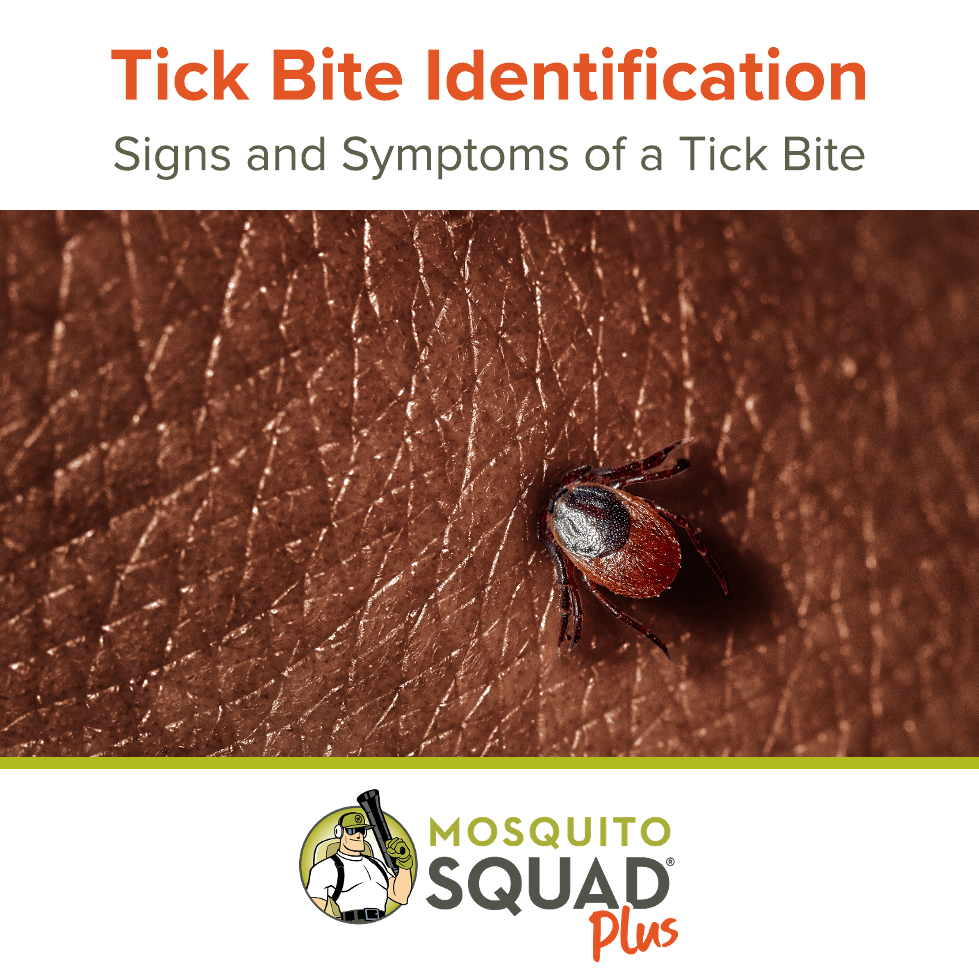
1. Know the Tick Species You May Encounter
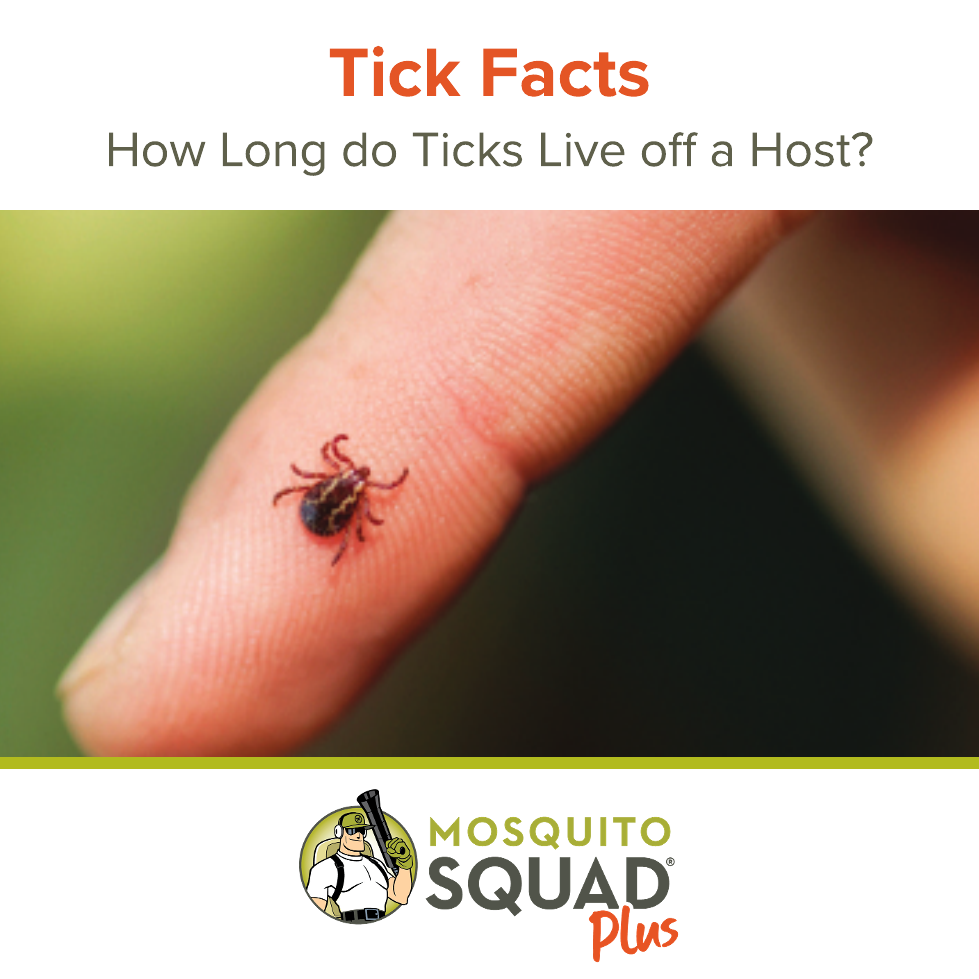
- Lone star tick: Easily recognized by the white spot on the back of adult females, lone star ticks are common in North Carolina. Well, not every tick will transmit a disease; the Lone Star tick can spread ehrlichiosis and alpha-gal syndrome.
- American dog tick: American dog ticks can carry pathogens that cause Rocky Mountain spotted fever and tularemia.
- Blacklegged tick: Also called the deer tick, the blacklegged tick is known for spreading Lyme disease. These ticks are often found in wooded, brushy, and leaf-covered areas.
- Brown dog tick: Despite their name, brown dog ticks do not exclusively seek out dogs as hosts. However, it is more common to find them on dogs because brown dog ticks are able to complete their lifecycle indoors. This means they can be found in your home, kennel, and around pet beds.
2. Understand Which Animals Can Bring Ticks Near Your Yard
Ticks depend on animal hosts at different life stages. In addition to domesticated pets, ticks in the area will seek out Whitetail deer, mice, and even birds as potential hosts. Your yard does not need to be overgrown in order for ticks to turn up in it. If you are near a wildlife corridor, ticks may drop off passing deer or mice. We recommend practical steps such as maintaining a tidy yard, as well as discouraging wildlife from lingering on your property. Raleigh flea and tick control services can complement these practical steps.
3. Check the Places Ticks Prefer on Pets
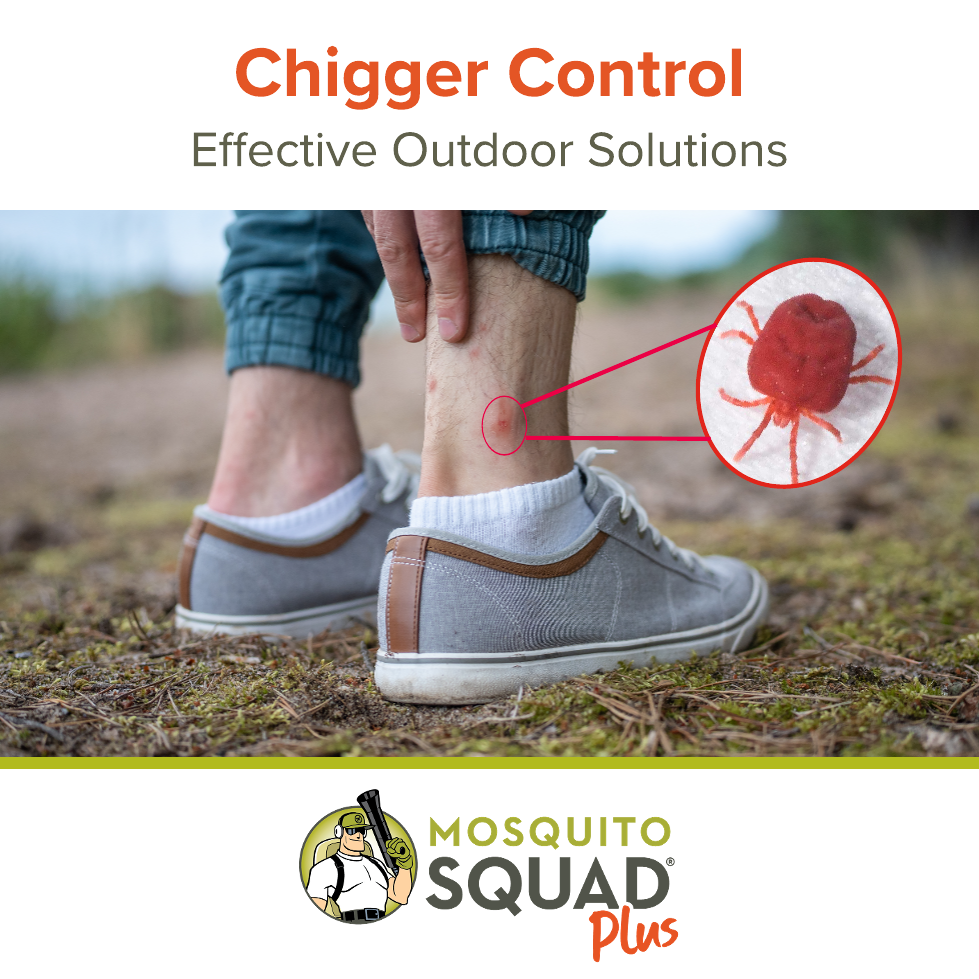
After your pet has been outside, perform a slow tick check with your hands and eyes rather than giving the coat only a glance. Pay close attention around and inside the ears, near the eyelids and muzzle, under a collar, beneath the front legs, around the groin, between the toes, and near the base of the tail.
4. Make Backyard Habitats Less Inviting to Ticks
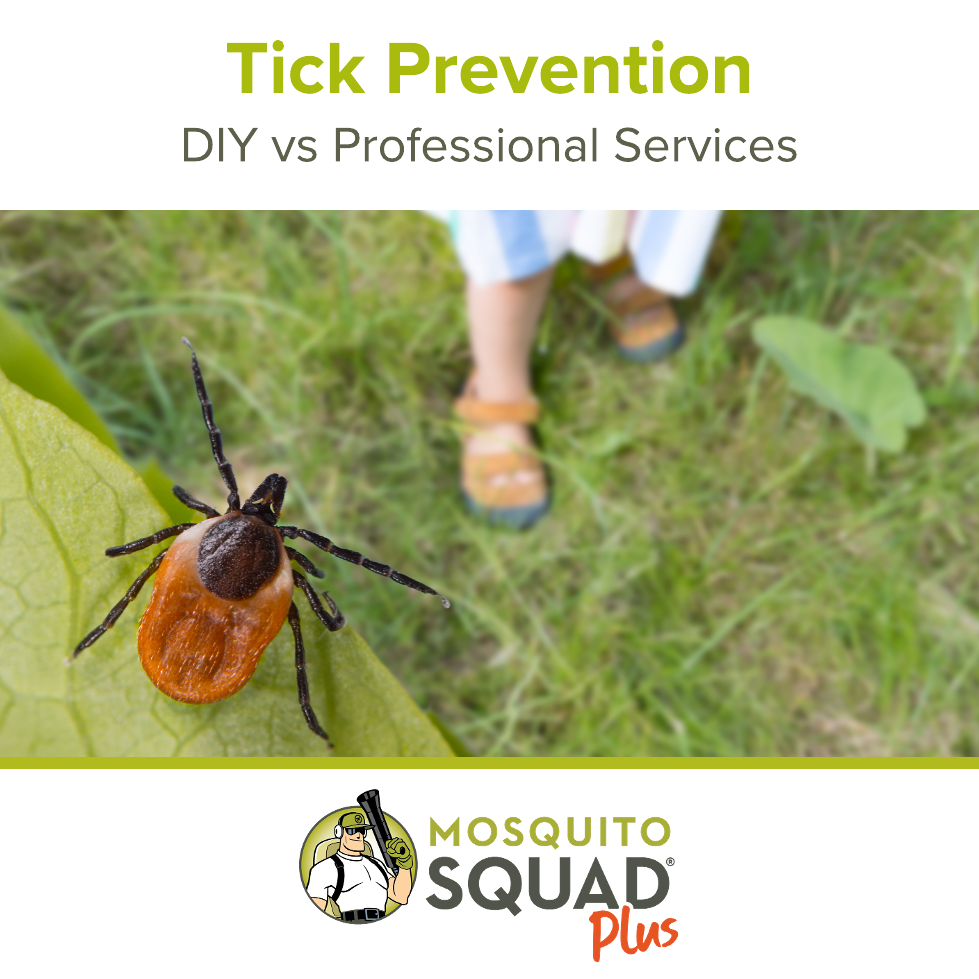
Ticks tend to favor shaded, humid areas, especially places with leaf litter, tall vegetation, brush, woodpiles, and transitions between maintained yards and wooded growth. Keeping vegetation trimmed, moving play or lounging areas away from dense borders, clearing fallen leaves, and storing firewood neatly can help limit attractive habitat. Professional pest control services can add another layer of management when routine yard maintenance is not enough to keep tick encounters at a comfortable level.
5. Keep Up With Pet-Focused Prevention
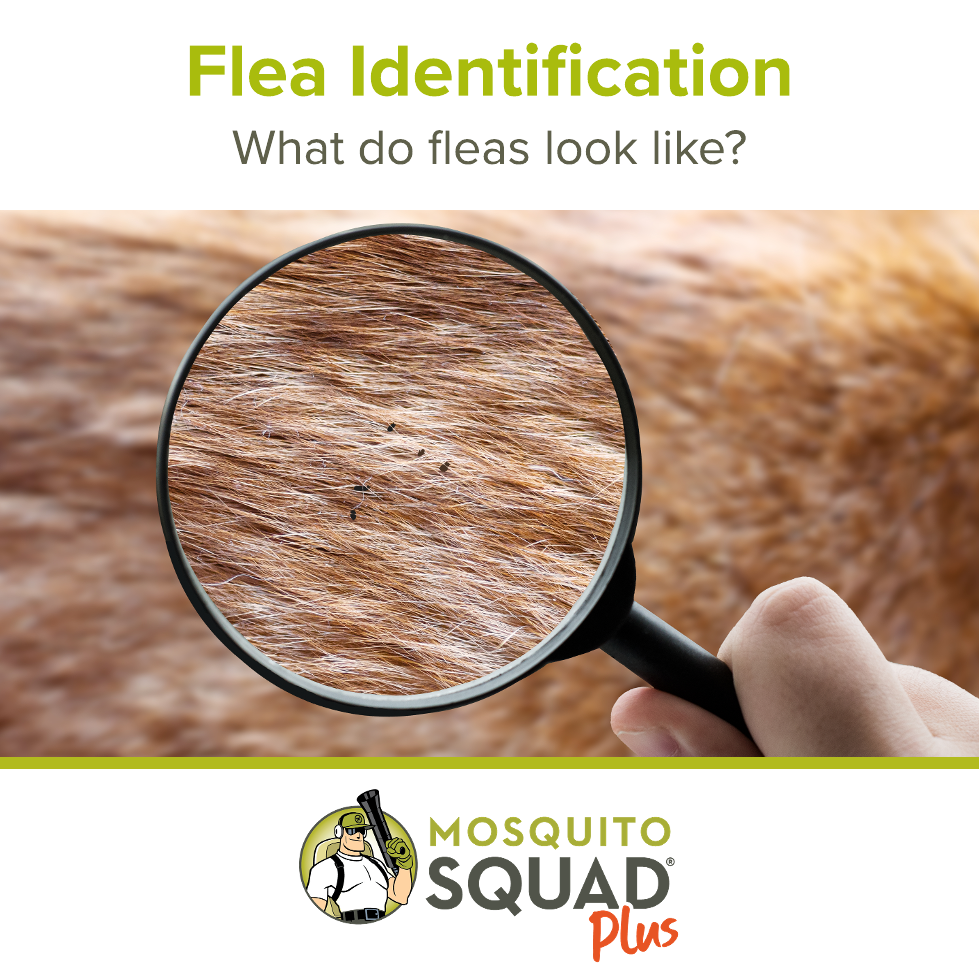
Backyard tick management works best alongside guidance from your veterinarian. Ask about an appropriate tick preventive for your pet, follow the product schedule carefully, and continue checking for ticks even when prevention is in place. If you find an attached tick, use fine-tipped tweezers or a tick-removal tool and monitor the bite area and your pet’s behavior afterward.
6. See How Wake Forest, NC Tick Control Can Help
Professional Wake Forest, NC tick control focuses on areas where ticks are likely to rest, travel, or wait for hosts. During each treatment, trained technicians inspect the property and target likely harborage areas based on yard conditions. To learn more about Wake Forest service options or request a free quote, contact Mosquito Squad Plus of Raleigh or call (919) 759-5688 today.