Will Changing Winter Temperatures Affect Rodents and Insects in Detroit?
Posted by Mosquito Squad Plus
November 2, 2026
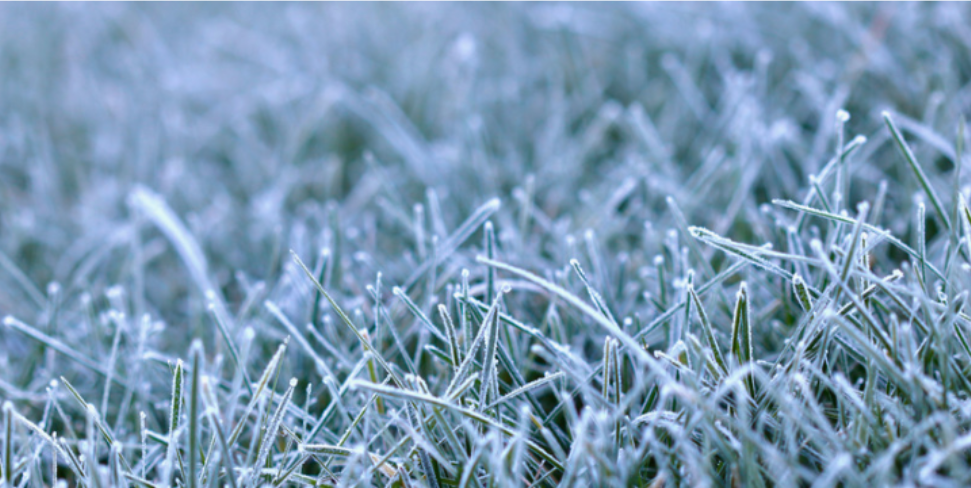
Detroit winters are typically full of freezing temperatures, snow, and a pretty noticeable decline in insect activity. But what happens when the weather isn't quite so cold? A potential super El Niño could bring milder conditions into the region. Understanding how temperature fluctuations and weather changes impact Pest Control can help homeowners anticipate seasonal problems and determine when Detroit, MI pest control may be beneficial.
What Could a Super El Niño Mean for Detroit?
El Niño is a weather pattern that occurs when water in the Pacific Ocean becomes unusually warm. This tends to influence weather patterns and push warmer air across North America. An exceptionally strong El Niño, sometimes called a super El Niño, can increase the likelihood of warmer, drier winters around the Great Lakes. A Super El Niño does not mean Detroit will experience a consistently milder winter. Cold snaps and snowfall remain probable, but extended above-average temperatures could influence seasonal pest activity by changing when certain species become active, seek shelter, or reproduce.
How Do Warmer Winters Affect Rodents?
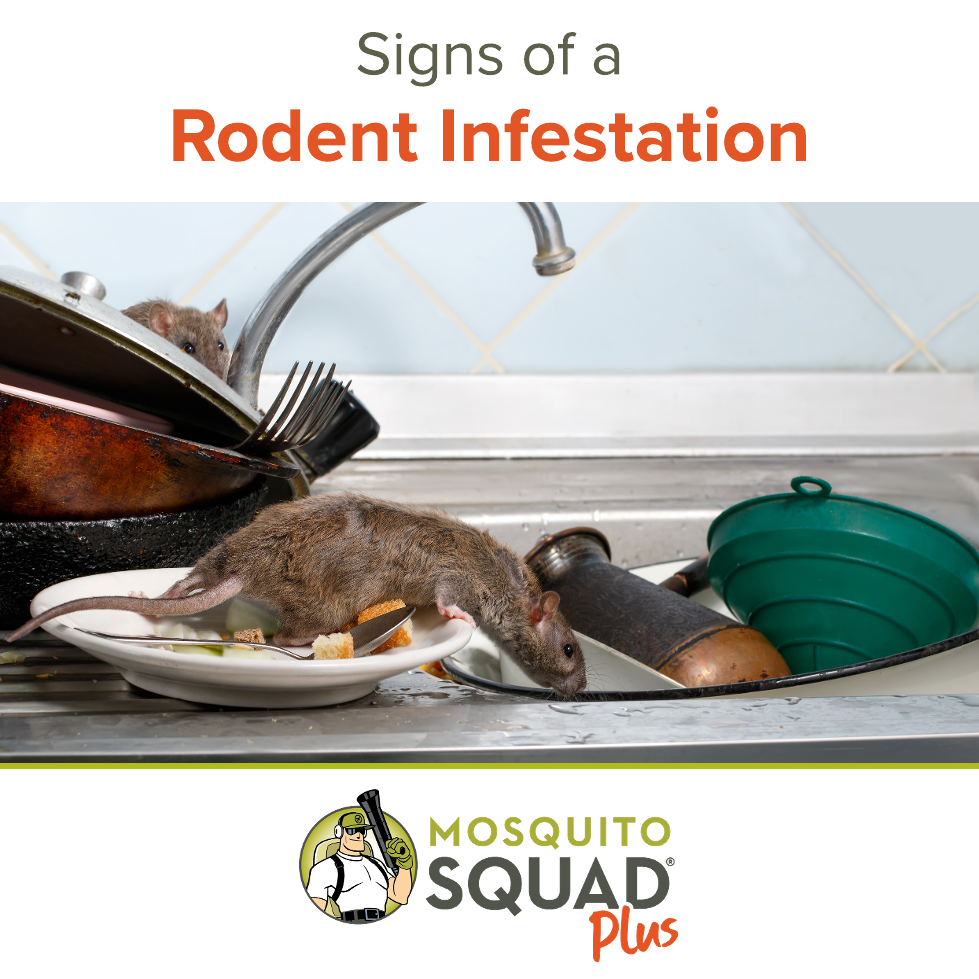
Like any other mammal, mice and rats are pretty sensitive to dramatic temperature changes. With extremely cold winters, they tend to seek shelter in basements and garages, sometimes even attic spaces. Rodents do not enter a prolonged dormant state, continuing to search for food and nesting materials. This means that with any mild temperature in Detroit, they may become more active, emerging from shelter. Effective rodent control keeps in mind that rodents may seek food outside in warmer weather, while retreating back indoors for heat and guaranteed food.
Which Insects Might Become More Active?
Ticks
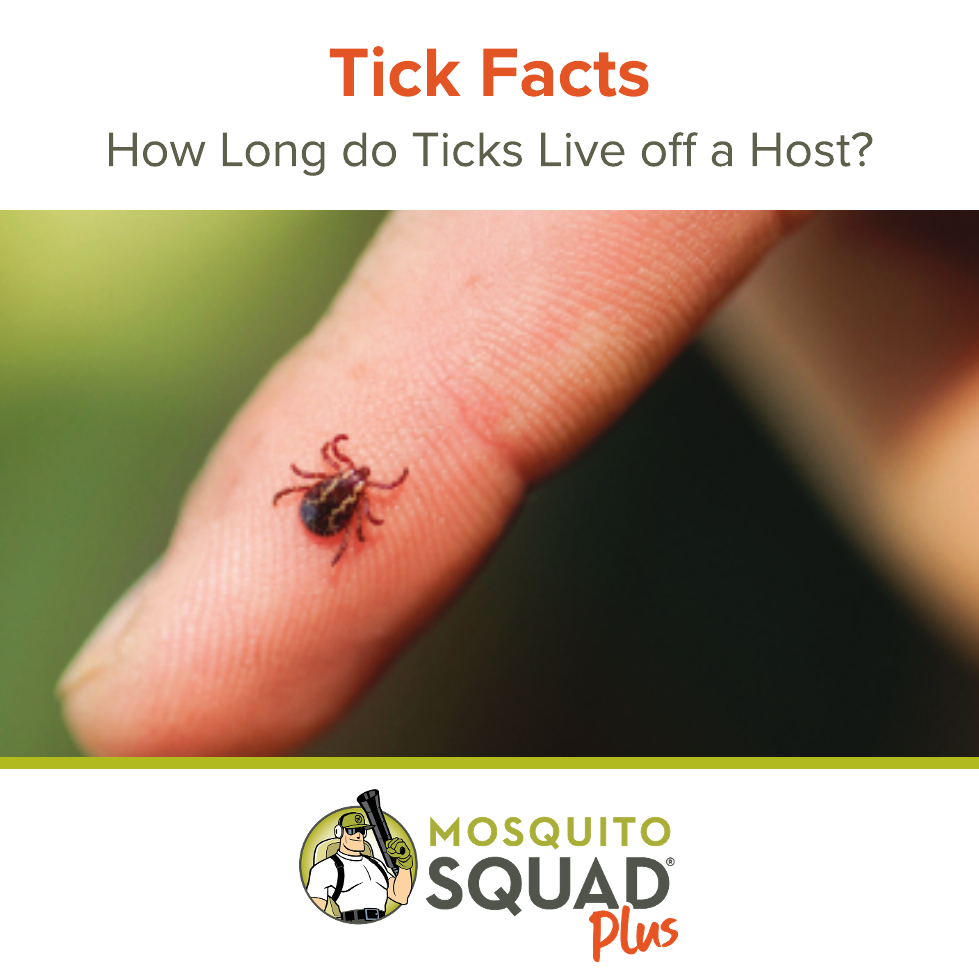
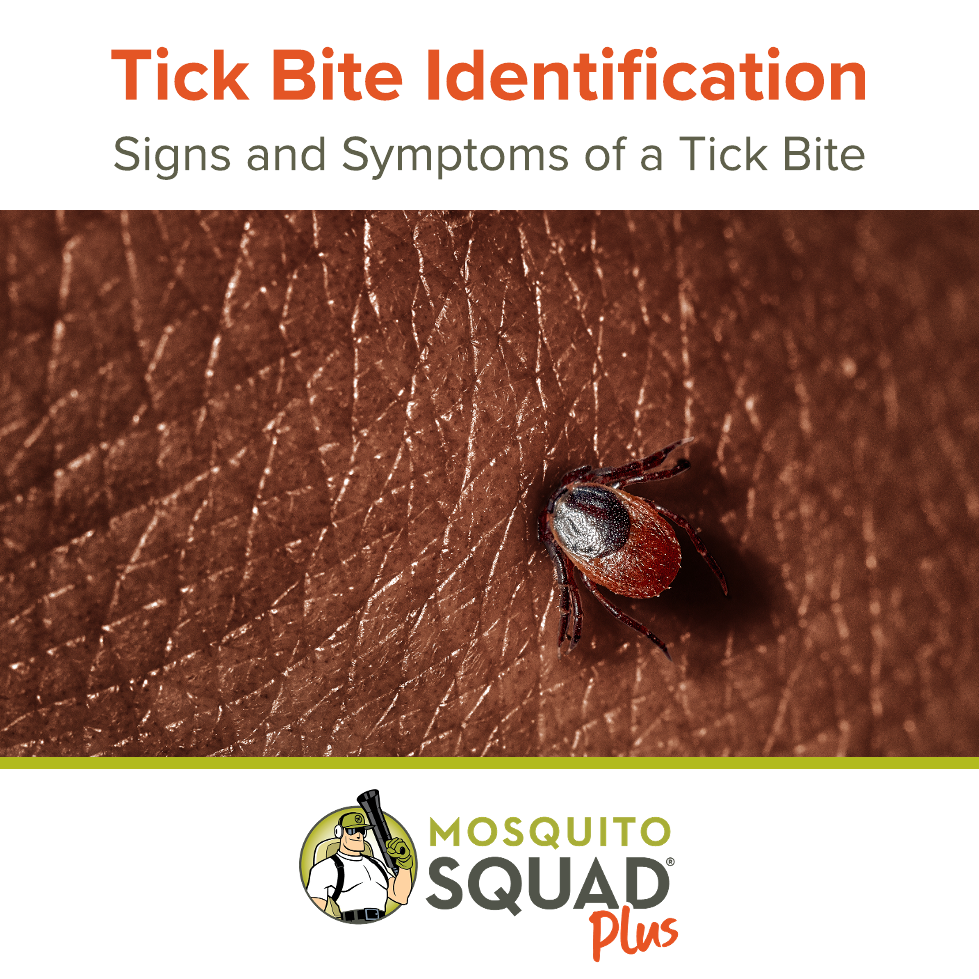
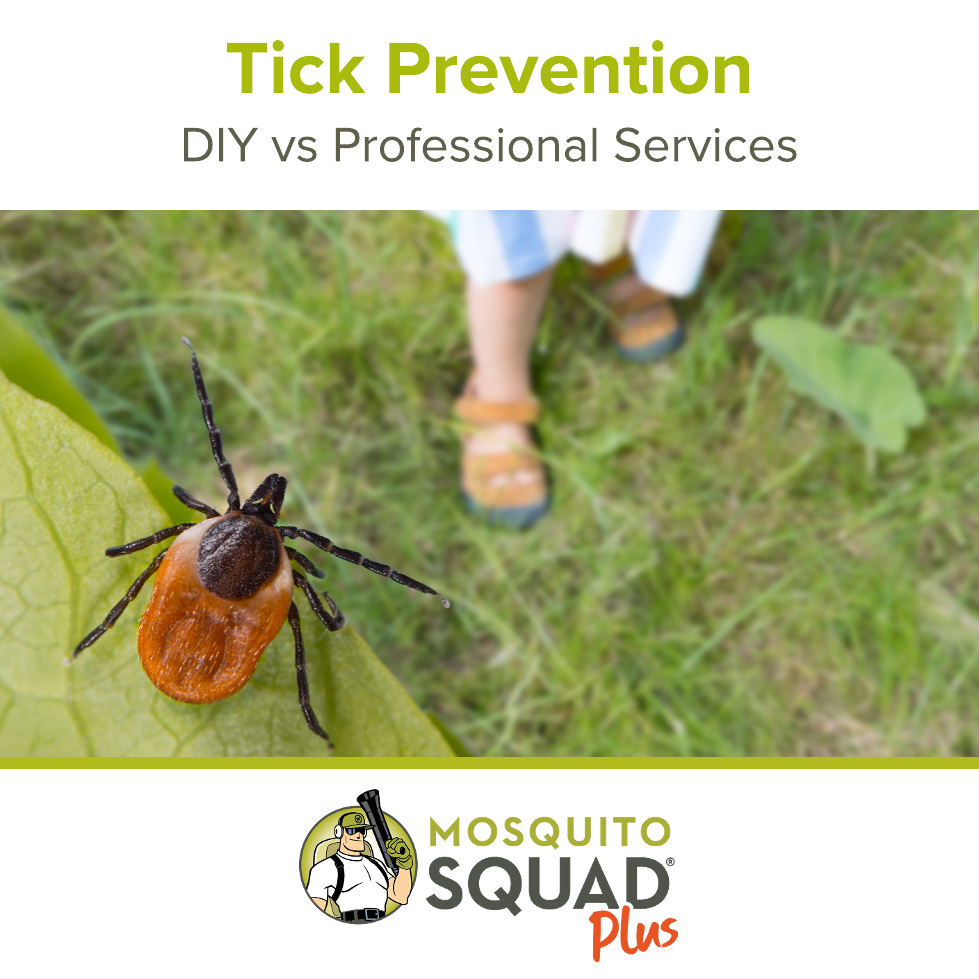
Blacklegged ticks are important to pay attention to, as they reach adulthood in the fall and can remain active as long as temperatures are above freezing. With changing weather patterns from El Niño, this could mean milder weather throughout the winter, allowing these species of tick to remain active, seeking larger hosts. Some species of ticks can transmit a variety of diseases, including Lyme disease, making awareness of tick control important even through the winter. Take the time to check yourself and pets after spending time outdoors, especially when doing yard work or hiking.
Mosquitoes
Most Michigan mosquitoes spend winter in protected developmental stages or as dormant adults, depending on the species. Although brief warm periods may temporarily awaken some adults, they generally don't trigger widespread winter breeding.
Spring conditions are more relevant to mosquito populations. If winter has been mild, then spring typically will be as well, even warmer than anticipated. Warmer weather combined with snowmelt or spring rain could support earlier mosquito development. Take the time to prep your yard by addressing drainage problems and planning your mosquito barrier treatment before seasonal activity starts.
Stink Bugs and Boxelder Bugs
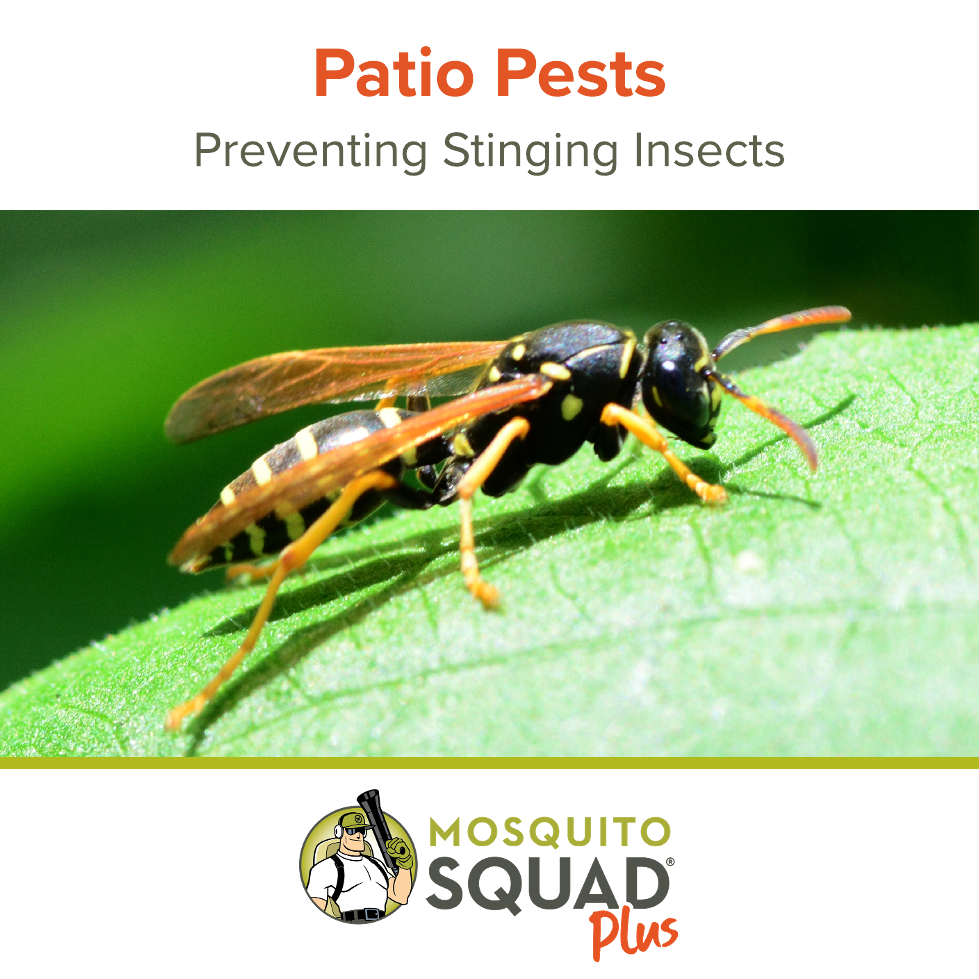
These familiar fall visitors often spend winter inside wall voids, attics, and other sheltered spaces. Indoor heating or unusually warm outdoor temperatures may cause them to become active and appear near windows.
Prepare for Changing Winter Pest Activity in Detroit
Homeowners should take the time to inspect their home for pest access points and seal them where possible. If you are noticing more pest activity than usual, call (844) 630-1030 for a free quote or contact the Metro Detroit team to discuss your concerns and available treatment options.