How Moisture and Sandy Soil Affect Pest Activity in Eau Claire
Posted by Mosquito Squad Plus
July 30, 2026
Eau Claire is shaped by water. The Chippewa and Eau Claire rivers meet near the center of the city, while ponds, lakes, wetlands, and wooded shorelines add to the area’s outdoor appeal. While these water and landscape features make for a picturesque home, they also have a large influence on the surrounding environment. It's important to understand how that can influence pest populations. Understanding the soil and water content of the area will help homeowners make informed decisions about Eau Claire, WI pest control and practical property maintenance.
Why Eau Claire’s Waterways Matter to Pest Activity
Rivers and large lakes are not automatically the main source of mosquitoes around a home. Fish, dragonfly larvae, and other predators can limit mosquito development in established bodies of water. Smaller collections of stagnant water are more concerning, as water held in clogged gutters, buckets, plant saucers, toys, tarps, and tree cavities may give mosquito larvae room to develop.
How Sandy Soil Changes Drainage
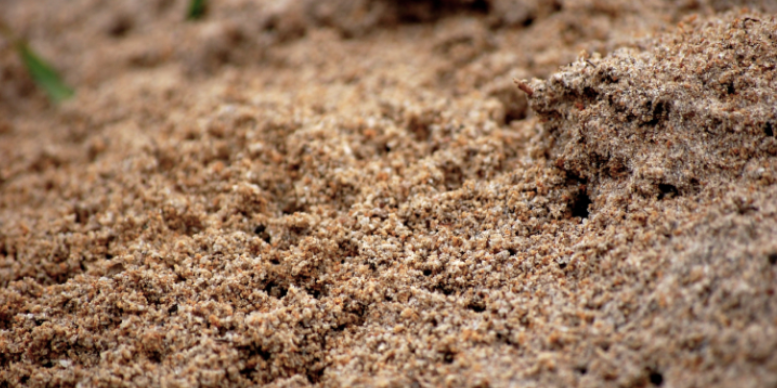
Sandy soil isn't as compact as clay-based soil. Because of this, the space between sand grains allows water to drain downward quickly. This dries out the top layer of soil quickly, but that can be deceiving, as lower levels may hold on to a large amount of water.
Fast Drainage Does Not Always Mean Fewer Mosquitoes
A sandy yard tends to drain quickly after a rain shower, limiting puddles for mosquitoes to lay eggs in. However, water doesn't drain the same way across a whole property. There are going to be lower sections and areas with mixed soil, more compact and restricting water flow. Mosquitoes need water to lay eggs in and during their early life stages, so even a small pocket that remains wet long enough can contribute to increased activity.
Moisture Creates Resting Areas for Adult Mosquitoes
Adult mosquitoes need more than breeding water. During warm daylight hours, they often rest in shaded, humid places where they are less exposed to heat and drying conditions. Thick shrubs, tall weeds, overgrown groundcover, and vegetation near waterways may provide these conditions. A professional mosquito barrier treatment focuses on suitable resting areas and helps control up to 85-90% of mosquitoes for up to three weeks.
Damp Yard Edges May Also Support Ticks
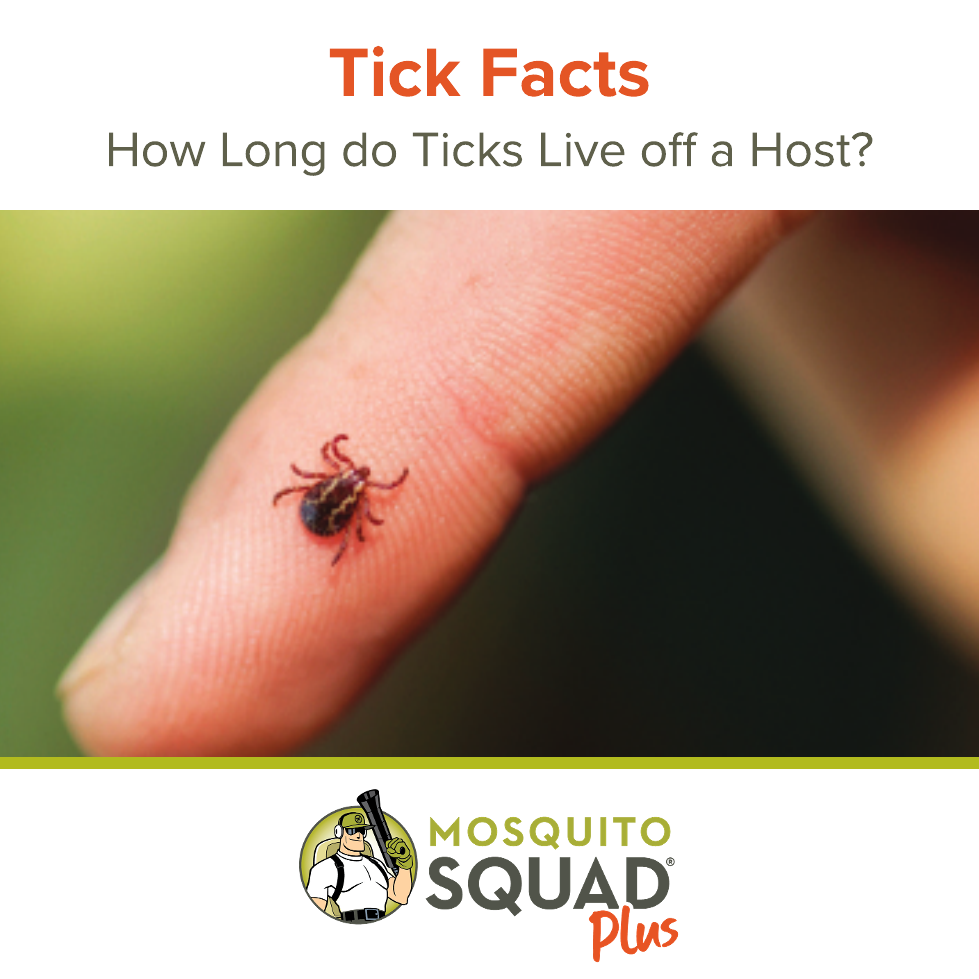
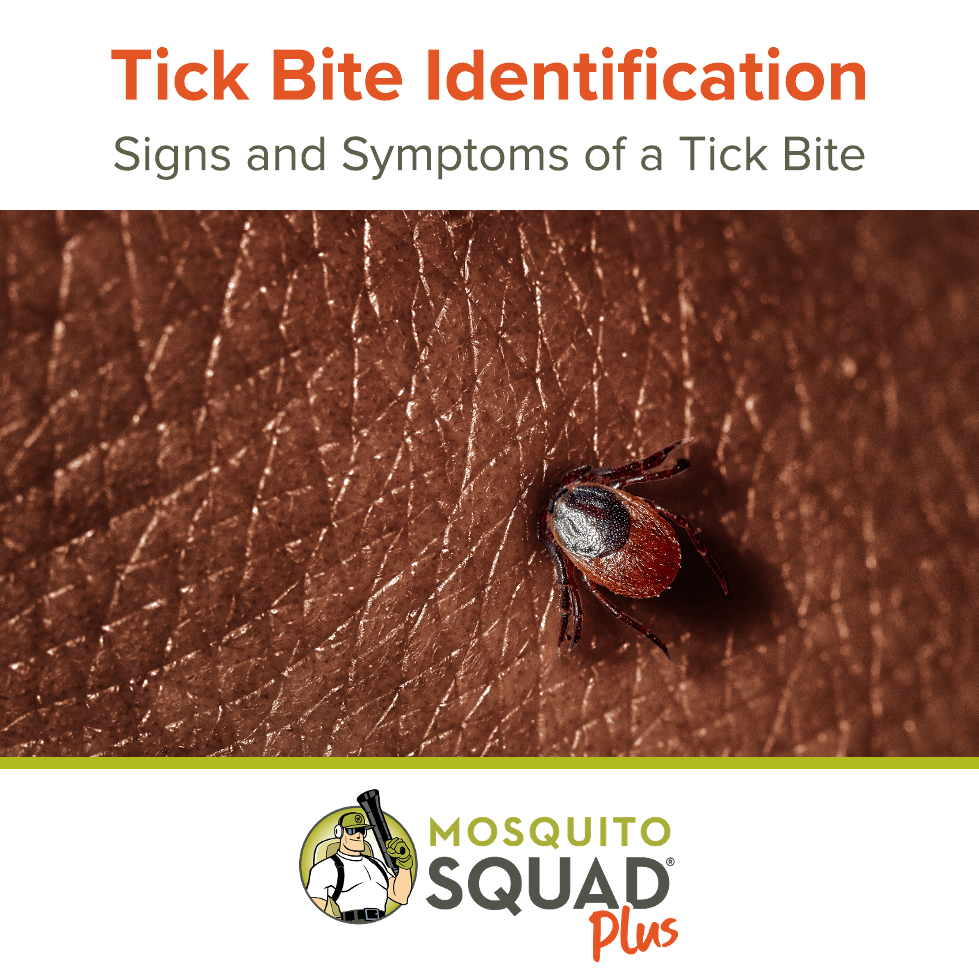
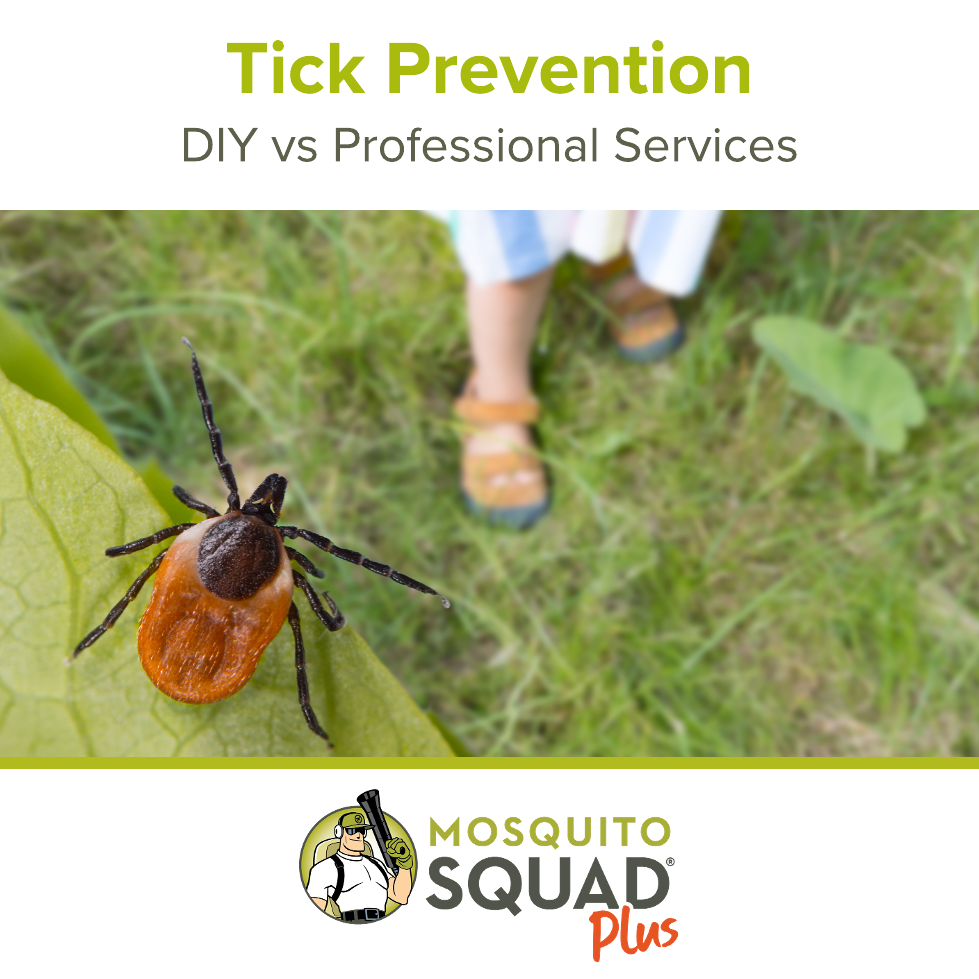
Ticks do not breed in standing water, but moisture still affects where they can persist. They are vulnerable to drying and commonly favor shaded vegetation, leaf litter, brush, tall grass, and wooded property borders. River corridors and damp transition zones may create suitable cover, especially where wildlife travels between natural areas and residential yards. Professional tick control can target likely harborage areas without relying on quantified reduction claims or treatment timelines.
Sandy Ground Can Attract Other Pest Activity
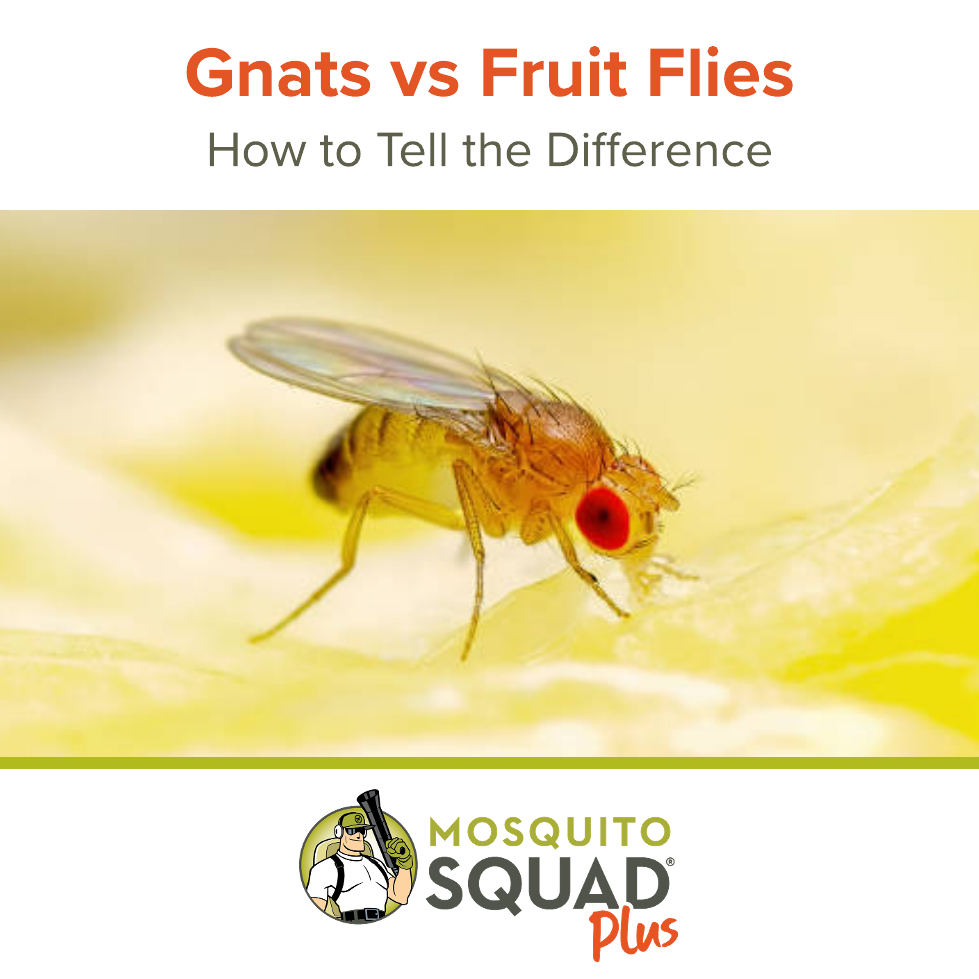
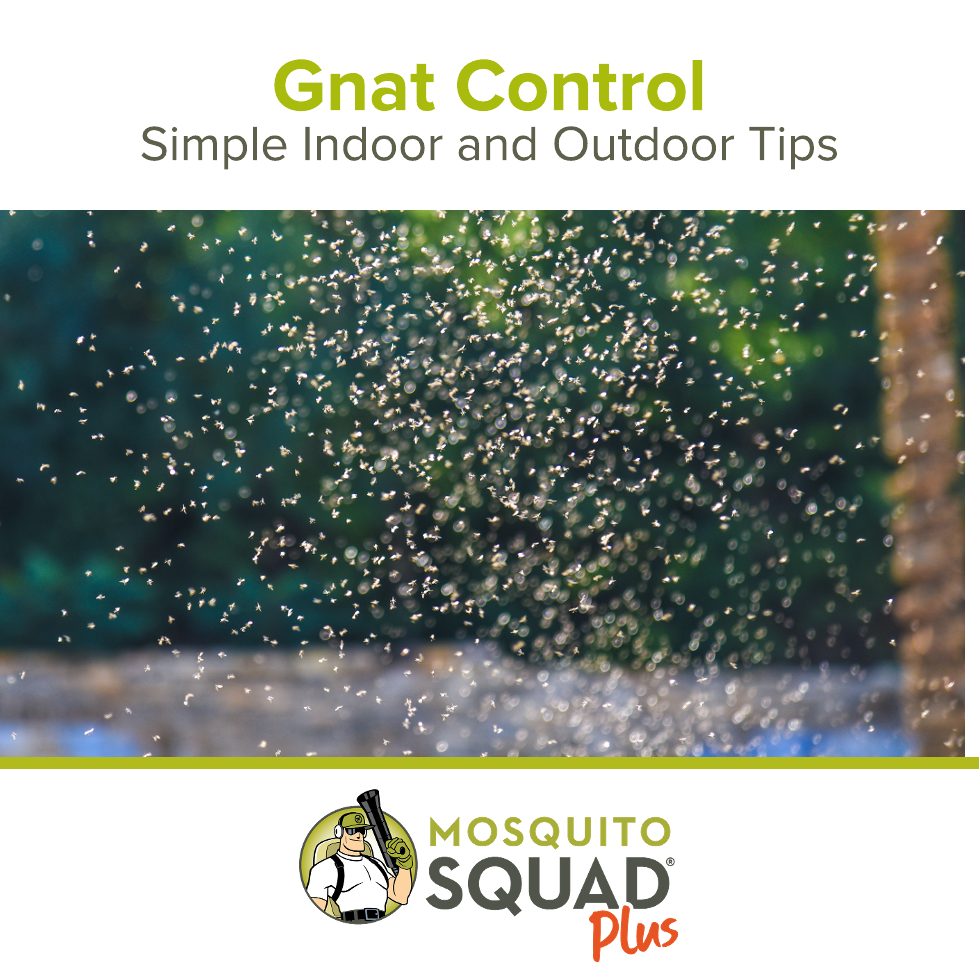
Soil texture also influences pests that nest, burrow, or seek moisture below the surface. Sandy ground is comparatively easy for certain insects to move through, while damp organic material can attract gnats, flies, and pests that feed on decaying vegetation. Pest control services can address more than mosquitoes if you are concerned about other pests.
Ways to Make Your Yard Less Appealing to Pests
Empty containers, refresh birdbaths regularly, clear gutters, correct leaking fixtures, and improve drainage where practical. Keep vegetation maintained, thin dense growth, clear excess leaf litter, and create separation between wooded edges and primary gathering areas. These measures support the mosquito control treatments by Mosquito Squad Plus.
Call (608) 514-9405 for a free quote over the phone, or contact us to discuss your property, the pest activity you have noticed, and available treatment options.