What a Heiskell Holler Looks Like With Mosquitoes
Posted by Mosquito Squad Plus
May 19, 2026
Turn off the highway onto a county road that runs through Heiskell in early April and the first thing most people see is space. Open pasture, an old barn sitting back from the road, a tree line running along the property edge, fence rows that look like they have been there longer than the pavement. The yard does not look crowded. It does not look like a place that would produce mosquitoes the way a creek-bottom property does or the way a newer subdivision with retention ponds does.
Walk the fence line anyway. The blackberry tangle at the corner is damp three days after the last rain. The spring seep near the tree line has been running since February. The overgrown hedgerow between your property and the next holds two inches of leaf litter, and that litter is not drying out until July. That is the Heiskell mosquito story. Old farm country, not suburban sprawl.
Effective mosquito control in Heiskell is not about engineered stormwater features or ornamental foundation plantings. It is about fence rows that were planted or grew in fifty to a hundred years ago, spring-fed water that has been running through these valleys since before the community had electricity, and creek-fed pasture that produces the way creek-fed pasture has always produced. That is a different problem than Karns deals with on Beaver Creek or Hardin Valley deals with on new subdivisions built over old farmland. Heiskell is what those communities looked like before the buildout.
Heiskell Was Bull Run First
The post office that serves this community opened in 1860 under the name Bull Run Post Office. Jacob Johnson was the first postmaster, and the name reflected the valley the community sits in. On June 25, 1898, the post office was officially renamed Heiskell, named for Samuel Heiskell, but the valleys did not change names. Bull Run Valley, Raccoon Valley, Brushy Valley, and Chestnut Ridge are still the names people use when they talk about the terrain. Community history documentation from the Powell Station History archives confirms these details along with the railroad heritage and geographic features that define the area.
This part of Knox and Anderson counties was railroad country. Heiskell at one time had more men per capita working for the railroad than any other community in Tennessee. Crossties and firewood for the railroad came out of these hollers. Logs were shipped by rail to Knoxville and other areas. The community did not get electricity until 1936, which means it remained genuinely rural deep into the twentieth century.
What that means for a homeowner standing on a Heiskell property in 2026 is that the lot you are looking at was probably working farmland within living memory. The fence rows that run along your property line were not planted by a landscaper. They grew in because that is what happens to a fence row over fifty years if nobody cuts it back. The spring that feeds the low corner of your pasture has been running since before your house was built, and the creek drainage that runs along the back edge of your lot has been moving water through this valley for longer than the county has had its current name.
Mosquito control in Heiskell starts with understanding what the land actually is. This is not a place where the grading crew showed up in 2005 and built a subdivision. This is a place where the terrain has been producing the way it produces for generations, and the mosquito and tick pressure reflects that.
What Sitting Between Two Counties Actually Means
Heiskell sits on the line between Knox County and Anderson County. ZIP code 37754 covers both. Some properties are in Knox County, some are in Anderson County, and the line runs straight through the middle of the community.
That county-line geography matters for mosquito control because it means you are getting the rural character of Anderson County meeting the suburban expansion pressure of Knox County. Powell sits to the southeast, Halls sits to the south, and Clinton sits to the northwest. Heiskell is where the suburbs stop. The terrain west of here is Anderson County hollers and ridges. The terrain east of here is Knox County suburban sprawl moving north out of Knoxville.
For mosquito and tick pressure, that means a Heiskell property is dealing with the hydrology and the vegetation of genuine farm-and-holler country, not the hydrology and vegetation of a mid-density suburb. The spring seeps, the creek-fed pasture, the hardwood ridges, the old fence rows with fifty years of accumulated leaf litter, all of it produces the way it has always produced. The mosquito control approach that works on a Heiskell lot is not the same approach that works on a newer suburban lot closer to town.
The Valleys That Drain This Community
Bull Run Valley, Raccoon Valley, Brushy Valley, and Chestnut Ridge are the drainage features that define Heiskell's terrain. These valleys drain east toward the Clinch River and the Bull Run Steam Plant near Oak Ridge. The watershed here is different from the watershed in Karns, which drains west through Beaver Creek toward Melton Hill Lake. Different basins, different hydrology, different mosquito calendar.
The valleys that run through Heiskell are spring-fed. USDA Natural Resources Conservation Service Tennessee soil health programs document the spring-fed hydrology and moisture retention characteristics of East Tennessee farm country. Springs run year-round in these hollers, and the creek drainages they feed stay wet through late winter in most East Tennessee years. The low-lying areas along those drainages do not dry out between rain events the way open ground does. Leaf debris packs into the shaded areas along the creek banks and fence rows and retains moisture at the soil level even when the surface looks dry.
The CDC's mosquito habitat documentation makes clear that shallow, organic-enriched standing water in shaded areas is among the most productive mosquito breeding environments that exist. Bull Run Valley and Raccoon Valley deliver those conditions across a significant portion of Heiskell's properties starting in late February or early March most years.
If your property has any creek drainage, any spring seep, or any low corner that feeds into one of these valley systems, you are dealing with a breeding source that activates weeks before most homeowners in suburban Knox County pick up the phone.
Old Fence Rows Hold Moisture Differently
A fence row on a Heiskell property is not the same thing as a foundation planting on a newer suburban lot. The fence rows that run along property lines in this part of Knox and Anderson counties were either planted fifty to a hundred years ago or grew in on their own because nobody has cut them back in decades. Blackberry tangles, sumac stands, honeysuckle overgrowth, volunteer hardwoods, all of it layered together with fifty years of accumulated leaf litter underneath.
The University of Tennessee Extension mosquito management publication for Tennessee identifies shaded vegetation along property edges as primary mosquito resting habitat. On a Heiskell lot, that shaded vegetation is not ornamental. It is functional. It marks the property line. It provides windbreak. It has been there longer than the homeowner has owned the property, and in many cases it has been there longer than the house has been standing.
The leaf litter that accumulates under those fence rows retains moisture for days after every rain event. The organic matter in that litter holds water the way a sponge holds water, and the shaded microclimate under the overgrown vegetation slows evaporation even in the middle of summer. A fence-row corner that looks dry on the surface is often wet six inches down, and that is where the mosquito larvae are developing.
The Asian Tiger mosquito, Aedes albopictus, which the Tennessee Department of Health vector-borne disease program tracks across the state, breeds in extremely small water volumes. The CDC's mosquito lifecycle documentation confirms that the species can complete its lifecycle in less water than fits in a bottle cap. On a Heiskell property, the gutter that overflows once a month, the spring seep that feeds the low pasture corner, the blackberry tangle along the fence row that stays damp under the leaf litter, and the old barn foundation that holds moisture for days after every rain are all producing the species through the active season.
For a property with working pasture or any acreage that transitions into wooded terrain, the mosquito control program has to address the fence-row edges, the spring seeps, and the creek drainages where the population actually concentrates. A program that treats the open lawn and ignores the production zones does not change the season.
What Homeowners Try First
The instinct on a Heiskell property is to assume that mosquitoes are just part of living in farm country. No creek running through the yard means no obvious mosquito source. No retention pond at the subdivision entrance means no engineered water feature producing larvae. The lot looks like it should be manageable. Most homeowners wait until the bites are noticeable, which usually happens in late April or May, and then either try an over-the-counter spray or schedule a one-off treatment to handle the immediate problem.
Both approaches treat the symptom and not the source.
The spring seeps, the fence-row leaf litter, the creek-fed low spots, and the overgrown hedgerows between properties are all producing mosquitoes starting in late February or early March in most East Tennessee years. By the time the homeowner sees daytime bites in late April, the population has been building for six to eight weeks. The recurring mosquito barrier treatment program that addresses the resting and harborage zones across the entire property, on a schedule that does not let new generations establish between visits, is the strategy that consistently produces a usable yard. Reactive mosquito control on a Heiskell lot almost never catches up. A single barrier treatment application without a recurring schedule leaves the production zones active between visits, which is why mosquito control on farm-and-holler properties needs the same 21-day cadence that suburban properties require.
Treatment Placement on a Farm-and-Holler Property
A mosquito control program on a Heiskell property works the same general principle as a program anywhere else: target the resting and harborage zones where adult mosquitoes spend their daytime hours, intercept them on the surfaces they actually use, and treat on a recurring schedule that does not give new generations a window to establish.
The placement reflects what a Heiskell lot actually is.
The fence rows along the property line are usually the first surface to treat. Overgrown fence rows with fifty to a hundred years of accumulated vegetation produce one of the most consistent harborage zones on a farm property. The spring seep that feeds the low corner of the pasture is the second priority. Spring-fed water runs year-round in these hollers, and the moisture that collects in the low areas around the seep creates breeding habitat that activates earlier than suburban properties. The third target is the creek drainage along the back edge of the lot. If your property has any natural edge or wooded buffer along a creek, that transition zone is where the mosquito population concentrates.
For properties with working pasture or acreage that extends into wooded terrain, the program often expands to include the tree line and any remnant hedgerows between the pasture and the woods. For households that prefer a botanical product, the natural mosquito treatment option works the same placement logic on the same recurring schedule with essential oil active ingredients. The mosquito control philosophy is the same. The chemistry changes.
For larger properties or homes with permanent outdoor living areas, an automatic misting system can supplement the recurring program by addressing the active-hour windows for Aedes albopictus, the morning and the late afternoon, in the immediate area around the deck or patio. For the outdoor wedding, the graduation party, or the summer cookout that involves more people than the recurring program was sized for, a special event treatment applied one to two days before the event provides a tighter knockdown on top of the recurring barrier treatment.
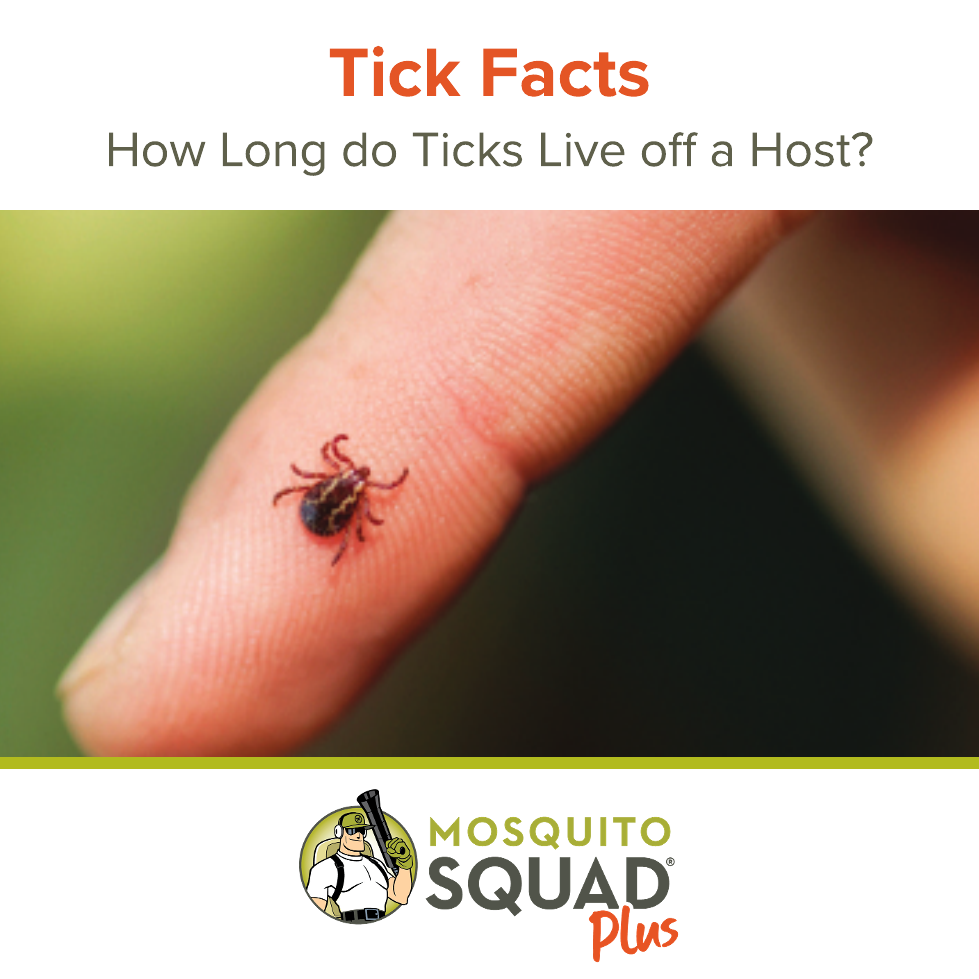
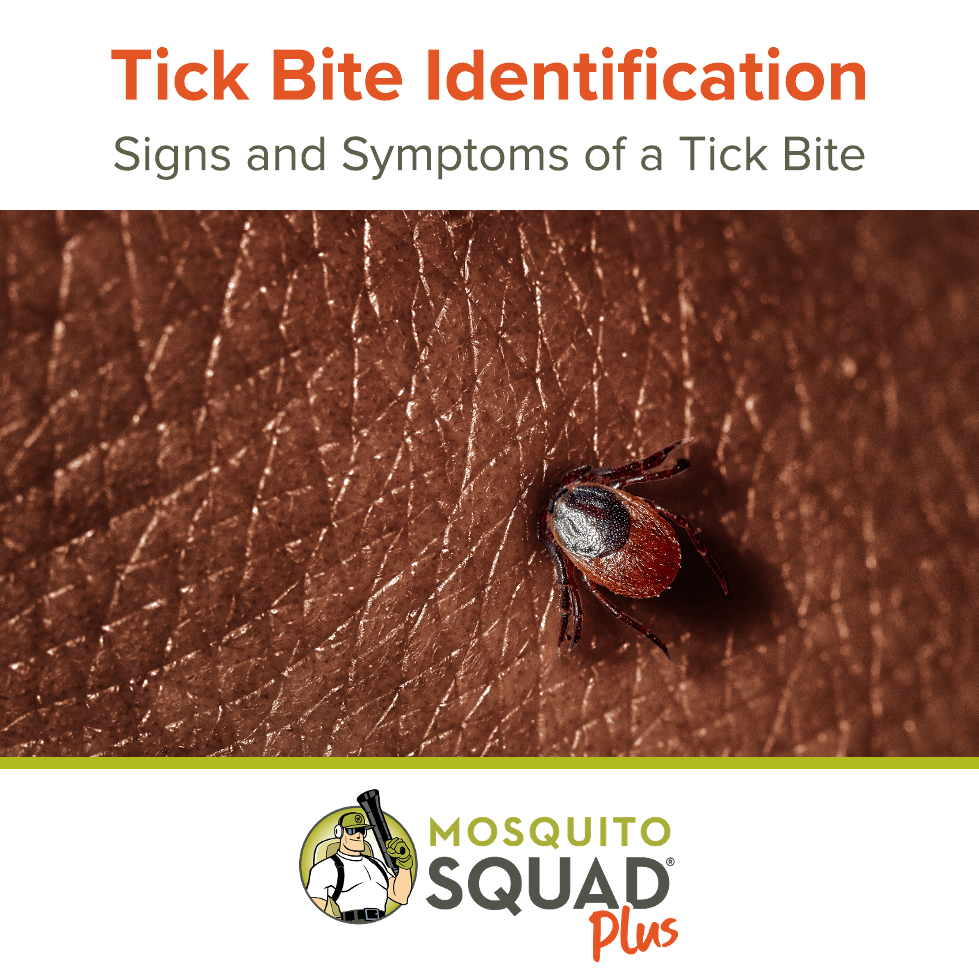
Tick pressure on Heiskell lots is real and consistent across properties with any acreage, wooded edges, or creek drainages. The Lone Star tick and the blacklegged deer tick are both well established in Knox and Anderson counties, and both concentrate in exactly the kind of shaded edge habitat a farm-and-holler property produces. Pairing mosquito control with tick control on the same schedule is worth a conversation, especially on lots with dogs, horses, or livestock that use the pasture or wooded areas.
When to Treat in Heiskell
The East Tennessee mosquito control calendar starts in late March or early April once daytime temperatures hold consistently above 50 degrees. On a Heiskell property with spring-fed water and creek drainage, the start of the season tends to track slightly ahead of suburban properties that depend on rain and engineered stormwater features. The spring seeps and creek-fed low spots support egg hatching as soon as ambient temperatures stay reliably warm, which in most years means a first application is appropriate in the first half of April.
The signs that conditions have arrived in the yard are practical. The spring seep is running consistently and the low corner of the pasture stays damp into the afternoon. The fence-row leaf litter does not dry out the way the open pasture does. The first daytime bites show up while you are working near the tree line or the creek drainage on a Saturday morning, which is the Asian Tiger mosquito announcing the season has started. If you are seeing any of those signs, the population is already building. The most effective mosquito control programs in Heiskell start before those signs appear, not after.
A recurring mosquito control program through October, applied every 21 days, covers the full active season. The fall window in Heiskell runs through the first hard frost, which is typically mid-October to early November in most East Tennessee years.
The Bottom Line for Heiskell Properties
Mosquito control in Heiskell does not look like mosquito control in Karns, in Hardin Valley, or in Powell, because Heiskell does not look like any of those communities. It is rural county-line country that sits between the Anderson County hollers to the west and the suburban Knox County sprawl to the east. The mosquito story here is built into the terrain itself: spring-fed water that has been running through these valleys since before the community had electricity, fence rows that grew in over fifty to a hundred years, creek-fed pasture that produces the way creek-fed pasture has always produced, and old barn foundations and overgrown hedgerows that hold moisture long after the open ground dries out.
The homeowner's assumption that "it is just farm country, mosquitoes are normal" is the assumption that keeps the production zones running quietly through the active season. A recurring mosquito barrier treatment placed where the production actually happens, on a schedule that intercepts each generation before it establishes, is the difference between a yard you avoid in May and a yard you can use. That is the entire frame for mosquito control on a Heiskell property. This is what Knox County looked like before it became Knox County, and the mosquito pressure reflects that.
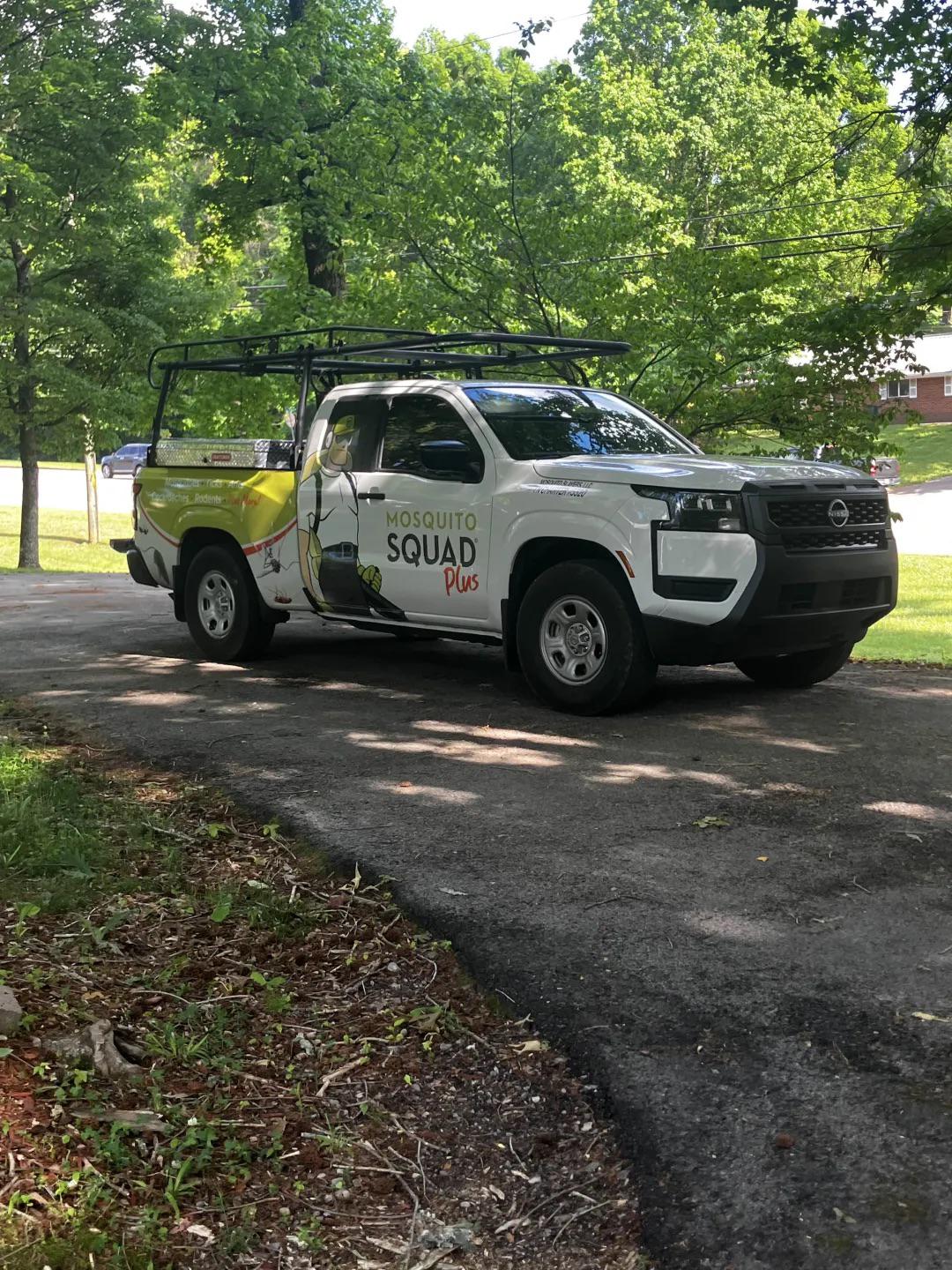
The Mosquito Squad of Knoxville team handles mosquito control across Knox and Anderson counties, including Heiskell and the surrounding communities of Powell, Halls, and Clinton. If the yard looks like it should be easy but it keeps producing mosquitoes anyway, reach out and we will walk it with you. Mosquito control on a farm-and-holler property gets walked, not assumed.