How Quickly a Small Fly Problem Can Turn Into an Infestation
Posted by Mosquito Squad Plus
August 5, 2026

What Draws Flies to Homes in Kansas City, MO?
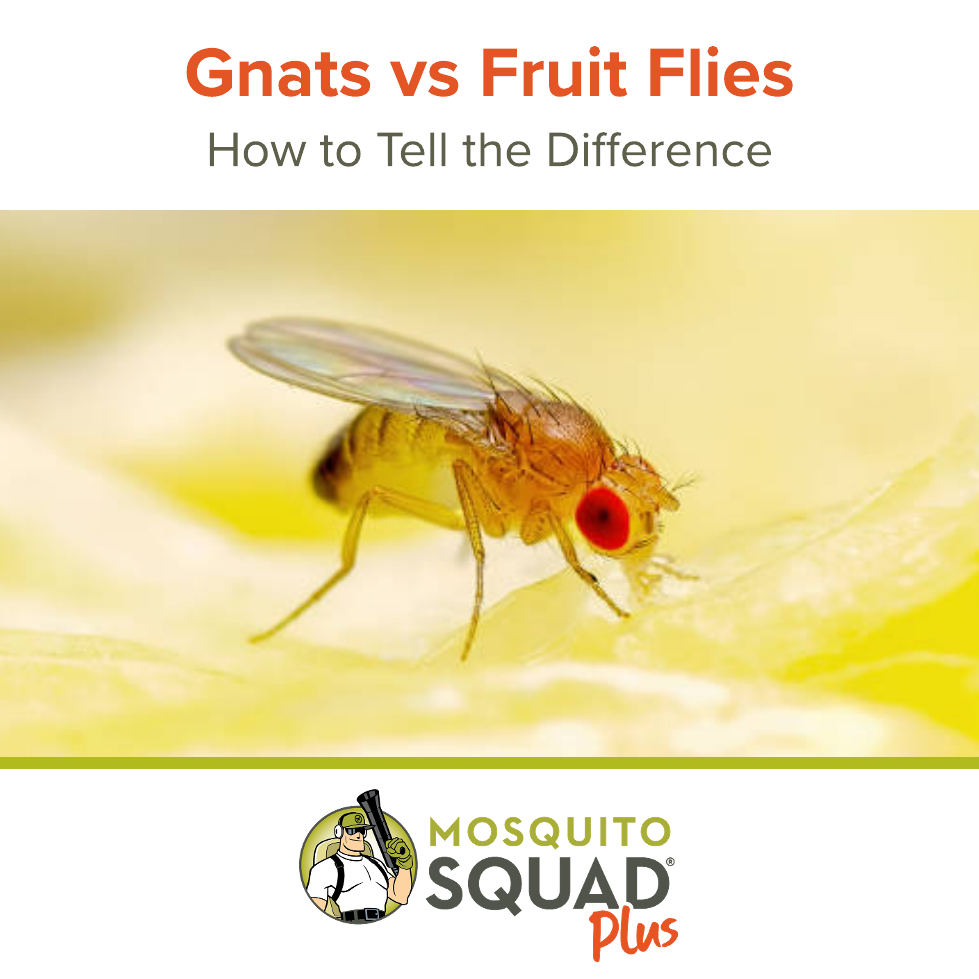
A small fly nuisance in Kansas City can quickly get out of control due to the concentrated sources of food, shelter, and moisture that flies need. Local sewage drains provide the perfect area for flies to breed and spread while being protected from predators such as nearby spiders. If a nearby sewage drain becomes overrun with flies, these pests will quickly spread throughout the neighborhood in search of further areas to feed and breed.
Residential neighborhoods act as significant incubators and fly habitats due to the density of homes and residents. Outdoor trash cans bake in the hot sun, with weekly trash pickups lining up perfectly with the fly breeding cycle. By the time your local pickup happens, a fly infestation can already be well in the works. Backyard clippings, spring cleaning, and fall brush all create areas where decaying matter creates breeding and nesting grounds. These moist, humid areas of organic matter draw flies from miles away and act as a beacon for flies looking for somewhere to go.
Once flies have established their presence inside and outside of Kansas City homes, they become very difficult to eradicate. The sheer number of eggs laid can create a constant cycle, and with feeding and nesting sources found throughout the neighborhood, flies don’t simply have to spread within your yard for you to feel the effect. If your neighbor three doors down is dealing with a fly infestation, it can easily spread through nearby backyards and trash bins where decaying food and pet waste create the prime breeding ground.
Reduce Fly Activity at Your Kansas City Home
Flies in Kansas City aren’t known to randomly wander into nearby yards. Instead, flies are drawn to specific olfactory triggers which they lock onto. Decomposing food, decaying matter, and pet waste become beacons to draw flies into residential areas. As the heat bakes outdoor trash bins, and as tears easily happen during trash deposits, bags can break open to attract flies to breed and feast.
Female flies typically lay around 500 eggs during their lifetime, with 50 to 75 eggs at a time as a common amount. When flies find areas where decaying matter creates the perfect nesting and feeding grounds, female flies will lay their eggs. In cooler months, this process takes longer, but during the hot Kansas City summer, larvae can complete their lifecycles in 7-10 days. Decaying outdoor brush, grass clippings, and spring litter create areas where humidity and decomposition also contribute to fly breeding areas. Clearing out these environmental contributors can reduce the amount of flies drawn to your outdoor living areas.
Clean gutters, regularly wash and sanitize trash bins, and reduce the amount of organic matter around your home and yard. Ensure window screens are properly installed and free of rips and tears. Properly dispose of pet waste, decomposing groceries, and outdoor brush to reduce fly attractants. Keep main entryways closed if they don’t have a screen. This can help to limit how many flies enter your home through garage doors, front doors, or open windows.
Learn more tips and insights for indoor and outdoor pest control at our dedicated Kansas City blog.
Professional Fly Control Services in Kansas City
Mosquito Squad Plus offers multiple fly control options for Kansas City residents. For outdoor living areas, we offer our Yard Defender package. Yard Defender is designed to create a perimeter around your yard to reduce and control the presence of flies. With this plan, we will use barrier treatments and EPA-registered products to target areas where flies are known to rest and breed. Our Home Shield program helps to seal and target areas around the exterior of your home to limit fly exposure and entry.
Learn more about our Kansas City fly and pest control services.
For Reliable Fly Control in Kansas City, MO Near You
Flies taking over your Kansas City property? Call Mosquito Squad Plus of Kansas City at (913) 421-8018 or contact us online for a free quote.