What Makes a Backyard Tick-Friendly in Ada? A Fall Property Inspection Guide
Posted by Mosquito Squad Plus
October 29, 2026
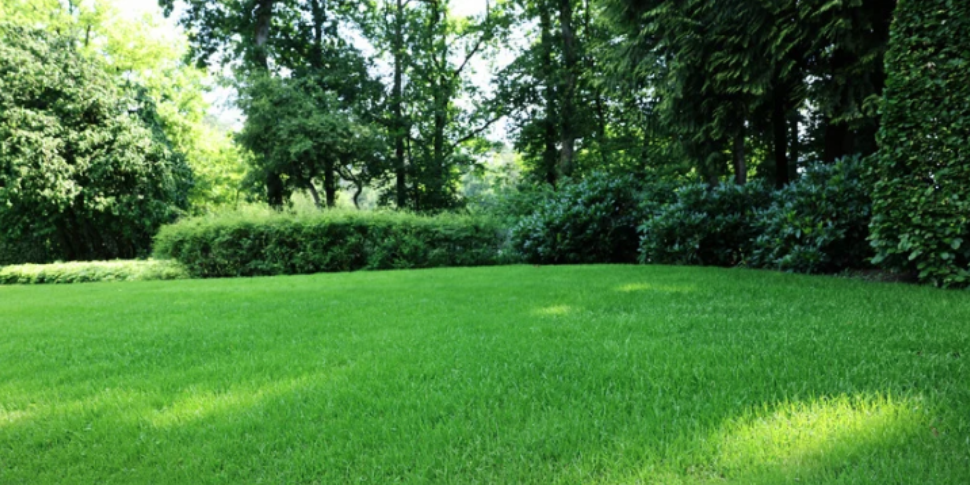
Fall can feel like the end of tick season, but cooler weather does not stop every tick out there. In fact, some ticks are at peak adult activity in the fall. Ada, MI, tick control starts with checking over your property for anything that may be encouraging tick presence. Mosquito Squad Plus of Grand Rapids can help Ada homeowners identify yard conditions that may support tick activity.
1. Start at the Wooded Edge
Does your property back up to woods or have a copse of trees on it? These are prime areas where ticks might be found due to the shade and humidity provided by the vegetation on the ground and the tree canopy.
Start your inspection where the wood edge meets more maintained borders. This can be along fences, shrubs, or taller grass that hasn’t been cut. Ticks (and mosquitoes!) like these shaded areas, and wildlife passes through as well, providing access to hosts.
2. Check Leaf Litter and Damp Ground
Fall is peak leaf litter season. As they fall from trees, leaves trap moisture and organic materials between layers, creating mini ecosystems ticks can shelter in. As temperature fluctuates, these ecosystems maintain a steadier temperature, providing warmer shelter. Piles of leaves around trees, fence lines, or anywhere they might fall in a tick pathway are more likely to have ticks take cover. Broader pest control guidance can also help homeowners recognize how moisture, clutter, and shelter influence outdoor pest activity.
3. Look for Wildlife Traffic
Deer, mice, and other animals use yards as more direct paths when moving through the area. These can all carry ticks onto your property, even if you've trimmed away as much greenery as possible. Making your property unwelcoming to wildlife may limit tick activity.
4. Pay Attention to Fall Tick Species
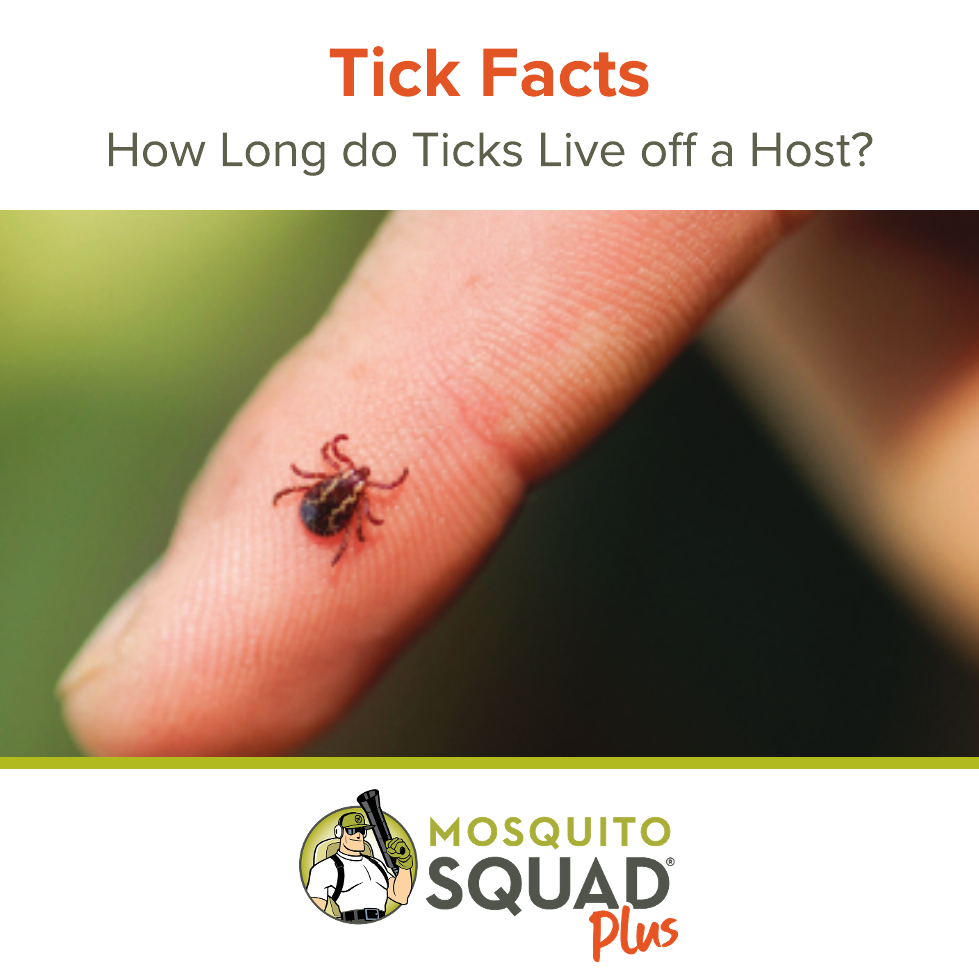
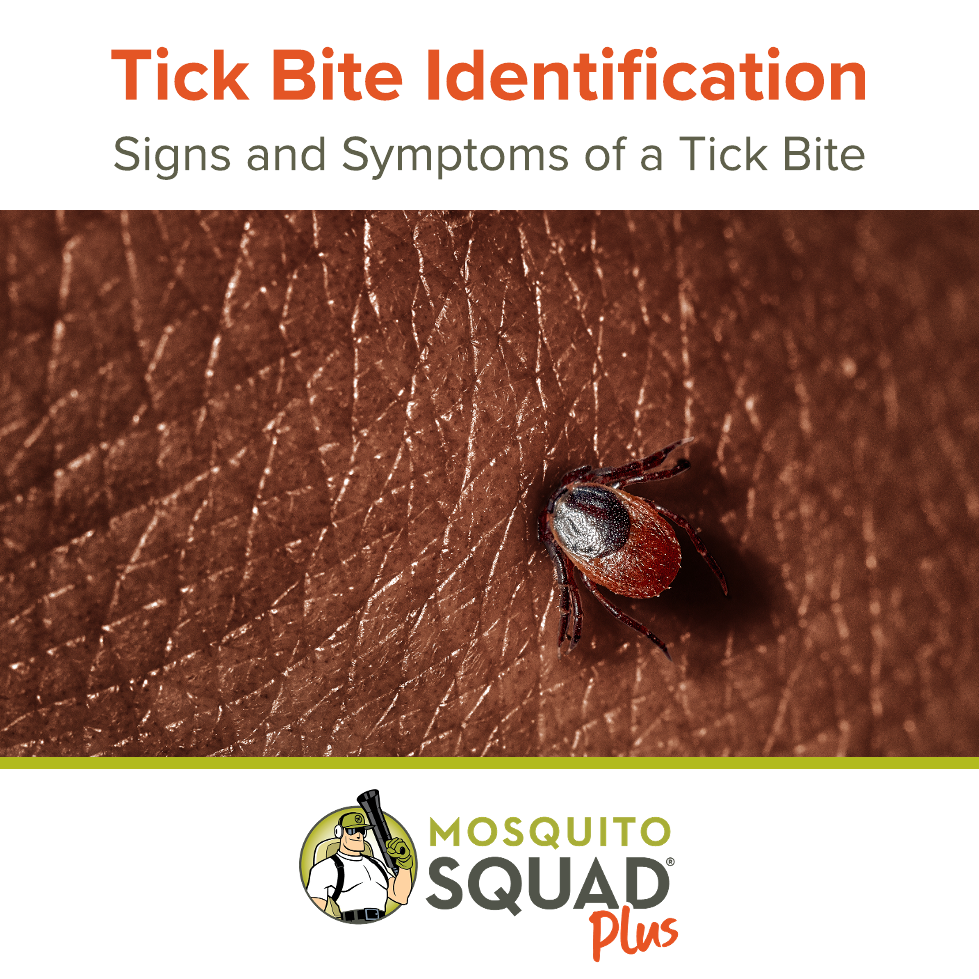
In Michigan, blacklegged ticks and American dog ticks are the two species most likely to be encountered in the fall. These may transmit a variety of illnesses to people and pets.
- Blacklegged ticks, also called deer ticks, are small nymphs in the spring and summer, growing into adults as fall moves in. Once adults, these ticks tend to seek deer as hosts, and moving through your property may drop off these hosts. Especially relevant during fall.
- American dog ticks may be active into November, also seeking larger hosts in wildlife and pets.
- Lone star ticks are also reported in Michigan, though they are less common.
5. Create a Cleaner Buffer Around High-Use Areas
Once you identify tick-friendly zones, creating separation will help reduce the chance of run-ins with ticks. Place a paver or brick border around patios or fire pits, making it harder for ticks to cross. Keep grass trimmed and leaves cleared away from playgrounds and walkways as well. Tall grass and overgrown bushes provide tick spaces to wait for new hosts. Pay special attention when trimming these or working in the garden, prepping for winter.
6. Know When Professional Tick Control Fits
Have concerns about tick activity after inspecting your yard? Our Mosquito Squad Plus team in Grand Rapids can help build the right tick control plan for you. Call (616) 920-8069 for a free quote over the phone.