Common Signs of a Rodent Infestation in Fredericksburg
Posted by Mosquito Squad Plus
November 2, 2026
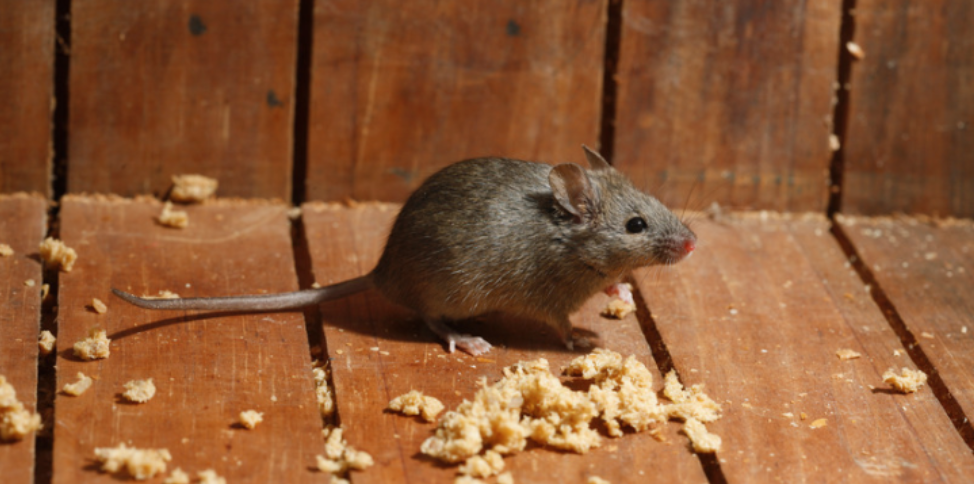
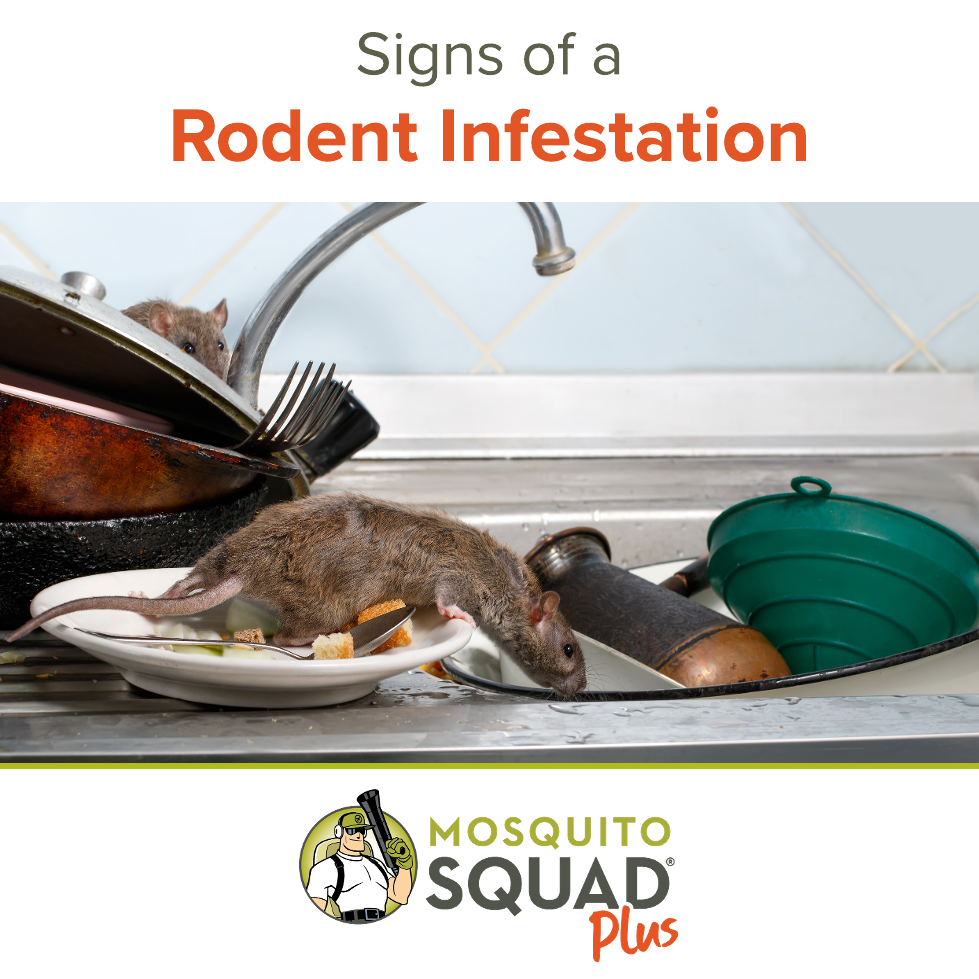
As rodents seek shelter within Fredericksburg homes, they will seek areas to nest within quiet and commonly unused areas. This can lead to unusual odors, signs of damaged insulation, or unmoved boxes becoming used as nesting material. Other signs include damage to sealed food containers, gnaw marks on wood or within cabinet areas, droppings found, or scratching and sounds of scurrying within the walls. While rodent sightings don’t automatically mean an infestation is occurring, the combination of multiple signs can point to a larger unseen problem and require the support of professional Fredericksburg rodent control services.
Where Rodents Commonly Hide Indoors
Rodents will commonly seek areas within Fredericksburg homes where they can easily access food, moisture, and nesting materials. As they seek points of entry around rooflines, garages, or basement areas, they will migrate to areas where clutter, boxes, and darkness provide shelter and protection against detection. If able, rodents will create access points into wall voids in order to easily maneuver throughout the home to gain access to pantry areas, utility rooms, and use insulation as nesting material.
How Rodents Get Into Homes
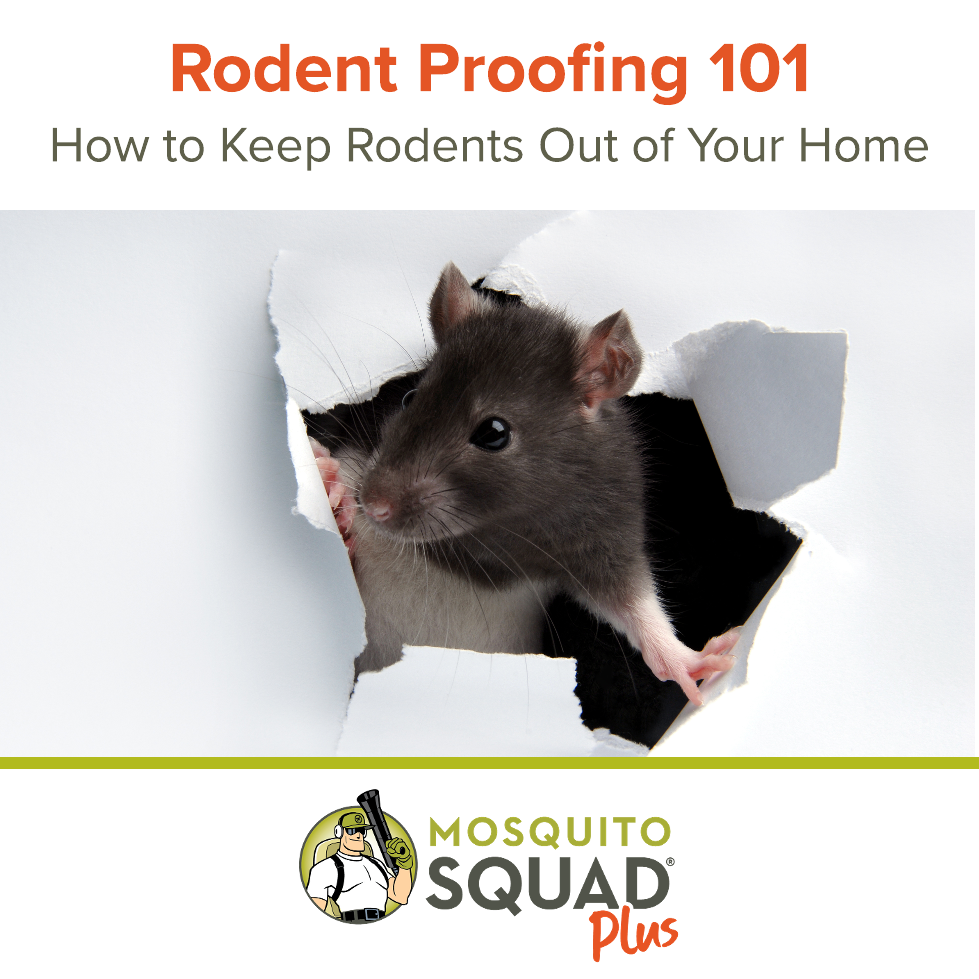
Mice and rats in Fredericksburg will use small gaps and cracks to gain entry into indoor living areas. Mice are known to squeeze through small holes, while rats have the ability to chew through wood or concrete. This can increase the risk of new points of access becoming an issue despite taking preventative measures to seal previously known locations. Common areas of rodent entry include gaps around external pipes and utility penetrations, roofline and siding gaps, foundational cracks, and areas where garage doors create small gaps near the corner areas.
Why Fall Can Make Rodent Activity More Noticeable
The fall season in Fredericksburg brings cooler weather, less available food sources, and a need for pests to find shelter for the winter months. As rodents nest within nearby leaf litter, brush, or unused structures, they begin to seek points of entry into indoor living areas. The presence of indoor nesting material, accessible food, and winter shelter can make Fredericksburg homes an ideal habitat for mice and rats. Because of this, residents may notice an increase in rodent activity as these pests seek access through basements, garages, attics, and small gaps around doorways.
What to Do If You Suspect Rodents
There are a few simple steps you can take if you’re noticing the presence of rodents within your Fredericksburg home. Ensure pet food is properly sealed and stored at least a few inches away from the floor. Discard any food that appears to have been contaminated or accessed by rodents, and ensure food within cabinets is properly sealed and stored at all times. Conduct a quick property inspection to seek areas where rodents may be accessing your indoor living spaces, and consider using a flashlight to illuminate areas where shadows or structures may camouflage cracks and crevices. Use proper safety precautions when disposing of rodent droppings or contaminated materials, and properly clean and sanitize contaminated areas.
Professional Rodent Control in Fredericksburg
If you’re noticing the signs of heightened rodent activity at your home in Fredericksburg, it may be beneficial to seek professional support. Our team at Mosquito Squad of Fredericksburg is proud to offer comprehensive rodent control services, recurring treatments, and tailored plans to Fredericksburg residents. Each of our pest control plans begins with a thorough property inspection to learn the layout and note areas of risk in order to create a rodent control plan that suits your home and needs. With this information, we will use targeted techniques, barrier treatments, exclusion methods, and monitoring to reduce and control the rodent population throughout the duration of your plan.
Call (540) 510-8445 or request a free quote online.