How Fall Temperatures Drive Pests into Dallas Homes
Posted by Mosquito Squad Plus
October 29, 2026

The fall season provides Dallas residents with a break from the intensity of the summer heat, but it can also create unexpected pest pressure. Cooling temperatures, rainy days, and changing food sources can lead pests to seek resources around outdoor and indoor living spaces, while fall leaves and brush provide nesting habitats. As a result, residents commonly turn to Dallas pest control services to help reduce and control the population.
Which Pests Become More Noticeable Around Homes
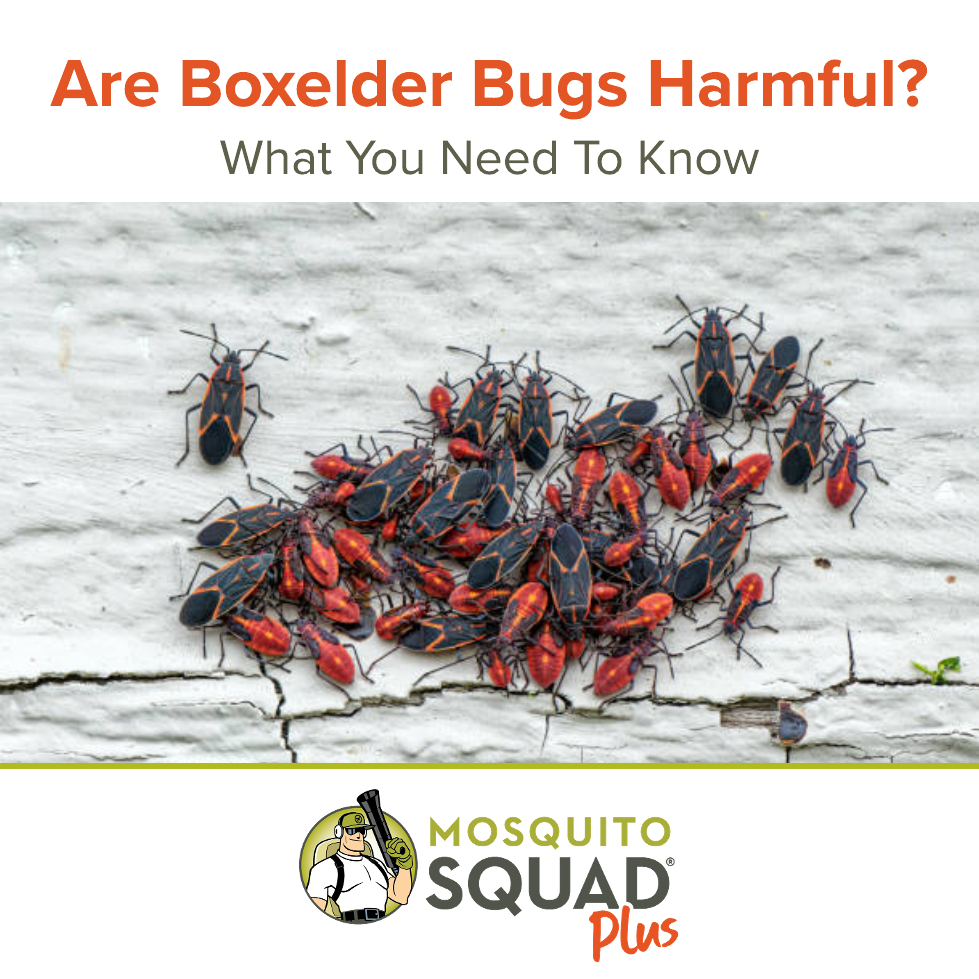
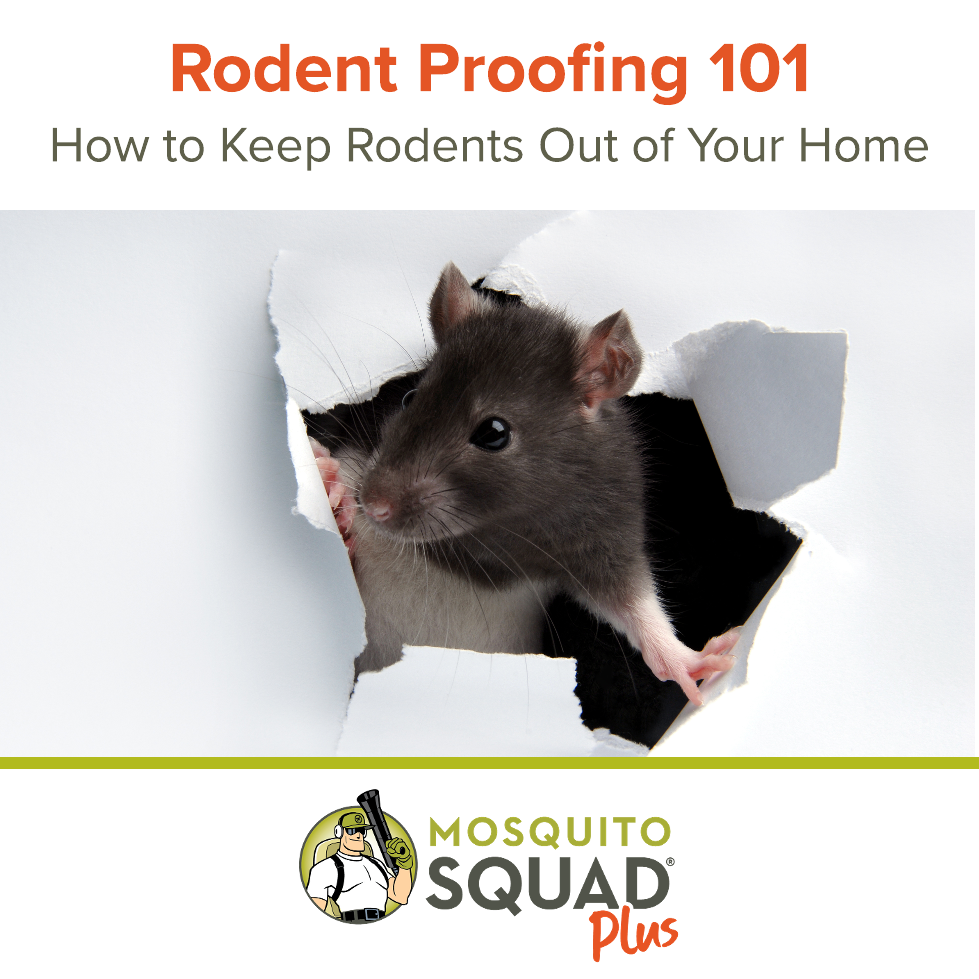
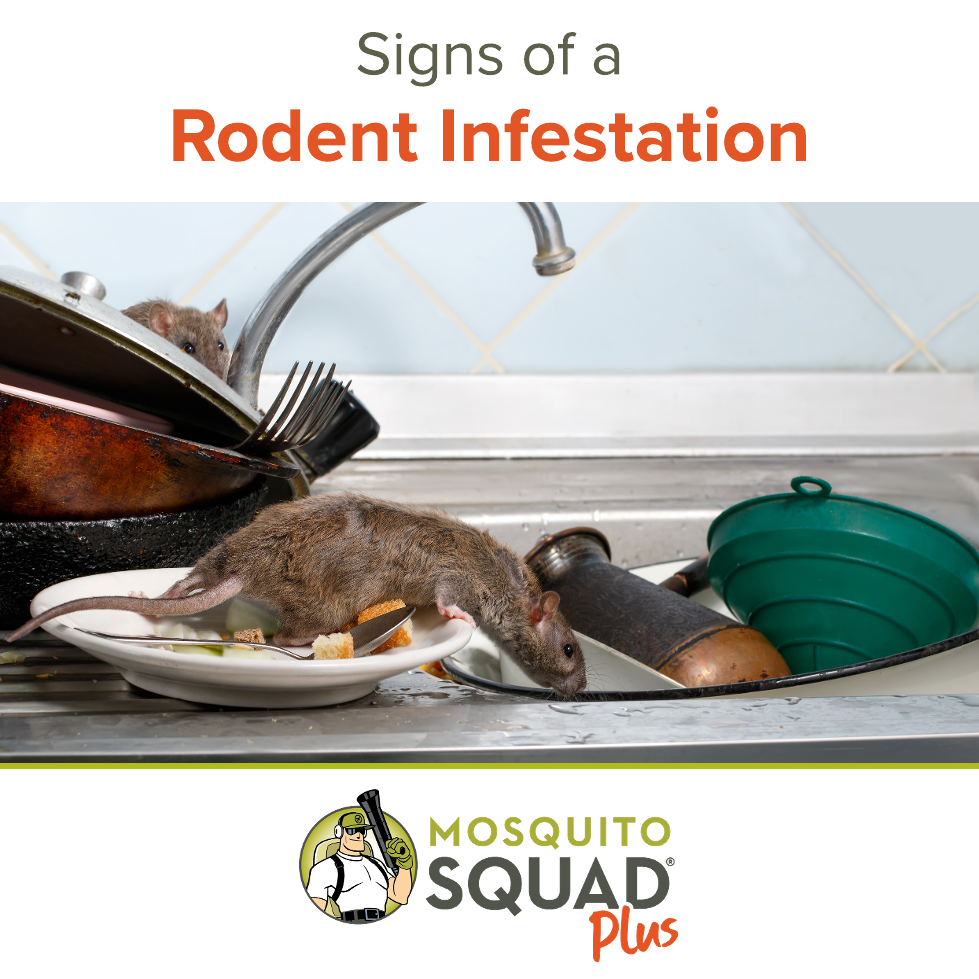
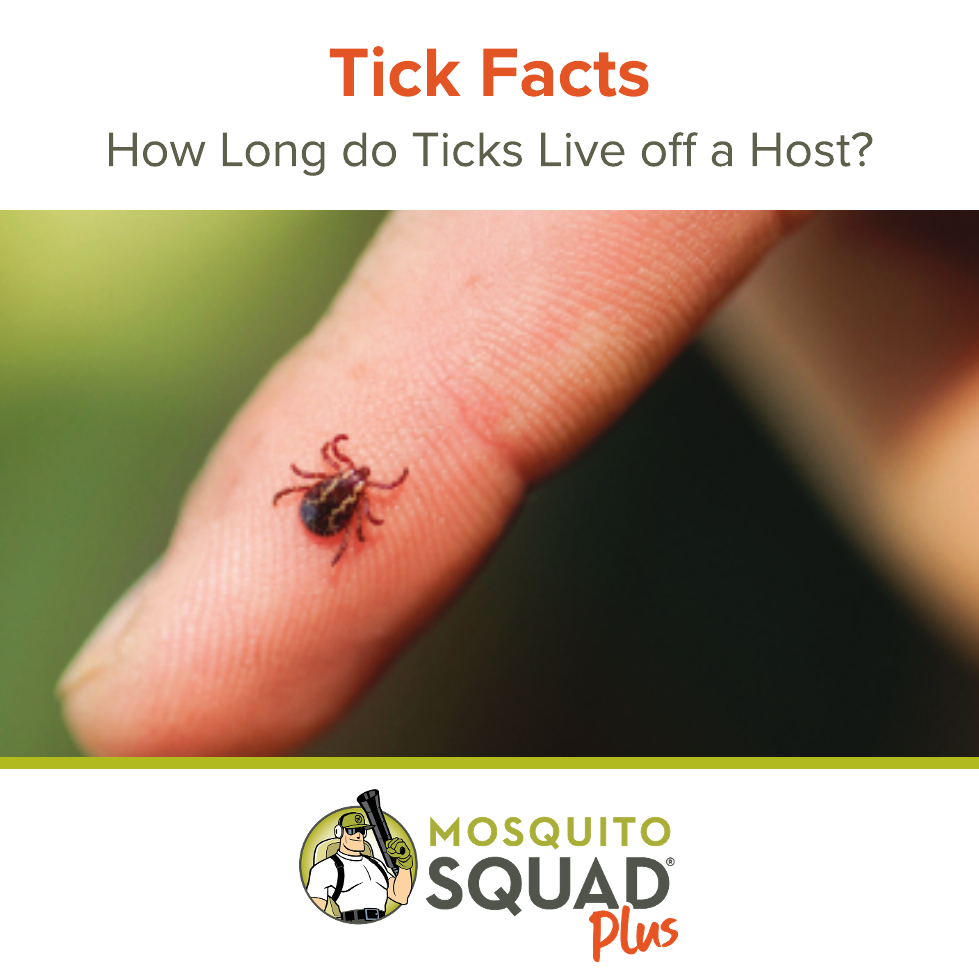
While mosquitoes and ticks can remain a concern for Dallas residents, there are a few overwintering pests for residents to keep an eye out for. Stink bugs and boxelder bugs will commonly swarm the sunny sides of homes as they seek access into wall voids or areas where gaps around doorways and windows provide entry. Spiders will become more established in quiet areas where their pest prey can easily be found, and will actively hunt at night or build webs in high ceilings, near entryways, and within quiet spaces. Rodents may seek shelter around buildings as outdoor conditions change. This can lead to unusual odors, damaged insulation, and occasionally electrical damage.
Why Garages, Attics, and Exterior Gaps Matter
The exterior areas of your home in Dallas can either reduce pest entry or invite them in. Attics, attached garages, and other connected structures can create easy pathways for pests to move from outdoor areas into your home. Gaps around garage doors, damaged attic vents, and openings near the foundation can provide small opportunities for pests to enter unnoticed. Once indoors, they will continue to seek access to quiet areas where they can quickly access the necessary resources while remaining unnoticed.
Fall Property Conditions That Can Increase Pest Pressure
The fall season in Dallas can increase pest activity as temperatures drive pests towards homes for food, shelter, and access to water. Common conditions that contribute to pest activity are the accumulation of fallen leaves, dense vegetation, and fall brush. These areas provide nesting and resting areas for pests as they seek access into indoor living areas. Stored firewood, cluttered areas, and overgrown perimeter areas create ideal hiding spots as pests navigate from nearby nests towards protective structures around your Dallas home. Additionally, access to standing water, fallen fruit or nuts, and trash receptacles provide outdoor food as ideal food sources begin to become difficult for pests to access.
Simple Steps to Reduce Fall Pest Problems
While professional pest control is highly recommended, there are steps that Dallas residents can take to reduce pest activity. Pest activity commonly begins in perimeter areas and gradually moves towards the home. To reduce this, regularly conduct yard cleanup to reduce areas where leaf litter and fall brush provides ideal nesting and breeding habitats. Trim lawns low, reduce overgrown brush around perimeter areas, and trim tree limbs or bushes away from the home structure to reduce pest highways. In storage and garage areas, reduce clutter, clear away old boxes, and regularly inspect unmoved containers for pest activity. Around the home, ensure pet food and trash are properly secured, reduce areas where standing water can attract moisture-loving pests, and repair any worn or torn door sweeps, vents, and screens.
When to Call for Pest Control in Dallas
If you’re noticing persistent pest activity, repeated sightings, and need support sealing hard to reach areas, it can be beneficial to work with a professional pest control company in Dallas.
Our team at Mosquito Squad of Dallas-Lake Highlands is proud to offer comprehensive pest control services, tailored plans, and recurring treatments to Dallas residents. Our technicians will begin with a thorough property inspection to learn the layout and note areas of concern in order to create a tailored plan that suits your home and needs. From there, we can recommend targeted treatments and a service schedule based on the pests and conditions identified.
Call (214) 506-2823 or request a free quote online to learn more.