Chester Frost Park Ticks: What to Check Before You Bring Them Home
Posted by Mosquito Squad Plus
June 22, 2026

There is a particular kind of tired that comes from a good day at Chester Frost. Sunburned shoulders, a cooler full of melted ice, sand somewhere it should not be, a dog that swam in the lake and now smells like it, and everybody happy and worn out on the drive back down Hixson Pike. It is one of the best ways to spend a Saturday in this part of the county, and that is not up for debate. The park has earned its reputation.
What rides home with you is the part nobody plans for. Out on that peninsula sticking into Chickamauga Lake, with the shaded campsites, the trails through the trees, the tall grass along the water, and the deer that move through the place at dawn and dusk, Chester Frost has exactly the kind of ground ticks love. You do not see them. You feel great all afternoon. And then a day or two later somebody finds one behind a knee, and the question becomes how many came home in the gear, the towels, and the dog. Smart tick control in Hixson starts with understanding that a lot of the ticks in a Hixson yard did not grow up there. They hitched a ride home from somewhere fun.
Why Chester Frost Is Tick Country, and Why That Is Not a Knock on the Park
Let us be clear about something up front. A park having ticks is not a sign anyone is doing a bad job. Hamilton County keeps Chester Frost in genuinely great shape, the beach, the campground, the boat ramps, the picnic shelters under the big shade trees. Ticks are not a maintenance failure. They are what happens when you have woods, water, tall grass, and wildlife in the same beautiful place, which is the entire reason anybody wants to go there.
Chester Frost sits on a peninsula reaching out into Chickamauga Lake, a couple hundred acres of waterfront with mature tree cover, a developed campground with a couple hundred sites, and trails running through exactly the brushy, shaded, leaf-littered edges ticks prefer. The CDC is direct that ticks live in grassy, brushy, or wooded areas, and that spending time walking the dog, camping, or just being outdoors brings you into contact with them. That is a point-by-point description of a day at Chester Frost. The shaded campsite. The trail through the trees. The grassy stretch between the picnic area and the water. The dog nosing along the wood line. Every one of those is prime tick habitat, and the park is wall-to-wall with them precisely because it is such a good park.
The wildlife seals it. Deer move through that peninsula constantly, working the tree lines at dawn and dusk, and ticks travel on deer. Where deer go, ticks get dropped, and a popular park with a permanent deer population is a permanent tick nursery. None of that makes Chester Frost any less worth the trip. It just means the trip comes with a passenger or two if you are not paying attention.
The Ticks You Are Actually Dealing With Out There
East Tennessee has more than a dozen tick species, but only a few regularly find people, and at a place like Chester Frost in the warm months you are mostly dealing with two. The University of Tennessee Extension identifies the American dog tick and the lone star tick as among the species most likely to be encountered by people in the state, and both are right at home in a lakeside park.
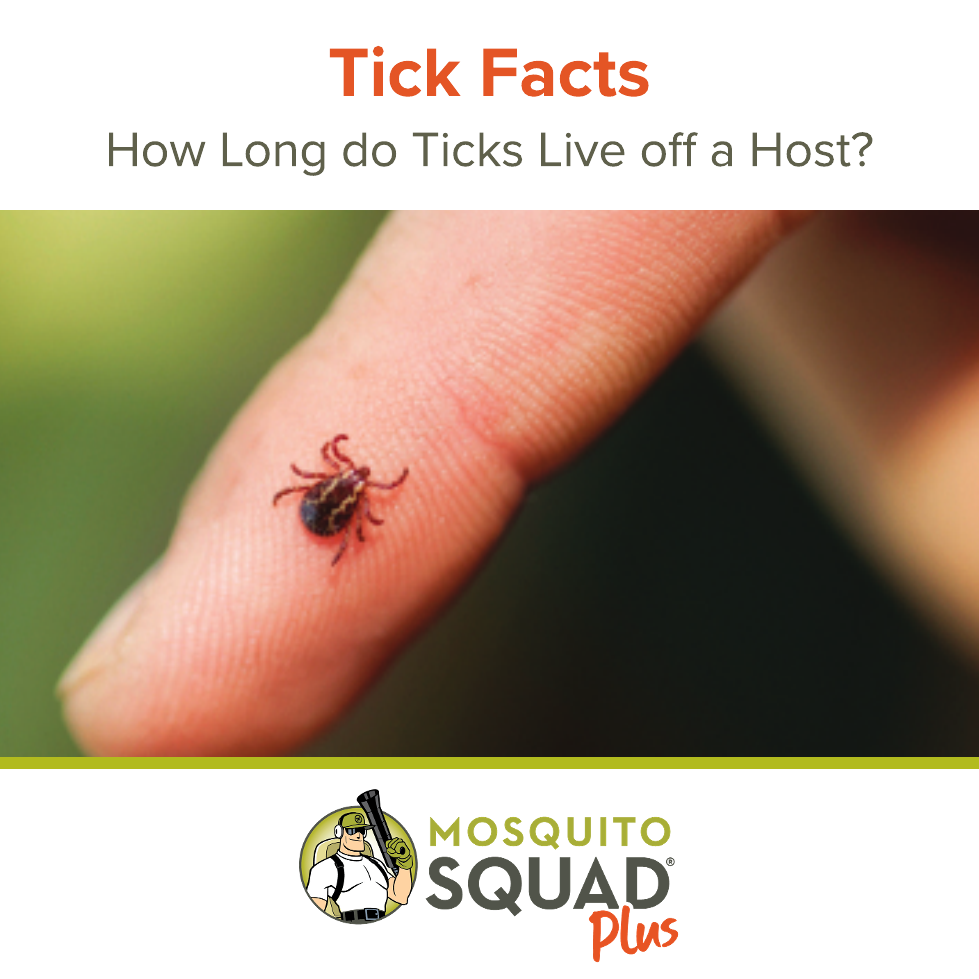
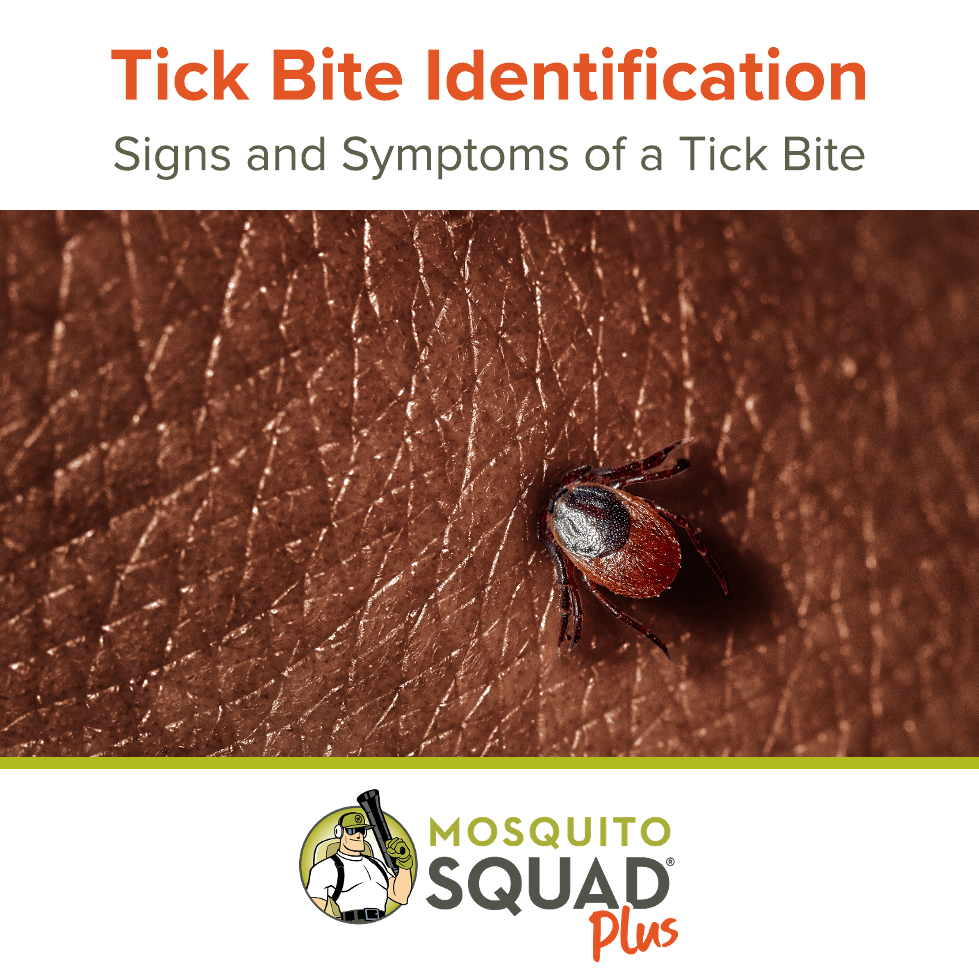
The American dog tick is the one most people picture, reddish brown with pale markings, and Oak Ridge National Laboratory, right here in Tennessee, notes it is the most commonly encountered tick in the state, with adults most active from April into June. It likes grassy areas and the edges of paths, which is to say it likes the exact spots families spread out a blanket. The lone star tick is the aggressive one. It is the tick with the single white dot on the female's back, and unlike a lot of species, all of its life stages will bite a person, so the tiny ones matter as much as the big ones. The University of Tennessee puts its peak activity from April through the end of July, square in the middle of camping and lake season.
Neither one is a reason to stay home. But both are reasons to do the thing almost nobody does after a great day outside, which is actually check.
The Drive Home Is When the Trouble Starts
Here is the part that makes ticks sneakier than mosquitoes. A mosquito bites you, you feel it, you slap at it, and the transaction is over. A tick does not work that way. It rides home unnoticed, sometimes for hours, before it ever settles in to bite, which means the danger is not really at the park. It is at the house, after everyone has relaxed and stopped thinking about it.
The CDC explains that ticks can be carried into the house on clothing and on pets, and then attach to a person later. That lag is the whole problem. The tick that gets on your kid's sock at the campsite at two in the afternoon might not bite until it finds skin at bedtime, in their bed, hours after you left the park. Our tech Shane puts it the way he has seen it play out on a hundred properties: people think tick season happens in their yard, but half the time the first tick of the year walked in the front door on a beach towel from a weekend somewhere else. The yard gets blamed for a tick that was a tourist.
The dog makes it worse, and the dog is usually the reason a one-time visit turns into a yard problem. The US Forest Service notes that dogs are very susceptible to ticks and can carry them right into the home. A dog that spent the afternoon running the wood line at Chester Frost comes back with ticks in its coat, rides home in the car, sleeps in the house, runs the backyard the next morning, and now ticks that were a Chester Frost problem are a your-yard problem. That is how a park tick becomes a resident, and it is why the dog is the single most important thing to check.
What to Actually Check Before It Becomes a Yard Problem
The good news is that the carry-home problem has a carry-home solution, and it is not complicated. It is mostly a matter of doing a few specific things in the first couple hours after you get back, before the ticks have a chance to settle in and before the dog tracks them through the house.
Check the people first, and check the right spots. Ticks head for warm, tight, hidden places, so the CDC recommends a full-body check focused on under the arms, in and around the ears, behind the knees, between the legs, around the waist, and especially in the hair, and parents should do the checking for kids because the little lone star nymphs are genuinely hard to spot. State health guidance echoes it: public health agencies stress feeling as well as looking, since small ticks are easy to miss by sight alone. A shower within a couple hours helps, both because it washes off the ticks that have not attached yet and because it puts you in a good position to actually look.
Then deal with the clothes, because this is the step almost everybody skips and it is the most effective one. Do not just toss the beach clothes in the hamper, that is how a live tick waits around to find someone later. The CDC found that tumble-drying clothes on high heat for about ten minutes kills the ticks on them, and a peer-reviewed study confirmed that high dryer heat is highly effective at killing ticks on clothing. Dryer first, before the wash, is the move. It is the single easiest tick-prevention habit there is, and hardly anyone does it.
And check the dog, thoroughly, before it comes inside and gets comfortable. Run your hands all the way down through the coat, especially around the ears, the neck, between the toes, and under the collar. A dog on a good tick preventative is far less likely to bring the problem home, so if your dog spends real time at Chester Frost or anywhere like it, that monthly preventative from the vet is worth every penny.
The Catch: You Can Check, but You Cannot Treat a County Park
Here is the limit of all that good checking. It protects you from the ticks you find. It does nothing about the ones you miss, and on a busy day with tired kids and a wet dog, some always get missed. You cannot spray Chester Frost. You cannot mow the peninsula or clear the wood lines or treat 230 acres of county park, and you would not want anyone to. The park is going to keep being tick country because that is what makes it a great park.
So the realistic goal is not to never bring a tick home. Over a summer of lake days and campouts, a few are going to make it back no matter how careful you are. The realistic goal is to make sure the ones that get through do not turn your own yard into a second Chester Frost. That is the part you actually control, and it is where treatment shifts from the park to the place you can do something about: home.
Treating the Yard the Ticks Keep Getting Carried Into
A yard that regularly receives ticks from weekend trips, on clothes, on gear, on the dog, can quietly build its own tick population over a season, especially if it has the brushy edges and shaded spots ticks like. Once a few females get established along a fence line or in a leaf-littered corner, you are no longer just importing ticks from the park, you are growing your own. That is the point where home tick control stops being optional.
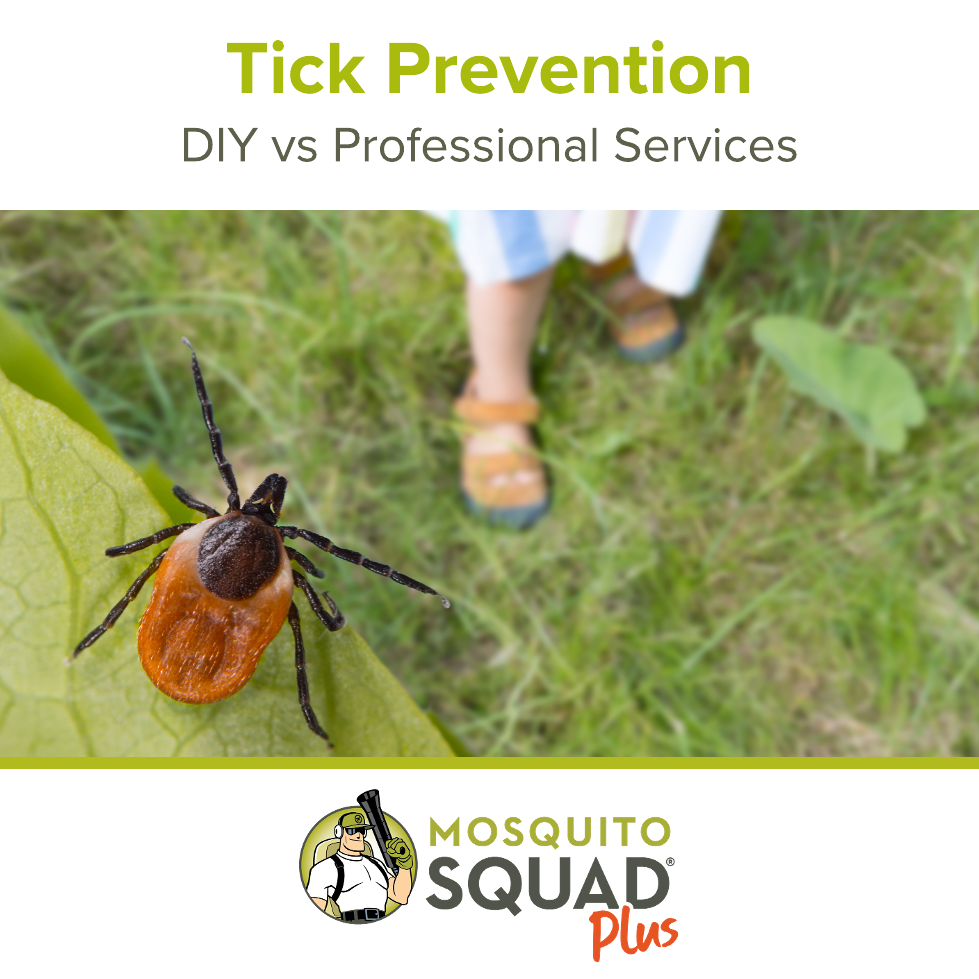
Professional tick treatment works by targeting the specific zones where ticks live and wait, the shaded perimeter, the wood line, the tall grass along a fence, the leaf litter in the back corner, rather than broadcasting across the open lawn where ticks rarely sit. Our tick and flea control program treats those harborage areas on a recurring schedule through the active season, knocking down the ticks that got carried in before they establish. The 6 C's of tick control lay out the broader approach, clearing brush, keeping the lawn edges tidy, creating dry buffer zones, and the treatment does the part the homeowner cannot.
For a property that also fights the valley's mosquitoes, the same shaded, humid edges tend to harbor both, which is why the mosquito barrier treatment and the tick program work well together, and households that prefer a botanical route can ask about the natural treatment option. For families who spend the whole season outdoors, between the lake and the yard, year-round Home Shield coverage keeps the property handled across the calendar so the souvenirs from Chester Frost do not get a foothold.
A Few Other Things That Ride Home From the Lake
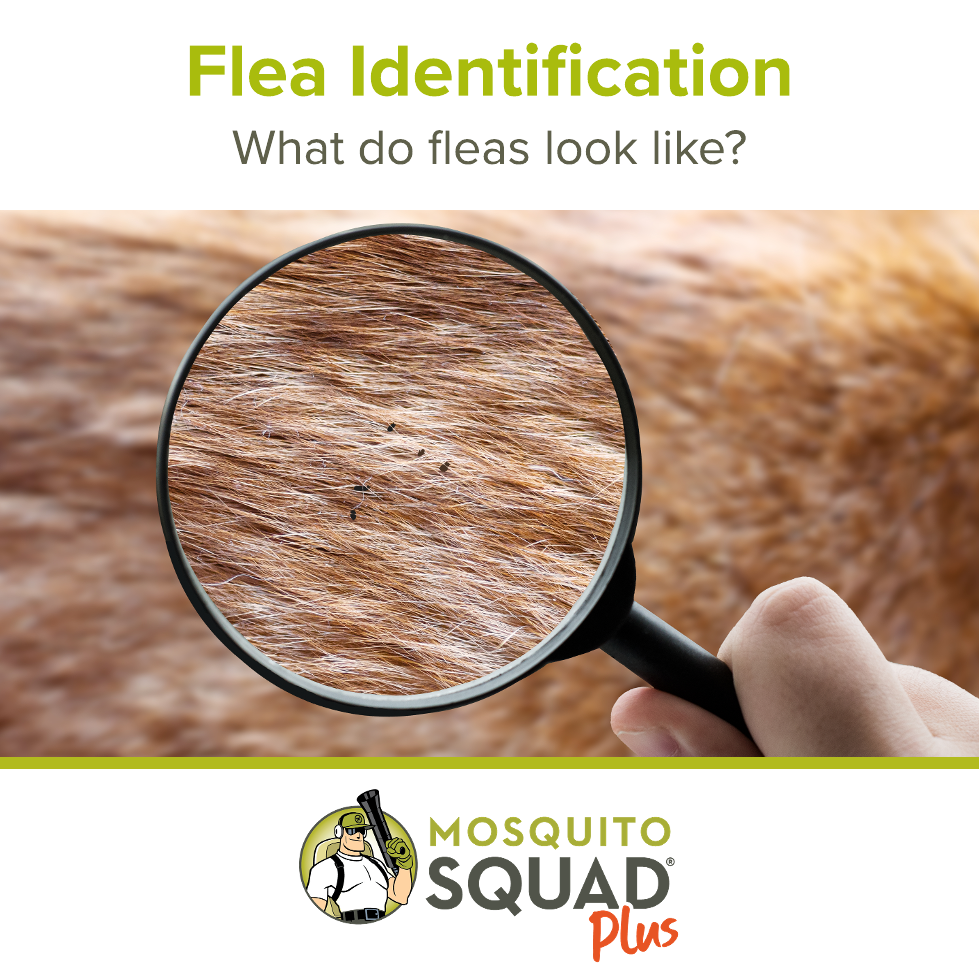
Ticks are the main carry-home risk, but a long day at the lake has a couple of others worth a mention. Fleas travel the same way ticks do, on the dog and into the house, and a dog that picks up fleas at a campground can seed a yard and a home with them fast, which is why flea control so often rides alongside tick treatment on properties with pets.
And the lake itself runs its own bug program. The still, shaded coves and the marshy edges around Chickamauga produce mosquitoes all summer, along with the gnats and no-see-ums that swarm a still evening near the water, and an evening cookout in the backyard after a lake day can feel like the bugs followed you home, because in a sense the same conditions did. For the backyard graduation party or the family reunion that caps off a summer of lake weekends, a one-time special event spray clears the yard beforehand so the only thing anybody remembers is the cookout.
Keep Going to Chester Frost. Just Check the Towels.
None of this is a reason to skip the park. Chester Frost is one of the genuinely great things about living in the Hixson area, and a summer without a few days out on that peninsula would be a worse summer. Go. Camp. Swim. Let the dog wear itself out in the lake. The point is not to be afraid of a county park. The point is to spend ten minutes when you get home, check the kids, dry the clothes on high heat, go through the dog's coat, so the best day of the weekend does not turn into a week of pulling ticks off everybody.
And if you are finding ticks in your own yard, not just after trips but as a regular thing, that is the yard telling you the carry-home problem has put down roots. We treat Hixson and the surrounding Middle Valley, Soddy Daisy, and Lakesite communities all around the lake, and our work is backed by a 100 percent satisfaction guarantee. Call us at (423) 403-3513 or get a free quote online, and we will walk the property and treat the spots the ticks are actually using, so your yard stops being the place the souvenirs settle in.