Roaches, Earwigs, Centipedes & Millipedes: The Hidden Pests Invading Cape Cod Homes
Posted by Mosquito Squad Plus
June 3, 2026
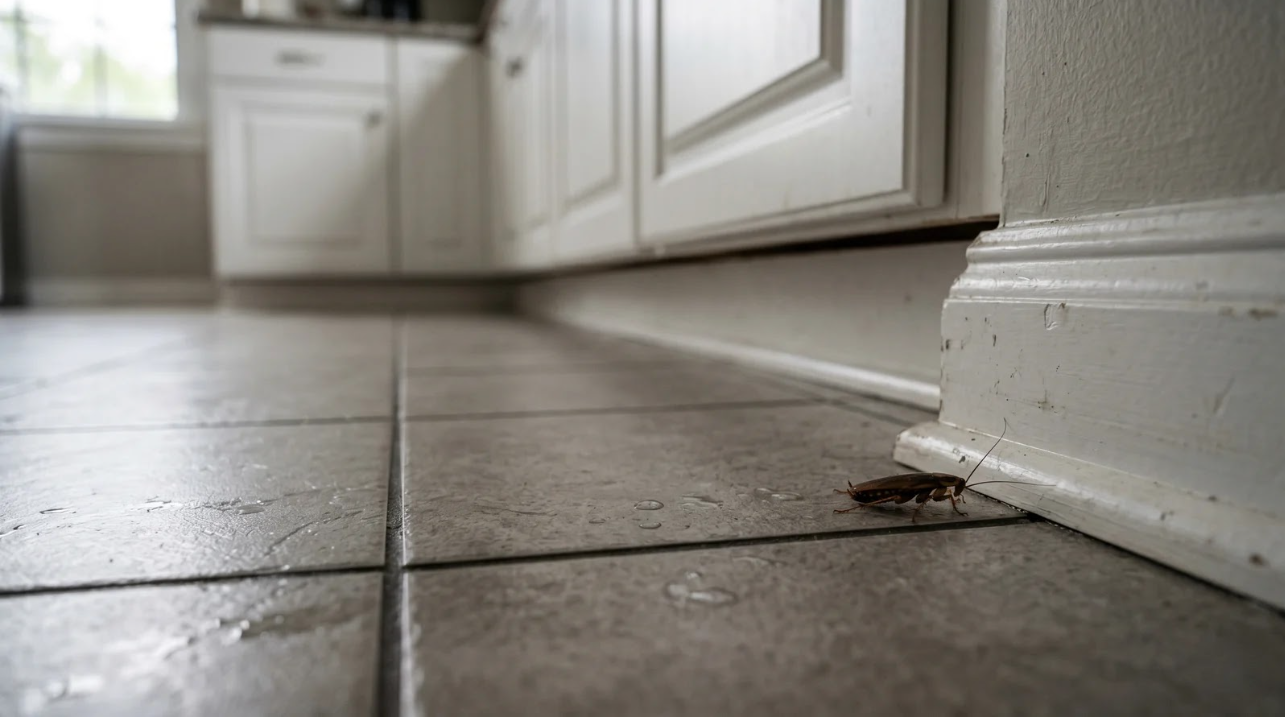
Serving Barnstable, Bourne, and Sandwich homeowners with professional pest identification and treatment.
Not every pest on Cape Cod announces itself right away. In Barnstable, Bourne, and Sandwich, many homeowners first notice roaches, earwigs, millipedes, or centipedes only after they start showing up in bathrooms, basements, kitchens, and other damp spaces.
Some of these pests are mostly a nuisance, while others can point to deeper moisture or sanitation issues — but together they create an uncomfortable feeling that the home is not fully under control.
This article explains why these pests get inside, where they hide, and what you can do to stop them before they become a bigger problem.
Damp basements, crawl spaces, and poorly ventilated areas are the #1 reason these pests show up in Barnstable, Bourne, and Sandwich homes.
Why These Hidden Pests Show Up Indoors
Most of these pests are drawn by moisture, shelter, and easy access into the home. Cape Cod humidity, crawl spaces, foundation gaps, mulch beds, and damp basements create the perfect setup for unwanted indoor activity.
While some occasional invaders do not cause structural damage, their presence can signal conditions that might also attract more serious pests if left unaddressed.
The role of moisture and shelter
Roaches, earwigs, centipedes, and millipedes all look for dark, protected spaces where they can hide during the day and emerge at night.
Basements with poor ventilation, cluttered storage rooms, and areas with plumbing leaks often give them everything they need to thrive.
Seeing pests regularly despite cleaning? It may be time for a professional inspection.
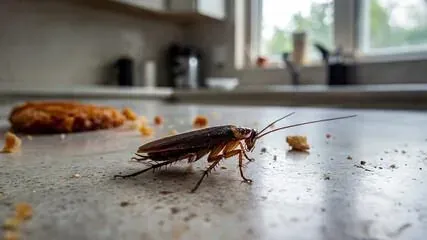
Roaches in Cape Cod Homes
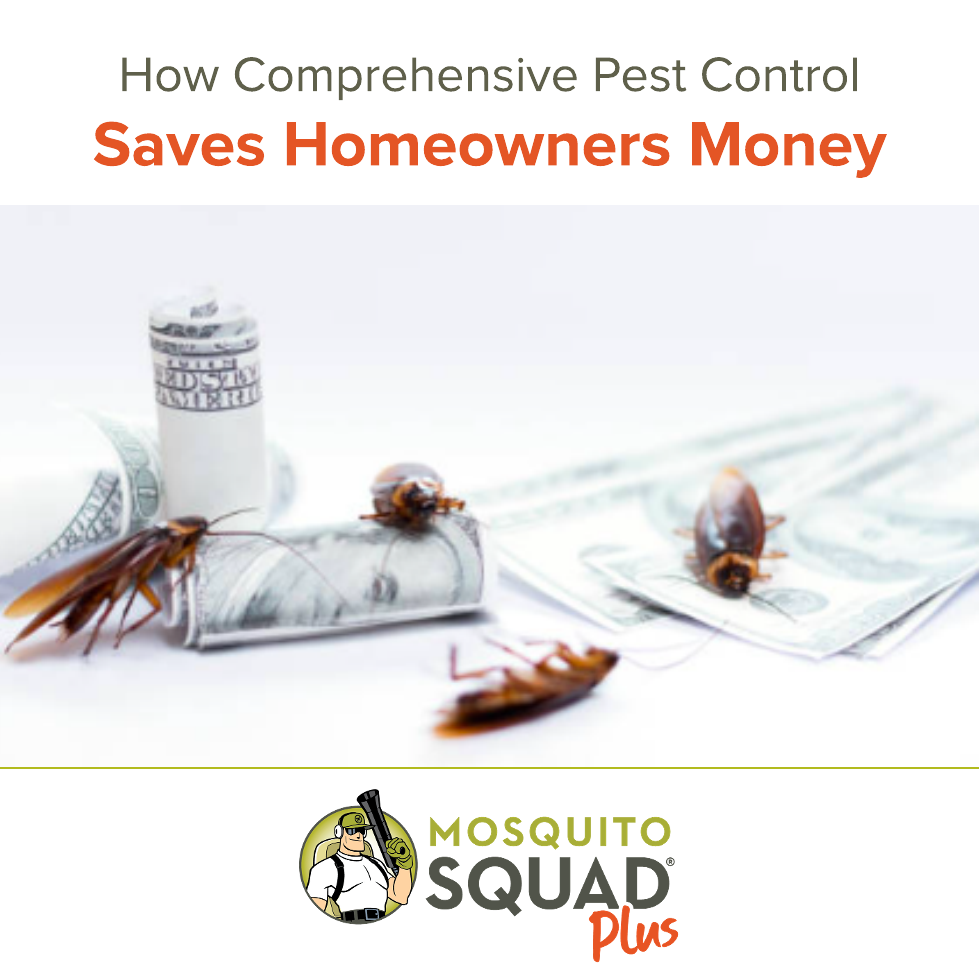
Roaches are among the most concerning pests because they reproduce quickly and often hide behind appliances, under sinks, and in wall voids.
Don't ignore a few roaches: If you are seeing even a few roaches, there may already be a larger population tucked out of sight — most individuals stay hidden during the day and only a small fraction of the colony is ever visible at one time.
They are usually attracted by food residue, water, clutter, and dark harborage areas that make DIY control difficult, especially in multi-level or older homes.
Earwigs, Millipedes, and Centipedes
Earwigs, millipedes, and centipedes often invade homes when outdoor conditions are too wet, too dry, or suddenly changing. They commonly enter through cracks around doors, foundations, and utility openings, especially after rain.
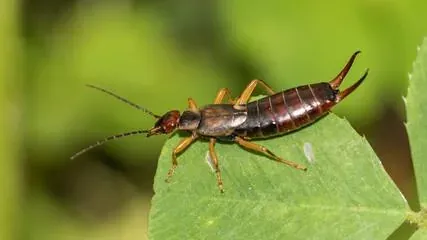
Earwigs
Earwigs are often found near entry points, bathrooms, and basements and are most active at night. Despite their alarming pincers, they are not dangerous to people — but high numbers inside often indicate excess moisture around the foundation.
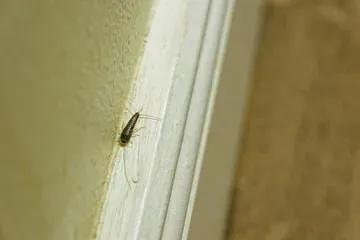
Millipedes
Millipedes usually indicate heavy moisture around the exterior of the home. They typically die quickly indoors but large numbers entering the home are a sign that outdoor conditions need attention — particularly mulch, leaf litter, and drainage near the foundation.
Centipedes
Centipedes are predators that feed on other insects. If you are seeing centipedes indoors regularly, it often means another pest issue is also present — they wouldn't stay if there was nothing to eat. Addressing centipedes means addressing their food source too.
Millipedes and centipedes in basements are a reliable sign of excess moisture — fixing the damp conditions is as important as treating the pests.
Where Homeowners Usually Find Them
These pests are commonly found in basements, garages, bathrooms, laundry rooms, under stored boxes, and near floor drains.
Ground-level rooms and homes with damp crawl spaces are especially vulnerable, particularly in Barnstable, Bourne, and Sandwich neighborhoods with older foundations.
Seeing pests consistently in the same areas can help point to the underlying conditions and entry points that need attention.
Cape Cod homes tip: Homes built on slabs or with older crawl spaces often have natural gaps where pipes and utility lines enter. These are among the most common entry points for all four of these pest types — sealing them is one of the most effective prevention steps available.
How to Reduce Hidden Pest Activity
Start by controlling moisture — use dehumidifiers in damp basements, repair any obvious plumbing leaks, and make sure water drains away from the home instead of pooling near the structure.
Good sanitation and exclusion help, but long-term control often requires identifying the exact pest and targeting where it hides.
Everyday steps to make your home less inviting
Clean up crumbs and spills quickly, store pantry items in sealed containers, and avoid leaving pet food out overnight.
Use dehumidifiers in damp basements, repair any obvious plumbing leaks, and seal gaps around utility lines where pests can squeeze through.
Outside, keep mulch pulled back from the foundation, remove leaf piles and debris close to the home, and ensure gutters drain well away from the structure.
When to Call for Professional Help
If you are seeing roaches, earwigs, millipedes, or centipedes regularly despite cleaning and basic exclusion steps, it may be time for a professional inspection.
A trained technician can identify which pests are present, where they are harboring, and what environmental conditions are helping them stick around.
Professional treatments can be applied strategically to crack and crevice areas, basements, and other problem zones where DIY products often do not reach effectively.
Cape Cod Mosquito Squad Plus: Home Shield Service
Cape Cod Mosquito Squad's Home Shield package is designed specifically for indoor and perimeter pests — including cockroaches, spiders, ants, and occasional invaders like earwigs and centipedes. Treatments target the areas where these pests enter and hide, both inside and outside the home.
Satisfaction Guaranteed. See your local Mosquito Squad Plus franchisee for details. For more information, including this guarantee, check out the Mosquito Squad Plus website mosquitosquad.com or ask the franchisee for details.
Stop Hidden Pests Before They Spread
Roaches, earwigs, millipedes, and centipedes can make a home feel uncomfortable fast — especially when sightings keep increasing. For help in Barnstable, Bourne, or Sandwich, call Cape Cod Mosquito Squad to schedule an inspection and discuss a treatment plan. First service within 48 hours or it's free.
Call (508) 461-2010 for a free quote, or request a quote online.