What's Bugging You This Fall? Common Pest Myths in Southeast Wyoming
Posted by Mosquito Squad Plus
August 19, 2026
If you've been spending time outside in Cheyenne, Laramie, or Casper lately, you've probably noticed it isn't just mosquitoes you're dealing with.
Boxelder bugs clustering on the south side of the house. A wolf spider the size of a silver dollar in the garage. Ants reappearing in the kitchen after you thought you'd solved that problem months ago. Yellow jackets getting unusually aggressive around the patio.
Fall in Southeast Wyoming has a way of pushing all kinds of pests toward your home at once — and with it comes a lot of assumptions about what's driving that activity and what to do about it.
Most of those assumptions aren't quite right. Here's what's actually happening.
Myth #1: Boxelder Bugs Are Just Annoying — They're Not a Real Problem
Boxelder bugs are one of the most recognizable fall pests in Wyoming. They're hard to miss: black and red, roughly half an inch long, and showing up in large numbers on sunny exterior walls, window frames, and foundation edges as temperatures start to drop.
The myth is that they're harmless enough to ignore.
The reality is that boxelder bugs are actively looking for a way inside your home to overwinter. They don't reproduce indoors or cause structural damage, but once they find a gap — a crack in caulking, a gap around a window frame, an opening near a utility line — they move in by the hundreds. They leave behind a reddish staining residue on surfaces and fabrics, and when disturbed or crushed, they produce an unpleasant odor.
What draws them to specific homes isn't random. Boxelder bugs feed on boxelder, maple, and ash trees and congregate on south- and west-facing exterior walls where sun exposure is greatest in the fall. If your property has any of those trees nearby, you're offering a direct pipeline from their summer food source to your home's warmest exterior surfaces.
Ignoring them in October means finding them throughout your living spaces all winter.
Myth #2: Wolf Spiders Inside Mean You Have an Infestation
Wolf spiders are a common sight across Southeast Wyoming, and spotting one indoors — especially a large one — tends to send people into a tailspin.
The assumption is usually that one spider means many, and that your home is infested.
Wolf spiders are solitary hunters. They don't build webs, they don't form colonies, and finding one inside doesn't mean there's a population nesting somewhere in your walls. They're also genuinely beneficial — they hunt and eat other insects, including ones you'd rather not have around.
That said, a wolf spider inside is still a signal worth paying attention to. Spiders don't move indoors looking for warmth — they follow prey. If wolf spiders are finding their way inside, it's because the insects they hunt are already present around your home's foundation and entry points.
By the time you're seeing the spider, pest activity has usually been building outside for weeks. The spider is the symptom; the insect pressure at your perimeter is the actual condition to address.
Myth #3: Ants Only Show Up Because of Food
Ant problems in the kitchen get blamed on food — something left out, crumbs on the counter, a spill that wasn't cleaned up fast enough.
Food can attract ants. But it's rarely what causes the problem.
Western harvester ants are common across Wyoming's high plains and can establish large colonies in dry soil near foundations, driveways, and landscaping beds. Pavement ants are another frequent offender in Cheyenne, Laramie, and Casper neighborhoods. These colonies are established long before you ever see a single ant inside — and worker ants are continuously scouting for new food and moisture sources.
When one finds a path inside, it leaves a pheromone trail. The rest of the colony follows that trail until the source is removed. That's why ant problems feel like they appear overnight and come back repeatedly even after cleaning.
In the fall, ants also begin foraging more aggressively as they prepare for winter. A clean kitchen slows them down but doesn't eliminate what's driving them — a colony that may be several feet underground and well outside your home.
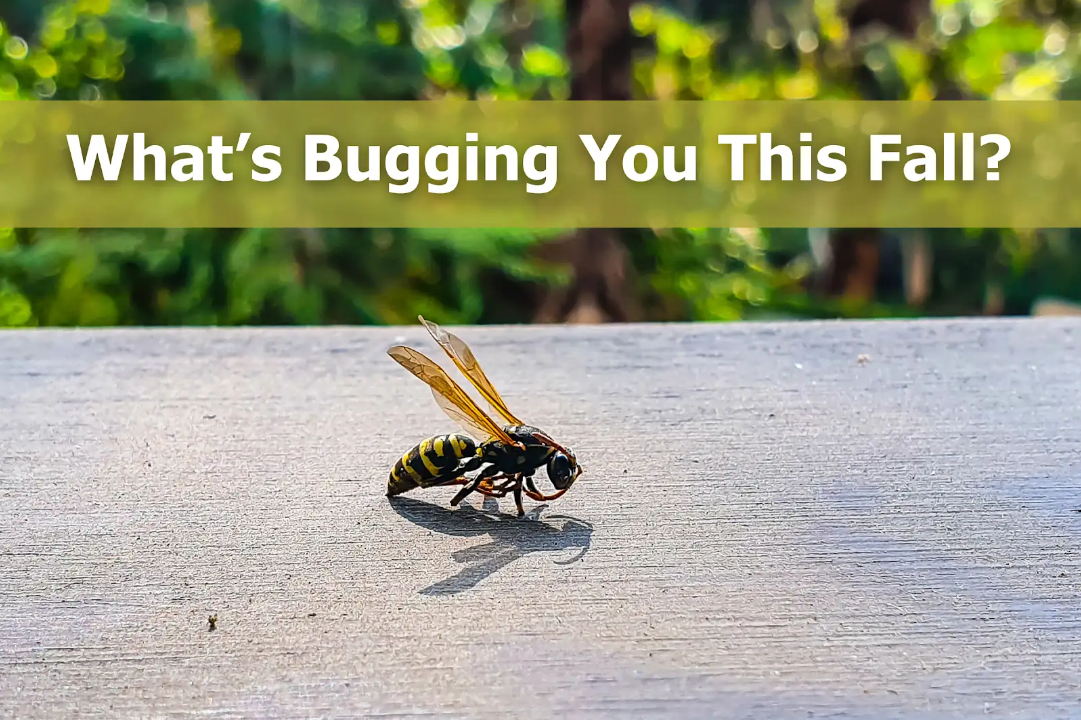
Myth #4: Yellow Jackets and Wasps Die Off on Their Own — Just Wait Them Out
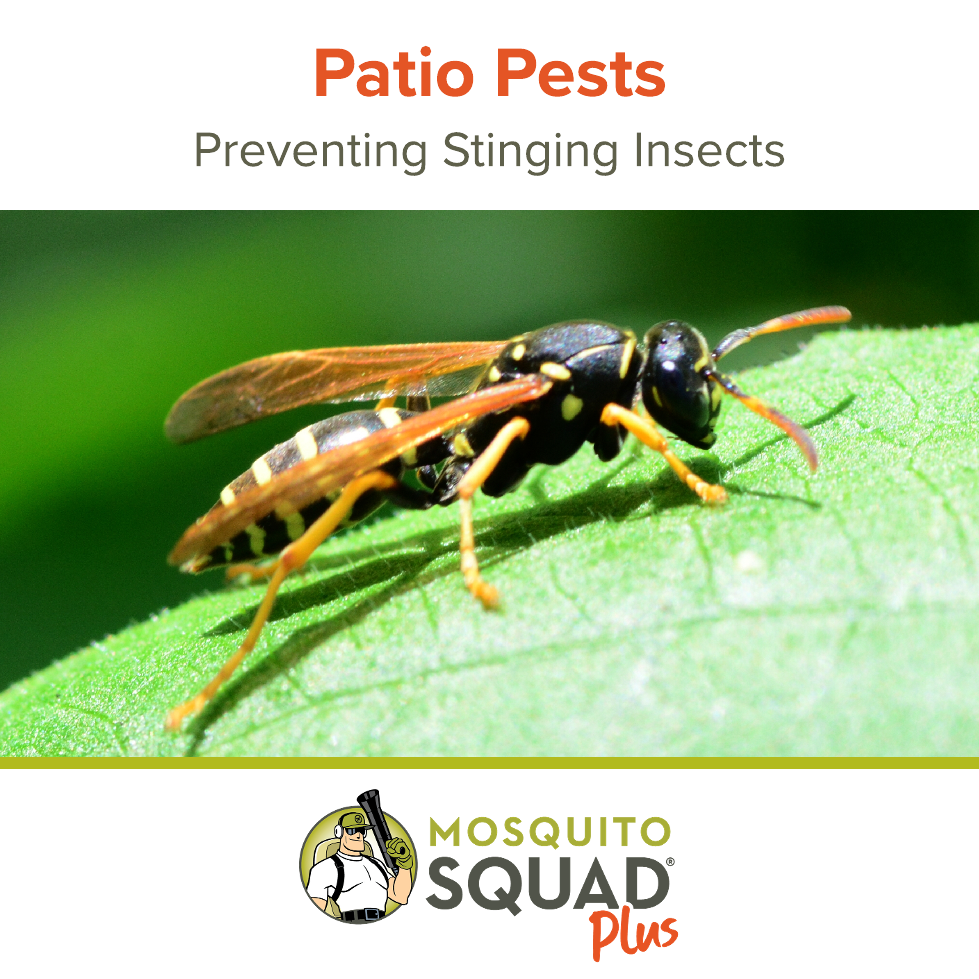
By late summer and into fall, yellow jackets in Southeast Wyoming get noticeably more aggressive. Colonies that were focused on building and feeding through the summer are now in decline, and the workers become erratic and opportunistic — showing up at outdoor meals, hovering near garbage, and defending nest sites with a lot more intensity than earlier in the season.
The common assumption is to wait it out. Colonies die off with the first hard freeze, so why bother?
A few reasons.
First, the most dangerous time to be around a yellow jacket nest is right now. A disturbed fall colony responds faster and in greater numbers than it would have in June. If you have a nest near an entry point, under eaves, or in a ground burrow in a high-traffic area of your yard, waiting it out means weeks of elevated risk.
Second, fertilized queens survive the winter. They don't use the same nest again, but they overwinter in sheltered spots — including inside walls, attics, and the structural voids of your home — and emerge in spring to start new colonies. Addressing nest sites before that happens matters.
Why Fall Is Actually the Right Time to Think About Pest Control in Southeast Wyoming
All of these pests share a common pattern: as Wyoming temperatures drop, they move toward the warmth and shelter your home provides. What looks like a sudden surge of activity in October has usually been building since August, driven by insects concentrating around your home's foundation, landscaping, and entry points.
This is exactly why fall is one of the most important times of year for a home perimeter spray.
Mosquito Squad of Southeast Wyoming's home perimeter treatment creates a protective barrier around the outside of your home — targeting the foundation, entry points, eaves, and surrounding vegetation where overwintering pests are actively seeking shelter. Applied before the hard freezes set in, it addresses boxelder bugs, spiders, ants, and other crawling pests at the point where they're trying to make their move indoors.
It's the same professional approach that works for mosquito and tick control throughout the season, applied to the pest pressure that's most relevant right now — as fall sets in across Cheyenne, Laramie, Casper, and surrounding communities.
Ready to get ahead of fall pests? Mosquito Squad of Southeast Wyoming can help you protect your home before the first freeze.
📞 Call (307) 249-3218 or request a free quote online.