Where Are Wasps Building Nests on Connecticut Homes?
Posted by Mosquito Squad Plus
August 24, 2026
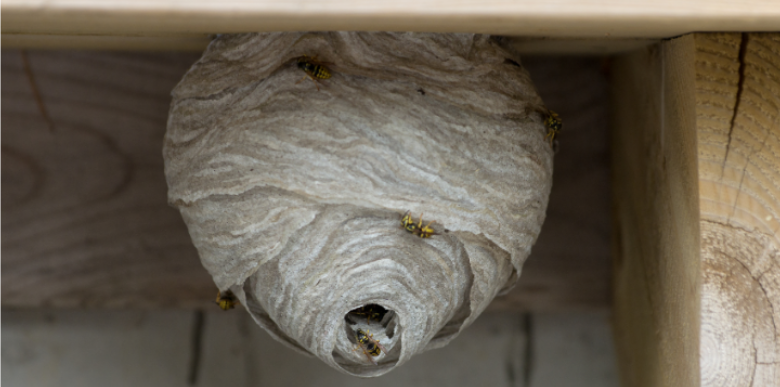
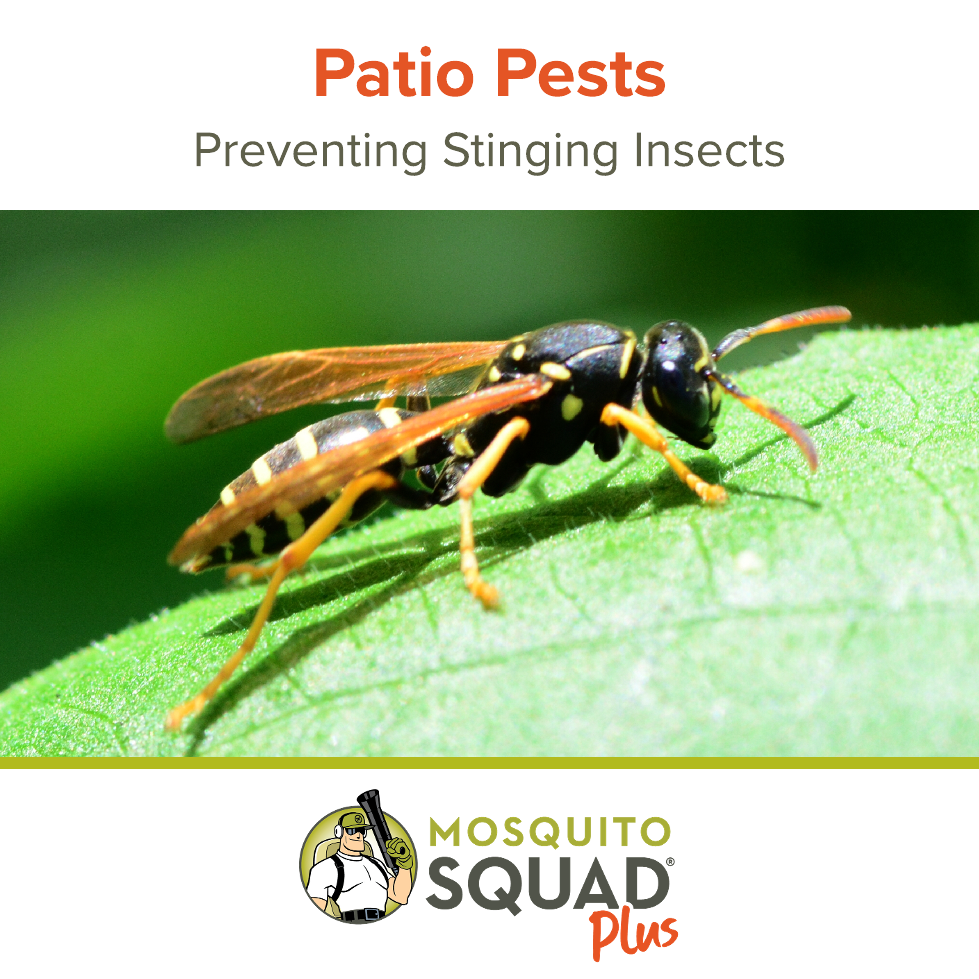
Wasps (not helpful and fluffy like the honeybee), act like they have a serious attitude problem. It seems like they never stop at one sting. Aggressive, territorial, and overall terrible company, they can make it feel impossible to step outside once they've staked their claim.
And, you may have noticed one or two nests pop up already. But, the bad news is, it's been there since spring. You just didn't know it was there.
An overwintered queen started it alone back in April, and it was small enough to walk past a hundred times. By August the colony is at full size, and that’s when homeowners usually spot them, usually by accident.
So, if you're seeing more wasp activity around your property, where are their favorite hiding spots? And how do you find them?
Are You Dealing with Aerial or Ground Wasps in Connecticut?
There are two typical areas wasps and yellowjackets like to nest:
- Aerial nesters build up high, in sheltered spots under and against the structure. This includes paper wasps and baldfaced hornets.
- Ground and cavity nesters build below the surface or inside enclosed spaces. Yellowjackets and European hornets fall here.
High Places Wasps Nest
When it comes to wasps, the pattern of where they nest stays consistent: sheltered, enclosed, and undisturbed. Anything you haven't touched since spring is the perfect spot for them.
Here's where to look:
- Eaves, soffits, and roof overhangs - one of the most common spots, and the hardest to see without stepping back.
- Porch ceilings, deck undersides, and railings - there, they stay mostly invisible, until they’re not.
- Attic vents, gable vents, and wall voids - reached through gaps you'd never notice from the ground.
- Window frames, shutters, and door casings - behind a shutter is dark, dry, and undisturbed.
- Light fixtures - this gives them a sheltered space a few inches from your door.
Low Places Wasps Nest
Yellowjackets mainly like to nest in the ground.
Here’s where to find them:
- An abandoned rodent burrow
- A mulch bed or garden edge
- Gaps under walkways
- Hollow tree stumps and the base of mature trees
Quiet and unassuming, they build their nest under the surface. Then one day you're mowing the lawn, and suddenly a swarm takes over.
Also check out:
- Sheds, garages, and stored equipment - anything sitting untouched for weeks.
- Grills and patio furniture - especially if covered.
- Old stone walls and retaining walls - common on rural Connecticut properties, and the gaps between settled stones are the perfect spot.
Watch the Flight Path
You won't always find the nest right away, but you can find the traffic.
Here’s how to follow the flight path:
- Stand back and watch for a few minutes - wasps returning to a colony follow a repeated route to a single point on the structure.
- Watch for the same route - if you keep seeing wasps travel the same path over and over (maybe to an eave or hole in the lawn), that’s their nest.
DIY Wasp Removal in Connecticut Isn’t Worth the Risk
A can of wasp spray looks like it'll work. You see the nest, open the bottle, and spray. Done. Right?
But, more often than not, it's not that simple.
- Nests are usually bigger than the visible part - what looks like a small paper wasp nest under an eave can extend into the soffit. And as far as ground nests go, there's no way to see the size from above ground.
- Wasps sting repeatedly - unlike honeybees, they don't die after they sting you. So one disturbed colony could mean a whole swarm and many stings.
- They nest in high places - many nests are too high to reach without a ladder. Getting swarmed while holding a ladder = possible emergency room visit.
- Wall voids are the worst case - spraying a void can push the colony inward, and you end up with wasps in the house instead of outside it.
And for anyone with a sting allergy, a single sting could be a trip to the emergency room.
Professional Wasp Control for Old Lyme Homeowners
Mosquito Squad Plus of Middlesex New London Windham County can handle your wasp and hornet control this season.
Serving Old Lyme and surrounding communities, our services always start with a property inspection to locate wasps on your property. From there, treatment is tailored to species and location, using EPA-registered products applied according to label guidelines.
Our trained technicians also identify the conditions drawing wasps to your property in the first place, so you're addressing what's bringing them in and not just the nest you happened to find.
Handled as part of a broader seasonal plan, professional wasp control in Old Lyme helps reduce activity where you love to be: the deck, the porch, and the yard where the kids play.
You shouldn't have to treat your own backyard like a wasp warzone. No one deserves that.
Serving Old Lyme and communities throughout Middlesex, New London, and Windham County.
Dealing with wasps or hornets in Old Lyme? Call Mosquito Squad Plus of Middlesex New London Windham County at (860) 689-1975 or contact us online for a free quote.