What Living on the Mountain Side of Huntsville Does to Tick Season in Willowbend
Posted by Mosquito Squad
March 23, 2026
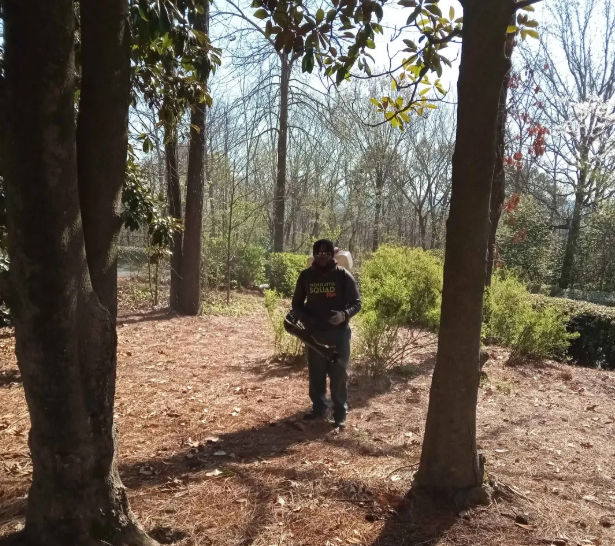
If you bought a house in Willowbend because of the scenery, you already know what the terrain looks like. You are sitting on the residential fringe of Big Cove, tucked between Monte Sano, Keel, and Green Mountains at the edge of the Cumberland Plateau. It is quiet, wooded, and shaded in ways that the subdivisions out toward Madison or Harvest simply are not. That is exactly what makes tick season here a different problem than it is in most of the rest of Huntsville.
Why the Terrain Here Produces Year-Round Tick Pressure
The Alabama Department of Conservation and Natural Resources puts Monte Sano at more than 1,600 feet above sea level. That mountain is not just a backdrop. It is the reason your backyard behaves the way it does. What washes off those slopes with every rain does not stop at your property line, and neither does the wildlife that uses those corridors year round.
The Alabama Cooperative Extension System notes that the most common outdoor places where ticks are found are moist, humid areas with leaf-litter substrate under a foliage canopy, including bushes, shrubs, and tall grass. On a flat lot in a sunny subdivision, that kind of environment shows up in the back corners if it shows up at all. In Willowbend, it can describe most of the rear half of your property depending on how your lot sits against the hillside.
Deer are the other piece of it. They move freely through the corridors between Monte Sano State Park and the residential edges of Willowbend, and wherever deer go, ticks follow. Neighbors in Brownsboro and Owens Cross Roads know this firsthand. The CDC notes that deer ticks strongly prefer yards that border wooded areas. A home here that backs up to a wooded slope is exactly the kind of property where ticks move between deer corridors and maintained yard edges with nothing in the way to slow them down.
The Ticks You Are Actually Dealing With
Not every tick in north Alabama works on the same schedule, and the differences matter if you are trying to stay ahead of them.
The Lone Star tick is the one most Willowbend homeowners run into first, and it is the most aggressive of the group. Outdoor Alabama, drawing on Auburn University research, identifies it as the most common tick in the state. It can transmit the alpha-gal red meat allergy, Southern rash illness, tick paralysis, and diseases closely related to Rocky Mountain spotted fever. What makes it particularly frustrating is that it does not wait for you to brush past it on a trail. It comes looking for you. People find Lone Stars in maintained yards all the time, not just on wooded edges.
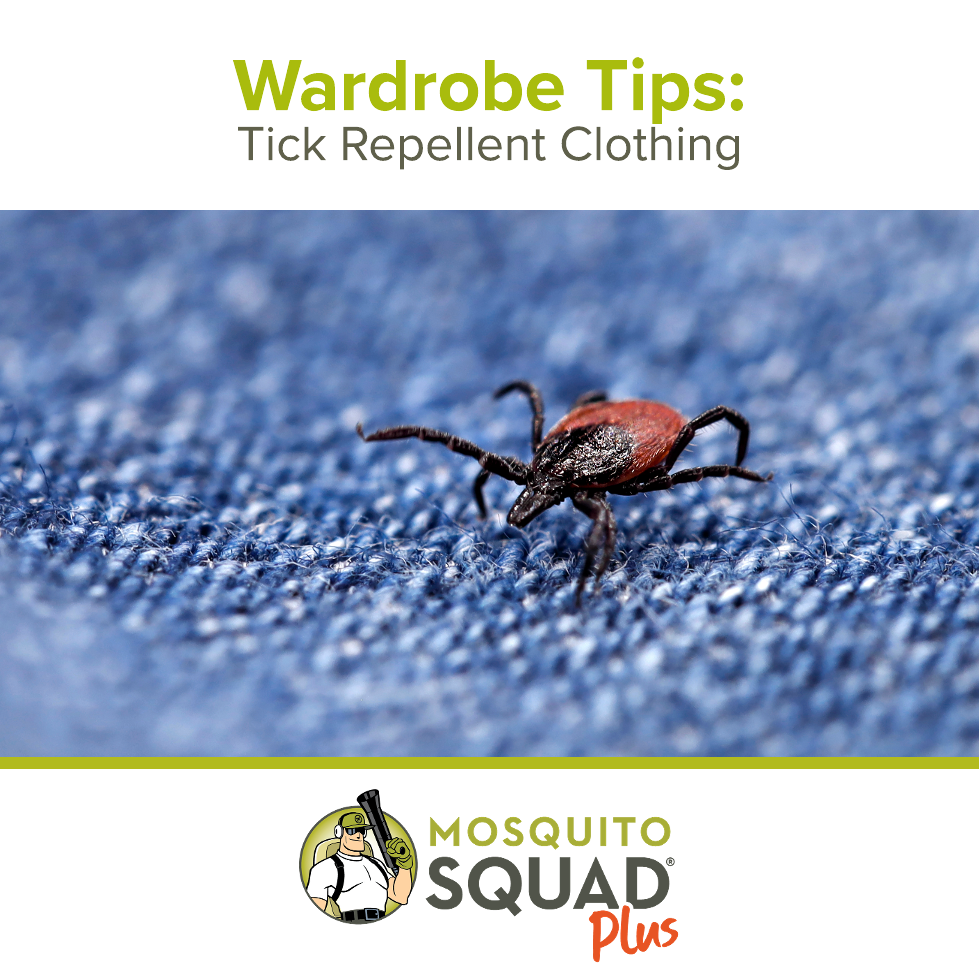
The black-legged deer tick works differently. The CDC documents that larvae and nymphs are most active in spring and early summer, while adults push into fall and even early winter during warm years. Their habitat is wooded areas and shaded edges, which means the path between your back fence and the tree line behind it is active territory for most of the year, not just in summer.
Then there is the American dog tick, which tends to catch people off guard because it shows up in the yard itself. The Alabama Cooperative Extension System specifically points to backyards where a maintained lawn sits next to a wooded area as prime habitat for this one. Dogs, kids playing outside, anyone doing yard work near the back fence is in contact range. Our tick and flea control page covers how we approach each species differently based on what the property looks like.
What Homeowners Try and Why It Falls Short
The first move for most people is landscape work. Mow more often, pull the brush back from the fence, get the leaves up faster in the fall. That is not wrong. The CDC recommends exactly those steps, along with placing a three-foot barrier of wood chips or gravel between lawn and wooded areas to slow tick migration. It helps at the margins.
The problem is that tick pressure in Willowbend is not coming from your yard. It is coming through your yard from the ridge above it. Deer do not stop at a mulch border. Neither do the mice and chipmunks carrying larval ticks back into your lawn edges season after season. You can do everything right on your own property and still have a significant tick problem because the source of that problem is the mountain behind you.
Natural sprays get tried next, and people spend a lot of time debating them online. Cedar oil, essential oil blends, diatomaceous earth along the perimeter. The CDC is straightforward that natural products are not proven effective against ticks. In a drier climate that might not matter much. In east Huntsville, where humidity runs high through most of the spring and summer and afternoon rain is routine, anything without real residual staying power washes out before it does much. Neighbors in Gurley and Meridianville come to the same conclusion for the same terrain reasons.
If you prefer a plant-based approach from a professional, our natural treatment program uses botanical products formulated to hold up in conditions where off-the-shelf versions cannot.
What Tick Treatment Actually Does
The reason professional tick control works where DIY efforts stall is targeting. Ticks are not spread evenly across your yard. They are concentrated in the transition zones, the shrub lines, the shaded low spots, the places where your mowed lawn gives way to the wooded edge climbing toward the ridge. The Alabama Cooperative Extension System recommends directing applications low into ground-covering vegetation and the lower branches of shrubs, where most ticks are found within 12 inches of the ground. Spraying the open lawn misses the point almost entirely.
Our tick treatment program for Willowbend is built around those zones. The lawn-to-woodline edges, the shrub beds, the shaded drainage areas, the perimeter where deer pressure is highest. Treatments run on a recurring schedule through the active season so there is no gap in coverage between visits.
For properties with a serious wooded boundary, tick tubes can add another layer. They work by getting insecticide-treated material into small rodent nests, which kills larval ticks before they ever reach your yard. Our 6 C's of tick control explains how that layered approach works for properties like the ones common in Willowbend. The CDC recommends consulting a licensed applicator for significant tick pressure and notes that targeted treatment can meaningfully reduce tick populations in treated areas.
When to Start
Most people call us after they find a tick on a child or a dog. That is usually when the problem feels real enough to do something about. By that point the season is already underway and the population is established. The Alabama Cooperative Extension System puts the standard treatment window at April through October, but Lone Star ticks in north Alabama can be active during any warm stretch in late winter. A week of mild temperatures in February is enough to bring them out before most homeowners have thought once about tick season.
Willowbend is not a neighborhood where you reset to zero each spring. The deer corridors off the ridge keep reintroducing tick populations to your yard edge throughout the year. Getting ahead of that before April means you are managing the season. Waiting until you see the problem means you are chasing it.
Get a free quote for tick control in Willowbend and let us walk the property before the season gets moving.